Male vs Female Maine Coon: Which One Fits Your Home?
If you are torn between a male vs female Maine Coon, you are asking the question almost every future owner asks. I have lived with Maine Coons for years, and I have heard the same advice from every direction: get a boy if you want a cuddly shadow, get a girl if you want a calmer, more independent cat. There is some truth in that — but only some.
Here is the honest version, from what owners report and what I have seen in my own home: males and females do tend to differ, but the differences are tendencies, not rules. The individual cat, how it was raised, and whether it has been spayed or neutered will shape its personality far more than its sex ever will.
Male vs Female Maine Coon at a Glance
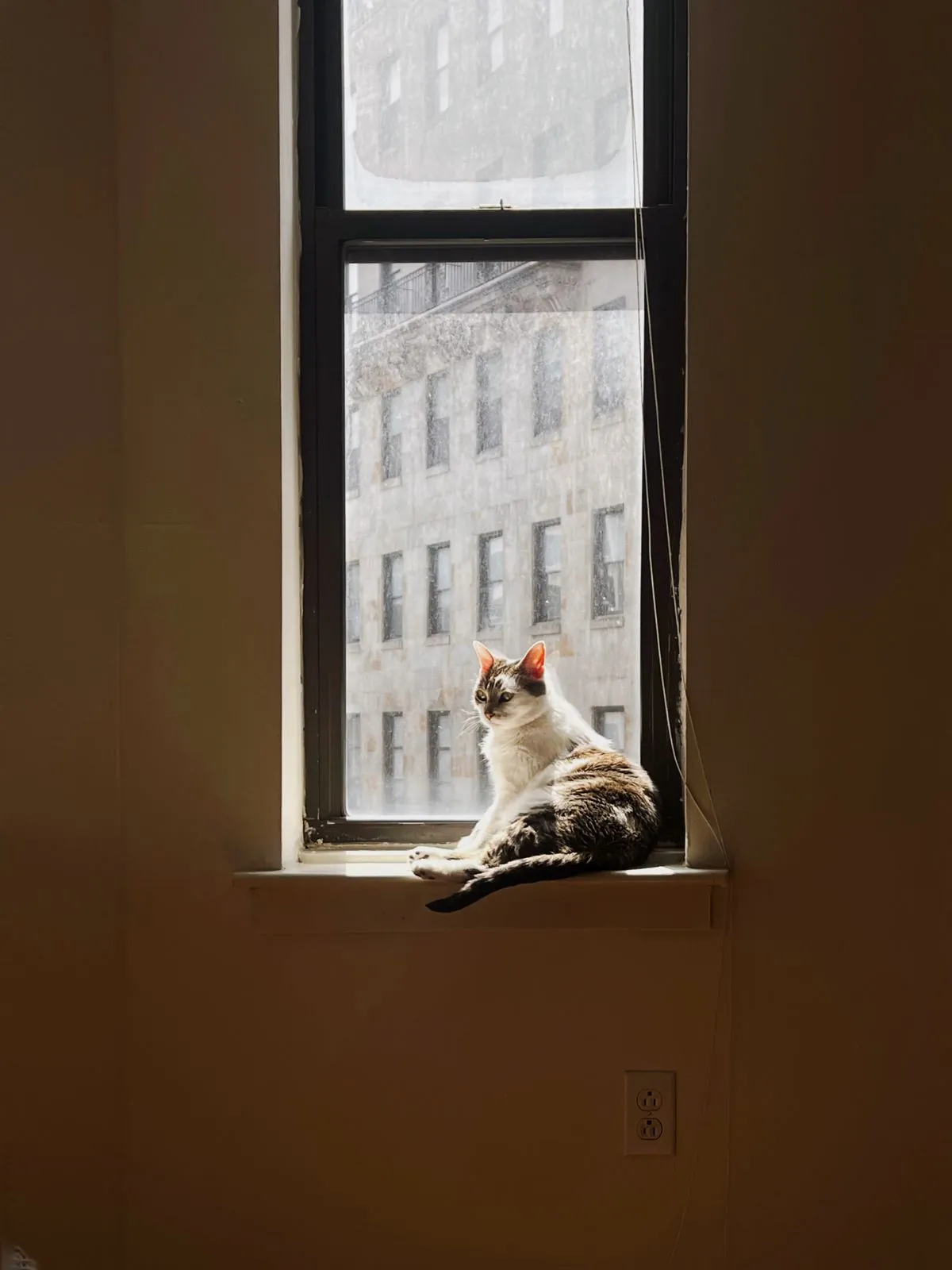
Males are usually bigger and heavier, often more openly affectionate, and frequently the goofy one in the house — the cat that follows you from room to room and greets visitors at the door. Females are usually smaller, often more independent, and frequently more selective about when they want affection. They love just as deeply; they simply hand it out on their own schedule.
That is the pattern, not a promise. I know female Maine Coons who are total lap cats and males who prefer the next cushion over.
Size and Weight: The Difference You Can See
Size is the one difference that is easiest to measure, and it is real. Males are usually larger than females — longer, broader, heavier-boned, with a bigger head and a fuller ruff. Females are still large cats compared with most domestic breeds, but they tend to have a slightly lighter, more refined frame.
The International Cat Association gives typical adult weights of around 18 to 22 pounds for males and around 12 to 15 pounds for females. Those are breed-standard ranges, not guarantees. Plenty of males stay on the smaller side, plenty of females grow into big, solid cats, and bloodlines matter as much as sex.
In real life, a male takes up more space: a bigger bed, a sturdier cat tree, a larger litter box, and more food in the bowl. Owners on Reddit often point out the practical side — a 20-pound cat landing on your chest at 3 a.m. is a very different experience from a 12-pound one. If you live in a smaller home, or you know you would struggle to lift a heavy cat for grooming or vet trips, the smaller average size of a female is genuinely worth weighing. If you want the full picture on how big these cats get and how long they keep growing, I have covered it in detail in my Maine Coon size comparison.
Temperament: What Owners Actually Report
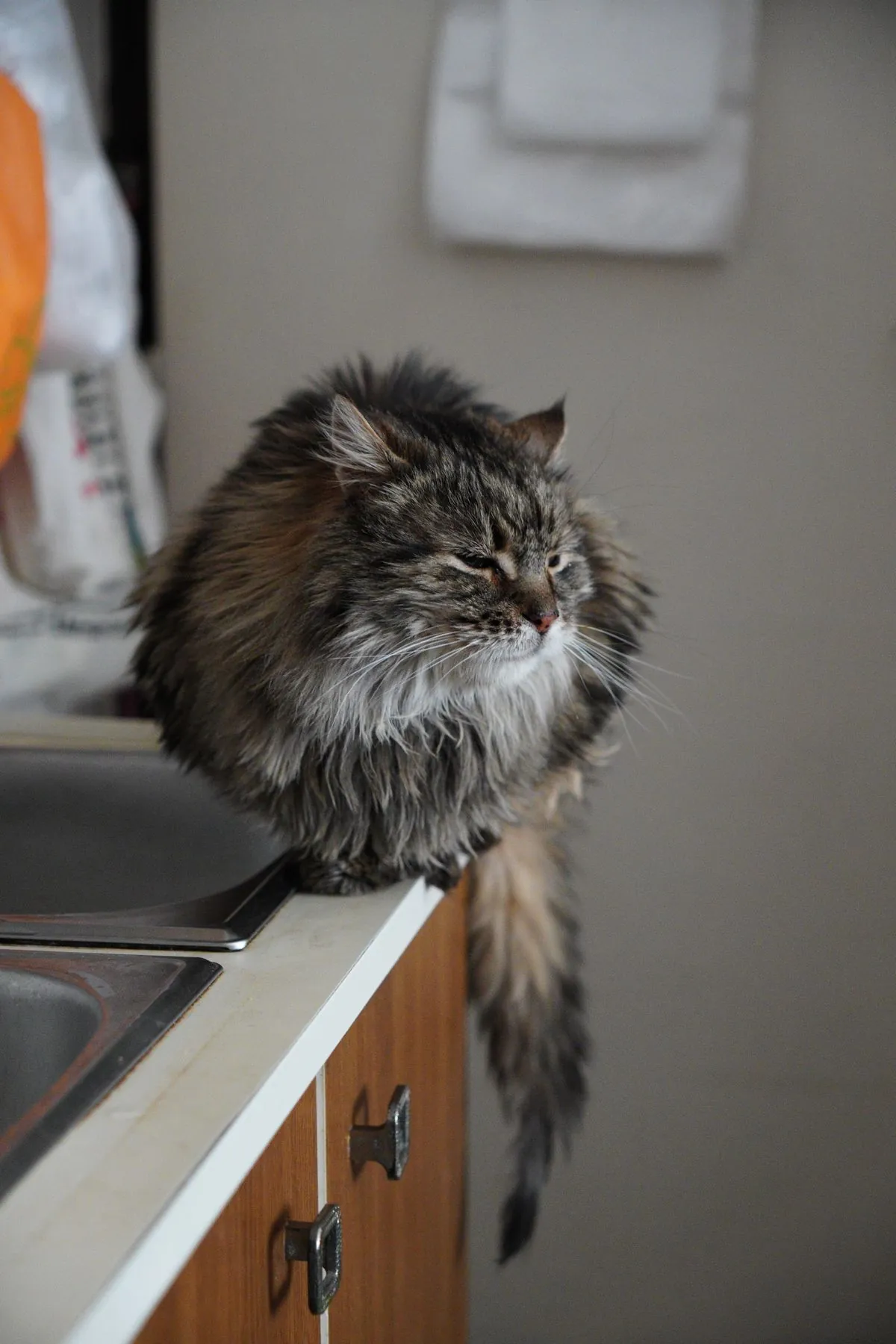
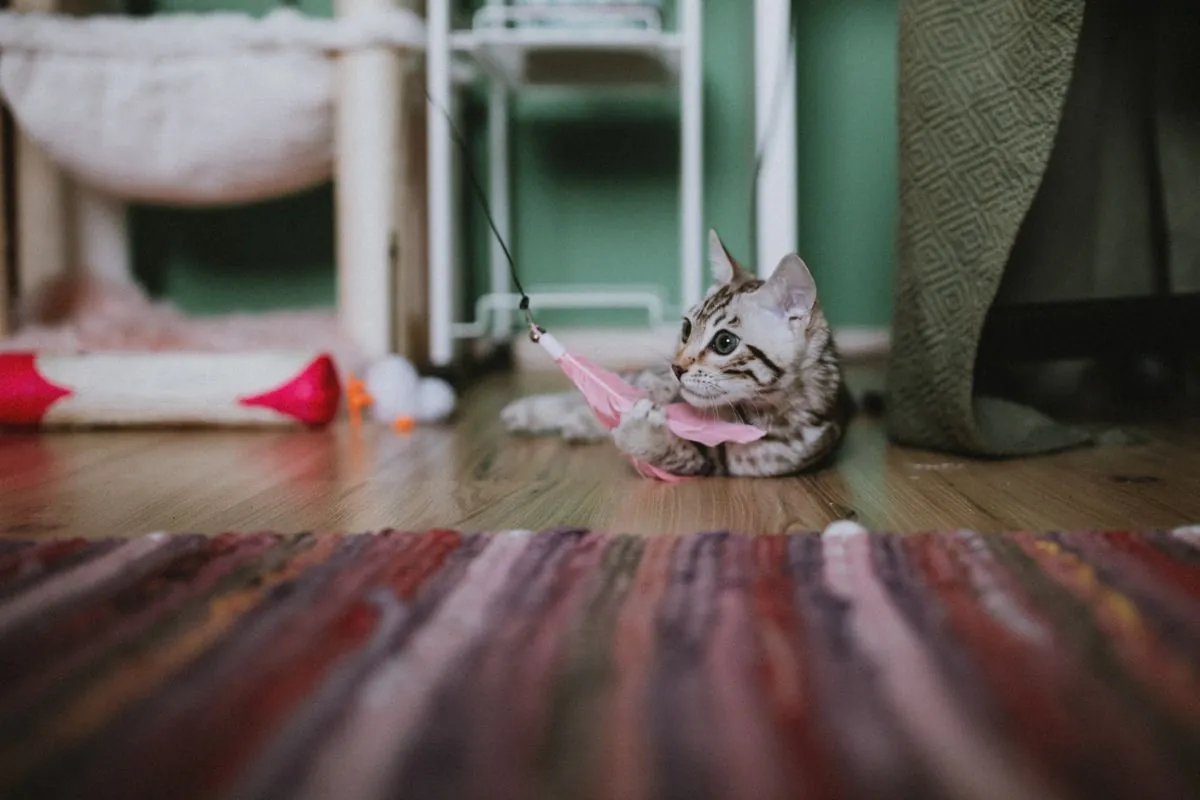
Spend an evening reading owner threads on Reddit or watching breeder videos on Facebook, and a clear picture emerges. Owners on Reddit describe males again and again as goofy, outgoing, and dog-like: the cat that greets everyone at the door, chirps at you for attention, and flops down in the middle of whatever you are doing. One breeder on Facebook summed up her boys as total mama’s boys who follow you from room to room, while her girls were sweet but on their terms.
Females, in the same conversations, are described as observant, dignified, and quietly in charge. Owners say their girls watch the household first and then decide what they think of it. They bond deeply, often with one person in particular, and show affection in quieter ways — a slow blink from across the room, a head bump, settling beside you rather than on top of you.
And then, in the same threads, come the counter-examples. Owners chime in to say their female is the clingy one and their male is the aloof one. One breeder I follow put it perfectly: stop picking a gender and start picking a personality. The breed associations back up the cautious version of this too. The Cat Fanciers Association describes Maine Coons as friendly, sweet-tempered, and easy to train, and TICA describes the breed as sweet-tempered, gentle, and friendly — with no mention of one sex being friendlier than the other. That shared breed temperament is the baseline; sex only nudges it.
Affection follows the same pattern. Males tend to be more demonstrative — they seek you out, ask for attention, and keep asking. Owners call them velcro cats for a reason. Females tend to be more independent, happy to be near you without being on you, coming back for affection when they feel like it. Owners on Reddit often say their girls are affectionate on their own terms — and that when a female Maine Coon does choose to curl up with you, it feels earned. That independence cuts both ways: a female is often more comfortable being left alone for a working day, while a very attached male may get bored or anxious if he is alone too long. Playfulness is similar: males often stay kittenish for longer, while females play in shorter, more focused bursts. I go deeper into the breed’s character in my Maine Coon personality traits guide.
Spraying, Heat Cycles, and How Spay or Neuter Changes Everything
This is the section most people skip to, and honestly, it may matter more than temperament. A lot of the behaviour people blame on being male or female is really behaviour caused by being intact.
An unneutered male is the most likely cat in the house to spray urine to mark territory. The smell is famously strong, and the habit can be hard to break once it is established. Neutering usually reduces or stops spraying, especially when it is done before the habit forms. Cornell’s veterinary guidance notes that cats who spray are usually unneutered males and, to a lesser extent, unspayed females.
An unspayed female brings a different challenge: heat cycles. A female in heat may yowl loudly day and night, pace, roll, and try to get outside. Spaying ends the heat cycles entirely, and most vets recommend spaying before the first heat.
Here is the key point: once a Maine Coon is spayed or neutered, most of the sex-linked behaviour differences shrink. The goofy boy stays goofy and the dignified girl stays dignified, but the spraying, the yowling, and the restlessness mostly go away. That is why most breeders send pet kittens home already altered or with a spay-neuter agreement.
Timing is its own question with this slow-growing breed, and I have written a full guide to it in my Maine Coon spay and neuter timing post. If you want the authoritative veterinary view as well, Cornell’s guide to spaying and neutering is an excellent place to start.
Grooming and Coat: Is There a Real Difference?
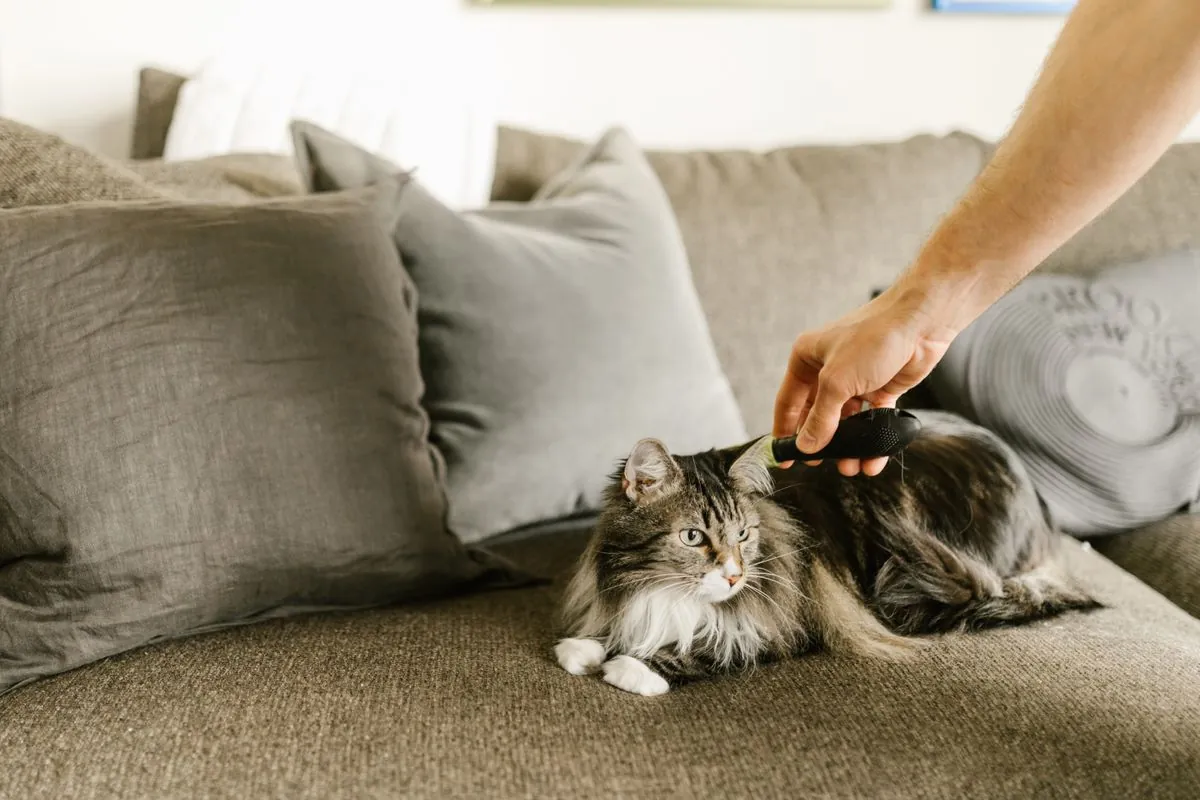
In practical terms, no. Every Maine Coon has a long, thick, shaggy coat that needs regular brushing to prevent mats, and neither sex escapes that.
Owners and breeders do report one small difference: males often develop a fuller, heavier ruff around the neck and chest, which can mat more easily in that one spot, while females often have a slightly finer, silkier coat. It is a tendency, not a rule. Brush a couple of times a week, pay attention to the armpits and the ruff, and either sex will be fine.
Which One Fits Your Household?

Families with young children. Owners and breeders usually point family buyers toward males first: they tend to be more tolerant of unpredictable handling and more confident with strangers coming and going. A well-socialized female raised with children is a wonderful family cat too.
Homes with other pets. Maine Coons of both sexes are famously good with other animals, and the CFA breed profile describes them as friendly and easygoing. Owners on Reddit report happy pairs of every combination — two males, two females, or one of each. Slow introductions matter far more than the pairing.
First-time owners. There is no wrong first Maine Coon. Many owners recommend a male for his forgiving, people-pleasing nature, or a female for her calmer, more self-sufficient streak. Honestly, the better question is not boy or girl but which kitten: meet the litter, watch which kitten comes to you, and ask the breeder which one fits your household.
Singles, couples, and quieter homes. A female often shines here: owners say a girl’s deep one-person bond and quieter companionship suit a calm household beautifully. A male will love a quiet home too — he will simply fill more of it, more loudly.
Small homes and apartments. The smaller average size of a female is a genuine practical advantage. But space matters less than enrichment: a tall cat tree, window perches, and daily play keep either sex happy in an apartment.
How to Choose the Individual Cat
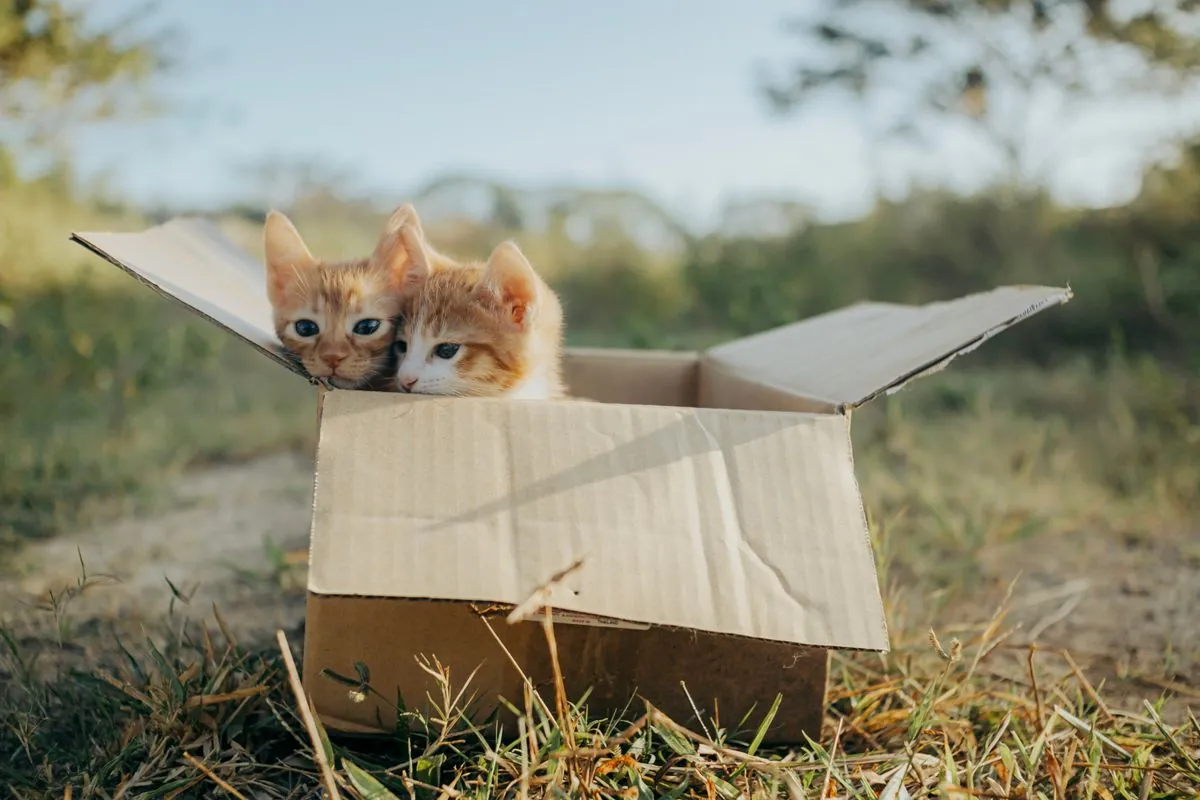
Meet the kitten before you decide. Sex is a starting point, not a selection method.
Visit the breeder or rescue, sit on the floor, and watch. Which kitten comes to investigate you? Which one plays and then settles? Which one head-butts your hand? Ask the breeder which kitten is the most confident, which one is the cuddliest, and which one would suit a home with children or other pets. A good breeder knows their kittens as individuals and will steer you honestly — sometimes toward the opposite sex from the one you arrived wanting.
If you have not yet decided whether to go through a breeder or a rescue, that choice matters too. I compared both paths honestly in my guide to adopting a Maine Coon, breeder or rescue.
Frequently Asked Questions
Are male Maine Coons more affectionate than females?
Usually more openly affectionate, yes — males tend to seek out attention and follow their people around. But females are affectionate too, often in a quieter way.
Do male Maine Coons get much bigger than females?
Yes, usually. The breed association’s typical ranges put males around 18 to 22 pounds and females around 12 to 15 pounds. There is plenty of overlap, though, and bloodlines matter as much as sex.
Do male Maine Coons spray?
Unneutered males are the most likely cats to spray, and intact male urine has a very strong smell. Neutering usually reduces or stops spraying, especially if it is done before the habit forms.
Are female Maine Coons calmer than males?
Owners often describe females as calmer and more independent, and males as goofier and more high-energy. That is a fair summary of the tendencies — but plenty of females are wild players and plenty of males are calm couch cats.
Should a first-time owner get a male or female Maine Coon?
Either can be a wonderful first Maine Coon. Males are often recommended for their forgiving, social nature, while females are often recommended for their calmer independence. The better question is which individual kitten is confident, well-socialized, and a good match for your home.
My Honest Answer
So, should you get a male or a female Maine Coon? If you want the biggest, goofiest shadow you have ever met and you are home enough to enjoy him, a boy will probably make you very happy. If you want a slightly smaller, calmer companion who loves you deeply and on her own terms, a girl will probably make you very happy. And if you fall in love with a kitten of the opposite sex from the one you planned on, trust that feeling. The best Maine Coon for your home is rarely the sex you picked on paper. It is the cat that picks you back.