Why Does My Maine Coon Drool? Happy Drool vs Warning Signs
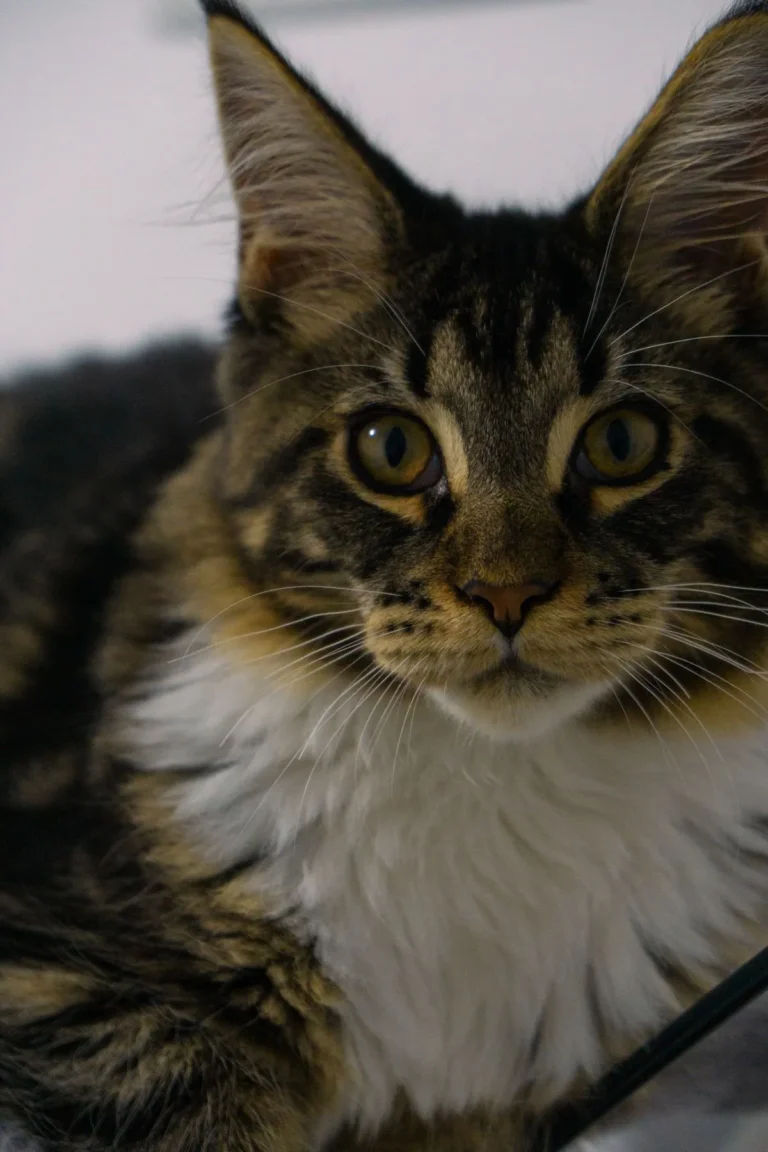
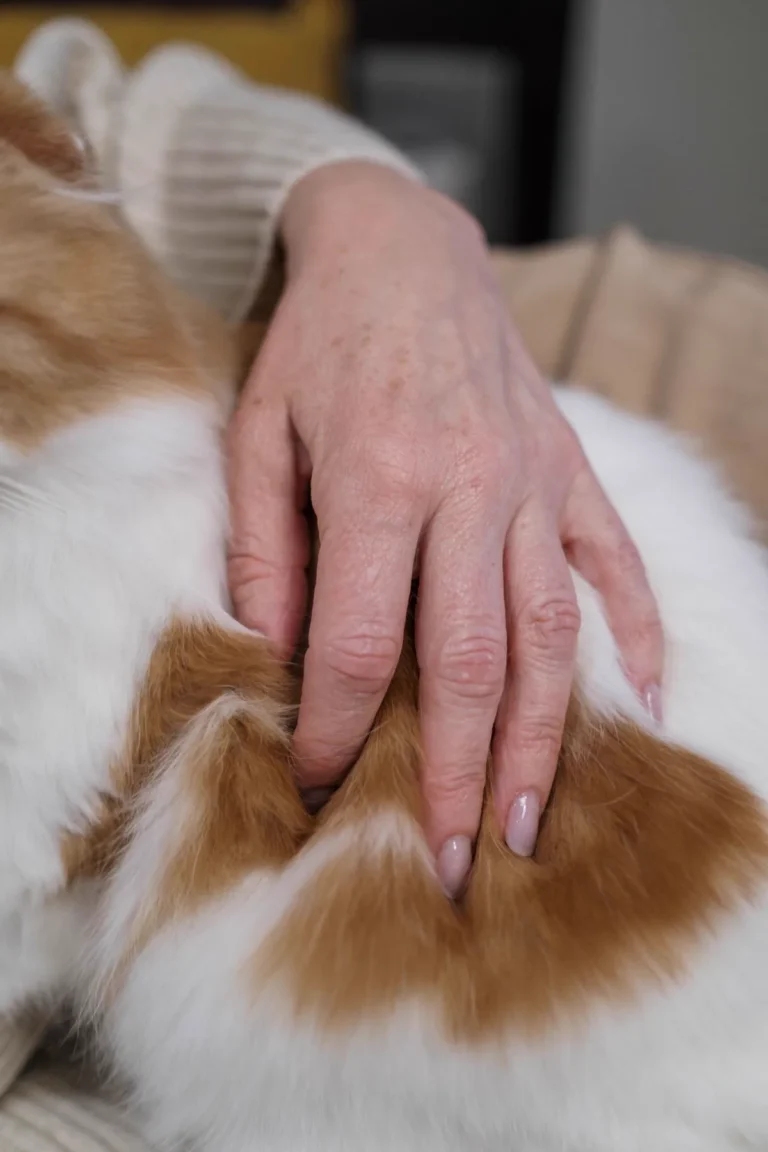
The first time I spotted a wet patch on my lap, I froze. My Maine Coon was curled up on me, purring like a small engine, kneading my jumper with her enormous paws, and drooling. She looked completely blissful, and I looked completely confused. If you are wondering why does my Maine Coon drool, you are not alone, and in most cases the answer is a happy one. But not always, and that is exactly why this question deserves a proper answer rather than a shrug.
Maine Coons are expressive cats. They chirp, they trill, they follow you from room to room, and quite a few of them drool when they are at their most relaxed. Owners on Reddit say the same thing again and again: their big cat starts dribbling the moment the purring starts, usually while making biscuits on a lap or a blanket. A little drool during a cuddle is one of those quirks that looks alarming and usually means nothing at all. The trick is knowing which drool is happy drool and which drool is your cat asking for help.
Why Does My Maine Coon Drool When She Is Happy?
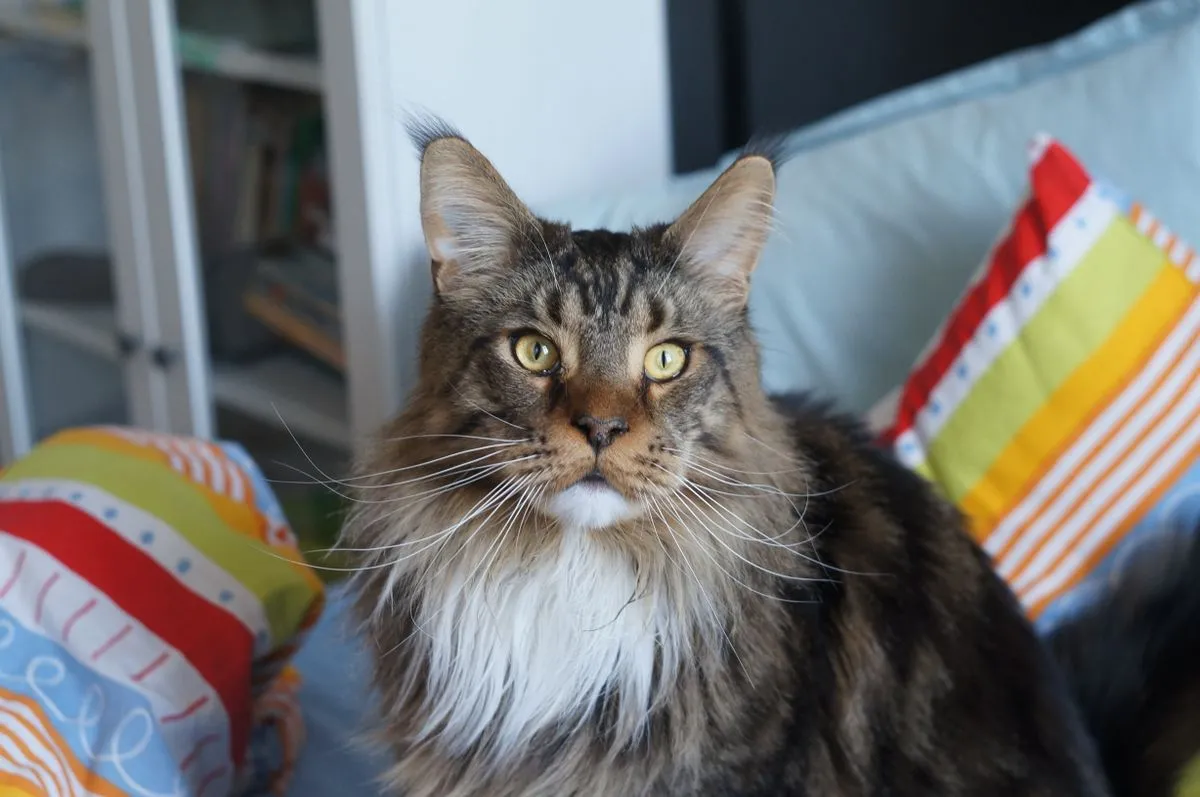
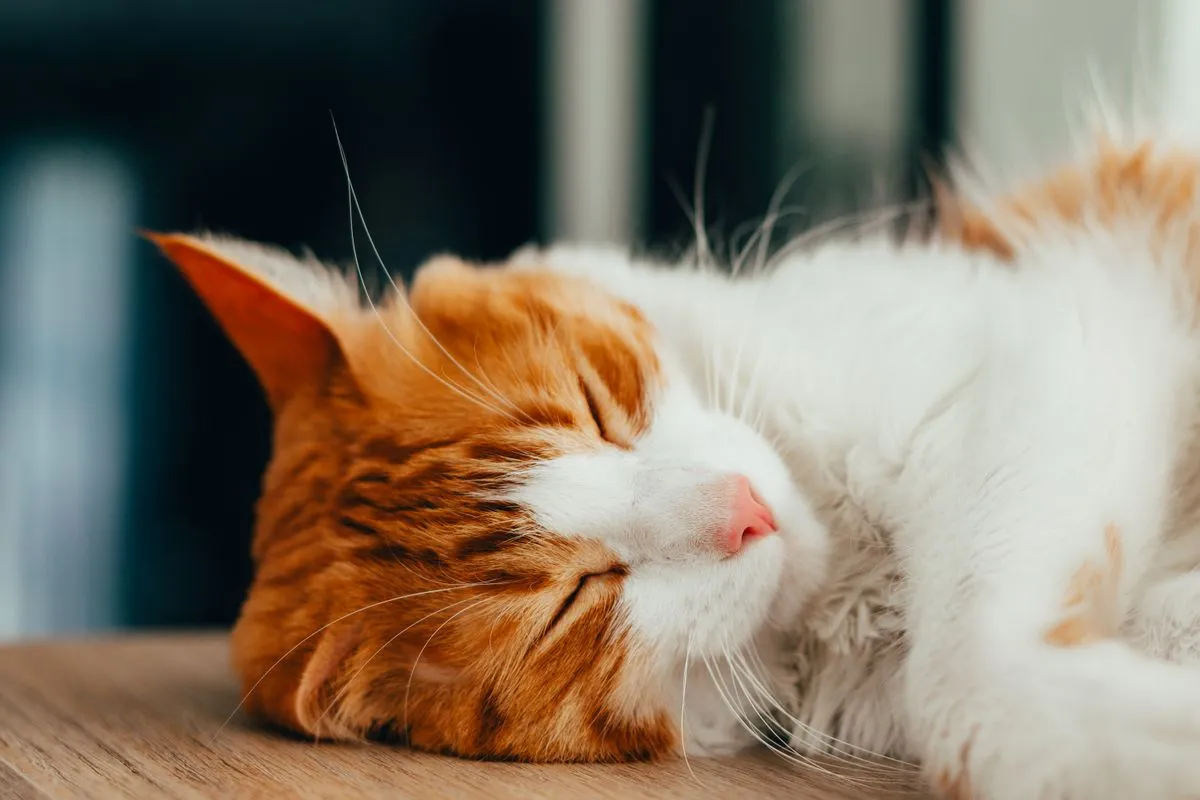
Happy drool is the most common reason a Maine Coon drools, and it is the easiest to recognise once you know the pattern. It shows up during petting, purring, kneading, or deep sleep, and it stops when the moment passes. The drool is thin and clear, there is only a little of it, and the cat is otherwise completely herself: eating well, grooming normally, playing, and using the litter box as usual.
The reason seems to go right back to kittenhood. When kittens nurse, kneading and suckling go together, and saliva flows as part of that comfort routine. Some adult cats never quite leave that behind, so when your Maine Coon kneads your lap and starts to dribble, she is slipping back into that safe, sleepy kitten feeling. Owners on Reddit describe it fondly, and breeders on YouTube say drooling during kneading is one of the classic signs of a contented Maine Coon, right up there with the loud purr and the half-closed eyes.
Sleep can do it too. A Maine Coon in a deep sleep relaxes every muscle, and a small damp patch appears on the blanket. Thin and clear, and gone once she wakes up. If the drool only ever appears in these relaxed moments and your cat is otherwise fine, there is nothing to fix. I keep a small towel on the sofa arm for exactly this reason, and I consider it a compliment.
Maine Coons also seem more prone to happy drool than many other breeds. They are big, sociable, expressive cats that throw themselves into affection with their whole body, and a cat that purrs hard and relaxes completely is more likely to dribble than a cat that keeps a polite distance. If your Maine Coon has drooled during cuddles since she was young and nothing else has changed, that is almost certainly just who she is.
The Kneading Connection
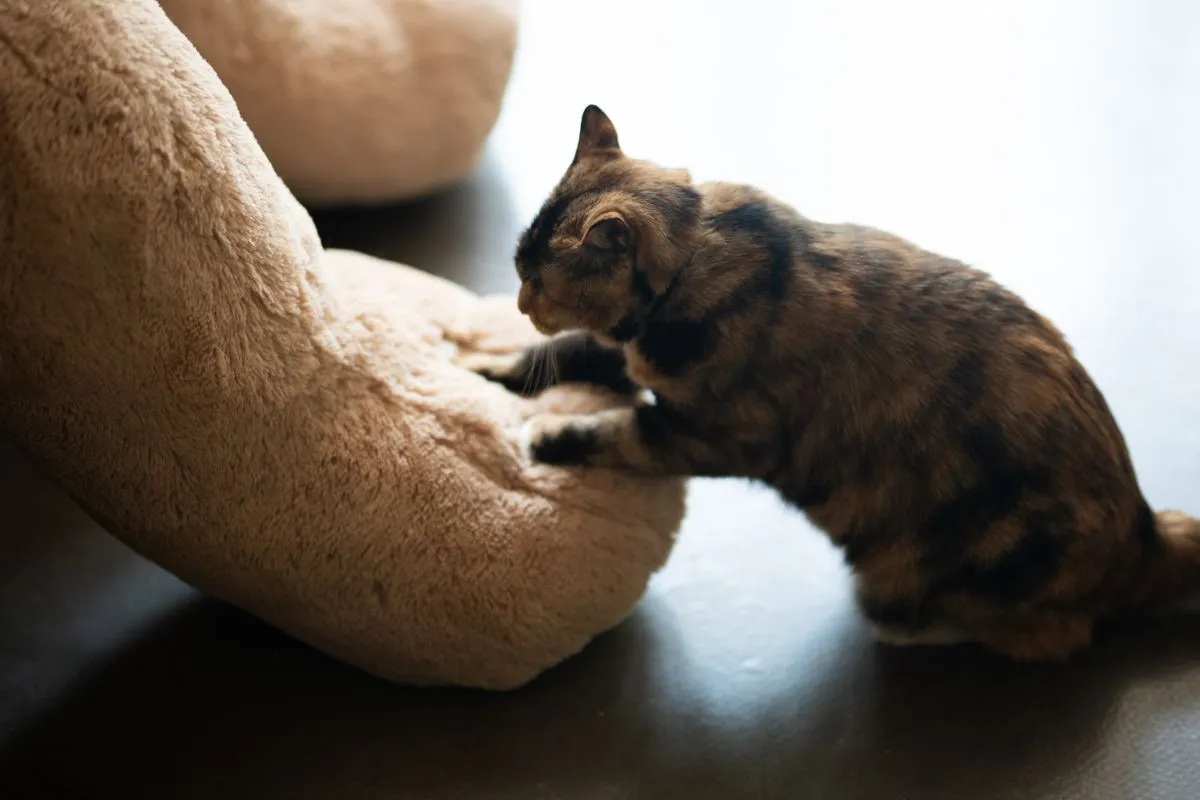
Kneading and drooling travel together so often that they deserve their own mention. Kneading is a comfort behaviour that starts in the nest, and adult cats keep doing it when they feel safe. The paws push, the purr rumbles, and for some cats the saliva glands join in.
What I watch for is the combination. Purring plus kneading plus a little clear drool, on a cat who is relaxed and floppy, is the classic happy picture. A cat in pain does not usually settle into a long, rhythmic kneading session on your lap. If the drooling ever shows up without the comfort, without the purring and kneading, that is when my attention sharpens.
Dental and Mouth Problems That Cause Drooling
Here is where the tone of this guide changes, because past happy drool, dental disease is the most common real cause of drooling in cats. Vets will tell you it is one of the most common conditions they see, and more than half of cats over the age of three have some form of it. Maine Coons are no exception.
When a tooth or gum hurts, a cat cannot close her mouth comfortably or swallow normally, so saliva leaks out instead. The signs that point to the mouth are drooling when the cat is not relaxed, thick or blood-tinged drool, noticeably worse breath, pawing at the mouth, dropping food from one side, or a new reluctance to eat dry food. Tooth resorption is a particularly sneaky one: the tooth breaks down from the inside, often with no visible damage, and it is painful. Gingivitis, periodontal disease, mouth ulcers, and a cracked tooth or abscess can all do the same thing. VCA Animal Hospitals has a clear guide to dental disease in cats explaining why a full oral exam under anaesthetic, with dental X-rays, is often needed to find the real problem. Vet resources such as PetMD and the Cornell Feline Health Center list the same warning signs: drooling paired with bad breath, mouth pawing, or a change in eating means book a vet visit, not wait and hope.
What I do at home is simple. Once a week, when my cat is sleepy and tolerant, I lift her lip and look: gums should be pink, not angry red, and teeth should be cleanish, not caked in brown tartar. I brush her teeth when she allows it, which is not every day. If you want the full routine, my Maine Coon dental care guide walks through brushing and when a professional cleaning is due. Dental drool does not fix itself; it gets worse slowly, and the kindest thing is a vet visit before it does.
Nausea, Motion Sickness and Stress
A nauseous cat often drools before she vomits, or instead of vomiting at all. You may see lip smacking, repeated swallowing, and a hunched, unhappy look alongside the drool. The causes range from a simple upset stomach to something more serious, and the drool itself will not tell you which. What matters is the pattern: nausea drool comes with a cat who is clearly not herself.
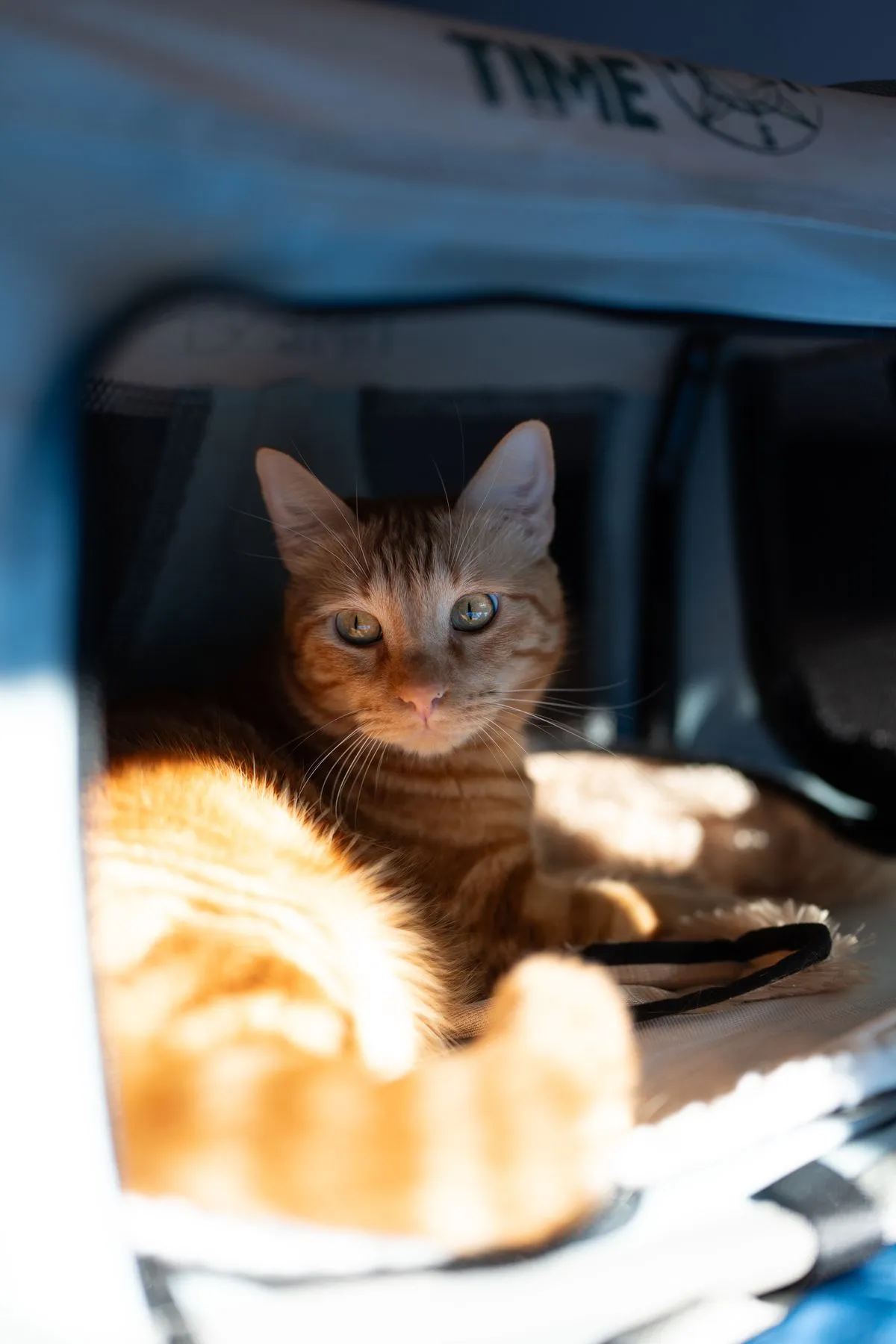
Motion sickness is the version Maine Coon owners meet most often. Some cats drool on every single car ride. If your cat only drools in the car and is perfectly fine at home, motion sickness or travel stress is the likely culprit. Short, calm trips help, as does a secure carrier facing forward and a cool, quiet car. For cats that suffer badly on necessary journeys, ask your vet whether an anti-nausea medication makes sense.
Stress can do it too. A new animal in the house, building work, a loud thunderstorm, or a vet waiting room can set some cats drooling. Owners on Reddit mention cats that drool only at the vet clinic, every single visit, and the vet simply notes it as that cat’s normal stress response. That is fine when it is a known pattern with a known trigger that settles once the stress passes. It is not fine when drooling starts out of nowhere and does not stop.
Toxins and Plants to Rule Out Fast
This is the section I hope you never need. Sudden, heavy drooling, especially with frantic pawing at the mouth, gagging, or visible distress, can mean your cat has licked, chewed, or swallowed something caustic or toxic. Lilies are the famous danger: even a small exposure can be an emergency for a cat. Human medications, certain essential oils, cleaning products, and some houseplants can all cause the same sudden drooling.
Do not wait to see if this kind of drooling resolves on its own. If you suspect your cat has got into something toxic, call your vet or an emergency clinic straight away, and tell them exactly what the cat may have touched or eaten. Keep the packaging if there is any. I check my guides to toxic foods for Maine Coons and toxic plants for Maine Coons before any new plant or food comes into the house. It is also worth keeping a basic Maine Coon first aid kit ready, so you are not hunting for your vet’s number in a crisis.
When Drooling Means Call the Vet
So how do you decide? I use a simple rule. Happy drool has a trigger you can see, a relaxed cat attached to it, and it stops on its own. Anything else deserves a vet call, and some things deserve one right now.
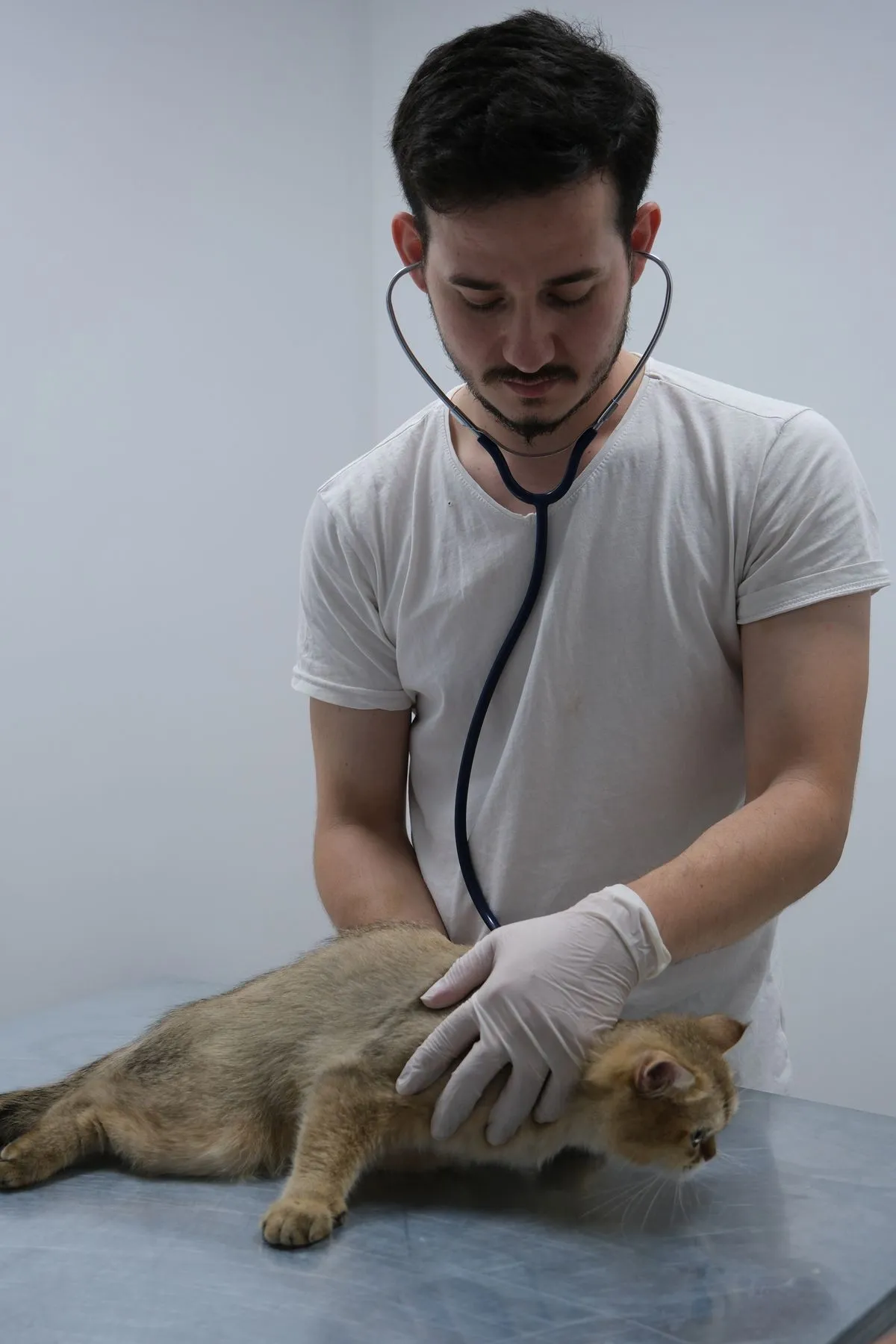
Call your vet the same day if the drooling is new and persistent, if it happens when your cat is not relaxed, if the drool is thick, yellow, or blood-tinged, if her breath smells much worse than usual, if she has stopped eating or grooming, if she is pawing at her mouth, or if she has lost weight. Go to an emergency vet immediately if there is any known or suspected toxin exposure, difficulty breathing, facial swelling, seizures, collapse, or extreme lethargy.
One more honest note: cats are very good at hiding pain. A cat that drools because her mouth hurts may still eat, still purr, and still sit on your lap, and the drool may be the only outward sign for weeks. That is why new drooling, even in a cat that seems fine, is worth a dental check. Catching a problem early is always cheaper and kinder than catching it late.
What I Do When My Maine Coon Drools
Over the years I have settled into a small routine. First, the moment: is she purring, kneading, half asleep? If yes, I wipe the dribble and enjoy the compliment. Second, the drool itself: thin and clear is reassuring, thick or coloured is not. Third, the basics: eating, drinking, grooming, litter box normal? Fourth, a lip lift to check gums and teeth. Fifth, what changed: new plant, new food, a car ride, a stressful day? If every answer is reassuring, I relax. If any answer worries me, I call the vet and describe exactly what I saw. Vets would much rather hear about drooling early than late.
Frequently Asked Questions
Is it normal for a Maine Coon to drool when purring?
Yes, it is very common. Many Maine Coons drool a little while purring, kneading, or settling down for a cuddle. The drool is usually thin and clear and stops when the cat becomes active again. If your cat has always done this and is otherwise healthy, it is simply a sign of contentment.
Why does my Maine Coon drool while kneading?
Kneading goes back to kittenhood, when kittens kneaded their mother while nursing, and saliva flow was part of that comfort routine. Adult cats that knead when they feel safe sometimes drool at the same time. Purring, kneading, and a little clear drool together are the classic picture of a happy, relaxed cat.
When should I worry about my Maine Coon drooling?
Worry when the drooling is new, heavy, or constant, when it happens while your cat is not relaxed, when the drool is thick or blood-tinged, or when it comes with bad breath, pawing at the mouth, loss of appetite, or lethargy. Sudden drooling after possible contact with a toxin or lily is an emergency.
Can dental problems make a Maine Coon drool?
Yes, dental disease is the most common medical cause of drooling in cats. Gingivitis, periodontal disease, tooth resorption, a cracked tooth, or mouth ulcers can all make swallowing painful, so saliva leaks out. Regular lip-lift checks and dental exams catch these problems early.
Do Maine Coons drool more than other cats?
They seem to, at least when it comes to happy drool. Maine Coons are big, sociable, expressive cats that throw themselves into affection, and owners report drooling during cuddles more often with this breed than with more reserved cats. It is a breed quirk rather than a health problem, as long as the drool only appears in relaxed moments.