Maine Coon vs Bengal: Two Big Personalities, Honest Differences
If you are weighing up maine coon vs bengal, you are choosing between two of the most talked-about cats in the world, and two cats that could hardly be more different once they move in. I live with Maine Coons, and I have spent enough time around Bengals, in friends homes and owner communities, to know this is a lifestyle question, not a beauty contest. One will settle into your evenings like a big shaggy shadow. The other will turn your home into an adventure playground and expect you to keep up.
Both are stunning, both are clever, and both bond hard with their people. But they ask for very different things from you.
Maine Coon vs Bengal at a Glance
| Trait | Maine Coon | Bengal |
|---|---|---|
| Size | One of the largest domestic breeds; males often 13 to 18 pounds | Medium but muscular; males often 10 to 15 pounds |
| Coat | Long, shaggy, layered, with a ruff and plumed tail | Short, dense, rosettes or marbling with a glittered sheen |
| Temperament | Steady, affectionate, dog-like, patient | Intense, curious, playful, always on |
| Energy | Moderate to high, with a real off switch | High, all day, every day |
| Grooming | Brushing several times a week | Weekly brushing is usually plenty |
| Shedding | Heavy, especially in spring and autumn | Light to moderate |
| Lifespan | Around 12 to 15 years | Around 12 to 16 years |
| Best for | Family homes, first-time owners of big cats | Active, engaged owners who love to play |
Those are typical ranges, not promises.
Size and Looks: Shaggy Giant vs Spotted Athlete
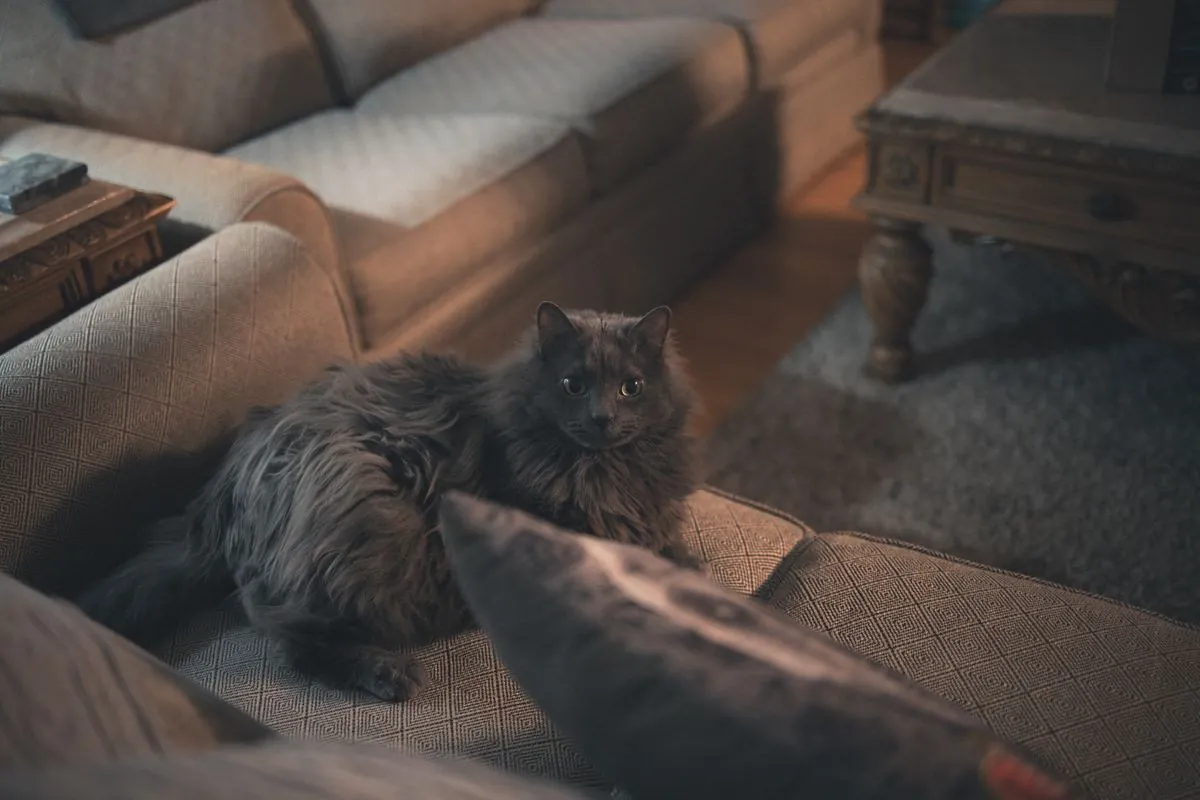
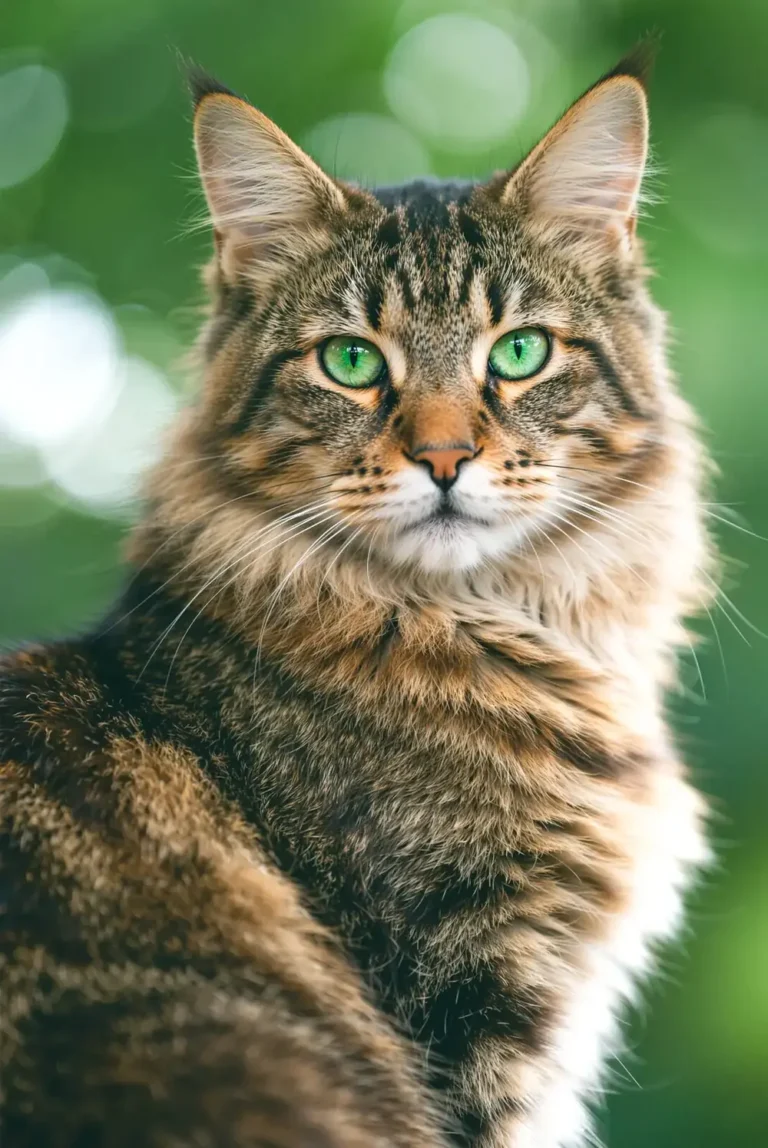
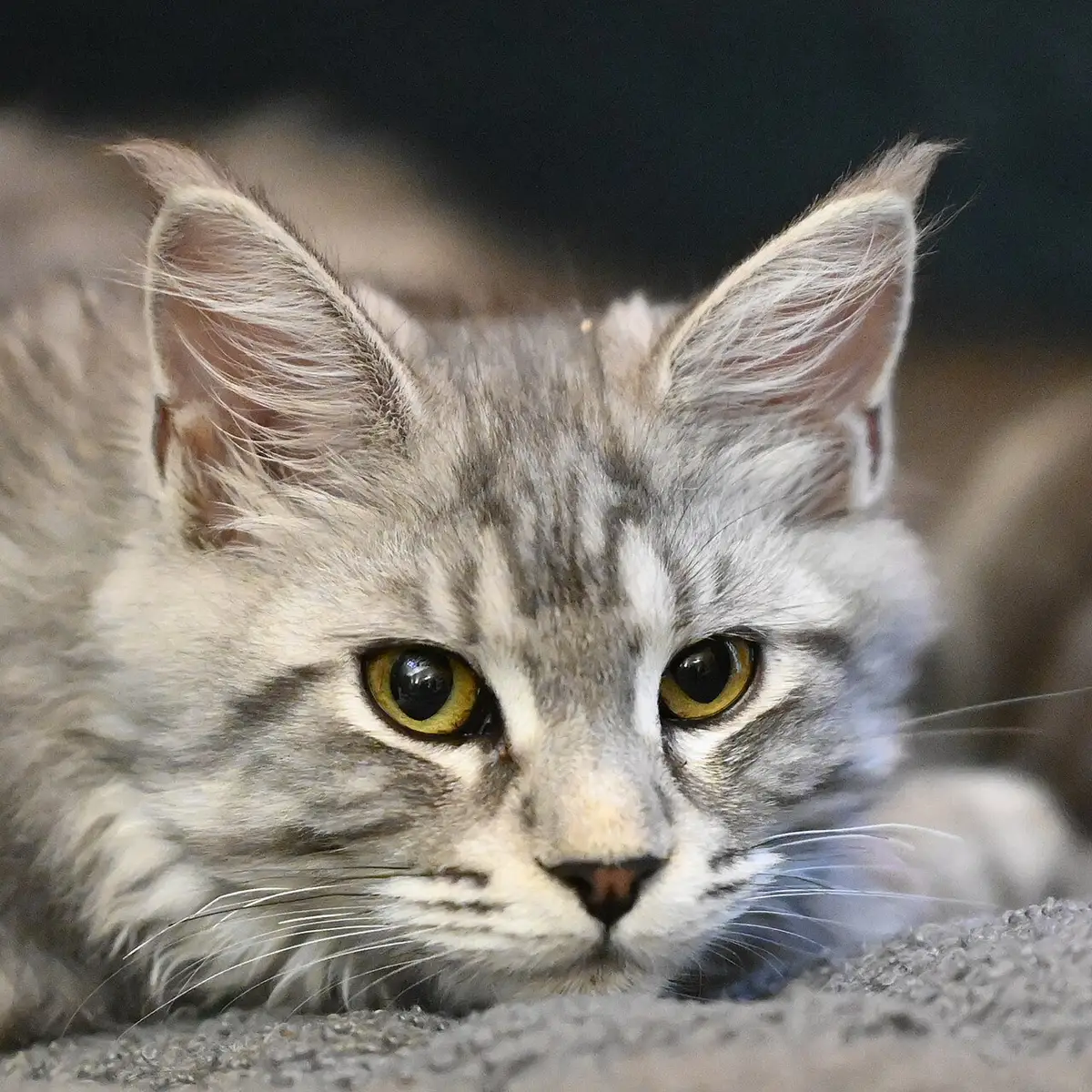
A full-grown male Maine Coon can stretch longer than most people expect, and my own cats regularly surprise visitors. The Cat Fanciers Association describes the Maine Coon as a large, rugged breed with a long rectangular body, tufted ears, and a flowing coat: heavy bone, a big chest, and a tail like a feather duster.
A Bengal is no small cat either, but the impression is completely different. Bengals are compact, dense with muscle, and built to move. They look like a miniature leopard because the breed was developed generations back from a cross between a domestic cat and the Asian leopard cat. The International Cat Association recognises the Bengal among its championship breeds, and the coat is the showpiece: bold rosettes or marbling in brown, silver, or snow, with a glittered effect that catches the light.
Practically, a Maine Coon needs a bigger everything: litter box, cat tree, bed, and carrier. A Bengal needs height more than bulk: wall shelves, tall trees, and the top of the fridge.
Maine Coon vs Bengal Temperament: Steady Companion vs Restless Genius
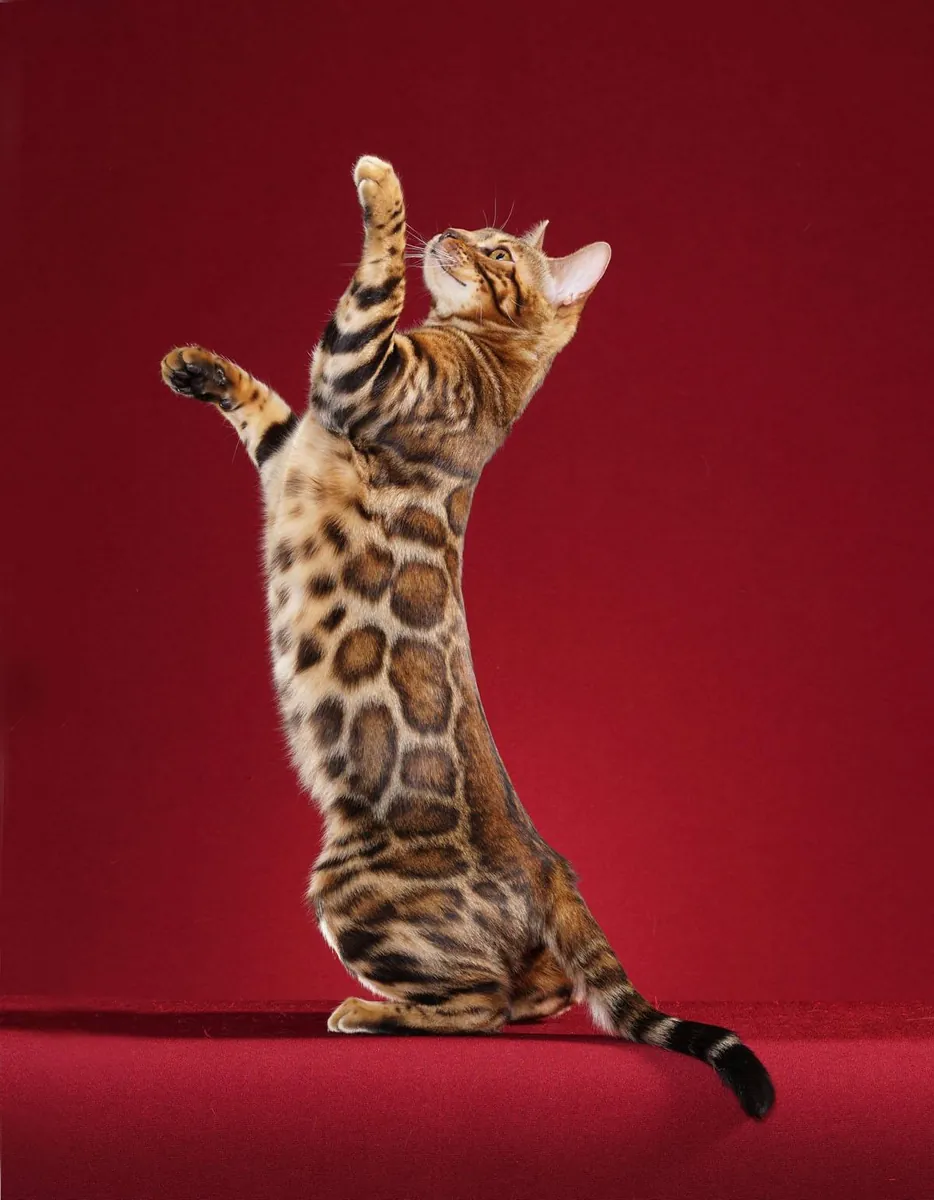
Temperament is where the maine coon vs bengal decision is really made, and where I have the strongest feelings as a Maine Coon owner.
My Maine Coons follow me from room to room, greet me at the door, and settle beside me in the evening. They are social without being demanding, and affectionate without being clingy. They chirp and trill, flop down for a belly rub, and tolerate a busy household with a patience that still amazes me. My guide to Maine Coon personality traits goes into the chirps, the following, and the dog-like loyalty in detail.
A Bengal bonds just as deeply, but the bond looks different. Owners on Reddit describe Bengals as tiny spotted supervisors who never clock out, and that matches everything I have seen. A Bengal watches everything you do, comments on it loudly, and inserts itself into the middle of it. In one owner video, a Bengal leapt onto the fridge, swatted at the family dog through a baby gate, then curled up inside a slipper, while the Maine Coon in the same house took its time and stretched before wandering over.
Bengals are also famously clever, and cleverness has a price. They learn to open cupboards, turn on taps, and solve puzzle toys in minutes, then look for the next challenge. Breeders on YouTube recommend rotating puzzle feeders and teaching a Bengal tricks as a daily necessity, because a bored Bengal will redecorate your home. Neither breed suits a home where the cat is left alone all day with nothing to do, but the Maine Coon will usually nap through your absence. A Bengal is more likely to have invented its own entertainment while you were out, and you may not love what it chose.
Energy and Play: An Off Switch vs a Motor That Never Stops
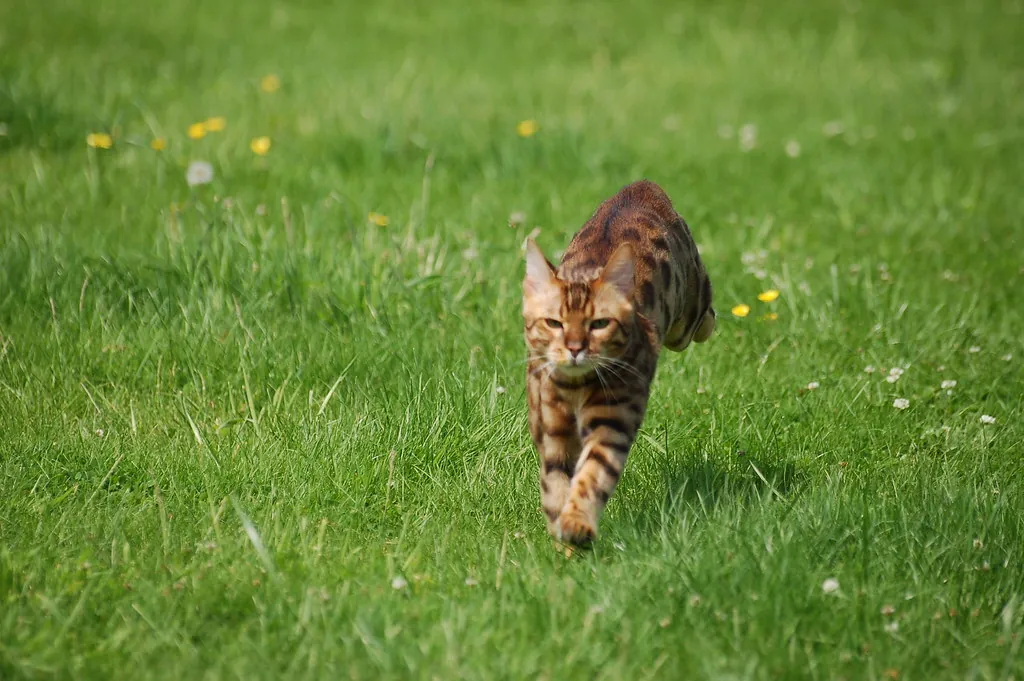
A Maine Coon loves to play. Mine chase feather wands, wrestle with each other, and go through bursts of zoomies. Then they stop. They flop down, they nap, they sit in a sunny spot and watch the world. Two good interactive play sessions a day, plus a scratcher and a window, keeps most Maine Coons content.
A Bengal does not really have that off switch. Owners on Reddit and in Facebook groups talk about 30 to 60 minutes of active play a day as a starting point, plus climbing, puzzle feeders, and ideally a feline playmate. Bengals love water in a way most cats do not, and many will splash at the tap. PetMD notes in its Bengal breed guide that the breed is highly active and intelligent and needs plenty of stimulation, and that is the polite version of what owners actually say.
If you work long hours and want a cat that is happy with a quiet evening, the Maine Coon is the safer choice. If you are home a lot and love interactive play, a Bengal will reward you enormously. Just go in with your eyes open: a Bengal is closer to adopting a very clever toddler than to adopting a cat.
Grooming and Shedding
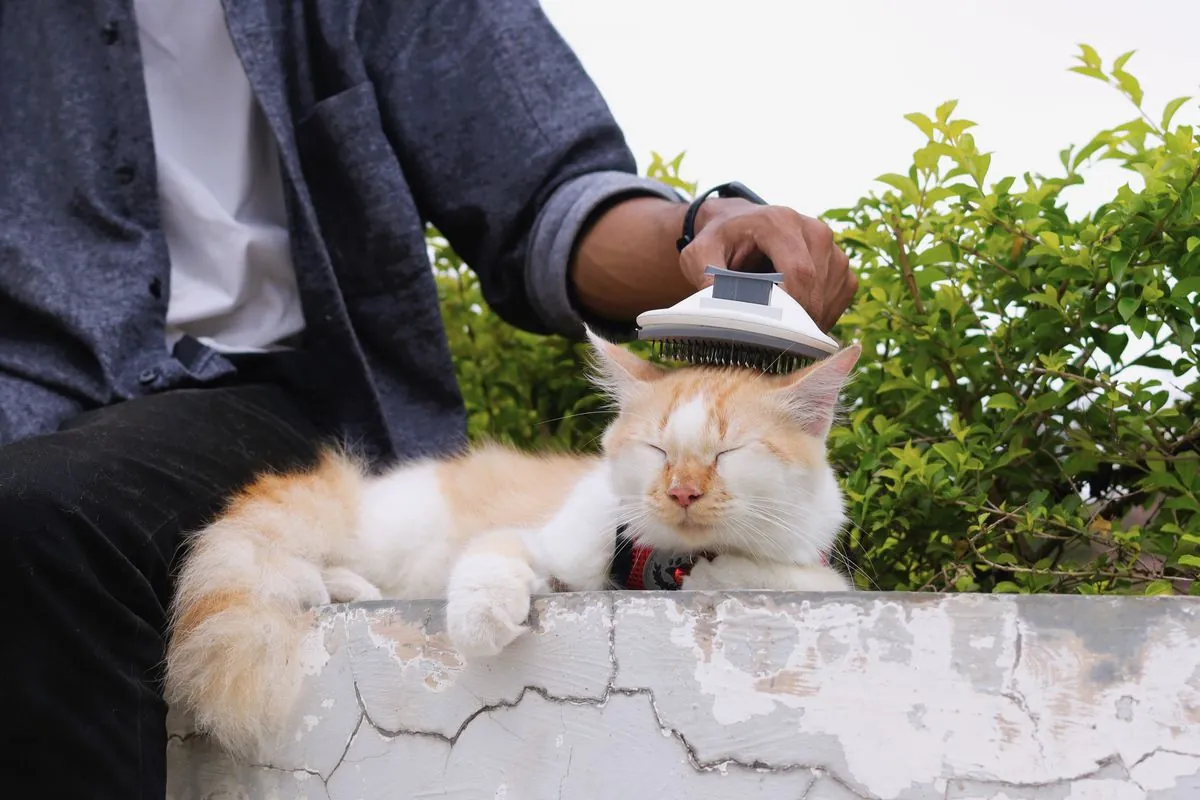
Here the two breeds swap places, and the Bengal wins easily.
A Maine Coon coat is beautiful and it is work. I brush mine several times a week, more in shedding season. The coat mats if you skip grooming, especially behind the ears and under the legs, and a matted Maine Coon is an unhappy cat and an expensive groomer visit. Shedding is heavy in spring and autumn.
A Bengal coat is wash-and-wear by comparison. A quick weekly brush is usually enough, shedding is light, and the short coat rarely mats. If grooming time is a real constraint, this is a genuine point in the Bengal column. The trade is simple: the Maine Coon gives you the fluffy giant and asks for your brush in return; the Bengal gives you a low-maintenance coat and asks for your time and energy instead.
Health and Lifespan: What to Ask Before You Buy
Both breeds live a good long life, roughly 12 to 16 years with decent care, and both have inherited health issues a responsible breeder should screen for.
Maine Coons are prone to hypertrophic cardiomyopathy, a thickening of the heart muscle, as well as hip dysplasia and spinal muscular atrophy. Reputable breeders screen their breeding cats with heart ultrasounds and DNA tests, and you should expect to see the paperwork before you pay a deposit. Cornell University explains hypertrophic cardiomyopathy in cats clearly, and it is worth reading before you talk to any breeder.
Bengals carry their own list. The same heart disease appears in Bengals, and responsible breeders also screen with cardiac ultrasounds. Bengals should additionally be DNA tested for progressive retinal atrophy, which can lead to blindness, and pyruvate kinase deficiency, an inherited anaemia. That testing costs several hundred dollars per breeding cat, which is one reason a properly bred Bengal kitten is not cheap.
For either breed, my rule is the same: if a breeder cannot show you health screening results, registration papers, and a written health guarantee, walk away. A cheap kitten from an untested breeder is the most expensive cat you will ever own.
Cost: Kitten Price and the Years After
Kitten prices move with breeder reputation, coat colour, and your country, so treat any number here as a rough guide. In 2026 guides, a pet-quality Bengal kitten from a registered, health-testing breeder typically costs around 1,500 to 3,500 dollars, with show-quality or rare-colour kittens higher. Maine Coon kittens from reputable breeders sit in a similar broad range. Rescue is the kinder and cheaper route for both breeds if you are patient.
The purchase price is only the first bill. A Maine Coon eats more and needs bigger equipment. A Bengal eats less but needs more enrichment: tall cat trees, wall shelves, puzzle feeders, and replacement toys. Over a 12 to 16 year life, the day-to-day costs of the two breeds come out closer than the kitten prices suggest.
Which Home Fits Which Cat?
Choose a Maine Coon if you want a gentle, patient family cat. They are famously good with children, including younger ones, because they tolerate noise and handling with unusual grace. They usually get along well with dogs and other cats, adapt to apartments with space and a window, and are one of the most forgiving choices for a first-time owner of a large breed. They are also the better pick if you want a lap cat.
Choose a Bengal if you are active, home a lot, and genuinely enjoy a cat that challenges you. Bengals do well with older children and confident, cat-savvy dogs, but they can overwhelm very small children and nervous pets. They can live in an apartment, but only if you build upwards with shelves and trees and commit to daily play. They are not the best first cat for someone who wants a low-effort pet. They are a wonderful cat for someone who wants a hobby as much as a pet.
If you are still torn between the gentle giants, my other comparisons may help: the Maine Coon vs Ragdoll comparison, the Maine Coon vs Norwegian Forest Cat comparison, and the Maine Coon vs Siberian comparison.
Frequently Asked Questions
Which is bigger, a Maine Coon or a Bengal?
The Maine Coon. Males often weigh 13 to 18 pounds with a long, heavy frame, while Bengal males are usually 10 to 15 pounds of dense muscle.
Are Bengals more aggressive than Maine Coons?
Not aggressive, but far more intense. Bengals are high-energy, strong-willed, and quick to demand attention, which can read as pushy. Maine Coons are patient and tolerant by comparison.
Do Maine Coons or Bengals shed more?
Maine Coons shed much more. Their long double coat sheds heavily, especially in spring and autumn, and needs brushing several times a week. Bengals shed lightly and usually need only a weekly brush.
Which breed is better with children?
The Maine Coon, especially with younger children, because of its patience and tolerance. Bengals suit older children who understand how to play with them, but their energy can overwhelm small children.
Which is easier for a first-time cat owner?
The Maine Coon. It is forgiving and adaptable. A Bengal asks for more time, more enrichment, and more patience, and a first-time owner can easily underestimate that.
My Honest Answer
If you want a big, gentle, steady companion who will be your shadow in the evenings and your friend for the next fifteen years, get the Maine Coon. If you want a clever, athletic, endlessly entertaining cat who will keep you on your toes, and you have the time and energy to match, get the Bengal. There is no wrong answer here, only a wrong fit, and the fit is decided by your daily life, not by which cat photographs better.
I chose the Maine Coon life, and I would choose it again. But every time I watch a Bengal scale a bookcase like it is nothing, I understand why someone else would choose the leopard.