Maine Coon Urinary Health: What Every Owner Should Watch For
I did not learn about Maine Coon urinary health from a textbook. I learned it standing in the hallway at night, watching a big cat walk into the litter box for the third time in an hour and wondering why nothing much seemed to be happening. Maine Coons are good at carrying on as normal. They will still come for dinner, still headbutt your hand, still sprawl across the sofa as if they own it. That is what makes urinary trouble so easy to miss at first, and why it pays to know the small changes before they turn into a crisis.
This post is only about the urinary question, not heart disease or sore hips or itchy skin. It covers the signs, the causes, what a vet visit involves, and the daily habits that help.
Maine Coon Urinary Health: The Signs I Learned to Watch
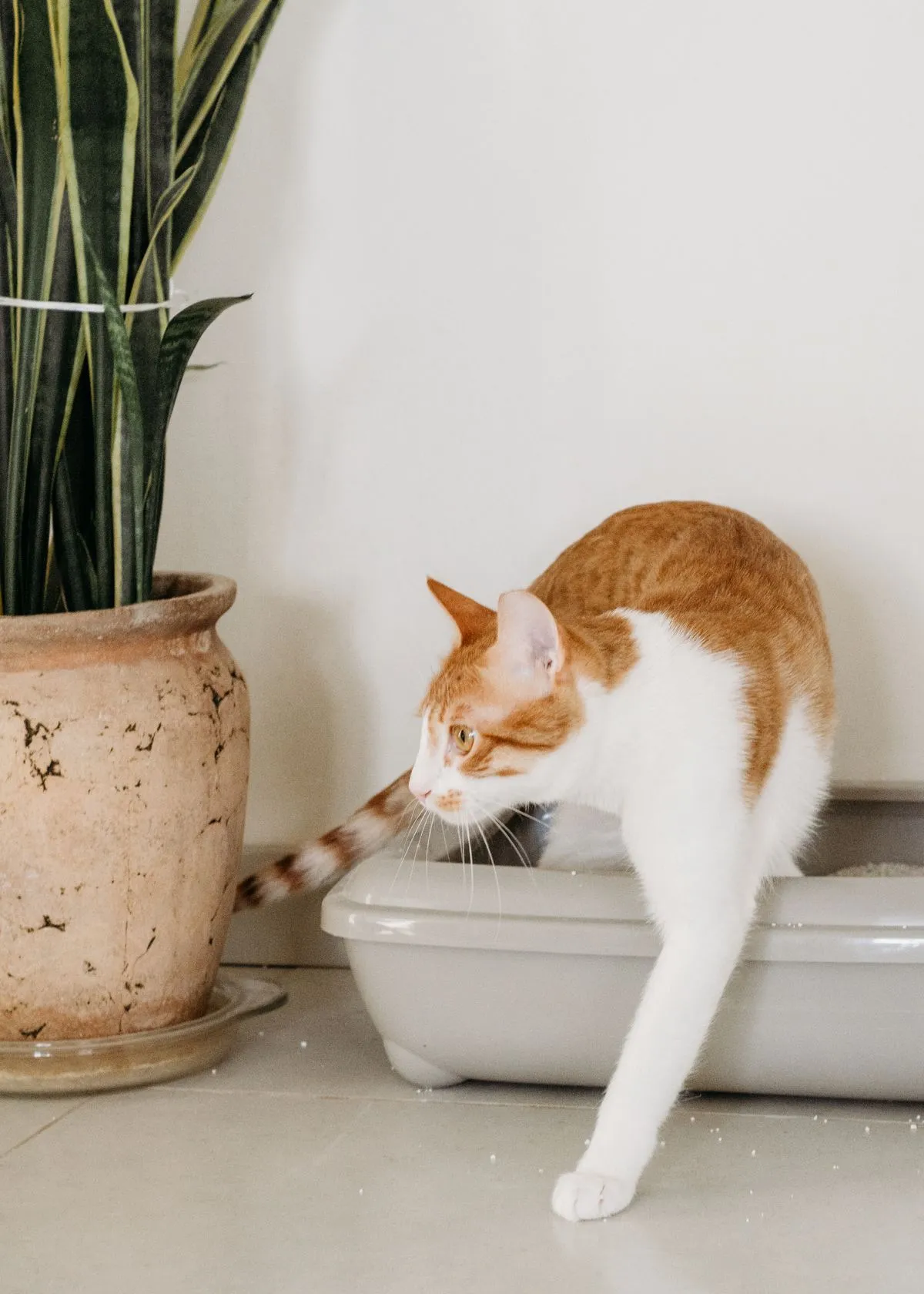
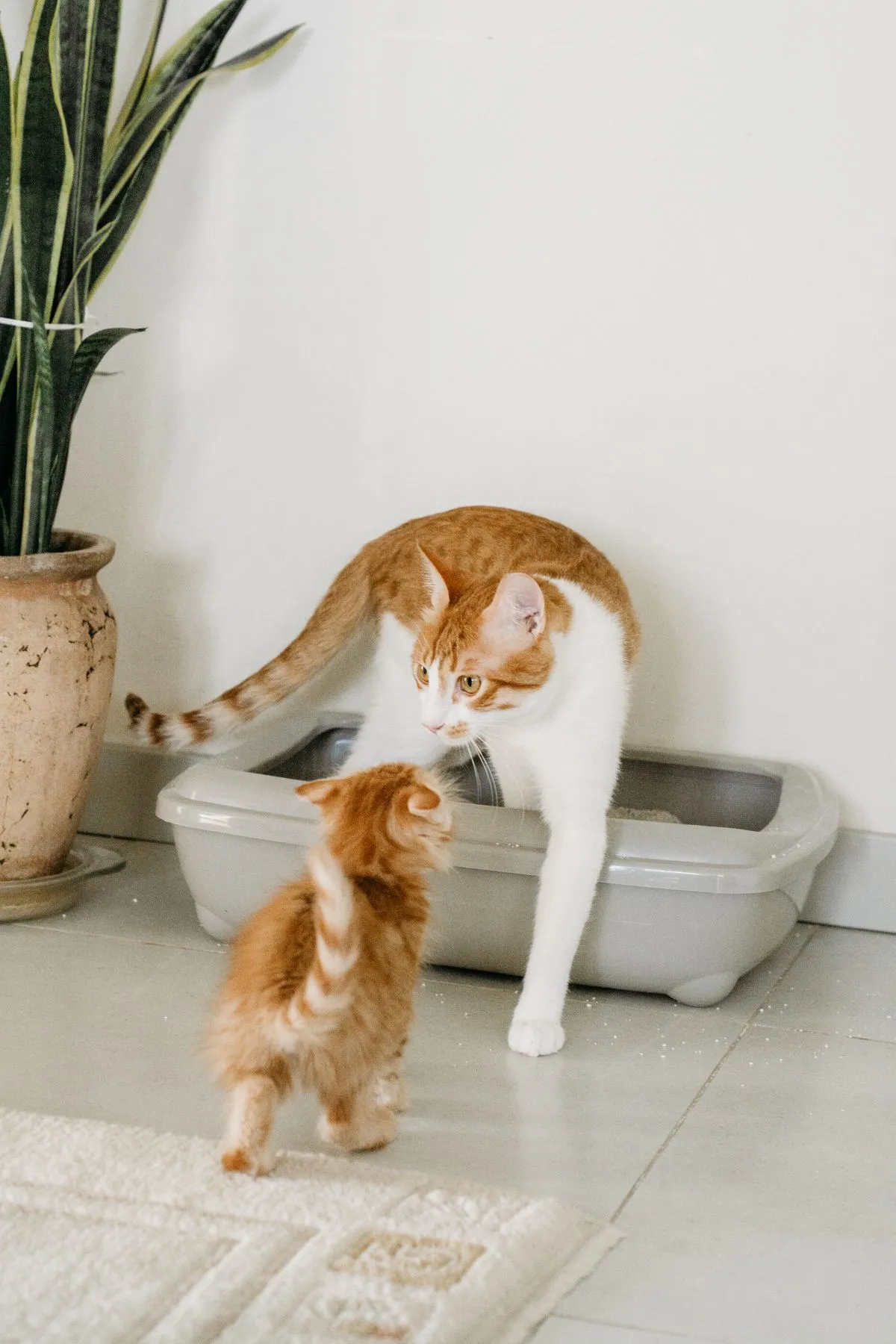
The first sign is usually a change in pattern, not one dramatic moment. A cat who normally pees twice a day starts going back again and again, leaving only small clumps. He crouches for a long time, scratches around, gets out, then goes straight back in. Some cats cry out while they try. Some lick themselves far more than usual afterwards. Some leave pink or reddish urine in the litter, or small spots of blood where they have sat.
Peeing outside the box is another sign owners often misunderstand. A cat who suddenly starts peeing on cool, smooth surfaces like a bathtub or a tiled floor, or who squats in odd corners, is often telling you that peeing hurts or feels urgent. Do not punish that. Punishment only adds stress, and stress can make urinary problems worse.
Owners on Reddit and in Maine Coon groups describe the same early picture: frequent small trips, straining that looks like constipation, and a cat who still seems almost himself in between. That in-between part is the trap. A cat can look fine at breakfast and be in real trouble by evening. Loss of appetite, hiding, vomiting, or a tense belly, together with litter box changes, are reasons to call the vet the same day.
When Straining Becomes an Emergency
Here is the part I want to say plainly, because it matters more than anything else in this article. A urinary blockage is an emergency. If your cat is straining and producing little or no urine, get veterinary help immediately. Do not wait to see if it passes on its own, do not try home remedies, and do not try to press on his bladder yourself.
A blockage happens when the urethra, the tube that carries urine out of the body, becomes closed off by crystals, a small stone, a plug of mucus and mineral material, or swelling. Because urine cannot get out, waste builds up in the blood and the bladder can become dangerously full. Vets describe this as life threatening, and they mean it in hours, not weeks.
Male cats carry the higher risk, and that is simple anatomy. A male cat has a longer and narrower urethra than a female, so it is easier for it to become blocked. Female cats can have urinary problems too, but a blocked male is the classic emergency vets warn owners about. Owners on Facebook who have lived through it often say they wish they had gone in an hour earlier, not an hour later.
Call your vet or an emergency clinic right away if you see straining with little or no urine, repeated trips with nothing to show for them, crying in the box, vomiting alongside litter box trouble, or no pee at all for a day. If you are unsure whether your cat has peed, treat that as a reason to call, not to wait.
What Causes Urinary Trouble in Cats
Vets group many of these problems under one umbrella term: feline lower urinary tract disease, or FLUTD. It is not one single disease. It is a set of conditions affecting the bladder and urethra that tend to look very similar from the outside, which is why a vet visit matters. Guessing at home rarely gets you to the right cause.
The most common cause in younger and middle-aged cats is feline idiopathic cystitis, inflammation of the bladder without a clear infection or stone behind it. Stress plays a large part here. A house move, a new pet, building work, a change in routine, tension between cats, or a dirty or badly placed litter box can be enough to set off an episode in a sensitive cat. Maine Coons look laid back, but they notice changes in the house far more than people give them credit for.
Crystals and stones are the next cause to understand. Tiny mineral particles can form in urine and irritate the bladder lining. The two types owners hear about most are struvite and calcium oxalate. Left alone, crystals can clump into plugs or grow into bladder stones, and a plug or stone can block the urethra. Concentrated urine makes this more likely, which is why water intake matters so much.
Bacterial infections are less common as the first cause in younger cats than many owners assume, and more likely in older cats. Tumours and structural problems are uncommon, but they are part of why a vet may want imaging rather than prescribing over the phone. Overweight, indoor cats who move little and drink little are often described as higher risk. If weight is a question in your house, our guide on whether your Maine Coon is overweight can help you judge condition honestly.
What a Vet Visit Usually Involves
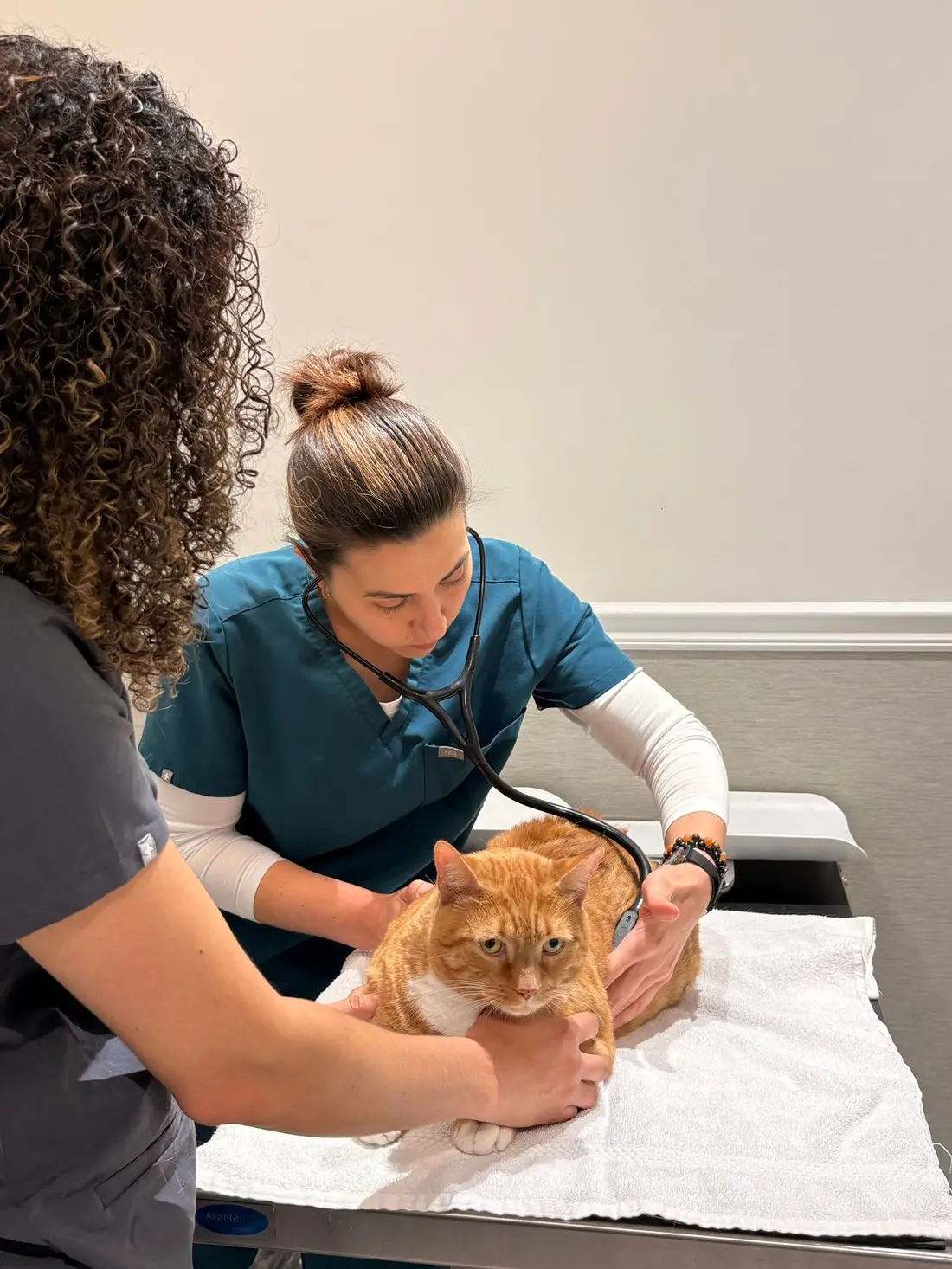
Your vet will usually start with a physical exam and questions about what you have seen: how often your cat is trying, how much urine is coming out, whether there is blood, and whether anything has changed at home. A urine sample is often the next step. It can show blood, crystals, inflammation, or infection. Blood tests may follow, especially if a blockage is suspected, and an X-ray or ultrasound may be used to look for stones.
If a blockage is found, treatment is a veterinary job, full stop. It usually involves passing a thin catheter up the urethra to relieve the blockage, fluids through a drip, and a stay in the clinic for monitoring. A cat who has blocked once is at risk of trouble again, and your vet will usually talk through diet, water, and stress changes before discharge.
For cats without a blockage, treatment depends on the cause. Some need a prescription diet, some need pain relief while inflammation settles, and some need no drug beyond time, a calmer environment, and more water. That is why I would never borrow another cat’s prescription or diet on the strength of a forum post.
Bring a note if you can: when the signs started, how many box trips you have seen, whether any urine was passed, and any changes at home.
Prevention at Home: Water, Boxes, Weight, and Calm
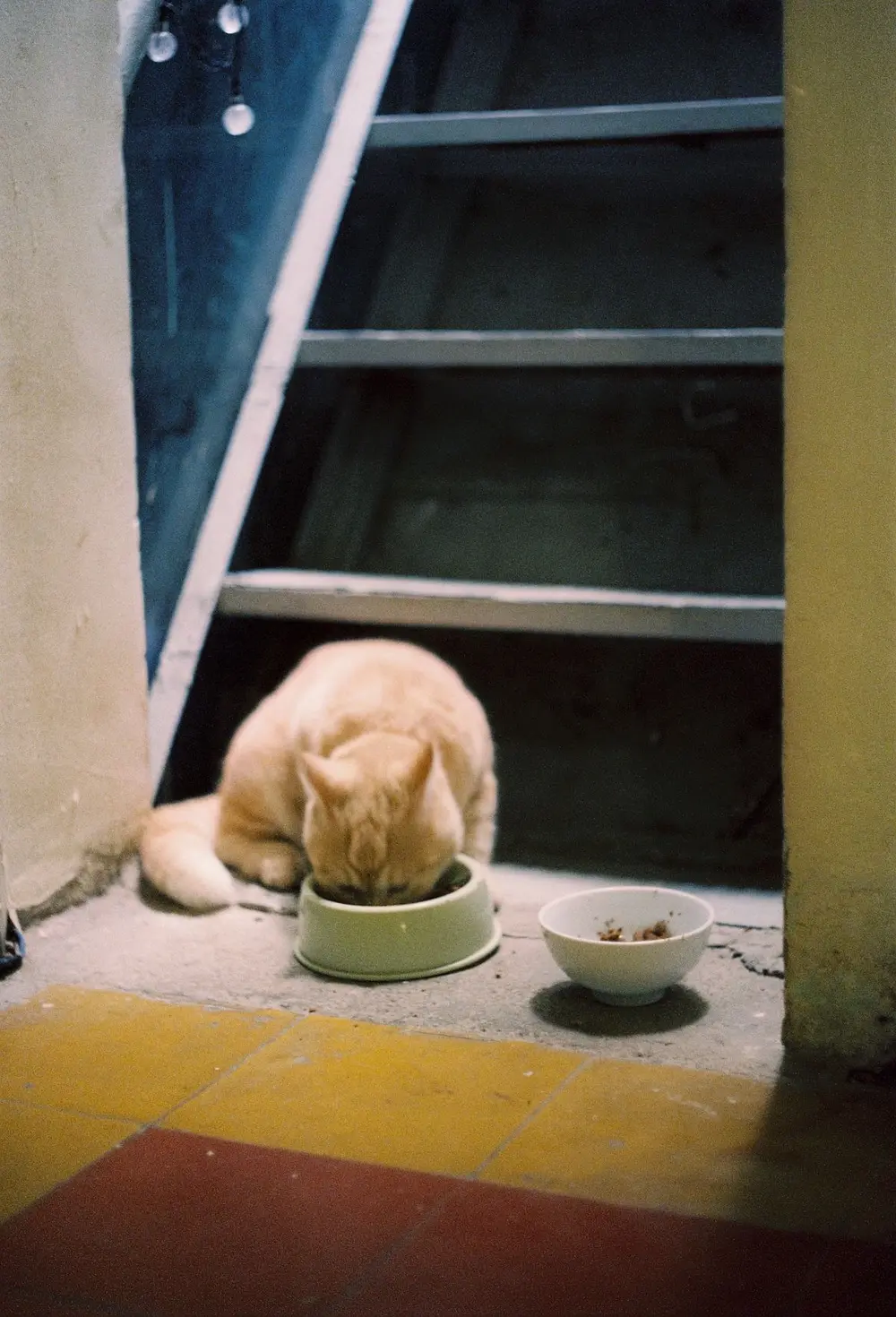
Prevention will not guarantee that a cat never has urinary trouble. Some cats are simply prone to it, and some episodes happen despite good care. But the daily habits at home are the part we can control, and they make a real difference over months and years.
Water comes first. Cats are not naturally big drinkers, and Maine Coons are no exception. Fresh water every day, bowls in more than one spot, and bowls kept away from food can all help. Many owners on Reddit say their cats drink far more from a running fountain than from a still bowl, and breeders on YouTube often recommend the same. We have a closer look at choosing one in our guide to Maine Coon water fountains. Wet food is another simple way to add moisture. Diet changes should be discussed with your vet, especially if your cat already has crystals or stones.
Litter box setup matters doubly for a big cat. A Maine Coon needs a box he can turn around in comfortably. The usual rule is one box per cat, plus one extra, in quiet spots where a cat does not feel cornered or watched by another pet. Scoop daily. Our guide to the best litter boxes for Maine Coons covers size and placement in more detail.
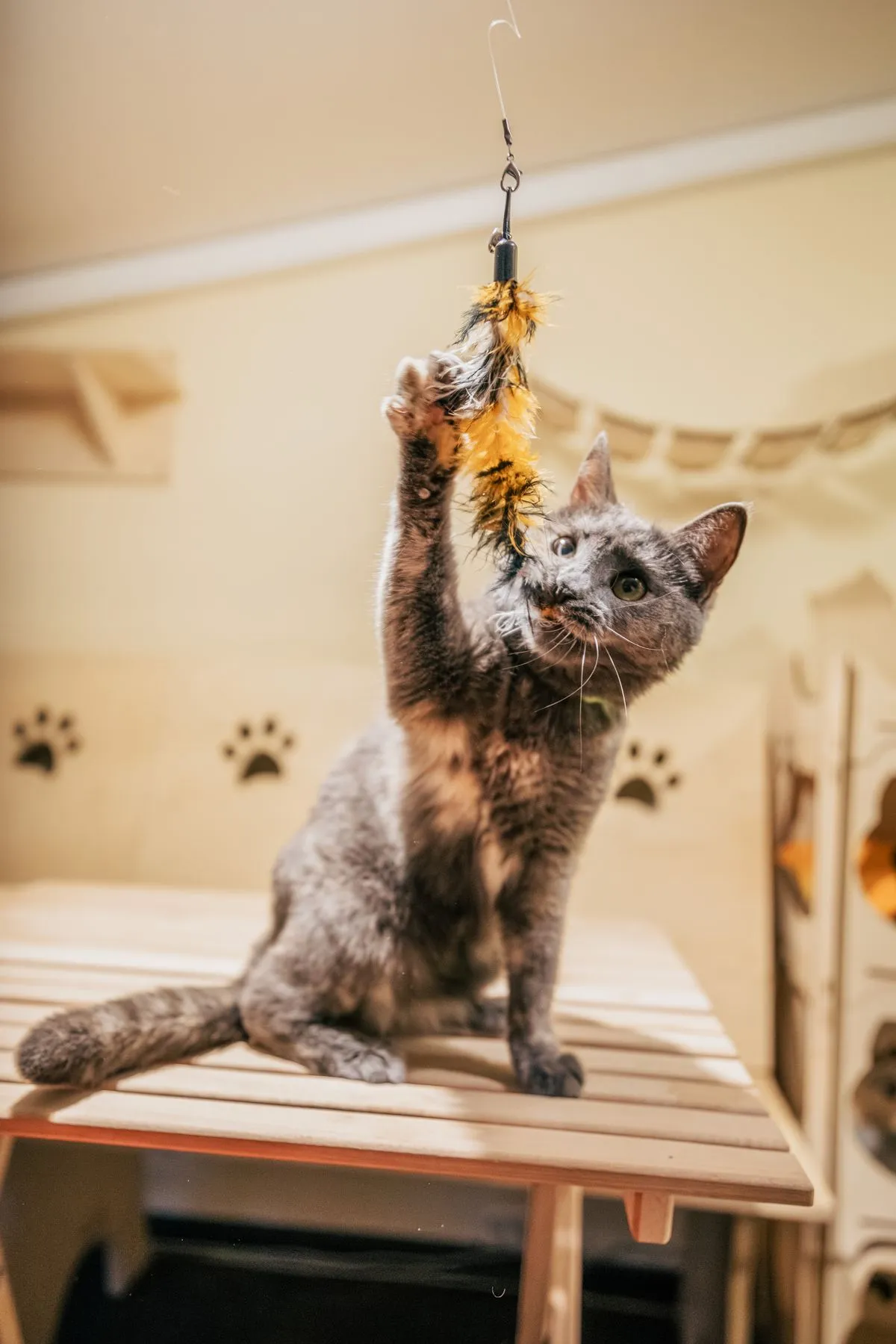
Weight, movement, and stress complete the picture. A feather wand before dinner and a perch with a view help a big indoor cat stay mobile, and weight should come off slowly and with vet guidance. Keep routines steady where possible, give each cat a safe resting place away from other pets, and introduce changes gradually. After a move or a new arrival, watch the litter box more closely for a week or two. For wider context, our overview of Maine Coon lifespan and health issues puts urinary trouble alongside other breed health questions.
Living With a Cat Who Has Had an Episode
If your cat has already had a urinary episode, you will probably watch the litter box differently from now on, and that is understandable. Keep the routine your vet recommended, keep water fresh and easy to reach, and watch for the same signs returning: frequent small trips, straining, crying, blood, or peeing outside the box.
Keep a simple record for the first weeks after treatment, even just a note on your phone: when did he pee, how much, was there blood, is he eating and playing normally? If signs return, call early. An early call for a cat who turns out to be fine is always better than a late call for a cat who is blocked. A urinary episode does not mean you failed your cat. These conditions are common and cats hide discomfort well. What matters is what you do when you notice a change.
For reliable background reading, the Cornell Feline Health Center explains feline lower urinary tract disease, VCA Animal Hospitals covers cystitis and lower urinary tract disease in cats, and PetMD sets out the signs of feline lower urinary tract disease.
Frequently Asked Questions
Is urinary trouble common in Maine Coons?
Urinary trouble is common in cats in general, and Maine Coons are not exempt. Male Maine Coons carry the same blockage risk as other male cats. That does not mean every Maine Coon will have a problem, but owners should know the signs.
How do I tell straining to pee from constipation?
Both look similar: crouching, pushing, and little result. A cat straining to pee will visit the box often, may cry, and may pass only drops. If you cannot tell which it is, and especially if little or no urine is being passed, call your vet promptly.
Can stress really cause urinary problems?
Yes, particularly in feline idiopathic cystitis, where bladder inflammation flares without infection or stones. Changes at home, conflict between cats, or a dirty or badly placed box can all contribute. Reducing stress helps, but it is not a substitute for veterinary care when signs are present.
Will a water fountain or wet food prevent urinary problems?
More water helps by diluting urine, and many owners find a fountain or wet food increases intake. Neither guarantees prevention, and neither treats a blockage or an infection. Talk to your vet about diet if your cat has had crystals, stones, or a blockage.
What should I do if my cat cannot pee at all?
Treat it as an emergency and contact a vet or emergency clinic immediately, day or night. Do not wait until morning, do not try home treatment, and do not try to empty the bladder yourself.
If you take one thing from this article, let it be this: know your cat’s normal litter box routine, so you notice the day it changes. That small habit is the earliest warning system you have.