Maine Coon Eye Care – Tearing, Discharge and Gentle Cleaning
I learned Maine Coon eye care one sleepy morning at a time. My Maine Coon would come downstairs with a small dark crust at one eye, blink at me, and get straight on with breakfast. Most days, that was all it was. Some days the tearing looked different, and I had to ask whether this was normal or time to call the vet. That difference matters more than any cleaning routine.
This guide covers what I check, what I do when the eyes need a wipe, and what I leave to the vet. It is care at home, not diagnosis, and nothing here replaces a vet seeing your own cat.
Maine Coon Eye Care Basics
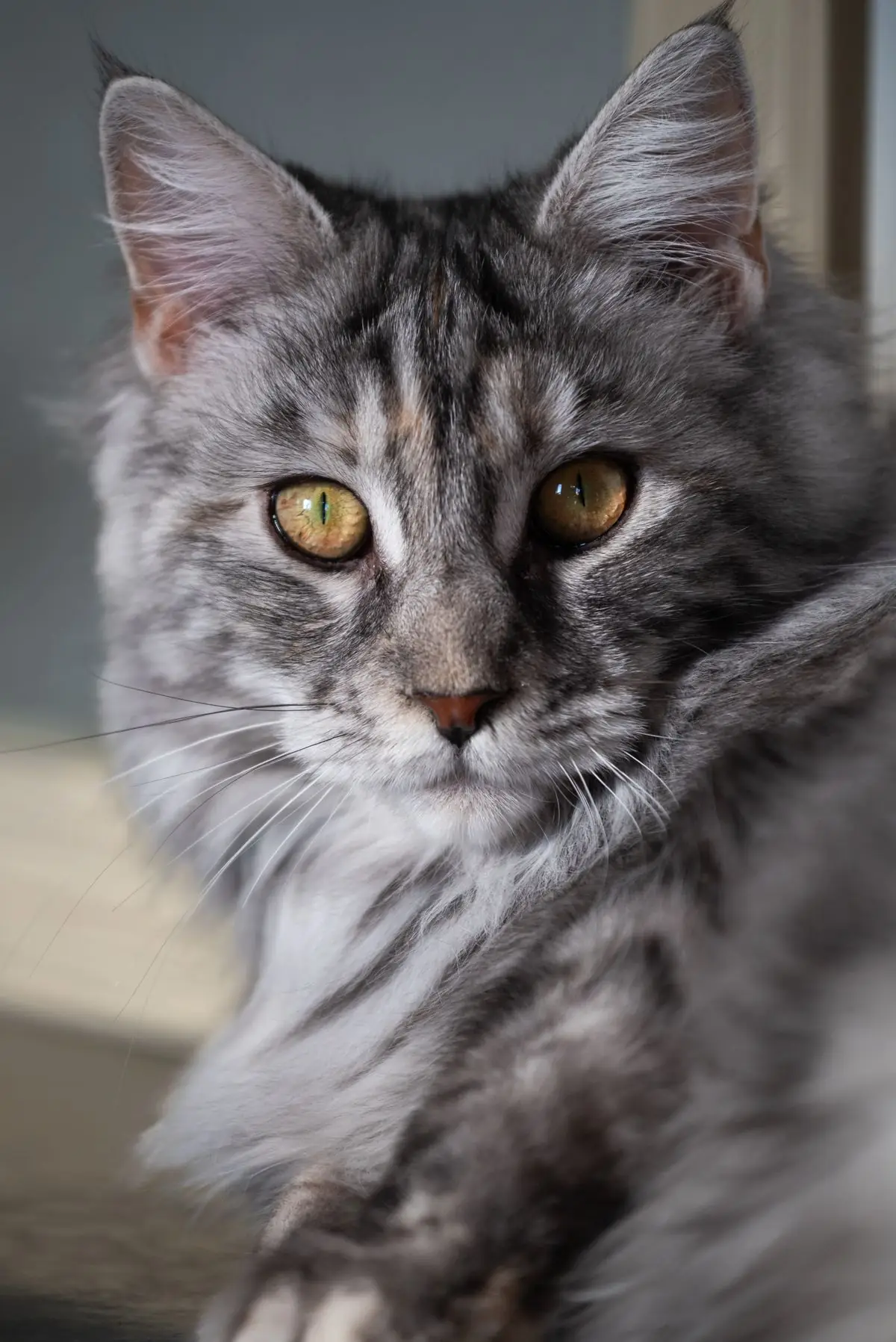
Healthy cat eyes are usually bright, open comfortably, and free of heavy discharge. A little clear tearing now and then, especially after sleep or dust, can be normal, while persistent or heavy tearing often needs attention. That split has guided me ever since: clear and occasional is one thing, thick, coloured, or persistent is another.
Owners on Reddit describe the same pattern. Many mention a small amount of morning crust, a wet corner after a nap, or tears drying into a reddish-brown mark on lighter fur. Others describe one eye watering while the other stays dry, often with sneezing or a runny nose. The first kind usually clears with a gentle wipe. The second makes me watch more closely, because one-sided tearing plus other signs is not something I explain away on my own.
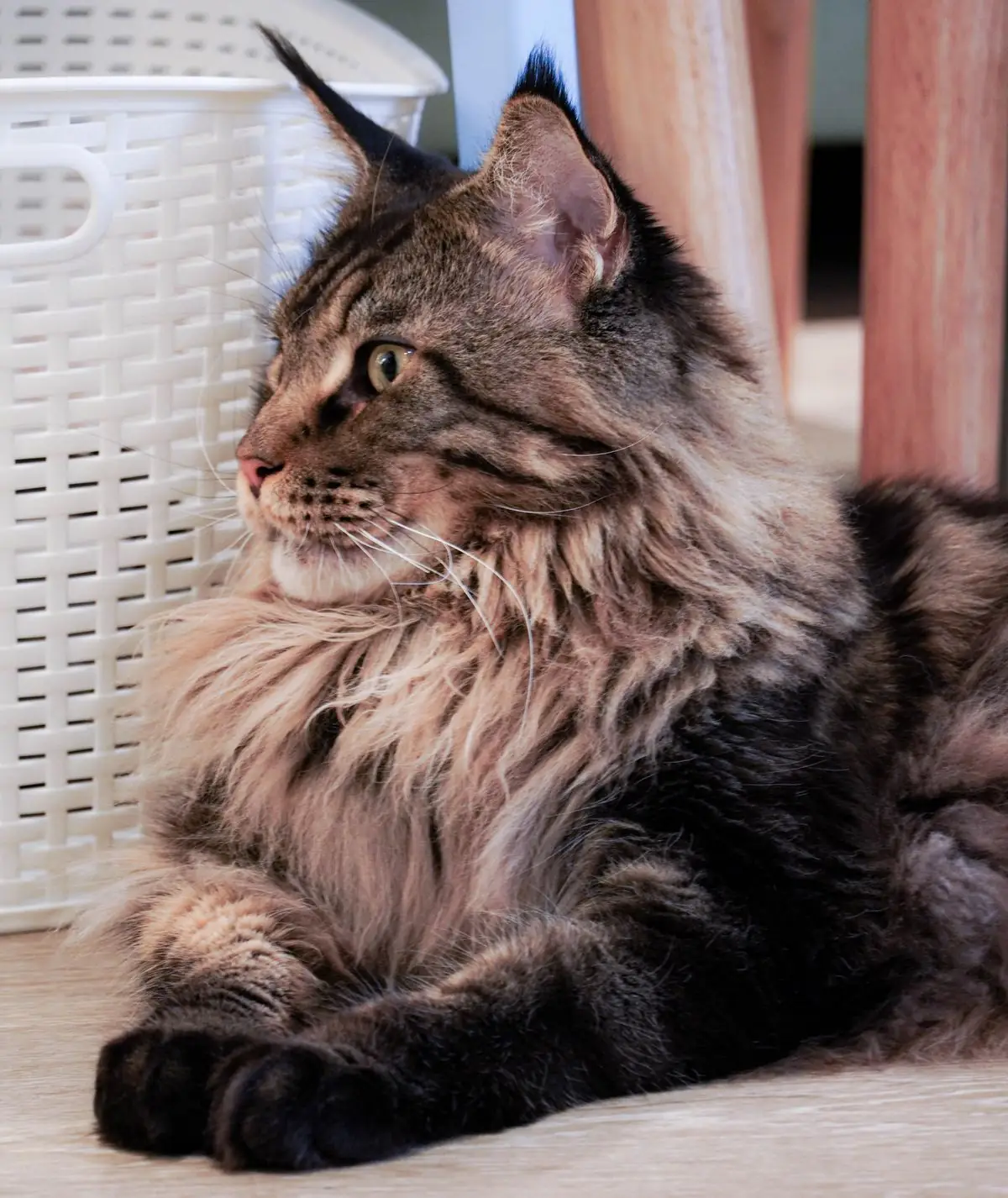
Maine Coons add a practical wrinkle: long coats shed, cheek fur drifts near the eyes, and they push their faces into blankets and windowsills. Dust and loose fur can irritate the eye surface briefly, so a quick daily look catches most of it before it dries into a crust.
What Normal Tearing Looks Like
Normal tearing is quiet. The eye looks comfortable, opens fully, and blinks normally, with no pawing at it. The moisture is clear and watery, or dried into a small, dark crust at the inner corner, often after sleep and then gone for the day. Appetite, play, and energy stay the same. If I wipe it away and the eye underneath looks clear and calm, I relax.
Tear staining is separate from the symptom. Tears can leave a reddish-brown mark when they sit on fur and meet the air, especially on white or cream coats. Owners on Reddit often ask whether the colour itself means infection. On its own, a stain does not answer that. What matters is how much tearing there is, whether it is new, one eye or both, and whether the eye looks sore.
Compare your cat with your cat, not photos online: always slightly watery after naps is different from dry last week and wet every day now.
Discharge That Worries Me
I do not diagnose or guess a condition from colour alone. I do use colour, thickness, and behaviour as a prompt to call the vet. Thick, yellow, or green discharge is more concerning than clear, watery tearing, and discharge that keeps returning or seals eyelids shut is more concerning than a single morning crust.
The signs that move me from watching to calling are straightforward: squinting, holding an eye closed, or pawing at it; redness or swelling; a cloudy look to the eye; sneezing with discharge, a runny nose, loss of appetite, or lethargy. If the eye looks injured or my cat suddenly cannot open it, I do not wait until tomorrow.
Eyes can look only mildly irritated while still being painful, and cats are good at carrying on. When I am unsure, I call, and the vet decides whether the cat needs to be seen that day.
A Gentle Cleaning Routine That Works at Home
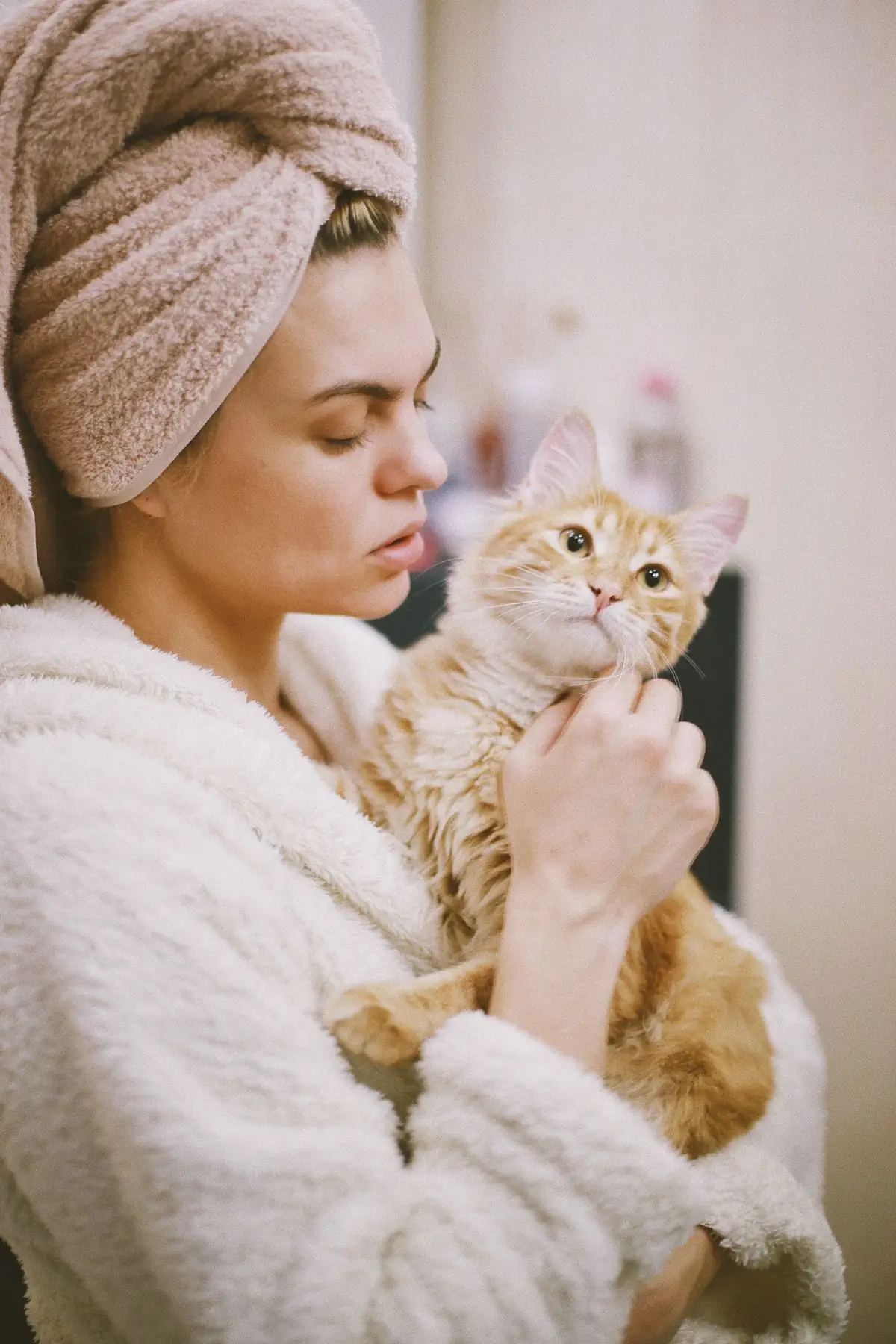
Cleaning is the part most owners overthink. It needs no special equipment and should never be a wrestling match. I keep it short, calm, and part of grooming, so my cat does not learn to dread it. If your cat hates it, stop and try again later rather than forcing it.
For a comfortable eye with a little crust or tearing, wash your hands, dampen a clean soft cloth or cotton pad with plain warm water, and wring it out well. Hold it against the crust for a few seconds so it softens, rather than scraping, then wipe gently outward, away from the eye. Use a fresh section or pad for the other eye.
I fold this into brushing time: a few strokes of the brush, a quick eye check, a gentle wipe if needed, then a treat. Mine needs a check most mornings and a wipe a few times a week. Cleaning more often does not fix a cause, and if discharge keeps returning despite wiping, that is information for the vet.
I never cut close to the eye itself; trimming there is better left to a groomer or shown by the vet first.
What I Never Put Near the Eyes
I never use leftover eye drops, another pet’s drops, or human eye drops, and I never start a medication because a forum post suggested it. Do not use human eye drops unless your own vet has directed it for your own cat; what helped one cat can harm another, especially if the eye surface is scratched in a way you cannot see.
I also avoid scented wipes, makeup removers, essential oils, and anything fragranced near the face. Plain warm water and a clean cloth do the job for ordinary crust and tearing. If your vet recommends a specific product, ask them to demonstrate it first.
Kittens, Seniors, and Multi-Cat Homes
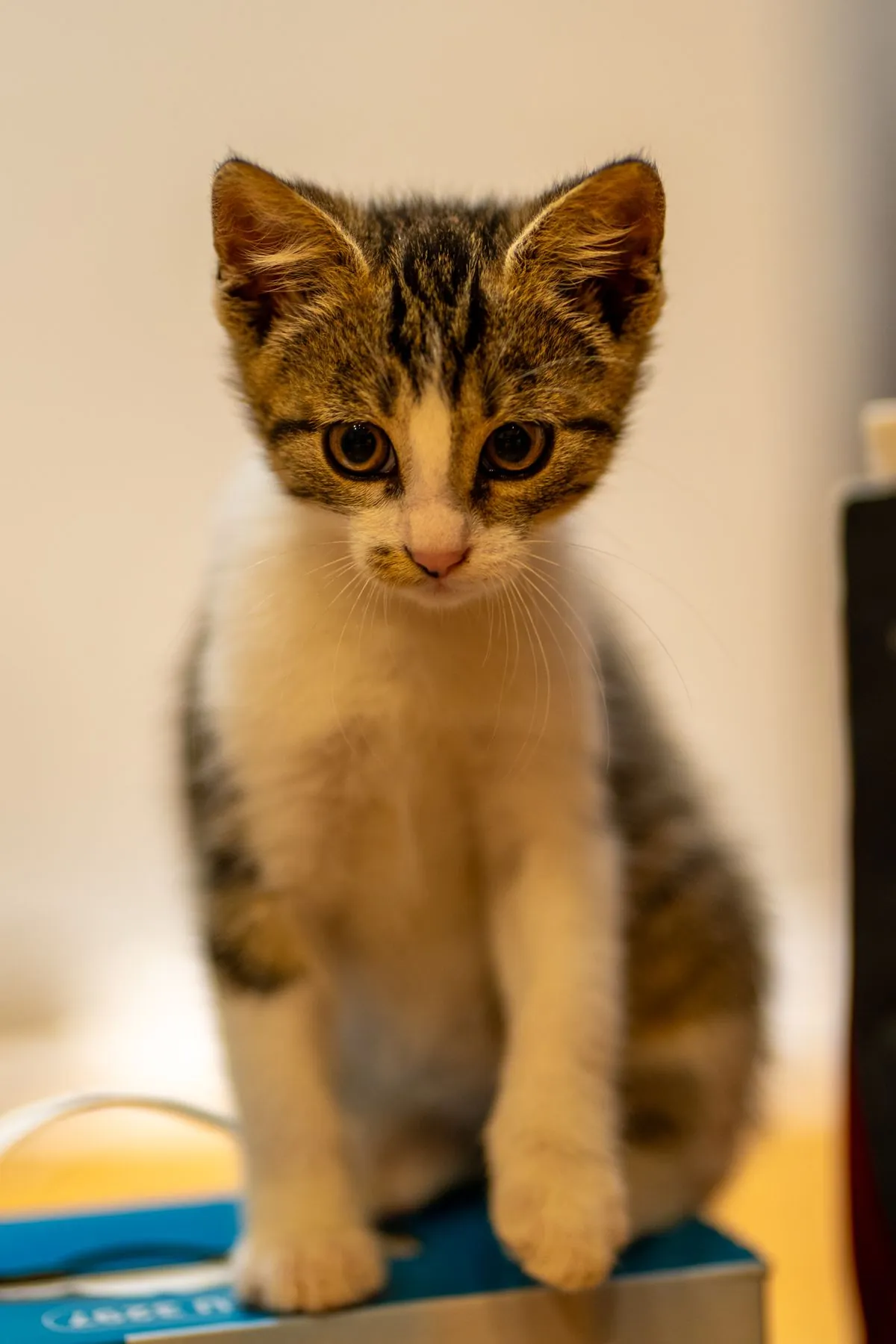
Kittens deserve a closer watch, because infections spread quickly in a litter or a new home. A kitten with discharge plus sneezing, a runny nose, or a drop in appetite should be seen promptly, and eyelids that stick shut need same-day help. If you have just brought a kitten home, the checklist in your Maine Coon kitten’s first vet visit covers the questions worth asking, including what to mention about eyes, breathing, and appetite.
Seniors I watch differently too. An older Maine Coon who starts tearing more, or whose eyes look duller, may simply be ageing or may need a check. I note when it started, one eye or both, and what else changed, which makes the vet visit far more useful.
In a multi-cat home, I watch the pattern: one cat watery after a dusty litter change is one story; two cats with discharge and sneezing in the same week points to something shared. I use a fresh cloth per cat.
Keeping Eyes Comfortable Day to Day
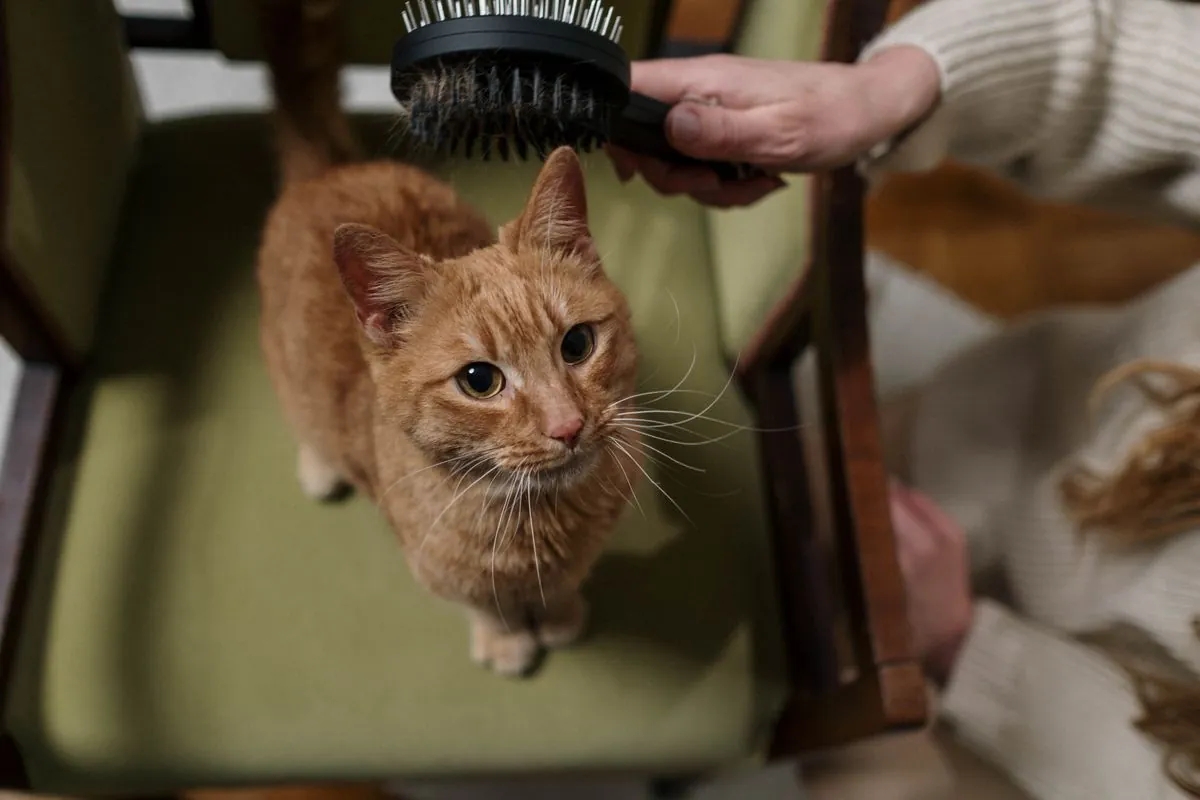
Most eye comfort work is about the home, not the eyes. Dusty litter, strong cleaning sprays, scented candles, diffusers, and cigarette smoke can all irritate eyes, and owners on social media often trace a flare-up to a new candle or litter. I change litter slowly, ventilate after cleaning, and keep strong sprays away from sleeping and grooming rooms.
Regular brushing helps too, keeping loose fur out of the face and giving me a daily chance to look. See also common Maine Coon grooming mistakes.
Ears and eyes live close together, and owners often check them in one sitting. I keep the jobs separate: ear cleaning has its own products and warning signs. Read the Maine Coon ear care guide alongside this one, and use a different cloth for ears and eyes.
Also watch light and movement: avoiding bright rooms or skipping a favourite perch can be an eye clue, even when the eyes look fine.
When to See the Vet Now
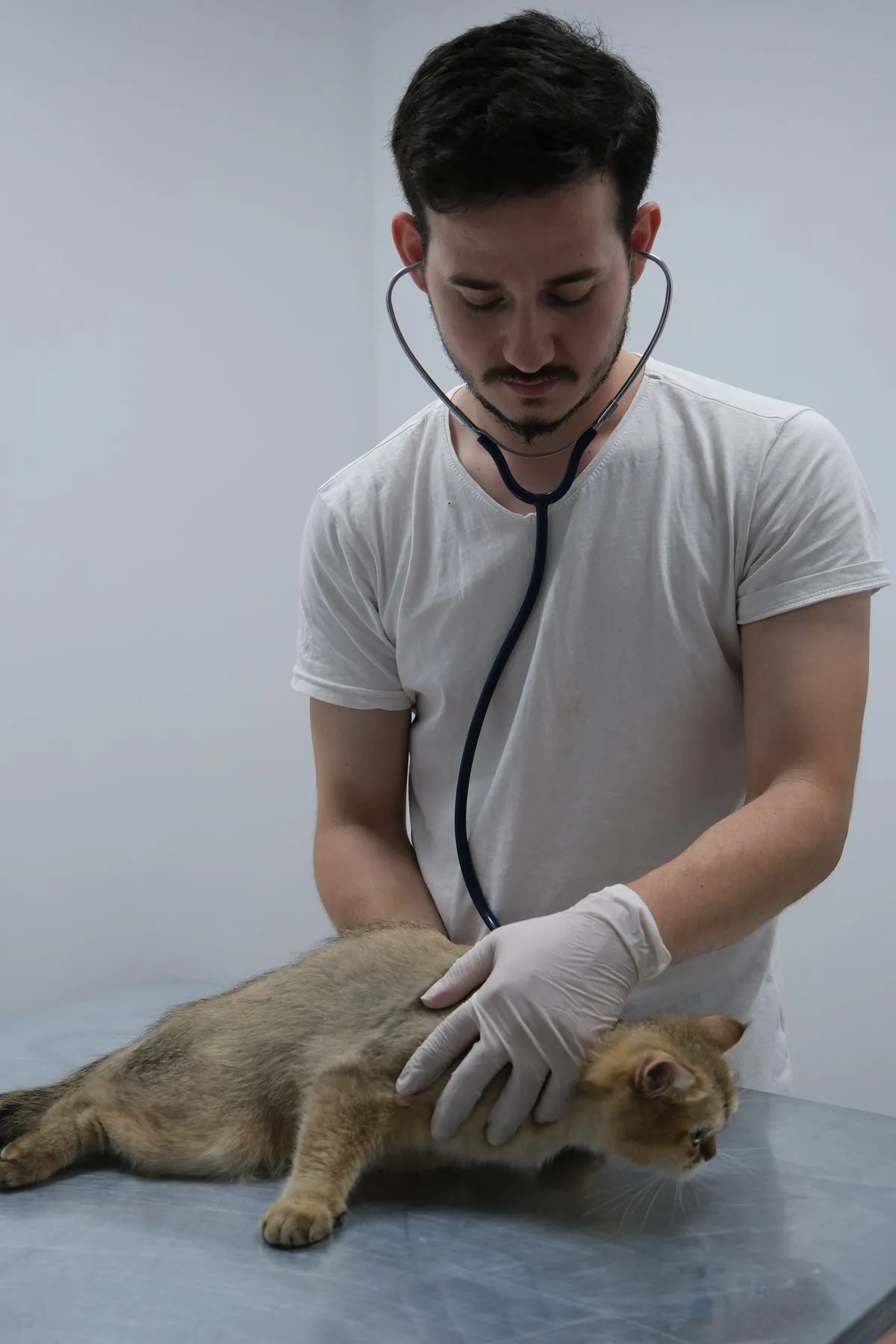
I keep a short list on my phone, because worry makes memory unreliable. Call the vet promptly, and seek same-day care if needed, when you see any of these:
- Thick, yellow, or green discharge, or discharge that keeps returning through the day
- One or both eyelids swollen, red, or stuck shut
- Squinting, holding an eye closed, pawing at the eye, or obvious discomfort
- A cloudy look to the eye, a visible injury, or something stuck in or near the eye
- Eye discharge with sneezing, nasal discharge, loss of appetite, or lethargy
- No improvement after a day or two of gentle cleaning, or any worsening at any point
- A kitten with eye discharge plus sneezing, poor appetite, or sealed-shut eyelids
That list is not a diagnosis. It is a threshold: below it, I watch and wipe gently; above it, I call. Cornell, VCA, and PetMD all make the same practical point — eye discomfort plus discharge, squinting, redness, or swelling is a reason to contact your vet, so more serious problems can be ruled out.
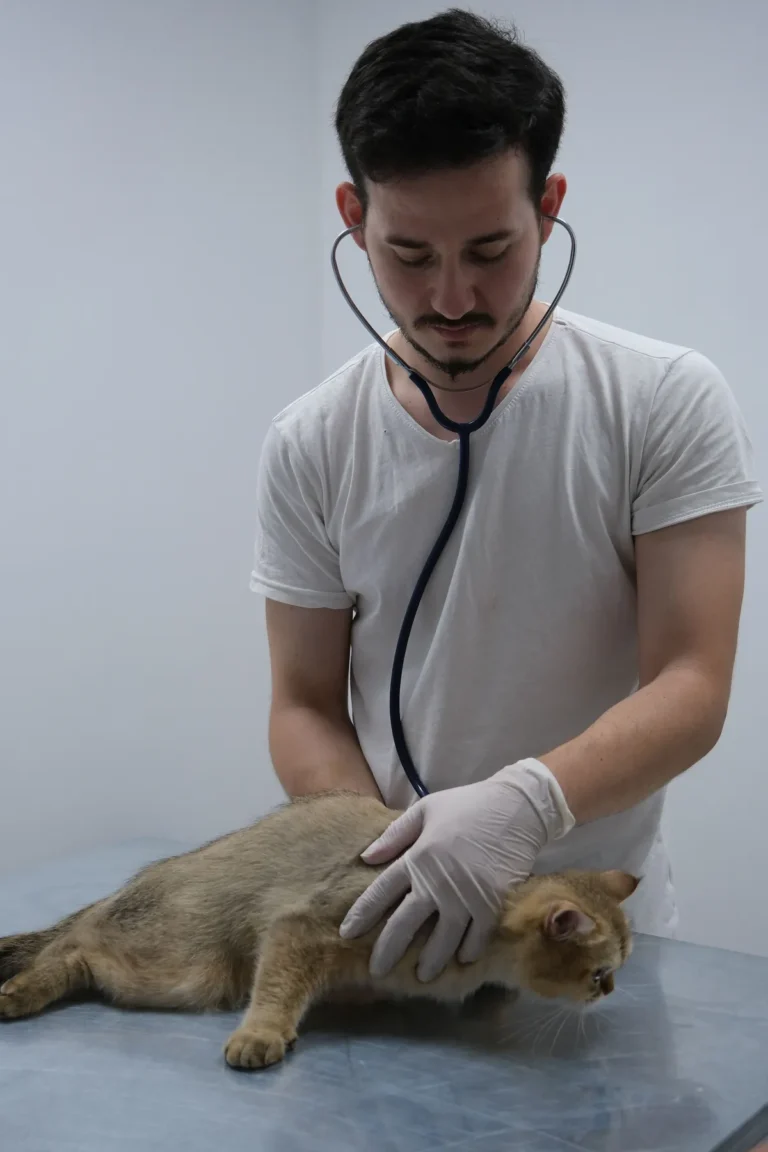
At the visit, the vet will examine the eye and ask when it started and what changed. My job is clear notes: when, one eye or both, what the discharge looked like, and what else changed.
Frequently Asked Questions
Is a little eye discharge normal for a Maine Coon?
A small amount of clear tearing or a little morning crust can be normal, especially after sleep. It is worth a vet call when it is thick, coloured, persistent, or comes with squinting, redness, or swelling.
Why does my Maine Coon have reddish-brown tear marks?
Tears can dry into a reddish-brown mark, particularly on lighter coats. The stain alone does not prove infection; persistent or increasing tearing still deserves a vet check.
How do I clean my Maine Coon eyes safely?
Use clean hands, a soft cloth dampened with plain warm water, and a gentle outward wipe. Soften crust first, use a fresh section for each eye, and never use leftover or human eye drops unless your own vet has directed them.
Should I clean my Maine Coon eyes every day?
Only if your cat needs it. A quick daily check and a wipe a few times a week suits many cats. If you are wiping several times a day and discharge keeps returning, call the vet rather than cleaning more.
When should a kitten with eye discharge see the vet?
Promptly, especially with sneezing, a runny nose, poor appetite, or eyelids that stick shut. Sealed-shut eyelids need same-day help. Bring notes on when it started and what else changed.
My Maine Coon still greets me most mornings with a sleepy face and, now and then, a small crust at one eye. I wipe it, check the eye underneath is bright and comfortable, and we get on with the day. That is the whole point: notice early, clean gently, and know where home care stops and the vet takes over. Clear and occasional can be watched. Thick, coloured, persistent, or painful cannot wait.
For what those eyes can look like, without confusing colour with care, see Maine Coon eye colours. Colour is a genetics story; care is a daily habit.
Sources for further reading: Cornell Feline Health Center on conjunctivitis, VCA on feline herpes viral conjunctivitis, and PetMD on watery eyes in cats.