Flea and Tick Prevention for Maine Coons: What Actually Works
Flea and tick prevention for Maine Coons sounds simple until you try it on a cat like mine. You part what feels like an endless sea of fur, squeeze out a spot-on, and wonder whether any of it reached the skin. I have learned that prevention for this breed is less about buying the most popular product and more about matching the product to the cat, applying it properly through that thick coat, and sticking with it. A cat near doors, a catio, or a harness walk can pick up a hitchhiker without ever leaving the garden.
Why Flea and Tick Prevention for Maine Coons Is Harder Than It Looks

On a short-haired cat, a flea is easy to see and a spot-on is easy to place. On a Maine Coon, fleas hide deep in the ruff, the belly fur, and the back legs, and the first sign is often not a flea at all. It is scratching, over-grooming, or tiny dark specks on the bedding that turn reddish on a damp tissue. Owners on Reddit say the same: the coat hid the early signs until the problem was established. So I check my cat slowly with a fine-toothed flea comb, and my notes on common grooming mistakes cover the brushing routine that makes these checks possible.
Fleas are more than an itch. They can cause flea allergy dermatitis, skin infections, and tapeworm infection when a cat swallows a flea while grooming. Cornell explains that fleas can be a particular danger for kittens, and that treating the cat without treating the home rarely works. Ticks can transmit diseases such as haemobartonellosis, and prevention is the best protection. Read Cornell’s guidance on fleas in cats and their tick FAQs for cats for the veterinary background.
The Three Main Options, and How to Choose Between Them

There is no single best product. The three main forms are topical spot-ons, oral treatments, and collars, and your vet should make the final call with you.
Topical spot-ons are the most familiar option, applied to the skin and repeated monthly or at the interval on the label. Revolution Plus is a monthly topical covering fleas, ticks, ear mites, roundworms, hookworms, and heartworm, labelled for kittens from eight weeks old weighing at least 2.8 pounds. Bravecto for cats is longer-acting, protecting against fleas for up to 12 weeks in cats from six months old. The disadvantage, for a Maine Coon, is getting the liquid onto skin through all that fur. Owners on Reddit and in Facebook groups describe the same frustration I have felt: a dose that ends up sitting on the guard hairs and gets groomed off.
Oral treatments suit a different kind of cat. These tablets or chewables, usually monthly, work systemically, so fleas are killed after they bite. Credelio Cat is a monthly chewable covering fleas and black-legged ticks, labelled for kittens from eight weeks old weighing at least two pounds, and it needs to be given with food. Capstar is different: it starts killing adult fleas within about half an hour but only works for around 24 hours, so it is a rescue, not ongoing prevention. The great advantage of an oral product is that there is nothing on the coat to groom off. The disadvantage is the cat: if your Maine Coon spits out tablets like a magician, an oral product you cannot reliably give is worse than a topical you can. Breeders on YouTube say the same: pick the product you can actually give on schedule.
Collars are the long-game option. A Seresto collar, the one owners mention most often, can provide flea and tick protection for up to eight months. But Cornell points out that a collar only works if it is touching the skin, and can fail if it is too loose, a genuine problem under a thick ruff. Owners on Instagram and Threads ask the same safety questions I asked my vet: will it irritate the skin under all that fur, and is it a breakaway collar that releases if it catches? A collar must fit snugly enough to touch skin, with room for two fingers underneath, and it must be breakaway. Views on social media are mixed: some owners love the convenience, others found a collar did not work for their cat.
How do you choose? Ask your vet these four things: indoor-only or outdoor, flea-only or tick cover too, spot-on, chew, or collar, and are there dogs in the house? VCA’s overview of flea and tick prevention and PetMD’s guide to flea and tick prevention and treatment for cats walk through the same trade-offs.
Applying a Topical Through a Thick Maine Coon Coat
This is where most Maine Coon prevention quietly fails, because a spot-on that lands on fur instead of skin is not doing its job. Pick a calm moment, ideally in the evening when your cat is sleepy. Part the fur between the shoulder blades right down to the skin and hold the parting open while you apply. If the fur springs back, make the parting wider. Keep him still for a minute afterwards with a treat. Do not bath him for a couple of days either side of application unless the label says otherwise. Weigh your cat before you buy: Maine Coons keep filling out into their third or fourth year. See my kitten’s first vet visit checklist if you are bringing a new Coon home.
Checking a Giant Cat: What to Look For, and When to Worry
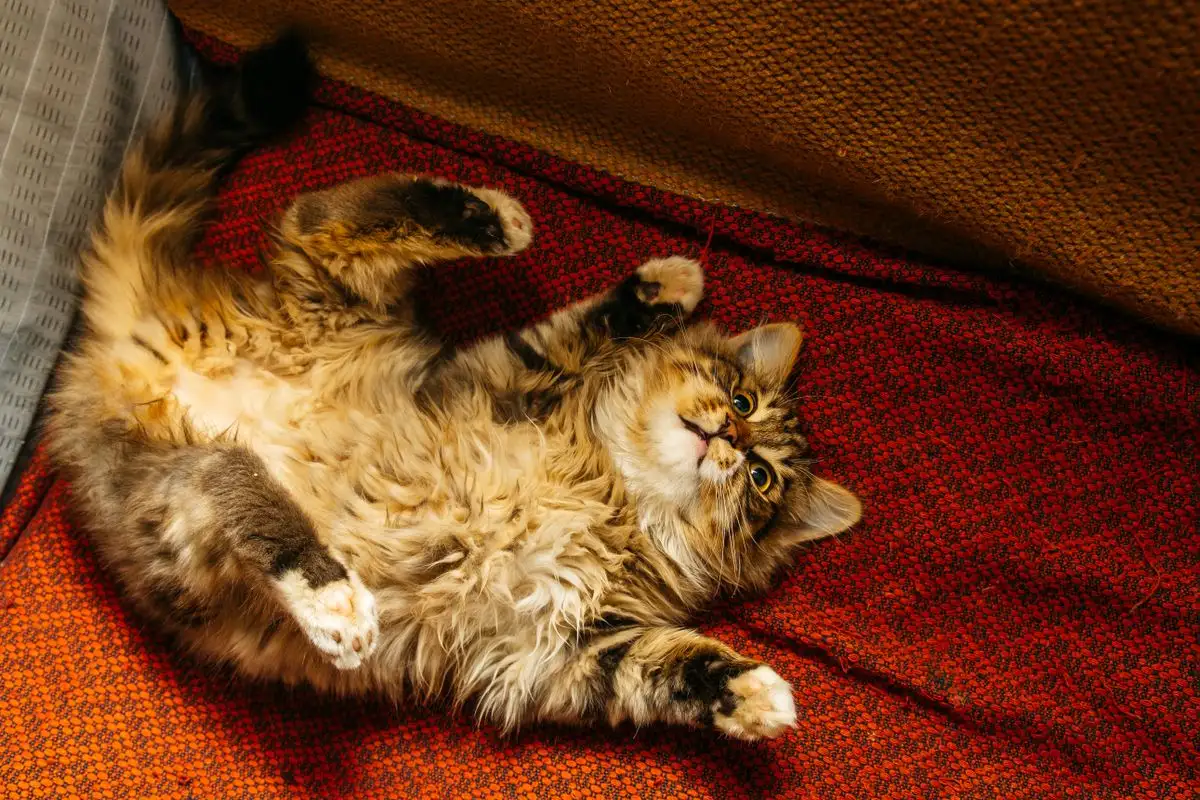
No product is completely effective, Cornell says, so checking after outdoor time is part of the routine. I do a quick check after every harness walk in the warmer months, and a proper comb-through once a week all year. For fleas, look for tiny dark insects moving through the fur, black specks like ground pepper, and specks that turn reddish-brown on a damp white tissue, which suggests flea dirt. Watch behaviour too: scratching at the neck, over-grooming the belly, and small scabs. For ticks, feel for small round bumps on the skin, most often around the ears, neck, armpits, groin, between the toes, and under the tail.
If you find a tick, do not squeeze it. Put on gloves, grasp it with fine-tipped tweezers right where it meets the skin, and pull straight out in one steady motion. Drop it into rubbing alcohol and wash your hands. If you find fleas, treat the cat, every pet in the house, and the home too: wash bedding on a hot wash and vacuum soft furniture thoroughly. A flea problem is almost never just on the cat, because most of the flea population lives in the environment as eggs, larvae, and pupae. If fleas return weeks after a dose, check the basics before switching products: was it applied to skin, on time, in the right weight band, and were all pets treated? Call the vet for raw skin, a flea-infested kitten, or drooling and twitching after a product is applied.
The Safety Rules That Matter Most
Never use a dog flea or tick product on a cat. Many dog products contain permethrin, which is highly toxic to cats. Cats cannot break it down the way dogs can, and exposure can cause drooling, tremors, seizures, and worse. Cornell, VCA, and PetMD all say the same thing, and owners on forums share stories of cats poisoned because someone reached for the dog’s treatment, or because a cat groomed a freshly treated dog. Keep cats away from a dog just treated with a permethrin product until the site is fully dry, and store dog and cat products separately. The same caution applies to natural remedies: Cornell advises against home remedies for parasite prevention, as some can harm cats. If your cat reacts badly to a conventional product, tell your vet and ask for an alternative. Always read the label, and never double a dose without asking your vet first.
Indoor Cats, Outdoor Cats, and the Seasons In Between

Does an indoor cat need prevention at all? My answer is yes, in most cases, and it is the answer my vet gave me. Fleas can hitch a ride indoors on clothes, shoes, another pet, or through an open window. Owners on Instagram say the same about their indoor cats. An indoor cat may need less tick cover than a roaming cat, but flea prevention is still worth discussing with your vet, and year-round prevention is the usual recommendation, because fleas can survive indoors through winter. My notes on whether Maine Coons can go outside cover harness training and catio life. For parasites the rule is simple: more grass and contact with other animals means a stronger case for tick cover. My Maine Coon summer care notes cover the wider warm-weather routine.
Kittens, Seniors, and Cats With Health Problems
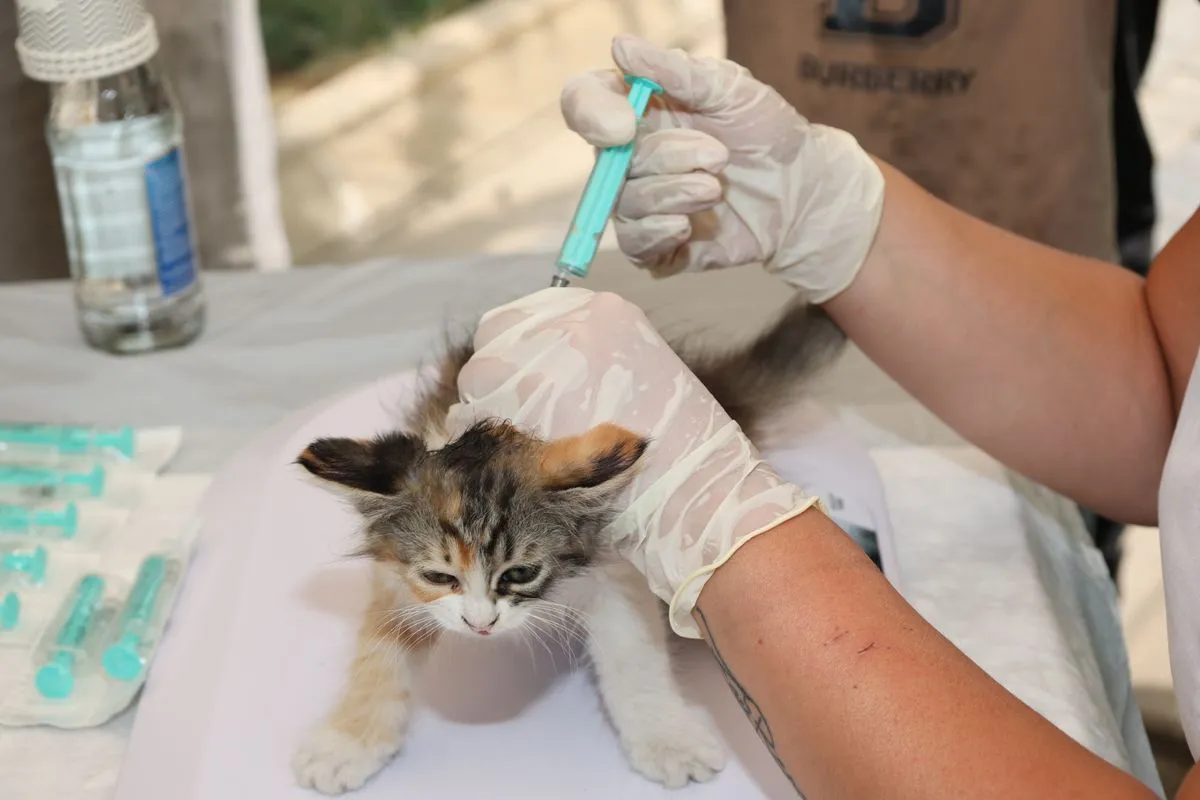
Kittens can usually start prevention from around eight weeks old, depending on the product, but the minimum age and weight vary, so a kitten should never be given an adult cat’s dose. Seniors need different care: an older Maine Coon may have kidney issues or arthritis, and may take medication that interacts with a parasite product. Cats with a history of seizures need particular care around isoxazoline-class products, so mention that history to your vet. Pregnant and nursing queens, cats recovering from illness, and cats with skin conditions all need a vet’s input before you start or change a product.
My Routine, and What I Would Tell a New Maine Coon Owner
Make flea and tick prevention boring. Pick a product with your vet, put the date in your calendar, apply it properly, check your cat weekly with a flea comb, and treat the house as part of the same routine. The owners I trust most found something that suits their cat and stuck with it. Breeders on YouTube say the same: consistency beats novelty.
Frequently Asked Questions
Do indoor Maine Coons need flea and tick prevention?
In most cases, yes. Fleas can come indoors on clothes, shoes, other pets, or through open doors and windows, and they can survive inside through the colder months.
What is the best flea and tick prevention for Maine Coons?
There is no single best product for every Maine Coon. Topicals, oral chewables, and collars can all work, and the right choice depends on your cat’s age, weight, health, temperament, and lifestyle. Ask your vet to help you choose.
How do I apply a spot-on treatment through a Maine Coon coat?
Part the fur between the shoulder blades right down to the skin and apply the liquid directly onto the skin, not onto the fur. Avoid bathing him for a couple of days either side of application unless the label says otherwise.
Can I use my dog’s flea treatment on my Maine Coon?
No, never. Many dog flea and tick products contain permethrin, which is highly toxic to cats and can cause drooling, tremors, seizures, and worse. Only use products labelled for cats.
When can kittens start flea and tick prevention?
Many products can be used from around eight weeks old, but the minimum age and weight vary by product, so always check the label and ask your vet. Never give a kitten an adult cat’s dose.