Why Do Maine Coons Purr So Loudly? Meaning, Science and When to Worry
The first time my Maine Coon settled on my chest and switched his engine on, I laughed out loud. I could feel it through my ribs before I could properly hear it. If you have ever wondered why do Maine Coons purr so loudly, you are not imagining things. Their purr is deeper and fuller than the polite little buzz most cats produce. Owners in Facebook Maine Coon groups joke that their cats sound like small motorcycles idling on their laps. There is a real reason for that sound.
What Is Purring, Actually?
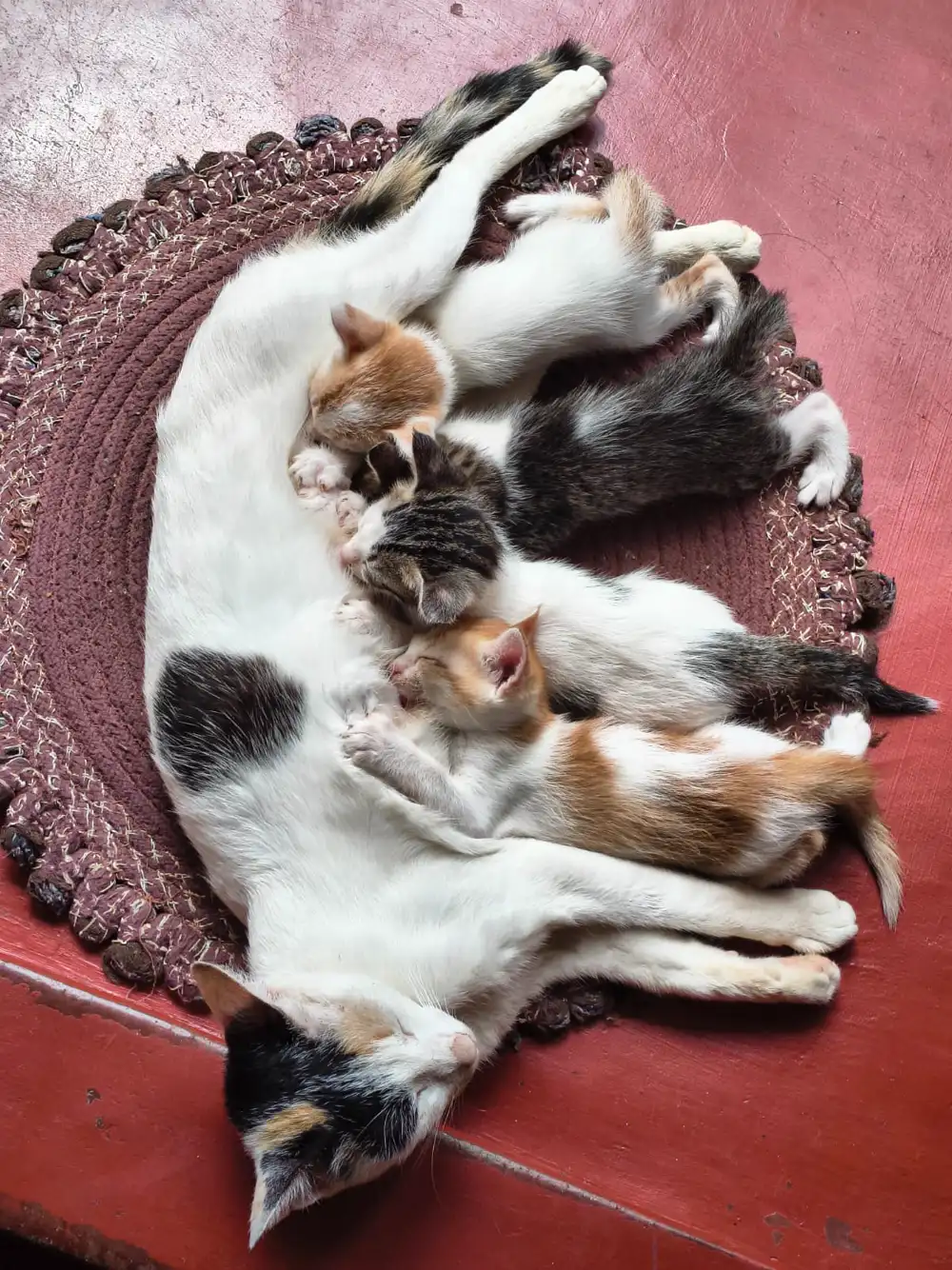
A purr is a low, rhythmic vibration a cat makes while breathing in and out, mouth closed. That sets purring apart: a meow needs an open mouth and a decision, while a purr just rolls on, in on the breath and out on the breath.
Scientists still cannot fully explain how cats do it. The Cornell Feline Health Center admits vets can scan a cat, treat its cancer, and control its asthma, yet still cannot explain the purring mechanism. The leading explanation is that the brain signals the larynx muscles to twitch about 25 to 50 times per second, briefly separating the vocal cords while the diaphragm pushes air across them.
A 2023 study, described by the Cat Fanciers’ Association, complicated the picture: researchers passed air through the larynxes of eight cats that had been humanely euthanised after terminal illness, and every one purred at around 25 to 30 hertz with no muscle contractions at all. The tissue itself could vibrate at purring frequencies on its own. Kittens start purring at only a few days old, while still blind and nursing: the mother’s purr helps them find her.
Why Do Maine Coons Purr So Loudly?
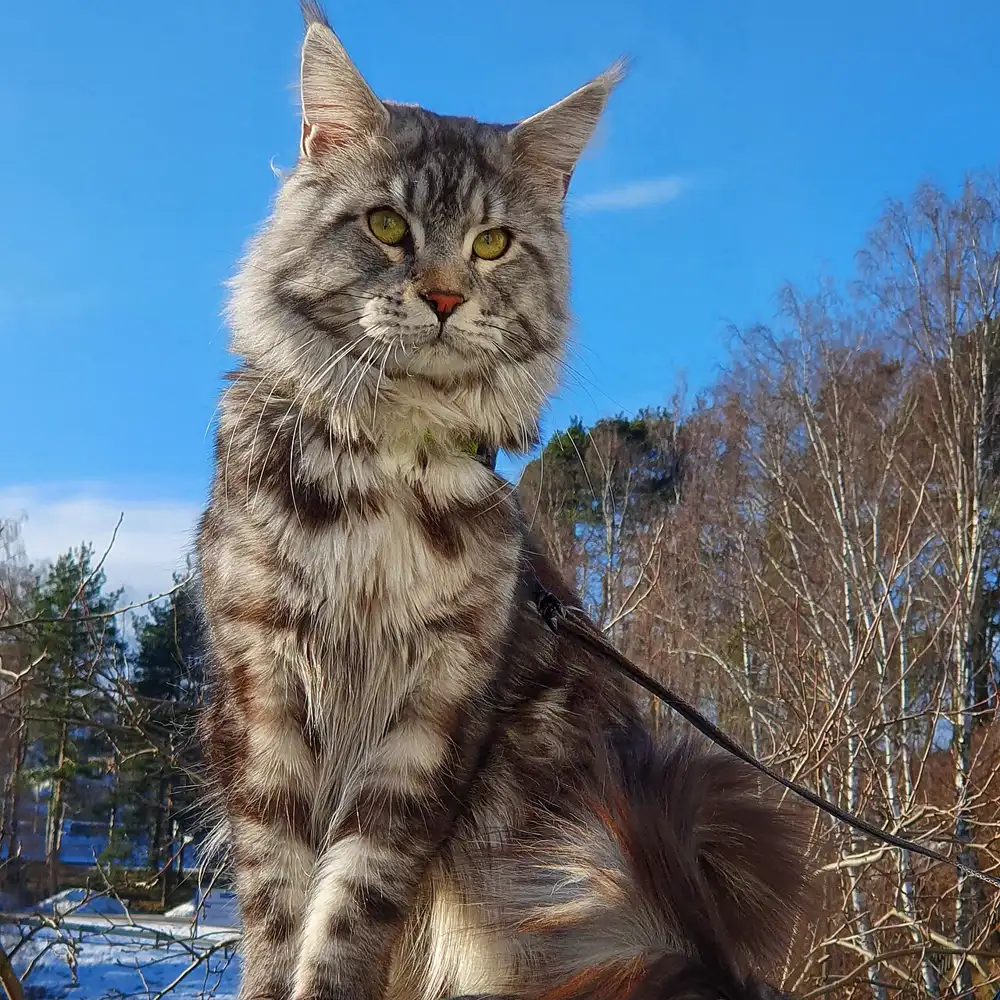
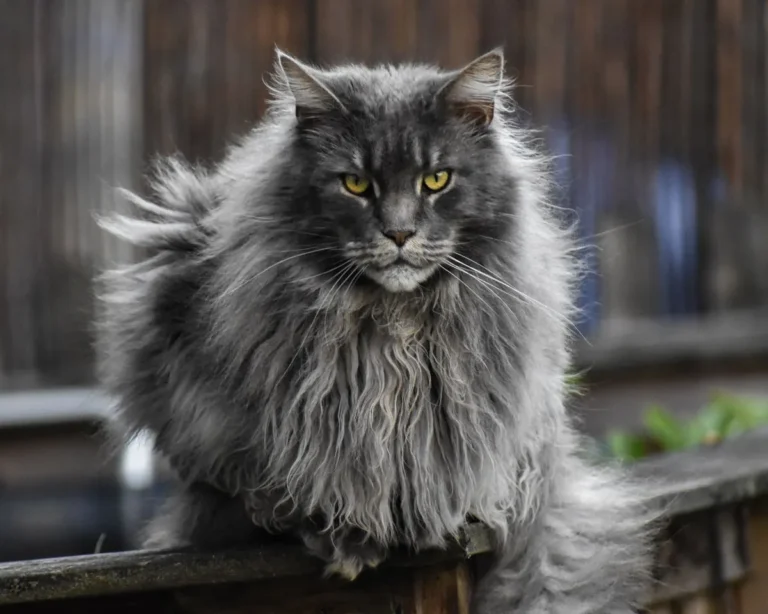
So why does a Maine Coon sound like it has a bigger engine than other cats? Because it does. Maine Coons are one of the largest domestic cat breeds, with a broad chest and far more lung capacity than a small house cat. A larger body moves more air through a larger voice box, making a deeper, louder rumble. That is the simple physics of why do Maine Coons purr so loudly. On owner forums, people describe a kitten’s purr starting out buzzy and high-pitched, almost like a pigeon, then stretching into a long, low rumble as the cat grows. One owner described his big adopted boy’s purr as almost growly, a baritone rather than a tenor. It was nothing to worry about.
Temperament is the other half. Maine Coons are famously social cats that follow their humans from room to room and settle on laps that were not offered. Purring is largely directed at us rather than at other cats, so a breed that spends more time pressed against its people is heard purring more often. Breeders and owners on YouTube say the same: these cats are chatty, so their purrs are on display all day.
Volume varies from cat to cat, and that is normal too. Cornell notes that some cats purr so faintly you have to press your ear to them, while others can be heard in the next room.
Purring vs Chirping and Trilling: Don’t Mix Them Up
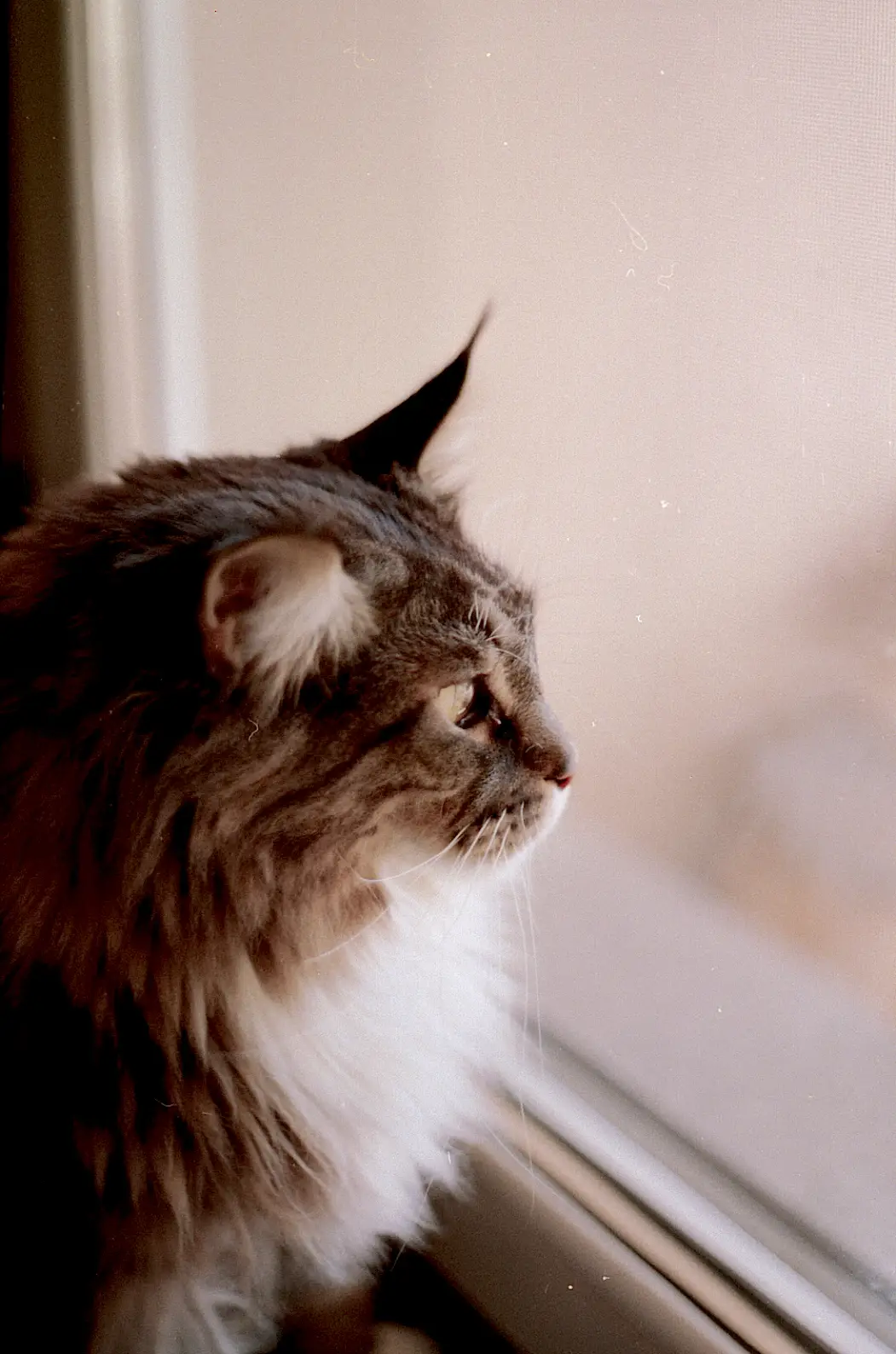
This breed makes more sounds than most, which confuses new owners. Purring is the continuous, low rumble made with a closed mouth on both the in-breath and the out-breath. Chirping and trilling are short, bright, bird-like sounds made with an open mouth, usually in a burst, when your cat spots a bird through the window or greets you at the door. I have written about those bird-like sounds separately in Why Do Maine Coons Chirp and Trill? Decoding the Sounds. My rule of thumb: mouth open and short and musical means chirp or trill; mouth closed and going on like a motor means purr.
What Your Maine Coon’s Purr Is Telling You
Purring does not always mean happy. Most of the time it does, but the meaning depends entirely on context. PetMD lists five common meanings — contentment, anxiety, greeting, attention-seeking, and illness — and they map neatly onto what I see in my own cats.
Contentment is the classic one, and it is real. A relaxed cat with soft eyes and slow blinks, purring while you stroke it or dozing in a sunbeam, is a happy cat. When my boy drapes himself across my lap in the evening and starts up, there is nothing to decode.
Greeting is the short, bright purr. Some cats give a brief purr when you come home, the way another cat might give a headbutt. Maine Coons do this a lot; mine meets me at the door most evenings, purring before I have put my bag down.
Asking is the purr with a job to do. Researchers at the University of Sussex found that cats can embed a high-frequency, cry-like sound inside an ordinary purr when they want something, usually food. If your Maine Coon purrs at you while staring at the kitchen, check the bowl before you check your feelings.
Self-soothing is the purr nobody expects. Cats purr when frightened, stressed, or in pain. Vets see it daily: a terrified cat on the exam table, ears flat and pupils huge, purring through the whole visit. Cats in labour purr; cats recovering from surgery purr. The vibration seems to calm the cat itself, and purring is associated with the release of endorphins, the body’s natural painkillers. This is why you cannot read a purr on its own. You have to read the whole cat.
One claim to treat carefully: that purring heals bones. The Cat Fanciers’ Association found the healing claims all trace back to a single 2006 conference abstract, and there is no scientific evidence that a cat’s purr heals bones in cats or in humans. It is an interesting idea, not a proven fact.
Purring, Kneading and Drooling: The Happy Trio
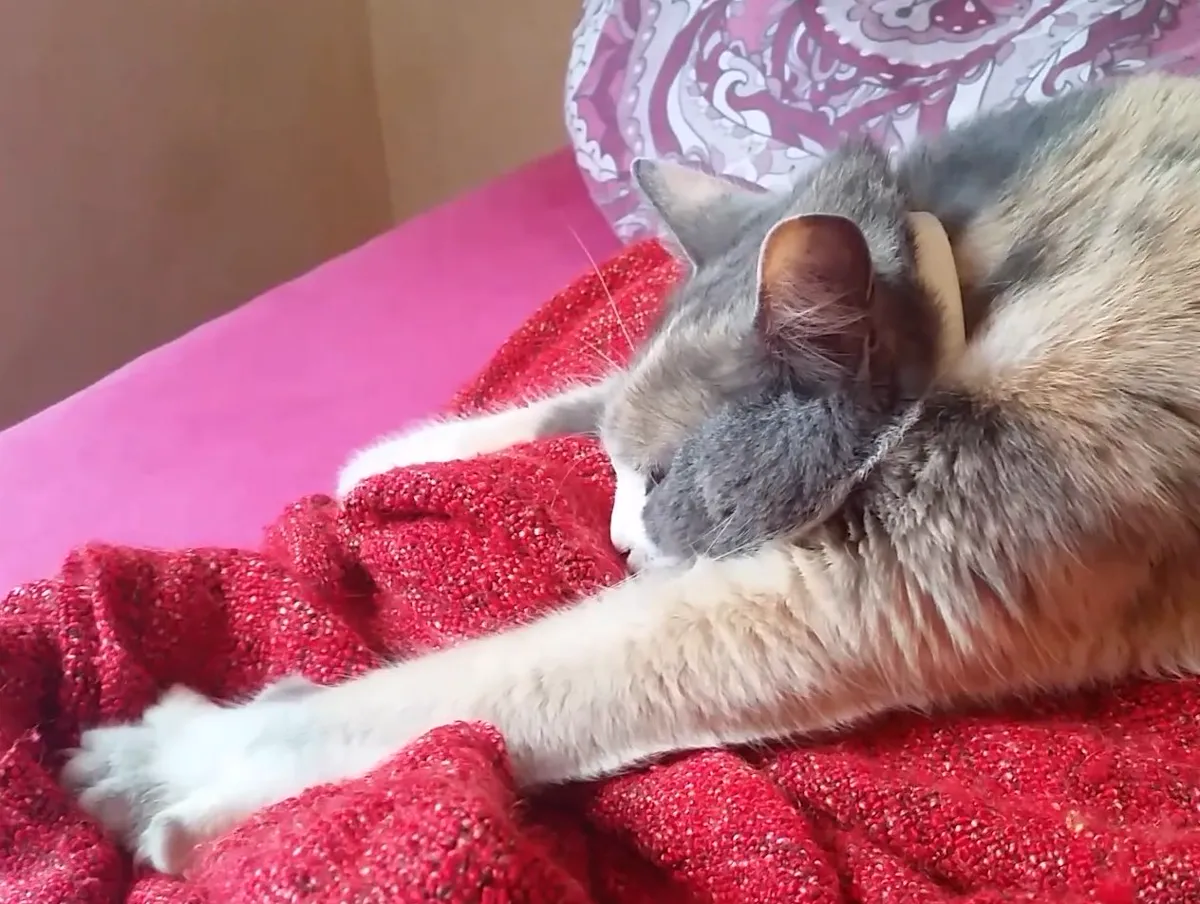
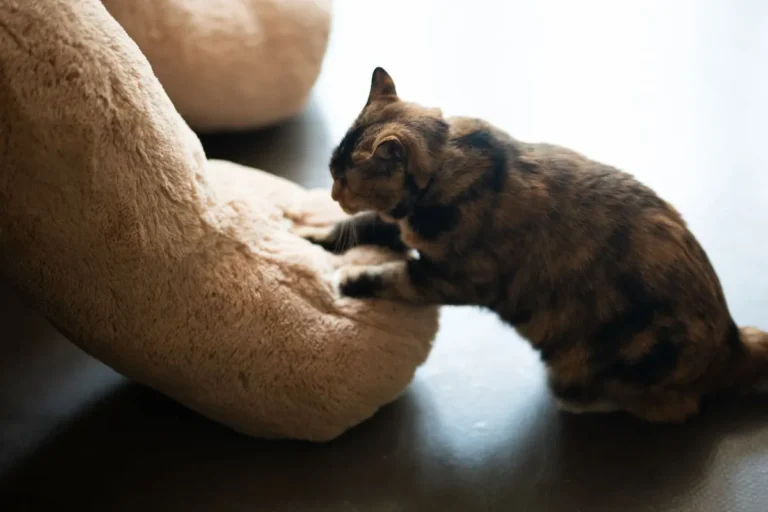
If purring is your Maine Coon’s favourite sound, kneading is its favourite dance. Kittens knead while nursing and purring, and many adults keep the routine for life: paws pressing into a blanket or your lap, motor running. Purring plus kneading plus a relaxed body is about as content as a cat gets.
Drooling sometimes joins in too. Some Maine Coons drool a little when deeply relaxed and purring hard, especially during a long lap session. It is almost always what our drooling guide calls happy drool: a small amount, only while purring and kneading, in an otherwise healthy cat. For the full distinction, read Why Does My Maine Coon Drool? Happy Drool vs Warning Signs. The rule is simple: drool plus purr plus relaxed equals fine, while drool plus hiding, pawing at the mouth, or refusing food equals a phone call.
When Purring Is a Warning Sign
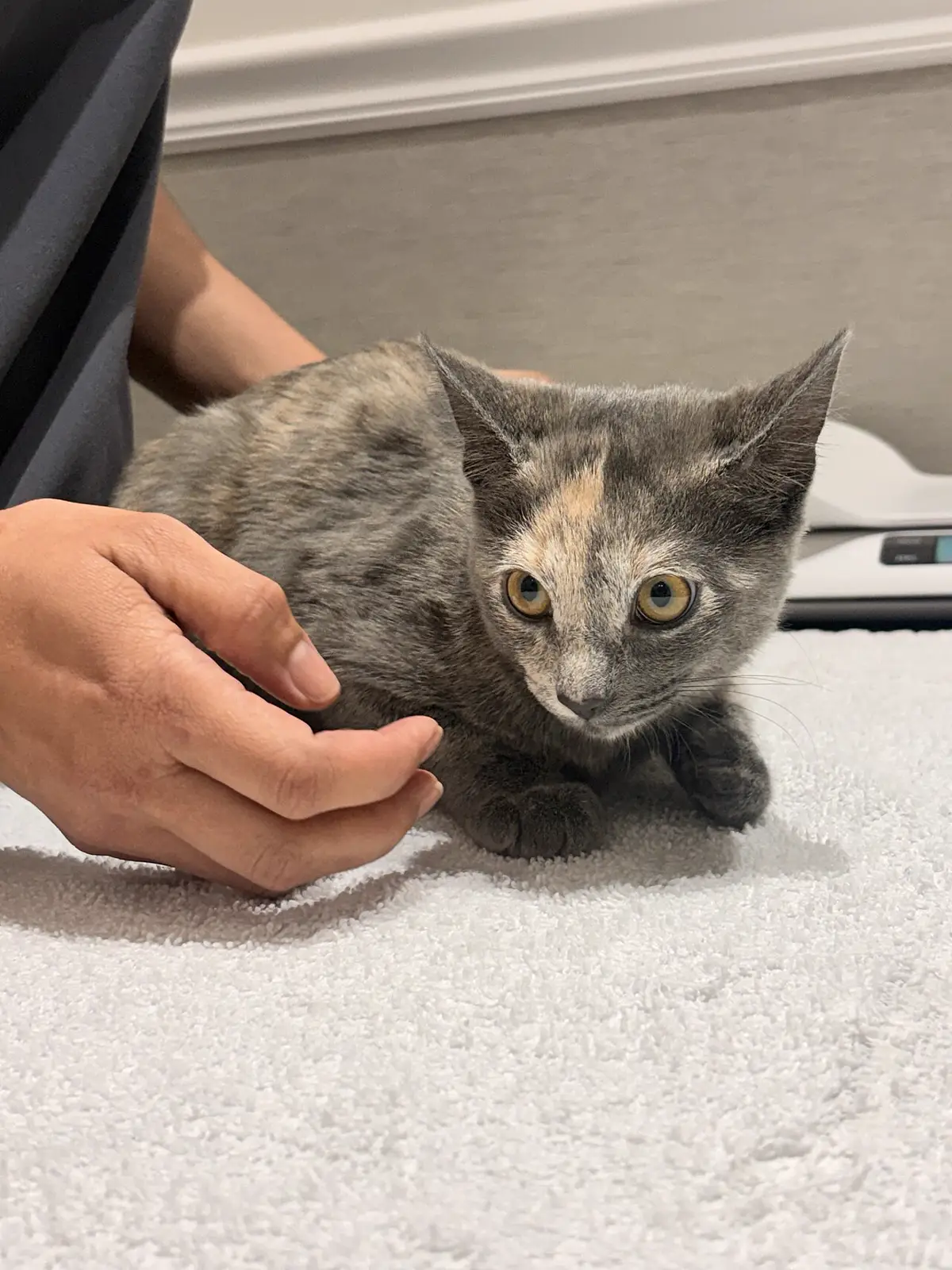
Now the serious part. Purring can be a warning sign, and the cats who need help most are often the ones still purring. Cats hide pain and illness well, and purring is one way they cope, so a purr on its own tells you nothing about health. What tells you something is the change.
Call your vet promptly if the purring comes with any of these: purring much more than usual, or at times it never used to, especially alongside hiding, eating less, or moving less. A hunched posture, tucked legs, flattened ears, dilated pupils, or a tense body: a happy purring cat looks loose and soft, a hurting one looks tight and guarded. A purr that has gone hoarse or raspy, or suddenly gone quiet in a cat that has always been loud; owners in Maine Coon forums ask about this often, and the answer is always the same, a change in voice deserves a vet visit. Other symptoms with the purr: vomiting, diarrhoea, coughing, sneezing, new or heavy drooling, limping, or any wound. Or a cat that purrs but will not settle, keeps shifting position, or purrs while straining in the litter box.
One situation is an emergency: a cat struggling to breathe, breathing with its mouth open, or gasping, even while purring. Laboured breathing needs a vet right away, and a purr must never talk you out of that call. Cornell’s guidance says the same: if comfortable breathing is ever in doubt, get help immediately.
Trust your sense of what is normal for your cat: if a sudden change in purring is out of character and anything else is off, have it checked.
How to Read the Whole Cat, Not Just the Purr
The one skill I wish every Maine Coon owner would learn is reading the whole cat instead of listening to one sound. A purr is one word in a sentence that also includes ears, tail, eyes, whiskers, posture, and appetite. I keep coming back to our guide on Maine Coon Body Language: What Their Ears, Tail and Eyes Are Telling You for this. Short version: a contented purr comes with a loose body, ears forward, slow blinks, and a relaxed tail; a stressed purr comes with flattened ears, wide pupils, a low crouch, a tucked tail, or a lashing tail.
It also helps to know your cat’s personality. A confident Maine Coon may purr at the sight of its food bowl, while a shy one may only purr once safely on your lap under a blanket. That is why I recommend reading 11 Unique Maine Coon Personality Traits Every Owner Should Know alongside this article. Once you know whether your cat is the bold greeter or the quiet shadow, its purrs start to make sense: there is no right amount, only the pattern that is normal for your cat.
Frequently Asked Questions
Why is my Maine Coon purring so loud?
Usually because it is a big cat with a big chest and a social nature. A larger body moves more air through a larger voice box, making a deeper, louder rumble. What matters is whether the loudness is normal for your cat.
Do Maine Coons purr more than other cats?
Not necessarily more, but often more noticeably. They stay near their humans, so their purring is on display all day. Some purr constantly, while others barely purr at all and prefer chirping and trilling. Both are normal.
Why is my Maine Coon purring and kneading at the same time?
A leftover from kittenhood: kittens knead and purr while nursing, and many adults keep the combination for life. Purring plus kneading plus a relaxed body usually means your cat feels completely safe with you.
Why does my Maine Coon purr when it is at the vet?
Because purring is also self-soothing. Cats purr when frightened or stressed, and a vet visit is stressful. A cat purring on the exam table is usually calming itself, not enjoying the experience. Flat ears and wide pupils mean stress, even with the motor running.
My Maine Coon has stopped purring. Should I worry?
Not on its own. Some cats purr less as they grow older. But if the change is sudden and comes with hiding, eating less, moving less, or a hoarse voice, call your vet. A sudden silence in a cat that has always been loud deserves the same attention as a sudden loudness in a quiet one.
That deep rumble on your lap is one of the best sounds in a Maine Coon home, and most of the time it means exactly what you hope: your cat is content and wants you to stay right where you are. Learn its normal purr, and you will know the day something changes.