Maine Coon Worms: Signs, Deworming and Prevention
Maine Coon worms are one of those things you never think about until you find something in the litter box that should not be there. I still remember spotting tiny white specks near my cat’s tail and feeling my stomach drop. My vet reassured me that same week: intestinal worms are common in cats, very treatable, and spotting them early is half the battle. Here is what I have learned since.
What Are Maine Coon Worms?
When people say their cat has worms, they usually mean intestinal worms, parasites that live in the gut and feed off what the cat eats. Three types do almost all the damage in cats.
Roundworms are the most common intestinal worm in cats, and the one kittens get most often. They look like pale spaghetti, a few inches long, and you may see them in stool or, less pleasantly, in vomit. Kittens often pick them up from their mother. Maine Coon breeders on Facebook film themselves giving their kittens these early rounds, one at a time in their lap, as ordinary routine.
Tapeworms are the ones most owners actually see. You rarely see the whole worm. What you see are small white segments that break off and pass out, looking exactly like grains of rice. Fresh ones may still be moving slightly; dried ones look like sesame seeds and turn up in the fur under the tail, on bedding, or in the litter box. Tapeworms arrive through fleas: a cat swallows an infected flea while grooming, and the worm grows from there. Owners on Reddit describe the same moment: finding rice-like specks and wondering what they were.
Hookworms are smaller and harder to spot. You will almost never see one with the naked eye. They attach to the wall of the intestine and feed on blood, so a heavy infection can leave a cat anaemic, with pale gums, weakness, and a dull coat. Cats pick them up from contaminated soil, so outdoor cats carry more risk.
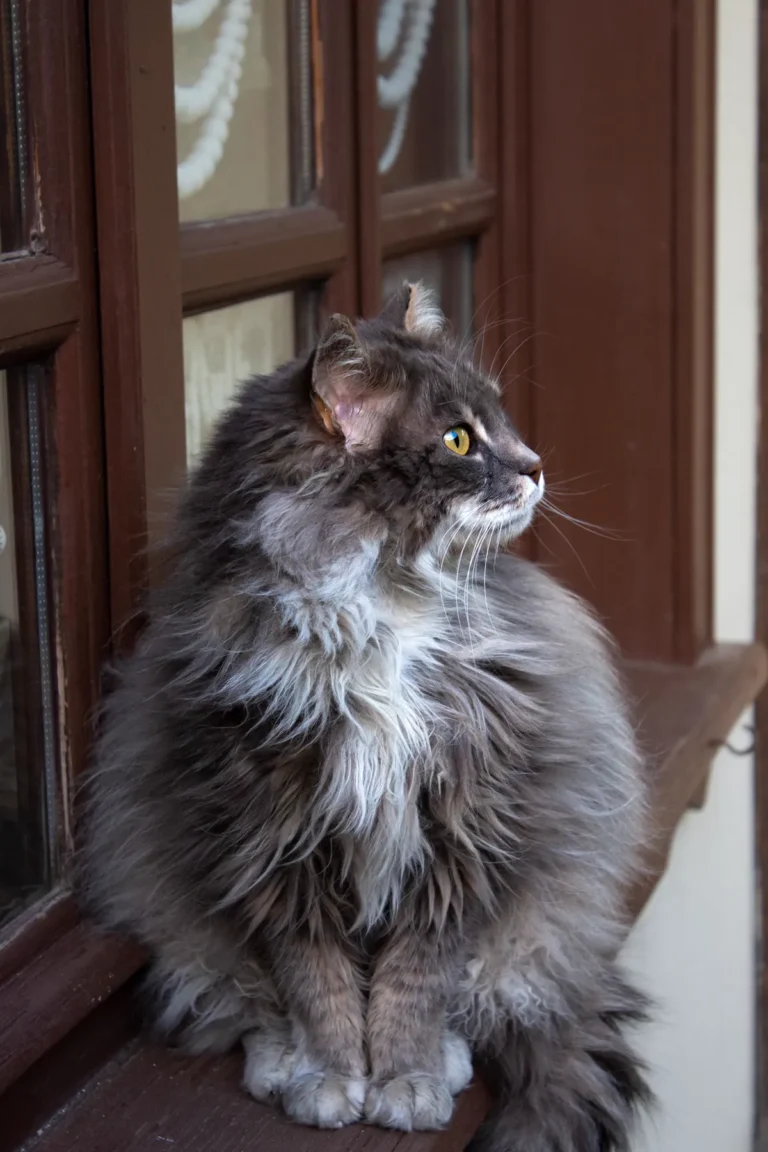
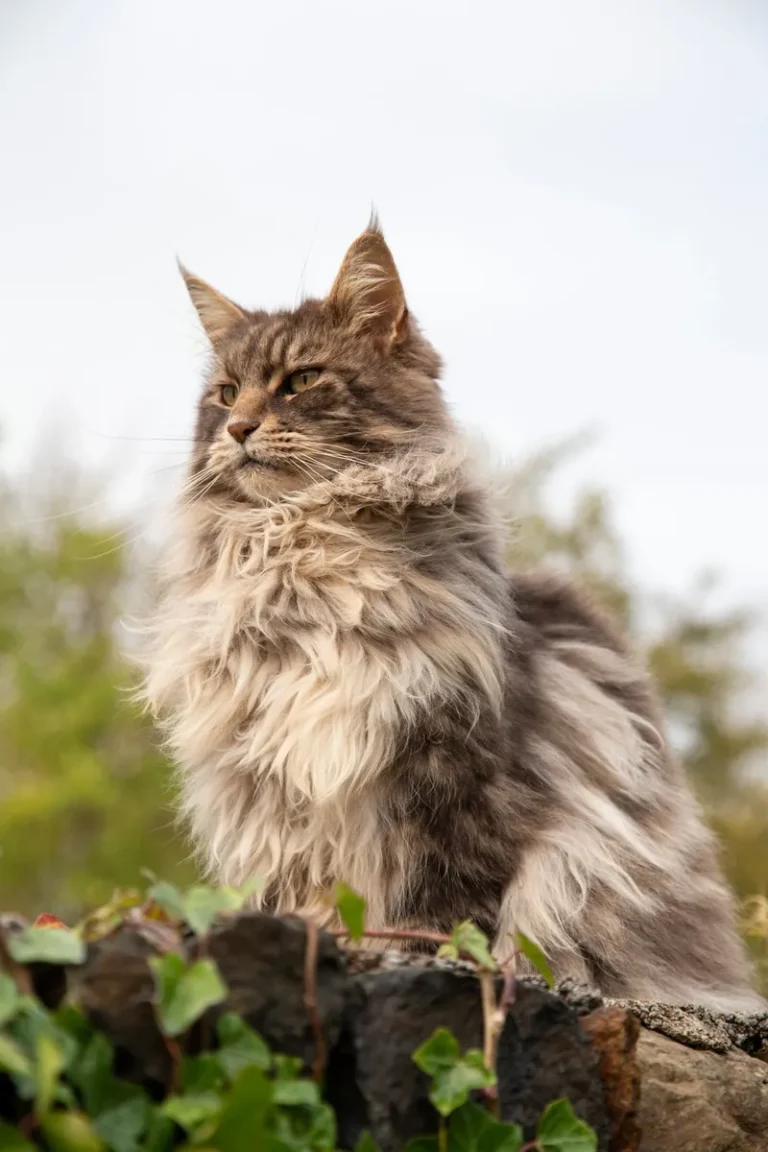
A Maine Coon is not more likely to get worms than any other cat, but the breed does make the signs harder to notice: that thick coat hides weight loss and a dull coat far longer than a short coat would.
How Do Maine Coons Get Worms?
Kittens get roundworms from their mother, through her milk, which is why a kitten can arrive in your home already carrying worms even if the breeder’s home looked spotless. This is normal, not a sign of a bad breeder. Ask your breeder what deworming the litter has already had, and bring that information to your first vet visit.
Fleas are the tapeworm delivery service. A cat grooms, swallows a flea carrying tapeworm larvae, and a few weeks later the segments appear. This is also why tapeworms keep coming back if you treat the worms but not the fleas. See my guide to flea and tick prevention for Maine Coons.
Hunting is the other big route. Mice, rats, and other small prey can carry roundworm larvae and tapeworms, so a Maine Coon who hunts, even an indoor cat who catches the occasional mouse that got inside, can pick worms up that way. Soil and contaminated litter are routes too, which is why scooping the litter box daily and washing hands after handling litter or garden soil matters, especially in a home with children.
Signs Your Maine Coon May Have Worms
Worms are sneaky. Plenty of cats carry a light burden and show nothing at all, which is why a stool check at routine vet visits is worth doing even when your cat looks fine.
Visible worms or segments are the clearest sign. Spaghetti-like worms in the stool or vomit point to roundworms. Rice-like segments around the tail, in the fur, on bedding, or in the stool point to tapeworms.
Weight loss without a reason is the sign Maine Coon owners miss most. A cat can eat normally, even hungrily, and still lose weight, because the worms are taking a share of every meal. On a big fluffy cat, weight lost over a few months is easy to miss under all that fur. My post on whether your Maine Coon is overweight explains how to check body condition through the coat.
A dull, rough coat and a pot belly are classic signs in kittens: a rounded belly, a coat that has lost its shine, and slower growth than littermates.
Digestive upsets are the vaguest sign, and the easiest to blame on something else. Worms can cause vomiting, diarrhoea, or an alternation between the two. If your cat is vomiting regularly, my guide to Maine Coon vomiting helps sort out when it is a hairball and when it is a vet visit. Persistent diarrhoea has its own guide too, on Maine Coon diarrhoea. A cat with worms that goes off food needs a vet call, as I explain in my post on a Maine Coon not eating.
Pale gums, weakness, and lethargy point to a heavier burden, particularly with hookworms, and in a kitten these signs should never wait. A pot-bellied, lethargic kitten with diarrhoea is a same-day vet visit, not a wait-and-see.
How Your Vet Diagnoses Worms
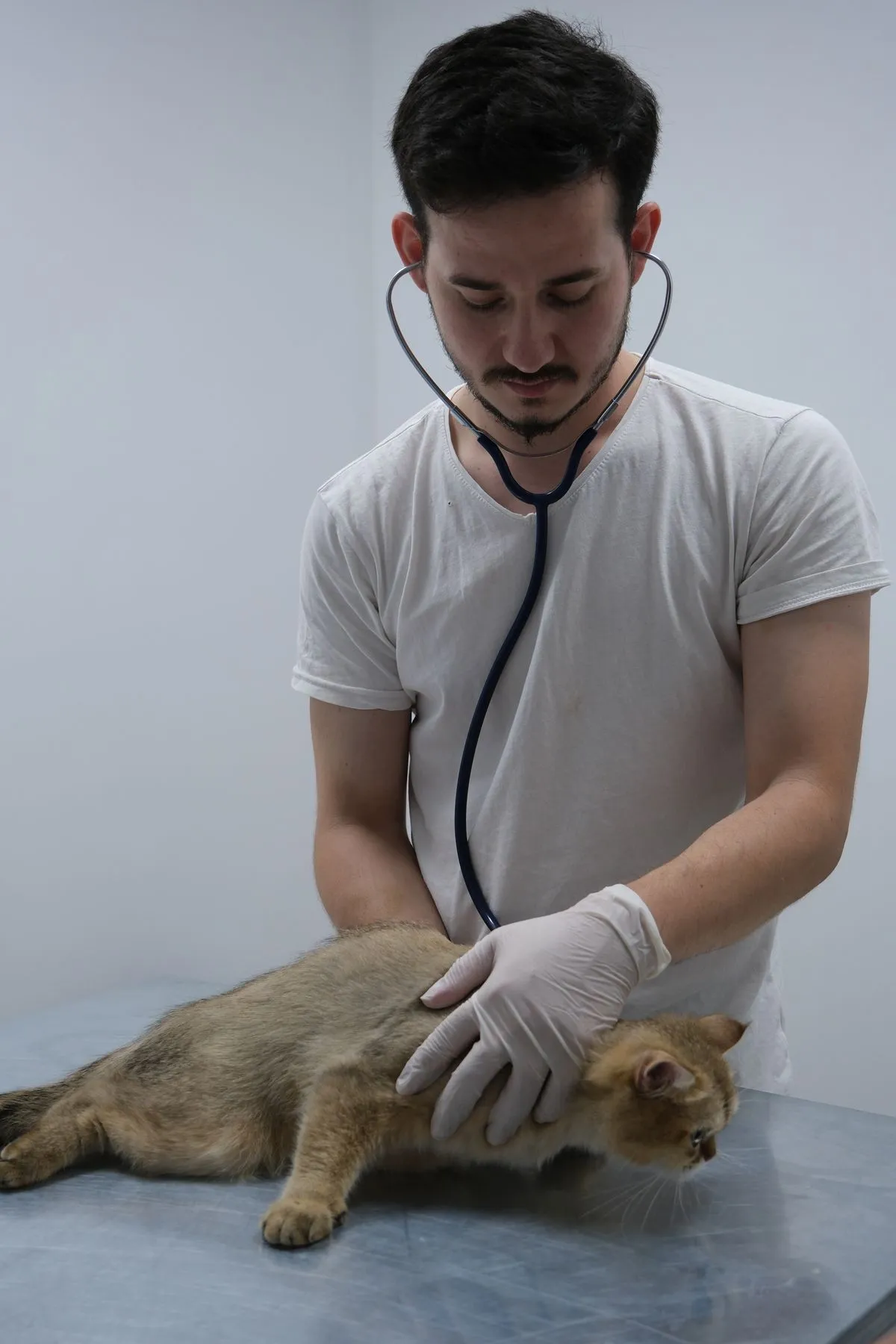
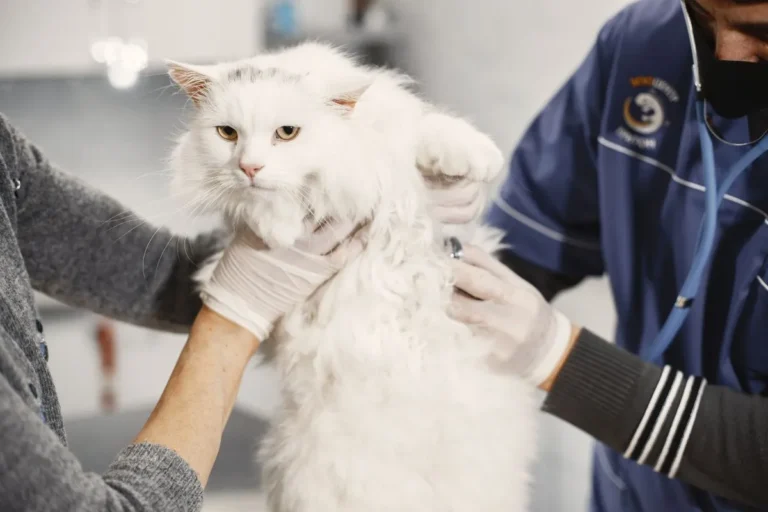
Diagnosis starts with a stool sample. Your vet examines it under a microscope for worm eggs, and different worms lay different-looking eggs, so this one test usually identifies the culprit. Tapeworms are often diagnosed simply by the segments you bring in or describe, since their eggs do not always show up in a stool sample. Bring a photo if you can: a clear phone photo of what you found is far more useful to a vet than a worried description.
One sample is not always enough. Eggs are shed intermittently, so a single clear result does not always rule worms out, and your vet may ask for a second sample. Cornell’s overview of gastrointestinal parasites in cats gives the veterinary background.
Deworming: What to Expect
Deworming is a routine vet treatment, and your vet will choose the right product for the type of worm found, your cat’s age, and your cat’s weight. That last point matters with Maine Coons: a cat still filling out in its third year needs weighing, not guessing.
There is no single dewormer that kills every worm. A treatment that clears roundworms may do nothing for tapeworms, and the other way around. This is why the stool test matters. Your vet may also recommend a repeat treatment a few weeks later, because a first round kills the adult worms but not always the developing stages.
Giving the treatment at home is usually easy. Some come as a tablet, some as a liquid given by mouth, some as a spot-on applied to the skin. Breeders on social media show kittens taking an oral liquid from a small syringe, and owners on Instagram post videos of applying a spot-on to their big Maine Coons, parting the fur to reach the skin. If your cat is a tablet-spitter, tell your vet before you leave the clinic.
Never use a dog dewormer on a cat, and never use a home remedy you found online. Garlic, essential oils, and herbal mixes are not proven to clear worms, and several of them are toxic to cats. If a treatment is not coming from your vet, it is not going into my cat.
After treatment, watch the litter box for a day or two. You may see dead worms pass, which is normal and a good sign that the treatment worked.
Kittens and Worms: What New Owners Should Know
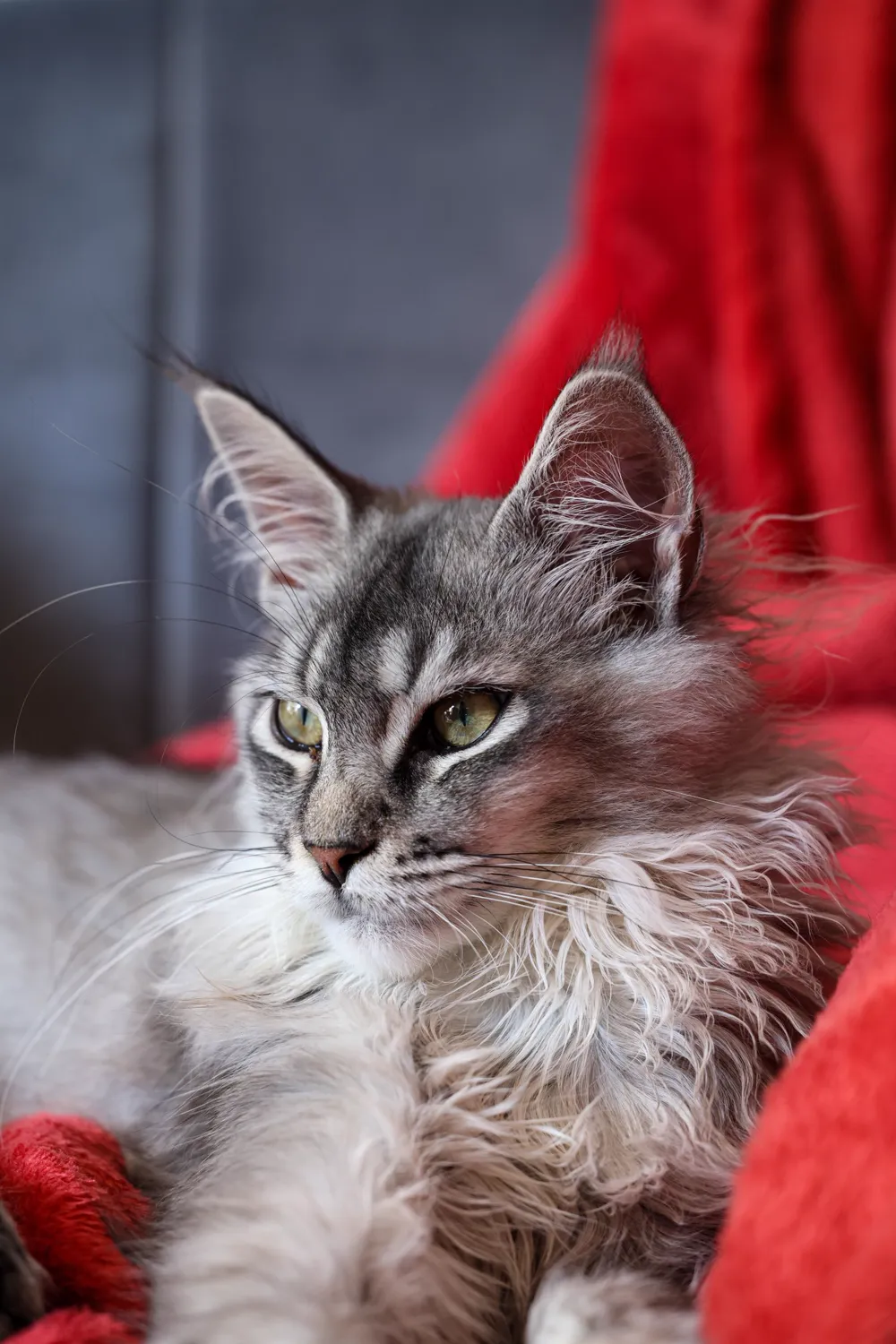
If you are bringing home a Maine Coon kitten, worms are something to plan for, not panic about. Almost every kitten has roundworms at some point, because they pick them up from their mother so early. Responsible breeders deworm their litters several times before the kittens leave, and the catteries I follow online post about it openly: one breeder filmed her kittens getting their third round before their vet visit, and another showed five seven-week-old kittens taking their dose one by one in her lap. Ask your breeder for the dates, and bring that record to your vet.
Your kitten’s first vet visit is the moment to set up a proper parasite plan. My kitten’s first vet visit checklist covers what to bring and ask, and a stool test is worth requesting even if the kitten looks perfect. Kittens dehydrate and lose condition quickly, so vomiting, diarrhoea, a swollen belly, or pale gums in a young kitten should always be treated as urgent.
One more thing new owners should know: some worms can pass to people, particularly children, through eggs in soil or litter. This is rare and easily prevented with hand washing and daily litter scooping.
Preventing Worms in Your Maine Coon
Keep flea prevention going all year. Since fleas are the tapeworm route, flea control is worm control. Treat every pet in the home, not just the cat with the problem. VCA’s guide to tapeworm infection in cats explains the flea connection well, and their page on roundworm infection in cats covers the other common route.
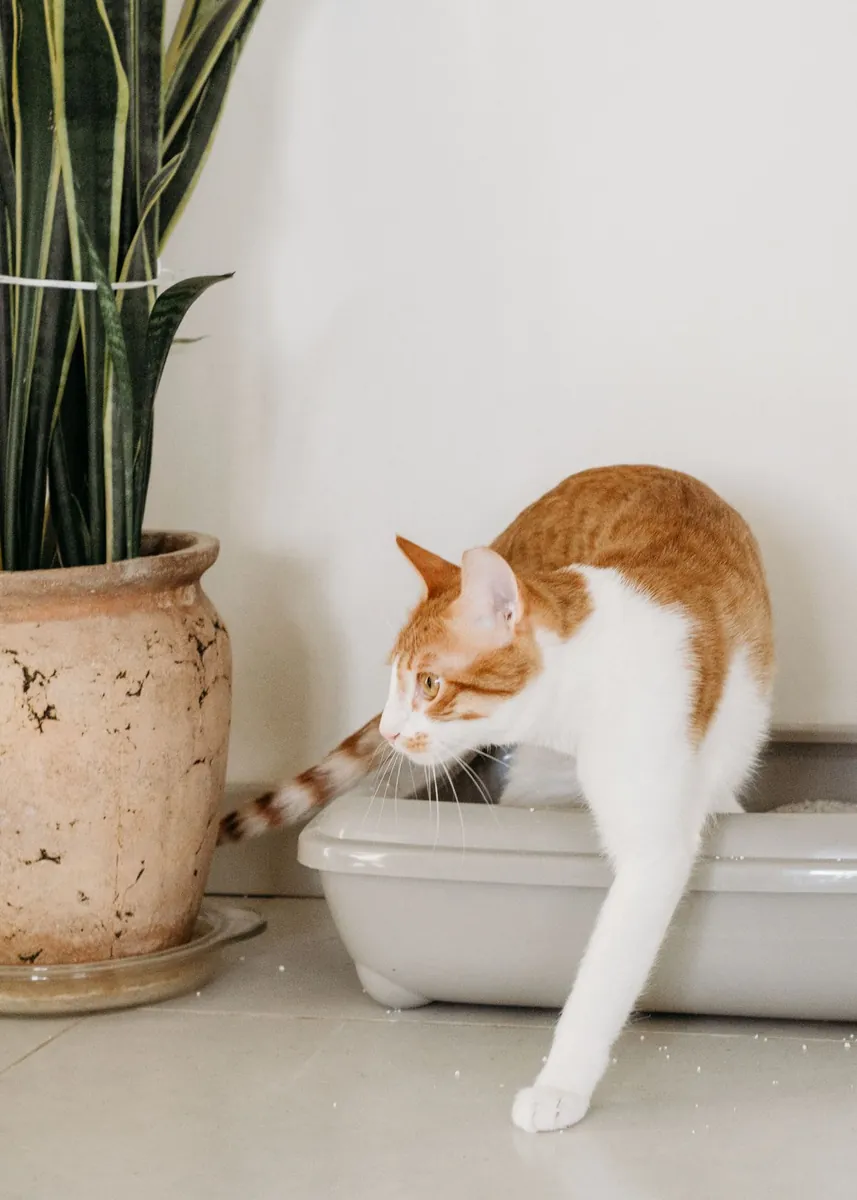
Scoop the litter box daily and clean it regularly. Worm eggs leave in the stool, and a clean box breaks the cycle before eggs can spread around the house.
Limit hunting where you can. A bell on the collar, keeping your cat in during dawn and dusk when prey is active, or a catio instead of free roaming all reduce the chances of your cat eating an infected mouse.
Ask your vet about a routine stool check and a deworming plan that fits your cat’s lifestyle. An indoor-only cat and a cat who hunts daily do not need the same schedule, and your vet will set the timing based on risk, not on a fixed rule.
When to Call the Vet Right Away
Most worm infections are routine, but a few situations should not wait. Call your vet the same day if your cat vomits worms, has ongoing diarrhoea or vomiting, loses weight steadily, has a swollen belly, pale gums, or a dull, scruffy coat that does not improve. Kittens with any of these signs need seeing promptly.
Frequently Asked Questions
Can indoor Maine Coons get worms?
Yes. Indoor cats have lower risk, but fleas can hitch a ride inside on people or dogs, a mouse can slip in, and worm eggs can come in on shoes or potting soil.
How do I know if my Maine Coon has tapeworms?
Look for small white segments that look like grains of rice around your cat’s tail, in the fur under the tail, on bedding, or in the stool. Fresh segments may move slightly, and dried ones look like sesame seeds.
Are worms in Maine Coons dangerous?
A light infection often causes no obvious illness, but a heavy burden can cause weight loss, diarrhoea, vomiting, a dull coat, and anaemia, and it can be serious in kittens. The good news is that worms are very treatable once diagnosed.
How often should I deworm my Maine Coon?
There is no one-size answer, because it depends on your cat’s age, lifestyle, and risk. Ask your vet to set the timing for your cat, and keep a record of every treatment.
Can I get worms from my Maine Coon?
Some cat worms can pass to people, usually through eggs in soil or litter rather than from cuddling your cat. The risk is low and easily managed: wash your hands after handling litter or garden soil, and scoop the box daily.
The Short Version
Maine Coon worms are common, treatable, and far less frightening once you know what you are looking at. Rice-like segments mean tapeworms, spaghetti-like worms mean roundworms, and anything you cannot identify belongs in a photo for your vet.