Why Does My Maine Coon Have Diarrhea? Causes, Home Care and When to Worry
Nothing ruins a quiet morning quite like opening the litter box and finding a mess that is definitely not normal. I have been there more than once with my own Maine Coons: one loose stool and suddenly you are Googling at 6 a.m., wondering if this is a passing upset or the start of something serious. Most of the time, maine coon diarrhea is mild and short-lived, and it settles once you find the trigger and give the gut a little time to calm down. But not always, and knowing the difference matters, especially with kittens and older cats.
What Counts as Diarrhea in a Maine Coon
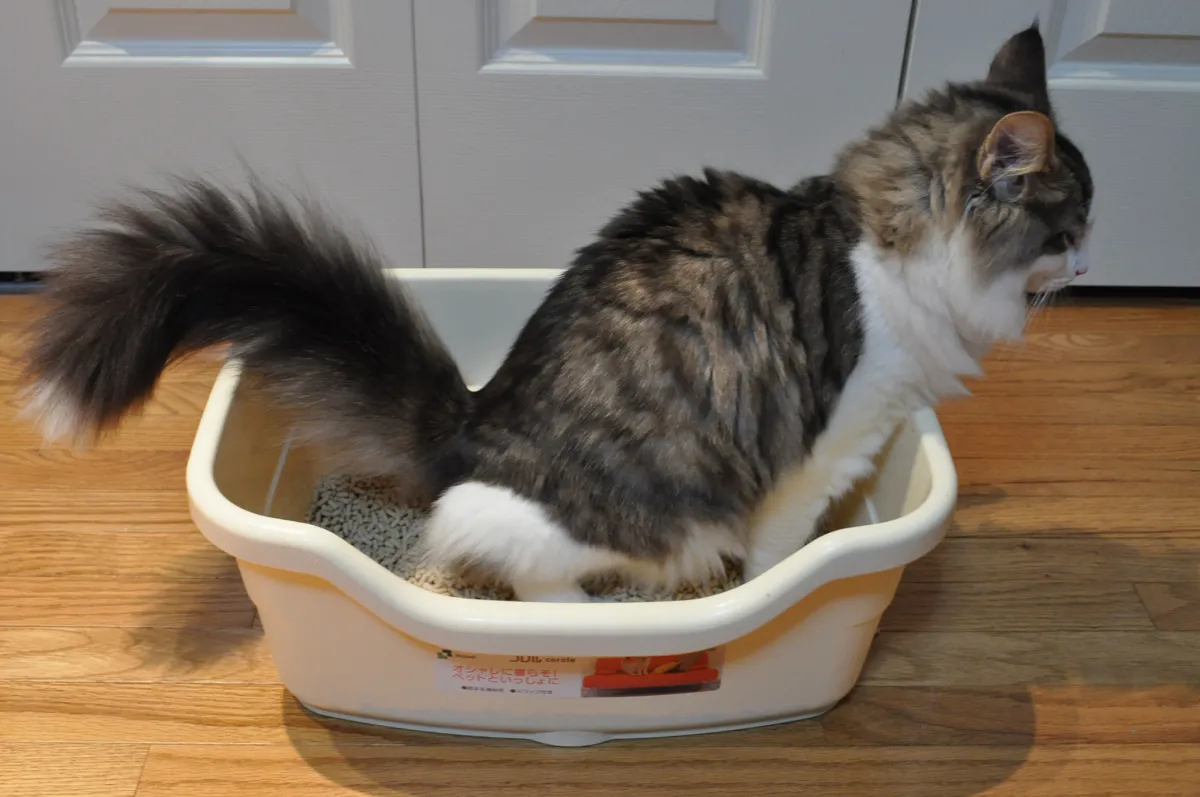
A single soft stool is not diarrhea. Diarrhea means loose, watery, or unformed stool that comes more often than usual, sometimes with urgency or accidents outside the box. The Cornell Feline Health Center notes that most cases in cats are short-lived and settle on their own or with a change of diet, and my experience matches that: a one-off loose stool in a cat who is still eating, drinking, and playing is usually a watch-and-wait situation.
What I watch is the pattern. One soft stool after a new treat? Probably fine. Watery stools several times a day is a different story.
The Most Common Causes of Maine Coon Diarrhea
A sudden change of food
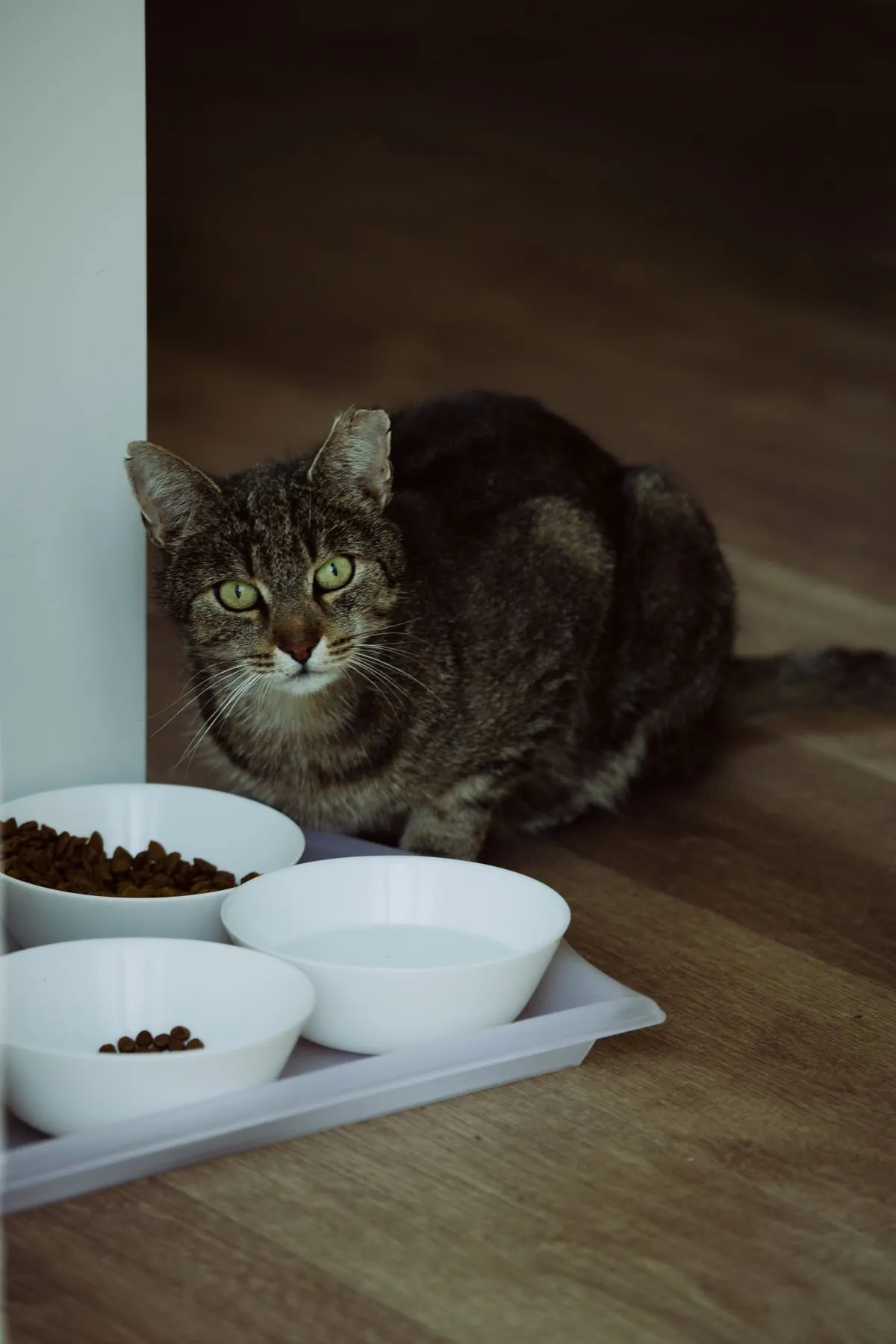
This is the number one cause, by a long way. Maine Coons have long, slow-developing digestive systems, and an abrupt food swap can upset them for days. Owners on Reddit and in Facebook Maine Coon groups say the same thing: the diarrhea started a day or two after a new bag of food or a richer wet food. Breeders on YouTube recommend the same fix every time — go back to the food the cat was eating before, then switch over gradually across about a week. If your kitten has just come home, keep feeding exactly what the breeder was feeding for at least the first couple of weeks.
Eating too much, or too much of the wrong thing
Maine Coons are big cats with big appetites, and overfeeding can speed everything through the gut before it has time to firm up. Too many treats, a stolen piece of food from the counter, or wet food left out too long can all do it — wet food left sitting for hours can grow bacteria, so I never leave it down all day. If you are unsure how much your cat should actually be eating, our Maine Coon feeding chart by age lays out sensible portions for kittens through adults. Getting the amount right fixes more loose stools than most owners expect.
Parasites
Parasites are one of the most common causes of diarrhea in cats, and they do not always show up where you can see them. Roundworms, hookworms, giardia, and coccidia are the usual suspects, and a lesser-known one called Tritrichomonas foetus turns up surprisingly often in Maine Coon kittens. In one vet testimonial shared on Instagram, a nine-month-old Maine Coon with chronic loose stools was found to be carrying it, and his stools only firmed up once the parasite was identified. That is why a stool sample matters: you cannot diagnose parasites by looking at the litter box. If the diarrhea keeps coming back, ask your vet about a faecal test before trying yet another food.
Food intolerance or sensitivity
Some Maine Coons are simply sensitive to certain ingredients, and the reaction looks a lot like an allergy even when it is not one. Owners on Reddit say their cats did fine on one protein and fell apart on another, and the only way they found out was by changing one thing at a time and waiting. The mistake I see most often — and I have made it myself — is changing foods every few days in a panic. Every swap resets the gut, so you never learn what actually helped. If you suspect a sensitivity, pick one simple, good-quality food and stick with it for a couple of weeks, and let your vet guide any proper elimination trial.
Stress
Yes, stress causes diarrhea in cats, and Maine Coons are not exempt. A move, a new pet, a house guest, a holiday, a trip to the vet, even rearranging the furniture can set it off. I have seen it most clearly in kittens: the first days in a new home, when everything smells different and the only home they have ever known is gone, their stomachs often follow. The diarrhea usually settles once the kitten feels safe and the routine steadies.
Infection
Bacterial and viral infections can cause diarrhea too, and they tend to come with other signs — fever, lethargy, or a cat who just is not herself. If your cat has diarrhea plus a fever or seems genuinely unwell, call your vet the same day rather than waiting it out.
Dairy and foods that do not agree with cats
Most adult cats are lactose intolerant, and a saucer of milk or a bit of cheese can mean loose stools within hours. The same goes for anything your cat should not have eaten — rich human food, spoiled food, or something toxic. If you think your cat may have eaten something dangerous, skip the home care and call your vet, and check our guide to toxic foods for Maine Coons so you know what never to offer.
Maine Coon Kittens and Diarrhea: Why They Are More Prone
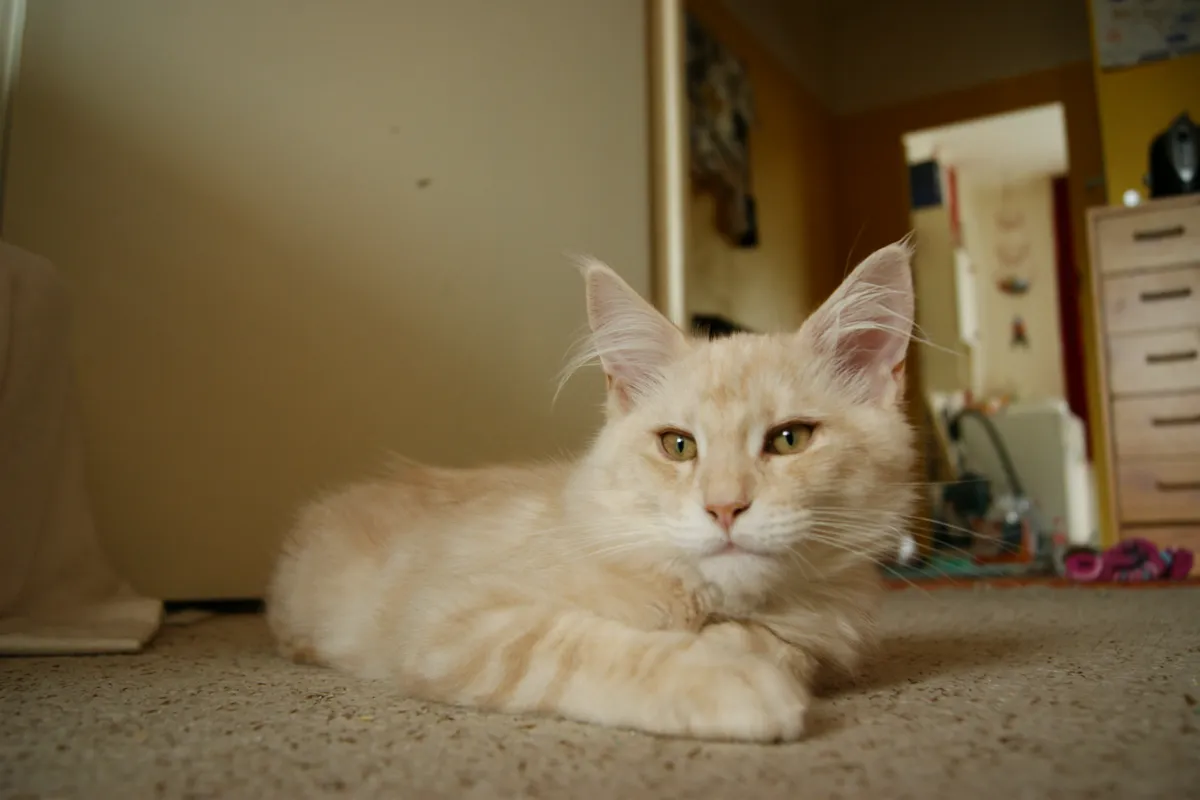
If there is one group of Maine Coons that gets diarrhea most, it is kittens. They are dealing with a new home, a new routine, possibly a new food, and an immune system that is still learning, all at once. Breeders I follow on YouTube stress the same point: keep the breeder’s food and keep the kitten in one quiet room for the first few days.
The Facebook thread I mentioned earlier is a perfect picture of it. The owner was bathing her kitten after every bowel movement, frustrated and exhausted, and the community’s advice was practical rather than panicked: a sanitary trim around the back end, a bigger litter box, a vet visit with a stool sample, and patience. Her vet found no parasites, blamed the stress of the move, and changed the food — and the kitten settled. One practical note for long-haired kittens: a gentle sanitary trim around the rear saves a lot of baths, so keep some pet wipes handy until stools firm up again.
Home Care for Mild Maine Coon Diarrhea
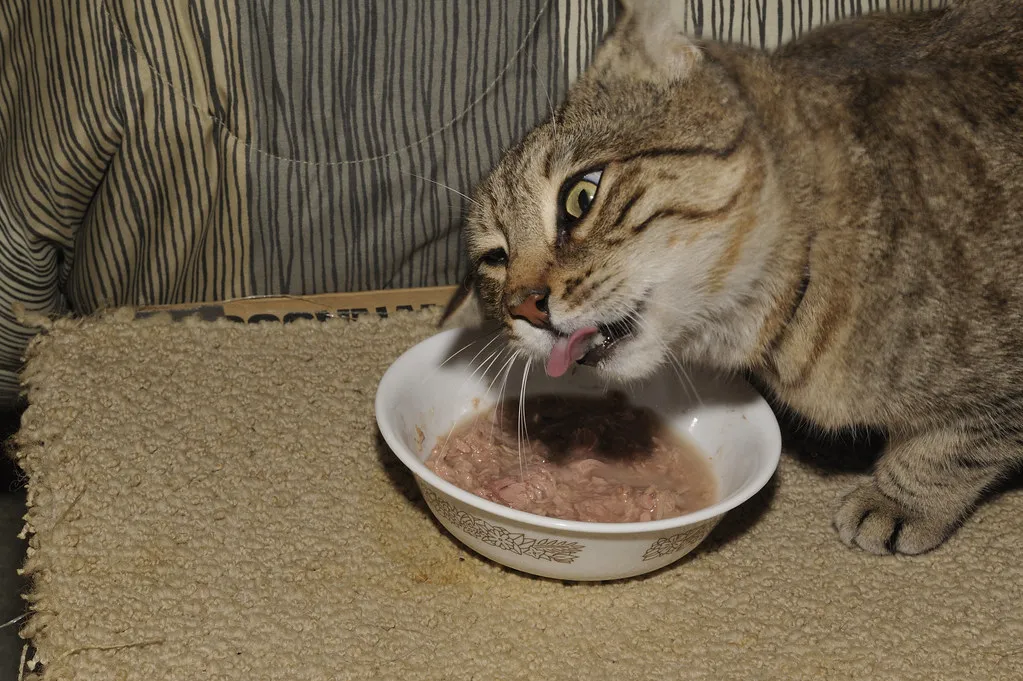
These steps are for a bright adult cat with mild, short-lived diarrhea who is still eating and drinking. If your cat is a kitten or a senior, or showing any warning sign, skip ahead to the red flags and call your vet.
Keep water available everywhere. Diarrhea drains fluid fast, and dehydration is the real danger. Fresh water in more than one spot helps.
Go bland and simple for a day or two. Small, frequent meals of something gentle and easy to digest — plain boiled chicken with no skin, bones, or seasoning, or a vet-recommended gastrointestinal food — can settle the gut. Offer a little at a time rather than a full bowl, and pause treats, new foods, table scraps, and milk until stools are normal again. Do not fast your cat: unlike dogs, cats should not go without food for long, and a cat who stops eating can develop serious liver problems. If your cat has stopped eating altogether, that is a vet call on its own.
Watch the stools and the litter box. Scoop often, and actually look at what you find. Is it improving or getting worse? Is there blood or mucus? That is what your vet will ask for. Once stools have firmed up for a day, mix the regular food back in gradually over three to five days — jumping straight back to the old diet can undo the progress.
Do not reach for human medicines. Never give your cat human anti-diarrhea medicine or leftover antibiotics. Several are toxic to cats, and VCA Animal Hospitals advises extreme caution with these products. If you think your cat needs medicine, that is a decision for your vet. The same goes for supplements: probiotics and pumpkin puree come up constantly in owner groups, but they help some cats and not others.
When to Worry: Red Flags That Mean Call Your Vet
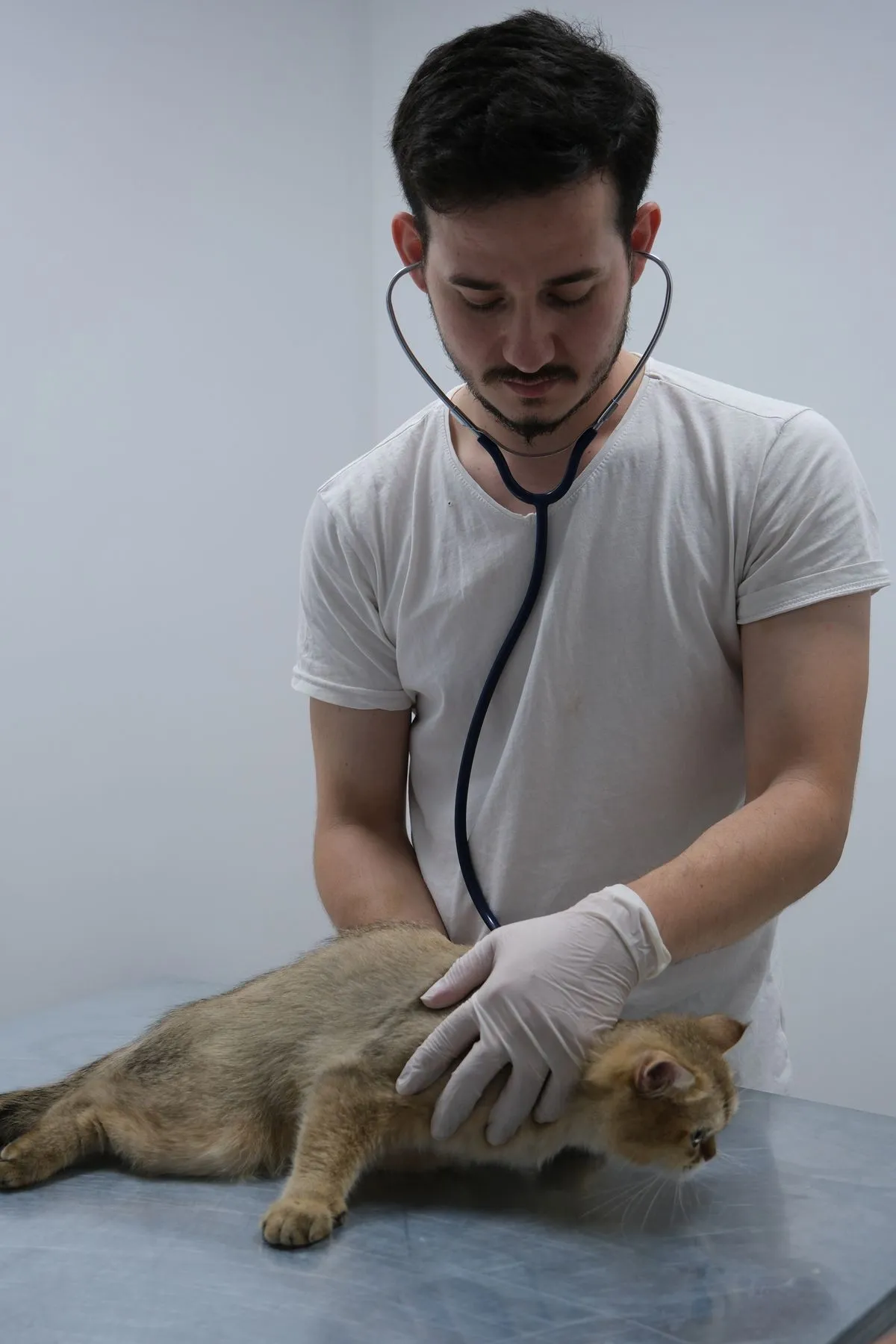
Most diarrhea settles within a day or two. Call your vet the same day if you see any of these:
- Diarrhea lasting more than 48 hours, or that keeps coming back
- Blood in the stool, whether bright red streaks or dark, tarry stools
- Vomiting along with the diarrhea — a cat loses fluid fast when both happen at once
- Lethargy, weakness, or a cat who is hiding and not herself
- Refusing food or water
- A painful or swollen belly, or straining without being able to pass urine
- Pale gums
Kittens and senior cats get a shorter leash. They dehydrate faster and go downhill quicker, so for a kitten or an older cat, I call the vet the day diarrhea starts rather than waiting 48 hours. When in doubt, a phone call costs nothing, and your vet would much rather hear from you early than late.
What Your Vet Will Probably Do
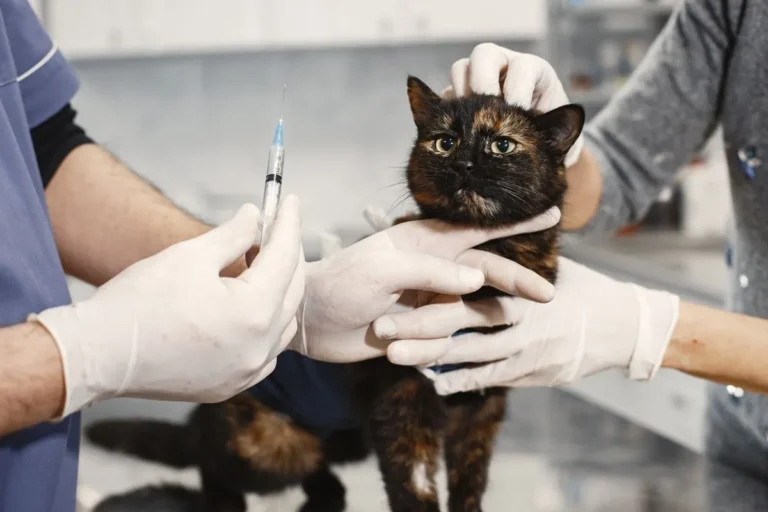
Knowing what to expect takes some of the worry out of the visit. Your vet will usually start with questions — when it started, what changed, what the stools look like, whether your cat is eating and drinking — and a physical exam, including checking for dehydration. A fresh stool sample is the most useful test for a first visit.
Frequently Asked Questions
How long does Maine Coon diarrhea usually last?
A mild case from a food change or a stressful event usually settles within 24 to 48 hours. If it lasts longer than two days or keeps coming back, call your vet. Kittens and seniors should be seen sooner.
Is diarrhea common in Maine Coon kittens?
Yes, especially in the first week or two after coming home. The combination of a new home, a new routine, and sometimes a new food upsets a lot of kittens, and in most cases it settles once the kitten feels safe and the food stays consistent. A vet visit with a stool sample is still wise if it lasts more than a day or two.
What should I feed my Maine Coon with diarrhea?
For a day or two, small frequent meals of something bland and easy to digest, such as plain boiled chicken or a vet-recommended gastrointestinal food. Keep fresh water available at all times. Once stools firm up, mix the regular food back in gradually over three to five days.
Can stress cause diarrhea in Maine Coons?
Yes. Moves, new pets, house guests, travel, and vet visits can all trigger loose stools, even when nothing about the diet changed.
When should I take my Maine Coon to the vet for diarrhea?
The same day if there is blood in the stool, vomiting as well, lethargy, refusal to eat or drink, or a painful belly. The same day, too, if the cat is a kitten or a senior. For a bright adult cat, call if it has not improved within 48 hours.
The Bottom Line
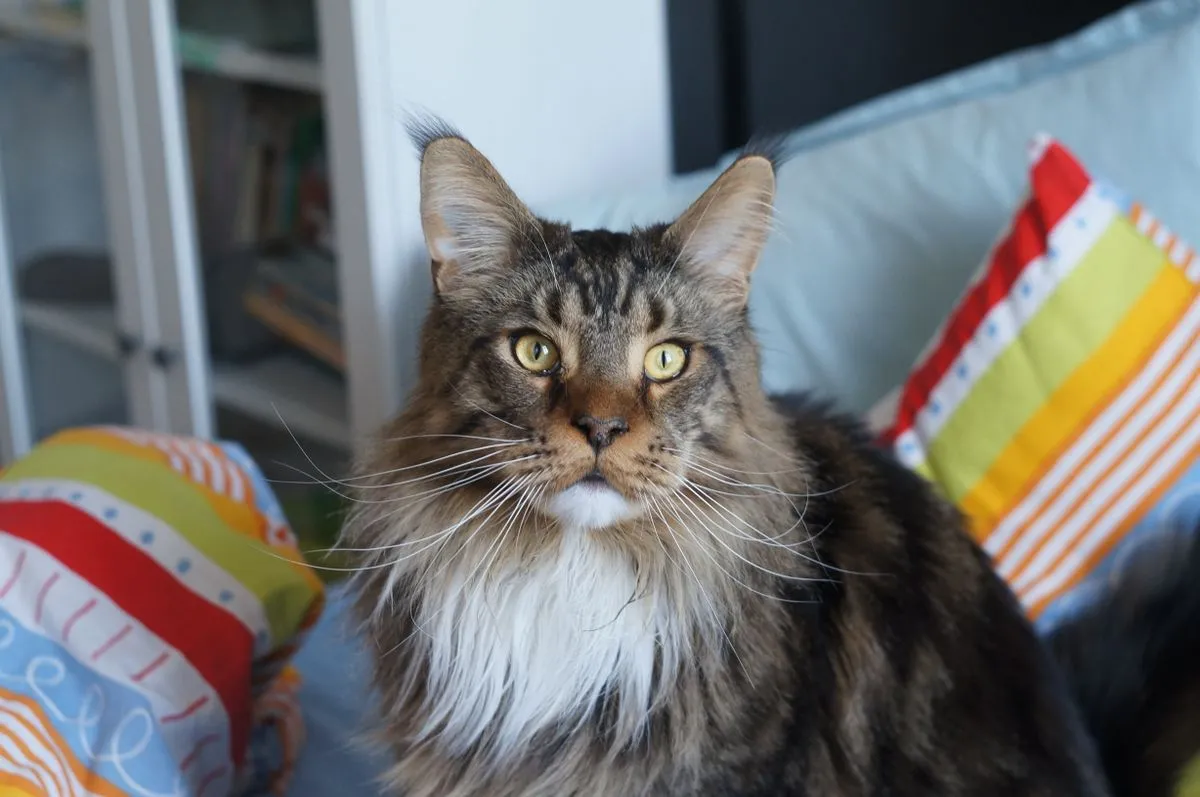
Maine Coon diarrhea is frightening the first time you see it, and then, most of the time, it turns out to be something simple: a food changed too fast, a stressful week, a treat that did not agree with them. Keep them drinking, feed them something bland, cut the extras, and watch the pattern. Trust your instincts — you know your cat’s normal better than anyone.