FIV FeLV Maine Coon – What Every Owner Should Know
The first time I heard FIV and FeLV in a vet waiting room, my stomach dropped. A Maine Coon owner nearby was trying not to cry while the vet explained a test result, and I realised how little I knew about either virus. I had assumed my big, sturdy-looking gentle giant was safe simply because he seemed healthy. FIV FeLV Maine Coon testing is one of those quiet parts of owning this breed that matters far more than most of us realise until the day it suddenly matters a lot.
This is not a scare piece. Most Maine Coons will never test positive, and a positive result is not the end of a good life. But the two viruses are easy to confuse, and outdated advice still circulates in cat groups. Here is the plain version, with the vet doing the diagnosing and me doing the everyday care.
What FIV Is
FIV stands for feline immunodeficiency virus. It is a retrovirus, which means once a cat is infected, the virus stays in the body for life. It works slowly, weakening the immune system, so the trouble it causes usually comes not from the virus itself but from other infections that take hold while the immune system is struggling.
The part owners often miss is how slow it can be. Cornell University College of Veterinary Medicine explains that many cats with FIV spend months or years with no outward signs at all, and some never move on to serious illness. Cornell also notes that recent studies suggest cats with FIV commonly live average lifespans, as long as they are not also infected with FeLV. In North America, Cornell puts FIV in roughly 2.5 to 5 percent of healthy cats. There is no cure for FIV. What there is, instead, is steady, ordinary care done well: an indoor life, regular vet visits, attention to teeth and gums, and quick action when something looks off.
What FeLV Is
FeLV stands for feline leukemia virus. It is also a retrovirus, and it also weakens the immune system, but it behaves differently from FIV in ways that matter a great deal at home. FeLV can also cause cancers and blood disorders, and Cornell calls it one of the most common infectious diseases in cats.
FeLV affects roughly 2 to 3 percent of cats in the United States and Canada, according to Cornell. A cat exposed to FeLV can fight the virus off completely, develop a regressive infection, where the virus is present but not actively replicating and the cat may stay well for a long time, or develop a progressive infection, where the virus keeps replicating and the outlook is harder. Cornell gives a median survival time of about 2.5 years after a FeLV diagnosis, while noting that this can be much longer for cats with a regressive infection. There is no cure for FeLV either. Vets treat the problems that show up, and owners provide the steady home life that gives a cat its best chance.
How They Spread, and How They Do Not
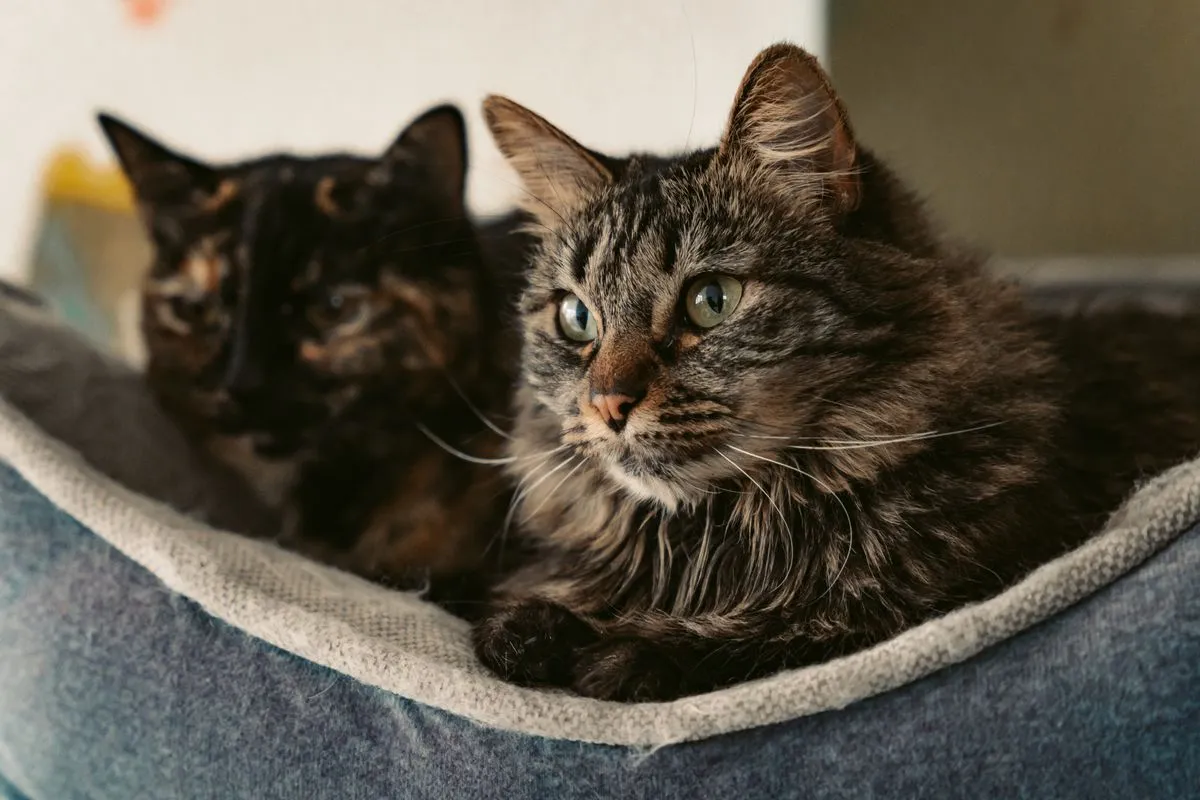
FIV spreads mainly through deep bite wounds from an infected cat. Casual contact does not spread it efficiently. Cornell is clear on this: sharing water bowls or grooming each other does not appear to be an efficient route, and cats in households with stable social structures, where housemates do not fight, are at little risk of picking it up from each other. A mother cat can pass FIV to her kittens, but Cornell says that happens only rarely.
FeLV is different, and more easily shared. Infected cats shed the virus in saliva, and also in faeces, urine and milk. Close contact is enough: mutual grooming, sharing food and water bowls, sharing litter boxes, bite wounds, and from a mother cat to her kittens before birth or while nursing. The virus does not survive long outside a cat — Cornell says probably less than a few hours — so it is prolonged close contact with an infected cat that carries the risk. Neither virus can infect people, dogs or other animals. Both are cat-only.
FIV FeLV Maine Coon Testing: When and How Your Vet Checks
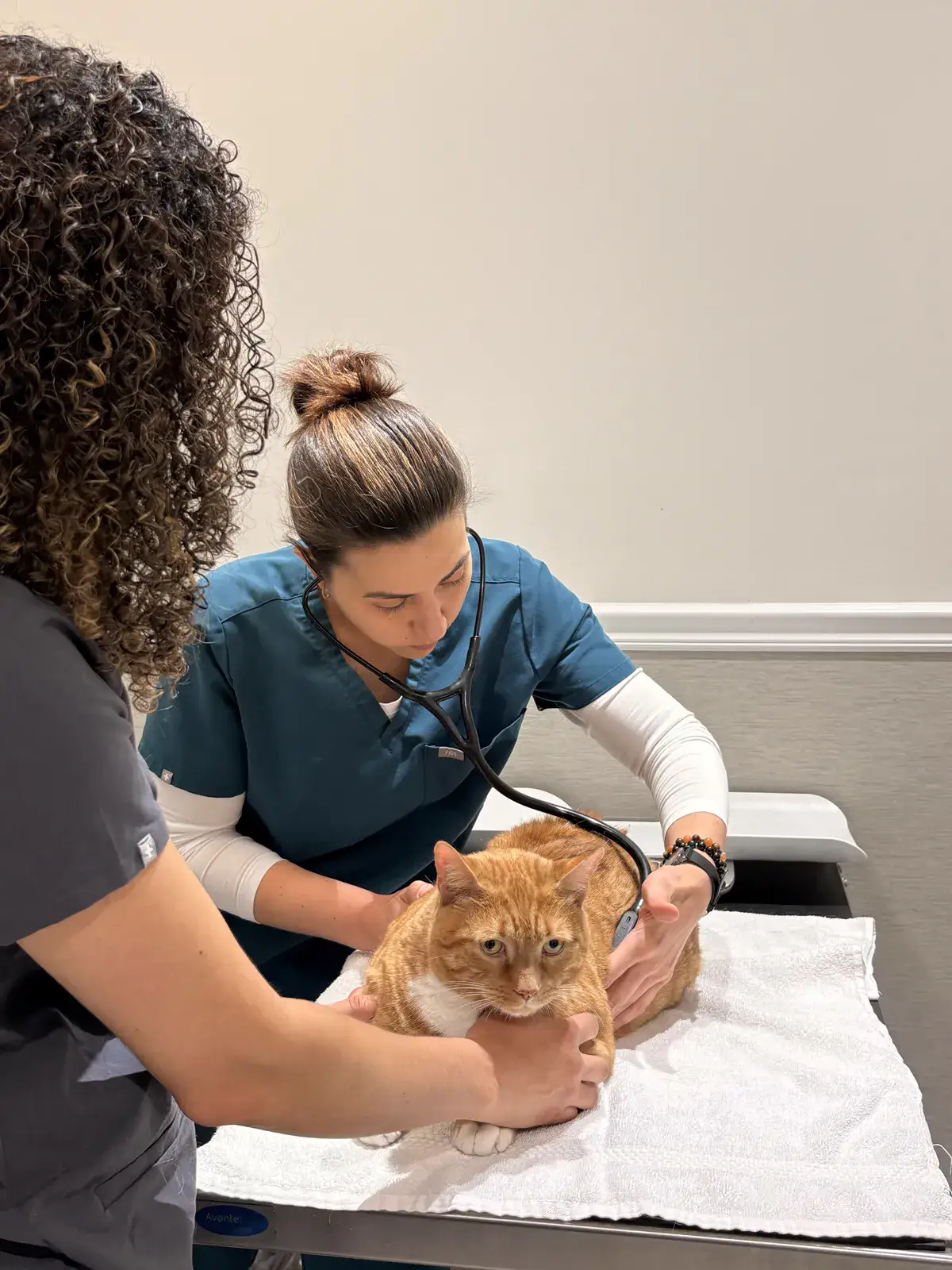
Testing is a blood test, done by your vet. The interpretation is vet work, not owner guesswork. But knowing when to ask for it, and why one result is rarely the last word, will save you confusion.
Every new cat should be tested before meeting the cats already in your home. That is the single most useful rule in this article. A kitten coming home, a rescue joining the family, a stray you have taken in — test first, introduce second. If you are bringing a kitten home, our first vet visit checklist walks through what to have ready. Testing also belongs on the list if a cat becomes ill, and regularly if a cat has any risk of exposure.
A positive result needs confirming. Cornell explains that false positives are possible with both viruses, so a positive screen in a healthy cat should be confirmed with a different test or a follow-up test at a laboratory. For FeLV, most positive results should be rechecked six to twelve weeks later. For FIV, it can take two to six months after infection for antibodies to show up, so a recently exposed cat may test negative at first and need retesting at least 60 days later. Kittens under six months who test positive for FIV should be retested at 60-day intervals until they are at least six months old, because antibodies passed from an infected mother can make a kitten test positive even when the kitten itself is not infected.
A rushed decision based on one result is exactly what the retesting exists to prevent. Ask your vet what the result means, what the next test should be, and when. A Maine Coon breeder on Instagram recently shared a health-certificate day for a litter, showing the kittens tested for FIV, FeLV and parasites, all negative, before going to their new homes. That is the standard to look for.
What a Positive Result Means Day to Day
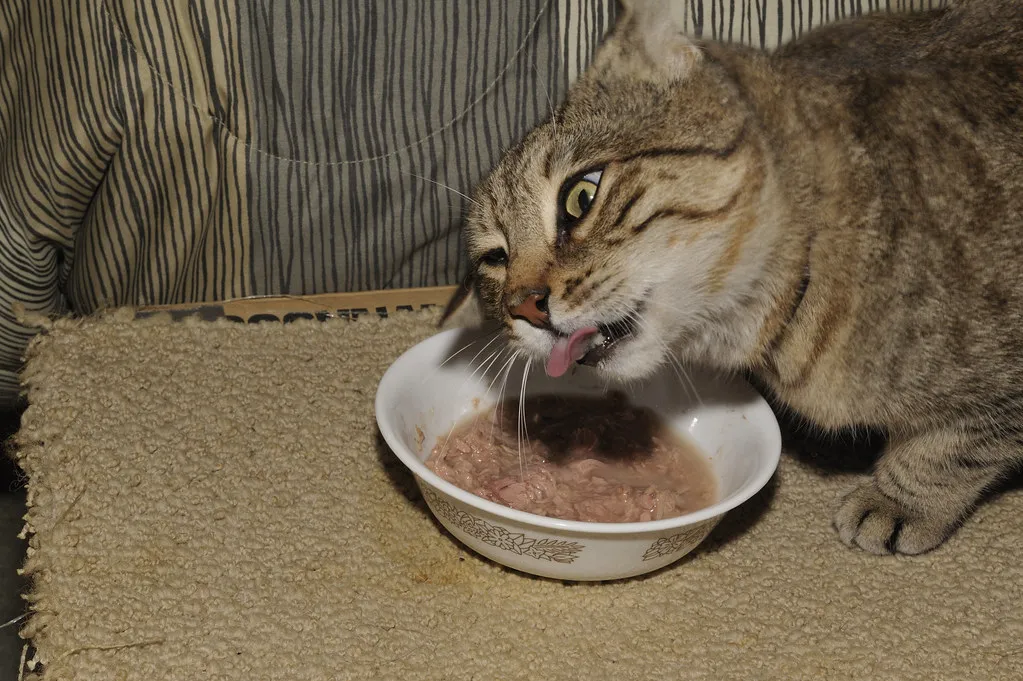
A positive result changes the routine, not the relationship. The cat in front of you is the same cat who headbutted your hand that morning. What changes is how carefully you watch, how often the vet sees them, and how firmly indoor life is kept.
For an FIV-positive Maine Coon, daily care means protection from secondary infections. Cornell recommends wellness visits at least every six months, with weight measured carefully each time, because weight loss is often the first sign that something is shifting. Teeth and gums deserve special attention, since inflammation of the mouth is common in FIV-positive cats. Keep the cat indoors, feed a complete and balanced diet, and skip uncooked food and unpasteurised dairy.
For a FeLV-positive Maine Coon, the watch list is similar but the stakes around other cats are higher. Cornell advises keeping infected and uninfected cats separate, with separate food and water bowls and litter boxes, because FeLV spreads through the close contact of everyday shared living. Watch weight, appetite, activity, mouth, eyes and litter habits, and call the vet promptly when anything changes.
Can an FIV-positive cat live with negative cats? Owners on forums describe this often, and the picture matches what Cornell says: in a calm household where the cats get along and do not fight, the risk of FIV passing between housemates is low. Some describe FIV-positive cats living for years alongside negative housemates, and one reaching sixteen after a life indoors. Talk it through with your vet for your particular cats. FeLV is stricter: keeping FeLV-positive and FeLV-negative cats apart is the standard advice, and an FeLV-positive cat is best placed either as an only cat or with other FeLV-positive cats. Owners across Reddit threads and cat forums repeat one thing: they wish they had known sooner that a positive FIV result is not a reason on its own to give up a cat.
Prevention That Actually Works
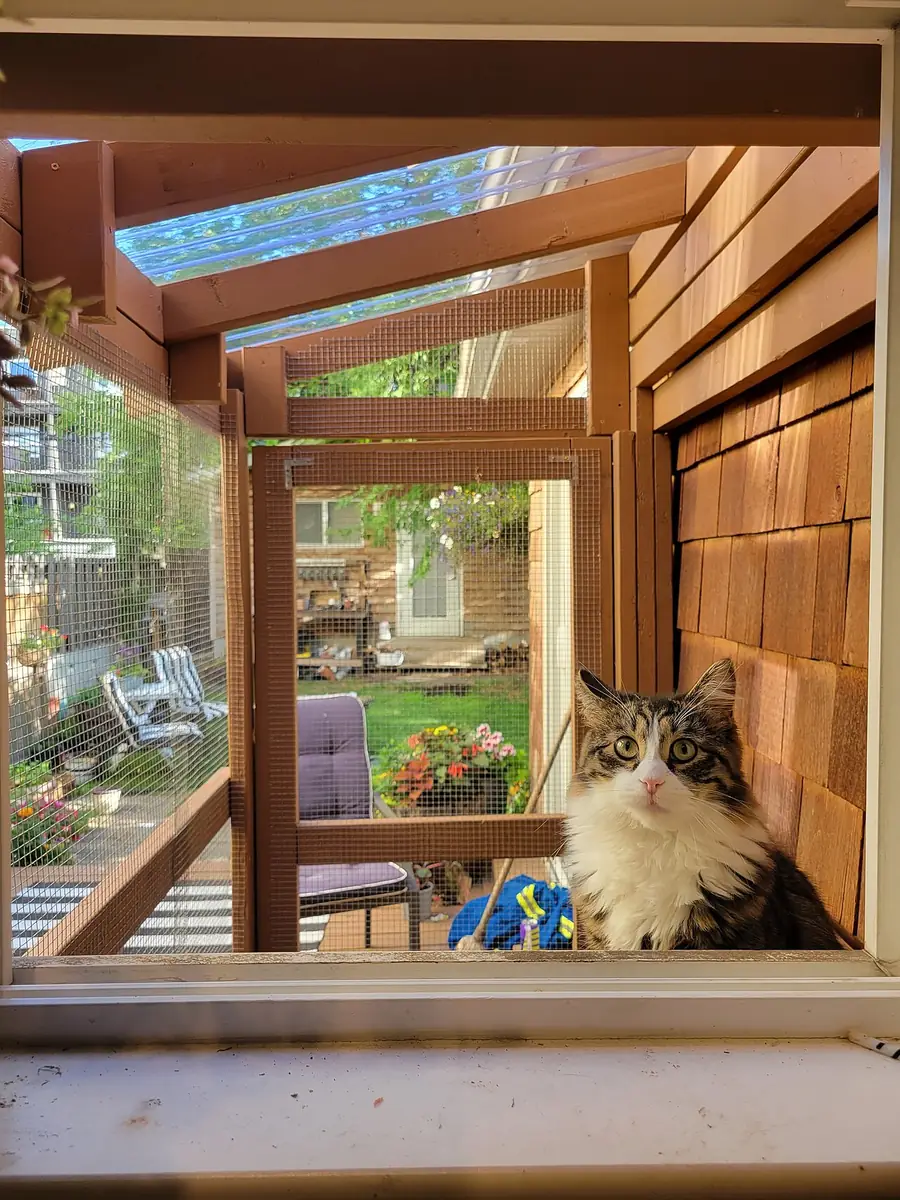
Keep your Maine Coon indoors, or in a secure enclosure such as a catio. This is the single biggest protective step for both viruses: no roaming means no fights with unknown cats and no close contact with infected strays. Any new cat should be tested before it meets your resident cats. A rescued Maine Coon-type kitten shared in a Facebook group recently had tested negative for FIV and FeLV after a difficult start, and her new family was introducing her slowly to their other pets with that result in hand. Test, then introduce.
Ask your vet about FeLV vaccination for your cat. I am deliberately not laying out a schedule here, because that belongs in our vaccination schedule guide. Cornell now counts FeLV vaccination as a core vaccine for kittens, and it reduces risk without protecting every vaccinated cat. There has been no commercially available FIV vaccine in North America since 2016, so indoor living and testing carry the weight for FIV prevention. Spaying and neutering also help, by reducing roaming and fighting.
When to Call the Vet
Know your own cat, and call the vet when the pattern changes. For a cat living with FIV or FeLV, the signs worth a prompt call include loss of appetite, steady weight loss, a dull coat, pale gums, swollen lymph nodes, a fever that does not settle, mouth trouble, recurring infections, persistent diarrhoea, and changes in behaviour or energy. A pattern over several days is worth a call. Our lifespan and health guide covers how long Maine Coons usually live and which health issues to watch as they age.
Frequently Asked Questions
Can my Maine Coon catch FIV or FeLV from another cat at the vet?
Brief contact in a waiting room is not how these viruses usually spread. FIV needs a deep bite wound, and FeLV needs prolonged close contact. Tell your vet if your cat is positive, and keep your cat in its carrier.
Can an FIV-positive Maine Coon live with my other cats?
Often, yes, if the cats get along and do not fight. Owners and Cornell alike describe a low risk in calm, stable households. Ask your vet about your household first, since a known fighter should not be placed with negative cats.
Can a FeLV-positive Maine Coon live with my other cats?
As a rule, no. Because FeLV spreads through grooming and shared bowls and litter boxes, infected and uninfected cats should be kept separate. An FeLV-positive cat does best as an only cat or with other FeLV-positive cats. Ask your vet if separation is difficult in your home.
Will my kitten test positive for FIV because its mother was positive?
It can test positive from the mother’s antibodies without being infected itself. Kittens under six months who test positive should be retested every 60 days until they are at least six months old. If the test is still positive after six months, the kitten almost certainly has a true infection.
Can I catch FIV or FeLV from my cat?
No. Both viruses infect only cats. There is no evidence either can infect people, dogs, or other animals. Normal hygiene, such as washing hands after handling litter, is all that is needed.
The Short Version
FIV and FeLV are not the same virus, they do not spread the same way, and they do not carry the same outlook. FIV spreads mainly through deep bite wounds and many positive cats live average lifespans with good indoor care. FeLV spreads through close contact and saliva, needs stricter separation from negative cats, and carries a harder outlook. Both are found by a vet blood test, both need a positive result confirmed and sometimes retested, and neither has a cure — which is why prevention, testing new cats, and keeping your Maine Coon indoors matter so much.
If you are reading this because a result just came back positive, take a breath. Ask your vet what the result means, what the next test is, and what the plan looks like. Then go home, feed your cat, sit with them, and carry on. The best care for a positive cat is mostly the care you were already giving — done a little more carefully, a little more often, with a vet who knows your cat by name.
For a deeper read, Cornell University College of Veterinary Medicine covers Feline Immunodeficiency Virus (FIV) and Feline Leukemia Virus (FeLV) in full, VCA Animal Hospitals explains the Feline Leukemia Virus Disease Complex, and The International Cat Association offers a plain guide to Living with FIV.