When to Spay or Neuter a Maine Coon: Timing for a Slow-Growing Breed
The Question That Stresses Every Maine Coon Owner
When to spay a Maine Coon is the question I hear — and felt myself — more than almost any other. You bring home this enormous-pawed, tufted-eared kitten, your regular vet says “see you at six months for the spay,” and then you go online and read that Maine Coons keep growing for three to five years. Suddenly the standard answer doesn’t feel standard anymore. If this breed is still basically a teenager at eighteen months, are you really supposed to take them in at five or six months like any other cat?
I wrestled with this exact thing. What I can give you is what the current vet organizations say, why Maine Coons specifically make people hesitate, what the “waiting makes them bigger” debate really looks like, and the questions worth asking your own vet — so you make this call with confidence instead of panic.
Why This Breed Makes the Timing Feel So Confusing
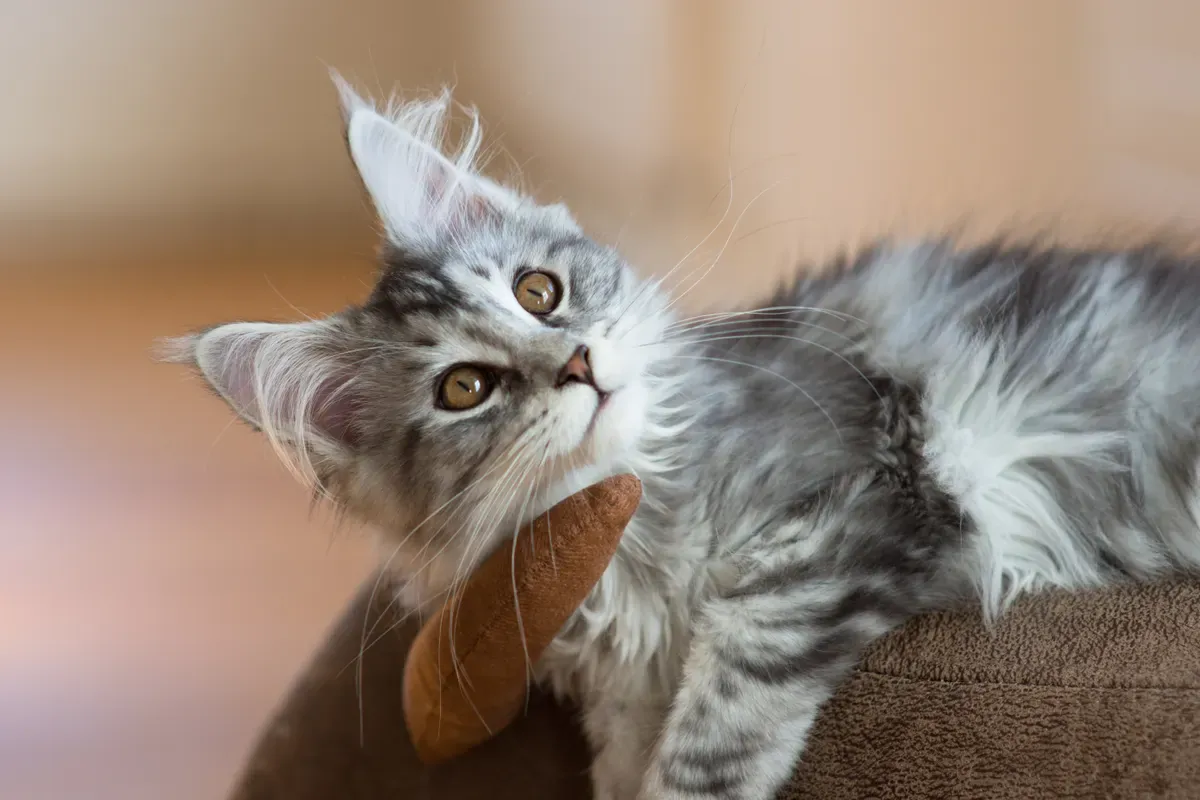
Most house cats are done growing around a year old. Maine Coons are not most house cats. They’re a large-to-giant breed — mature males commonly land in the 15–25 pound range — and the breed is famous for continuing to fill out for three to five years. That’s the whole reason this question exists.
Because when you hear “sterilize by five months,” your brain does quick math: five months is nothing in the life of a cat who won’t be fully mature until year three. It feels like operating too early on a frame that isn’t finished. A lot of owners in breed groups describe exactly this unease — their vet gives the standard timeline, but everything they’ve read about the breed’s slow maturation makes them second-guess it. It’s a reasonable question to ask. It just deserves a factual answer rather than a scared one.
When to Spay a Maine Coon: What Veterinary Medicine Recommends
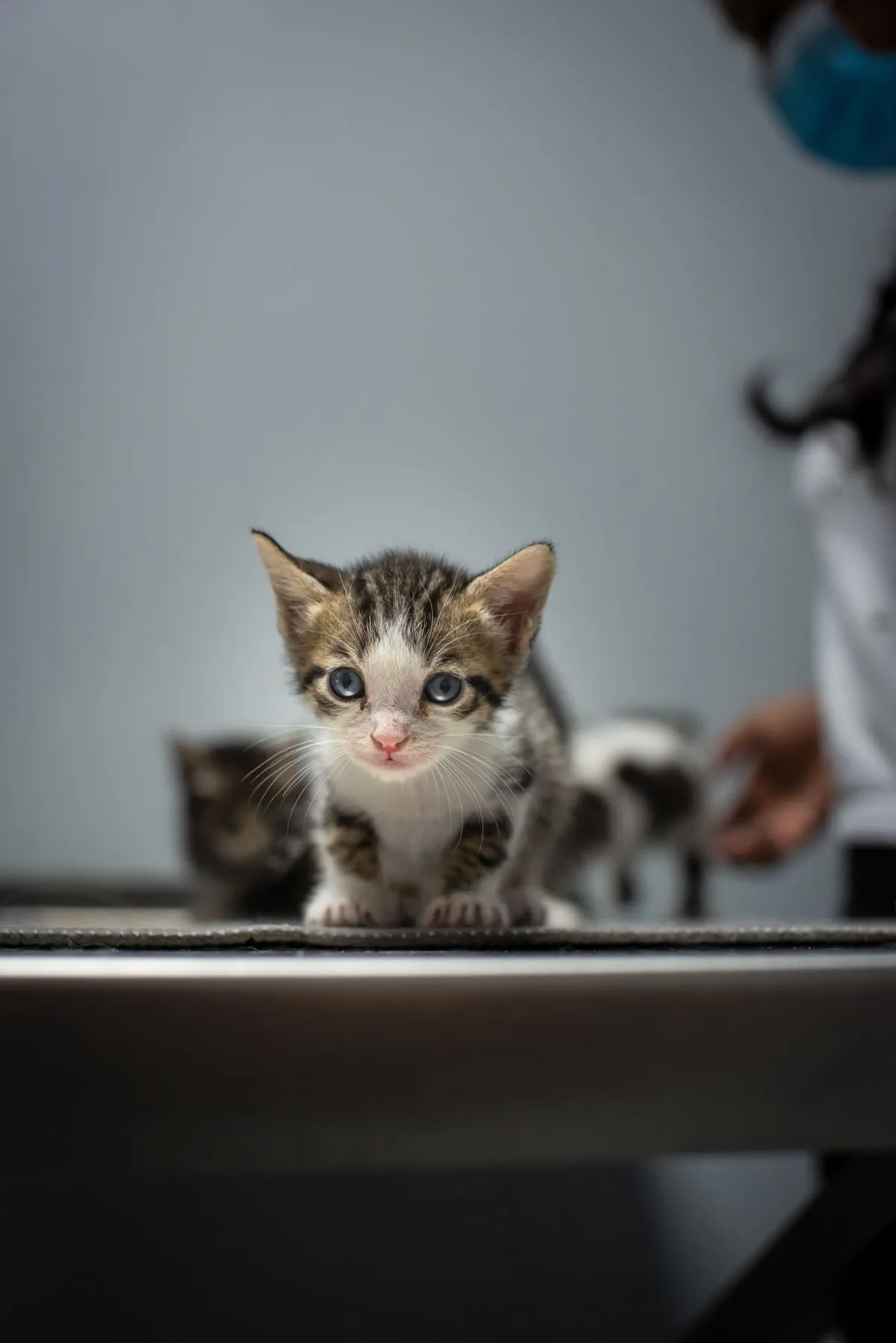
Let’s start with what the actual guidelines say, because this part isn’t controversial in feline medicine.
The American Animal Hospital Association runs a program called “Fix Felines by Five,” and its position is straightforward: cats should be sterilized by five months of age. The reasoning is practical. Female kittens can enter their first heat cycle as young as four months, and usually do by five or six months. Sterilizing before that point prevents unwanted litters, greatly decreases mammary cancer risk in females, and significantly reduces spraying and marking behavior in males — while still allowing kittens time to grow. Kittens done at this age also bounce back from surgery remarkably fast.
This isn’t one organization’s quirk, either. The American Association of Feline Practitioners issued a 2020 position statement recommending sterilization by about five months of age, concluding it is safe and helps prevent unwanted litters and the behavior problems tied to sexual maturity. The AVMA, the Cat Fanciers’ Association, and more than a dozen state veterinary associations have endorsed the same concept. Experienced spay/neuter surgeons note the procedures are actually easier and quicker in cats younger than five months, with faster anesthesia recovery and no increase in major complications.
So the mainstream answer to when to spay a Maine Coon or neuter one: around five to six months, before the first heat, like most other cats. No major feline organization has issued a breed-specific exception for Maine Coons.
The Growth Myth: Does Waiting Make Them Bigger?
This is the debate that will not die, so let’s look at it squarely.
The claim you see constantly in owner groups: keeping a Maine Coon intact longer — giving them “the hormones” — lets them grow bigger. On a recent Facebook video, a TICA-registered breeder who spays and neuters all her kittens at fourteen weeks before they go home had to field this exact objection from a customer who didn’t want his kitten fixed because “they won’t grow as big.” Her answer was blunt: that’s not how it works, and she won’t sell to someone who insists on it. The comment section exploded — supporters sharing stories of enormous neutered Maine Coons, skeptics insisting a giant breed needs its hormones.
Here’s what the actual picture looks like. Feline veterinary research doesn’t support the idea that neutering timing meaningfully changes a cat’s final adult size. What determines how big your Maine Coon gets is genetics (their parents’ lines) and nutrition during growth — some bloodlines simply produce leggier cats and some produce stockier ones, regardless of when surgery happens. The orthopedic worries about early neutering come overwhelmingly from the dog literature, and importing them to cats is a category error.
So no: waiting until your Maine Coon is a year old will not produce a twenty-five-pound giant out of genes that code for eighteen pounds. If you want a big cat, buy from big lines and feed them well.
What Waiting Actually Risks

If the growth argument is mostly myth, the other side of the scale is very real. Waiting has costs, and owners on Reddit and breed forums describe them in vivid, exhausted terms.
Spraying. Puberty in cats begins around four to eight months. An intact male Maine Coon who starts territorial spraying doesn’t just do it a little — owners describe it as a war, and once the habit locks in, neutering later sometimes doesn’t fully erase it. Intact females can spray too.
Heat cycles. A female in heat is loud, restless, and relentless — and Maine Coons are already a vocal breed. Multiple owners in community threads describe weeks of howling and escape attempts. One cycle is often enough to make people wish they’d scheduled the spay sooner.
Accidental litters. If there’s an intact male anywhere in your life — a housemate’s cat, a neighbor’s outdoor cat, a “just for a minute” slip out the back door — a female in heat can become pregnant fast. This matters doubly if you signed a breeder contract: most require proof of spay/neuter, typically between six and twelve months, and an accidental litter violates it. Check your contract before anything else — it’s a legal agreement, and blowing past the deadline can cost you your health guarantee. Most breeders will allow a few weeks’ flexibility for a genuine medical reason, but you need to tell them before the deadline passes, not after.
Health risks of remaining intact. Spaying before the first heat substantially reduces mammary cancer risk. Spaying eliminates the risk of pyometra, a potentially life-threatening uterine infection. These are the quiet benefits nobody talks about until they’re in an emergency vet waiting room.
None of this means you’re a bad owner for asking your vet about a slightly later date. It means the conversation should weigh these concrete risks — not the growth myth.
How to Talk to Your Own Vet About Timing
Here’s where I land, and where I’d encourage you to land: this is a conversation to have with your vet, who has seen your actual cat, weighed them, and knows their development. Walk in informed, not anxious. A few questions that genuinely help:
- “Given my kitten’s current weight and development, are you comfortable with the five-to-six-month window?”
- “Are there any reasons to wait a bit longer for my specific cat?” Undescended testicles, slow weight gain, or a health issue are all legitimate reasons a vet might push the date.
- “What signs of puberty should I watch for while we wait?” Knowing what spraying-precursor behavior or early heat looks like means you can call and move the date up.
- “Can we book it now?” Scheduling ahead removes the “I’ll get to it” drift that turns six months into ten.
If you haven’t already, this is also a natural thing to fold into your kitten’s first vet visit checklist — the timing discussion belongs in those early appointments, not in a panicked phone call when your five-month-old starts yowling at 2 a.m.
One more thing worth saying plainly: if your female does end up going through a heat before her spay date, don’t panic and don’t let anyone shame you about it. It happens, especially with this breed’s individual variation. Get the surgery scheduled as soon as your vet advises. (And if you’re curious about the reproductive side of things more broadly, I have a separate guide on Maine Coon pregnancy and birth — different topic entirely, but it covers what responsible breeding actually involves.)
The Bottom Line
The mainstream veterinary answer to when to spay a Maine Coon is five to six months, before sexual maturity — and no major feline organization carves out an exception for this breed’s slow growth. The “wait for them to get bigger” instinct is understandable but mostly myth: genetics and food decide size, not the calendar date of surgery. What waiting does concretely risk is spraying, heat cycles, accidental litters, and a missed breeder-contract deadline.
Your vet may adjust the window a little for your individual kitten, and that’s fine — that’s what the conversation is for. Just have it early, book the date, and don’t let internet anxiety talk you into drifting past puberty. And remember, the surgery date is one small piece of the first year — your kitten’s early care routine has a far bigger influence on the adult cat they’ll become.
Frequently Asked Questions
Does neutering early stunt a Maine Coon’s growth?
No. Feline veterinary research doesn’t support the idea that neutering timing changes final adult size in cats. Genetics — the size of the parents’ lines — and nutrition during the growth years are what determine how big your Maine Coon gets. Some early-neutered cats may end up very slightly leggier, but this isn’t documented to cause health problems in cats.
What age do Maine Coons reach sexual maturity?
Typically between four and nine months, with females often able to enter their first heat as young as four months. This is why veterinary organizations recommend sterilization by about five months — it’s timed to land before puberty in most cats, even though the breed won’t be fully grown for years afterward.
My breeder says to wait until a year. What should I do?
Take the contract seriously and talk to your vet honestly. Breeder requirements are real agreements, and most set a deadline between six and twelve months. If your vet recommends earlier surgery for health or behavior reasons, contact your breeder and discuss it — many will grant a short extension for a genuine medical reason, but they need to hear from you before the deadline passes.
Will spaying or neutering make my Maine Coon overweight?
The surgery itself doesn’t make cats fat, but it does lower their metabolic rate — neutered cats need fewer calories. Maine Coons are already enthusiastic eaters, so portion control after surgery matters. This is a feeding adjustment, not a reason to delay the procedure.
Is it safe to spay or neuter a kitten that’s still small for its age?
That’s your vet’s judgment call, and it’s a perfectly good question to ask. Some vets prefer a bit more body weight on a slow-maturing large-breed kitten before anesthesia. If your kitten is undersized, your vet may suggest waiting a few weeks and rechecking — which is medical caution, not a reason to drift past puberty.