Moving House With a Maine Coon: A Calm Move, Room by Room
Moving with a Maine Coon taught me something no packing checklist ever did: the move is not about boxes. It is about how much of your cat’s world you can keep intact while everything around him changes. On my first move, I opened the carrier in a half-empty new house full of strangers, and my boy vanished behind a washing machine for six hours.
The second move went differently. His routine stayed, his smells travelled with him, and he got exactly one room to learn before the rest of the house was asked of him. Here is the room-by-room way I do it now.
Before You Pack: Keep the Routine Boring
Cats notice a move long before moving day. Owners on Reddit say the same thing again and again: the packing phase is when the stress starts, not the car ride. So keep everything that can stay the same exactly the same — feed at the usual times, in the usual bowls, in the usual spot, and play at the usual time.
Pack a “cat kit” that travels with you, not with the movers: a few days of his usual food and litter, his bowls, a blanket he sleeps on, a couple of familiar toys, any medication, and his carrier. Leave his bed and blankets unwashed — those smells are currency in the new house. Owners in cat forums also swear by bagging a sealed scoop of used litter to carry over, so the new litter box already smells like his.
If your cat panics badly around strangers or travel, talk to your vet before moving day — or board him for the day itself, so he skips the chaos.
Moving Day: A Safe Room at the Old House First
Moving day has one golden rule: the cat must never be loose in a house full of open doors and people carrying furniture. Cornell’s behaviour vets have said the same for years — confine the cat to a bedroom or bathroom with a note on the door. I learned this when a helper opened “just one door” and my boy shot into a hallway full of boxes.
Before the movers arrive, put your cat in one room in the old house with his litter box, food, water, bed, and carrier, and tape a sign to the door: “CAT INSIDE — DO NOT OPEN.” Tell every mover personally — signs get missed.
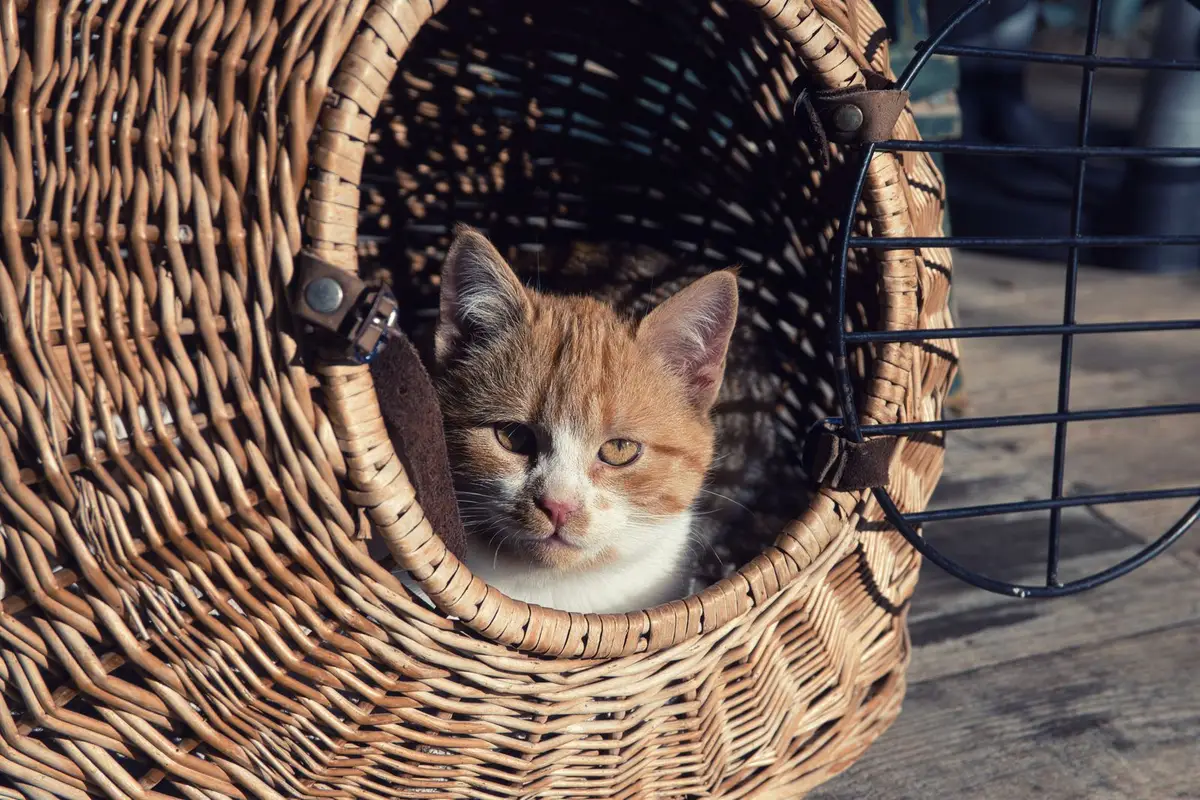
Load him into the carrier in that room, with the door closed, and double-check the latch before anyone opens the room door. Use separate carriers for multiple cats — a frightened cat can turn on its housemate. I cover carrier sizing in my guide to travelling with a Maine Coon; the moving-day version is simple: closed room, latched carrier. Move the cat either first or last — owners on Facebook argue both sides, but both work. What does not work is letting him watch his world being dismantled from a hallway while doors stand open.
Setting Up One Base Room First
At the new house, reverse the process. Before the cat arrives, set up exactly one room — not the whole house — fully furnished with his things: litter box, food, water, bed, a hiding spot, a scratching post, and a couple of toys. VCA’s guide to moving to a new home with cats makes the same recommendation: a cat can learn one room. A whole house is a foreign country.
Choose a quiet room with a door that closes — a spare bedroom is ideal. If the previous occupants had pets, clean the room well first. PetMD’s moving guide gives the same advice: set the cat up in one room before unpacking anything else.
Set the carrier down in the base room, open the door, and walk away. Do not drag him out or invite the neighbours in to meet him. He will come out when the room feels safe enough — ten minutes or ten hours. Keep the door closed for days, not hours, and unpack the base room first, before the kitchen or bedroom.
Scent and Furniture Continuity: Move His World, Not Just His Stuff
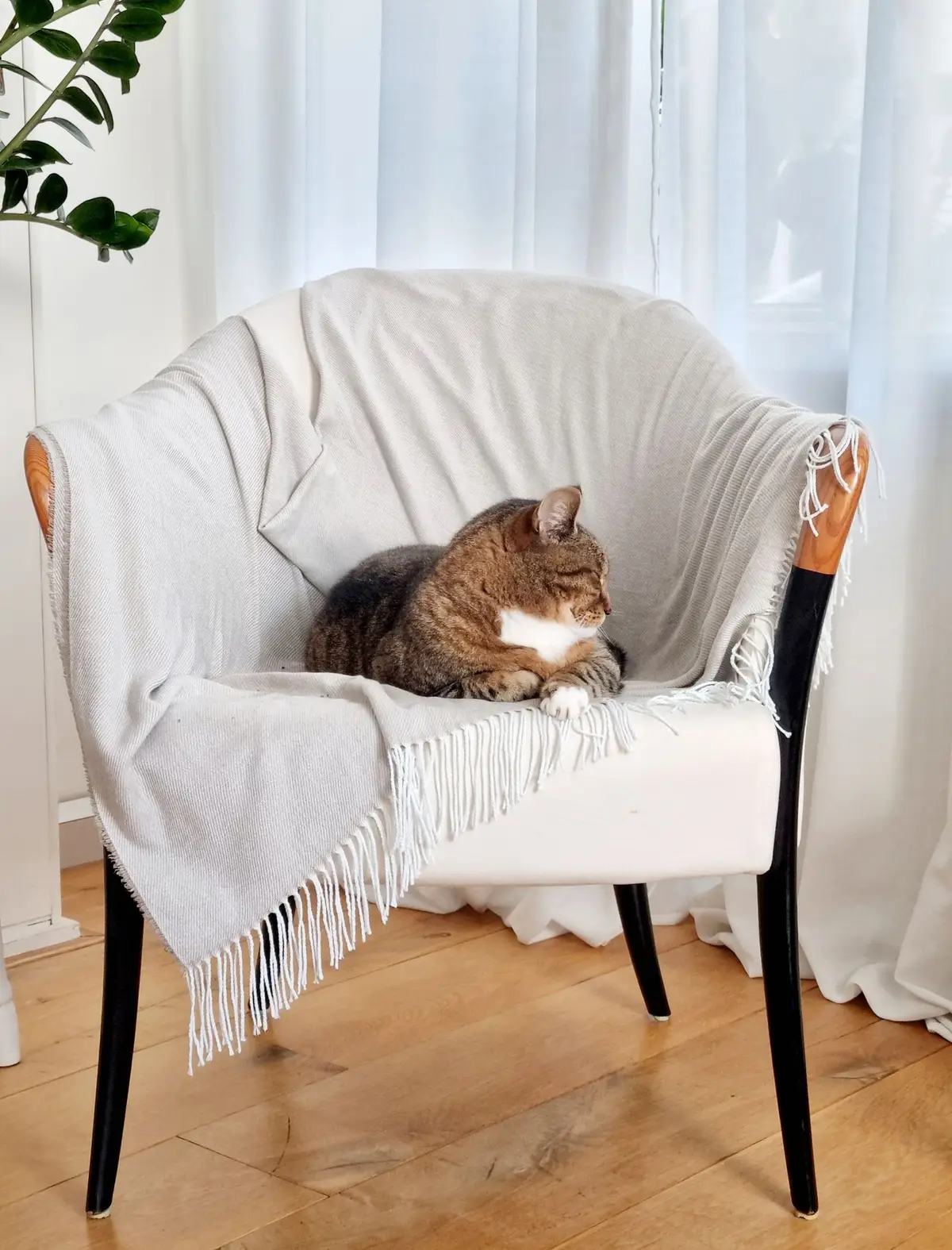
Cats live by smell, and a new house smells like nothing they know. Your job is to seed it with smells that say “you live here”: his unwashed bed and blankets in the base room before he arrives, his usual scratching post — not a brand-new one — and, if it made the move, his favourite chair or bed, placed there first.
Owners in cat communities say the cats who settle fastest are the ones who find their own furniture waiting for them. A new house full of new furniture is a hotel; a new house with his chair in it is home, just in a different postcode. So do not wash his bedding the week of the move, buy all-new bowls, or switch his litter brand mid-move. You can upgrade the litter box later — see my guide to the best litter box for a Maine Coon — but the move is not the week to act on it.
Once he explores beyond the base room, scatter his scent deliberately: a slept-on blanket on the sofa, or a worn T-shirt of yours on a chair, gives each new room a familiar marker. Owners on TheCatSite describe doing exactly this.
Hiding, Then Exploring: Let Both Phases Happen
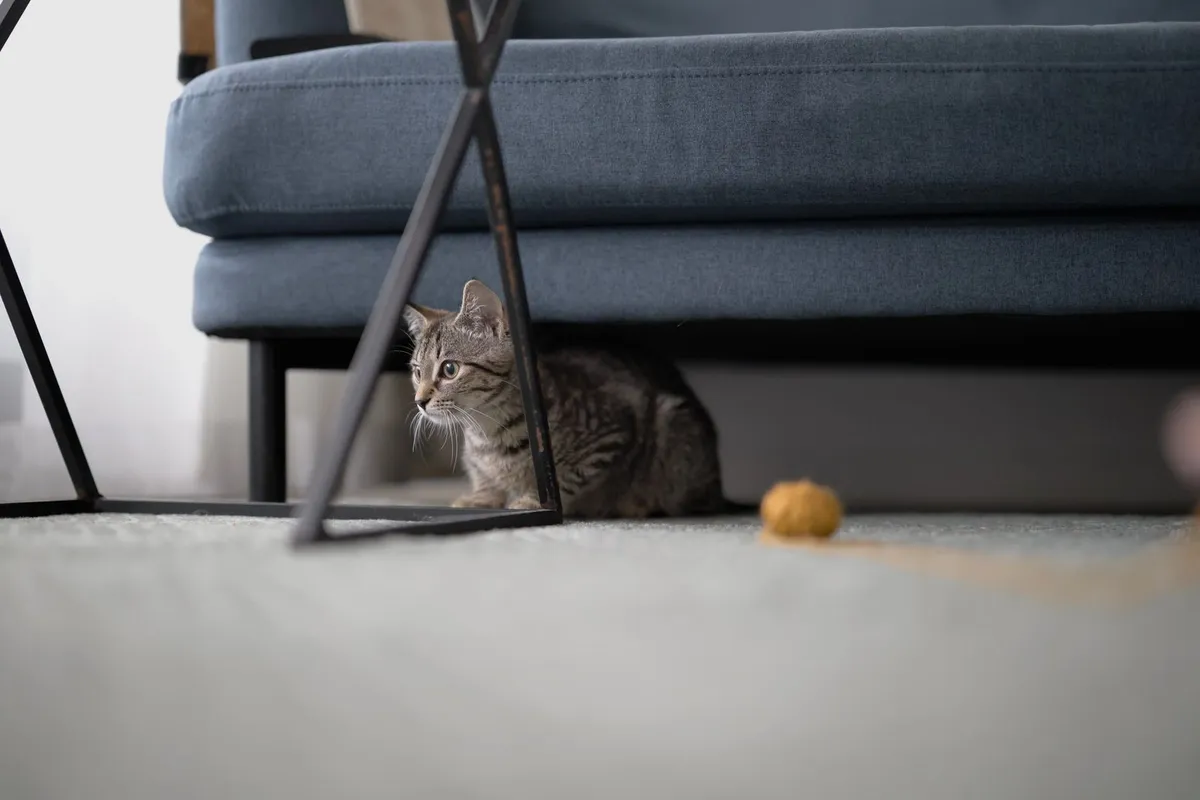
Almost every cat hides in a new house. Maine Coons are no exception, even the confident ones people expect to march straight in and claim the sofa. Mine hid behind a washing machine; other owners report cats vanishing under beds and inside wardrobes. Hiding is not rejection — it is how a cat processes a new territory, from a safe vantage point, on their own schedule.
Do not pull him out or block his hiding spot to “encourage” him. Put food, water, and the litter box within easy reach of wherever he has chosen, and sit quietly in the room doing something boring. A cat who watches his human sit calmly learns more than a cat who is chased into bravery.
The exploring phase follows in its own time: a nose out of the base room door, a dash down the hallway, a retreat. Then a longer wander. Then a nap in a sunbeam in a room that was terrifying yesterday. Let him set the pace, leave the base room door open once he ventures out, and reintroduce other pets gradually through scent, since a move shakes up the social order between cats.
Litter, Food, and Water Placement in the New House
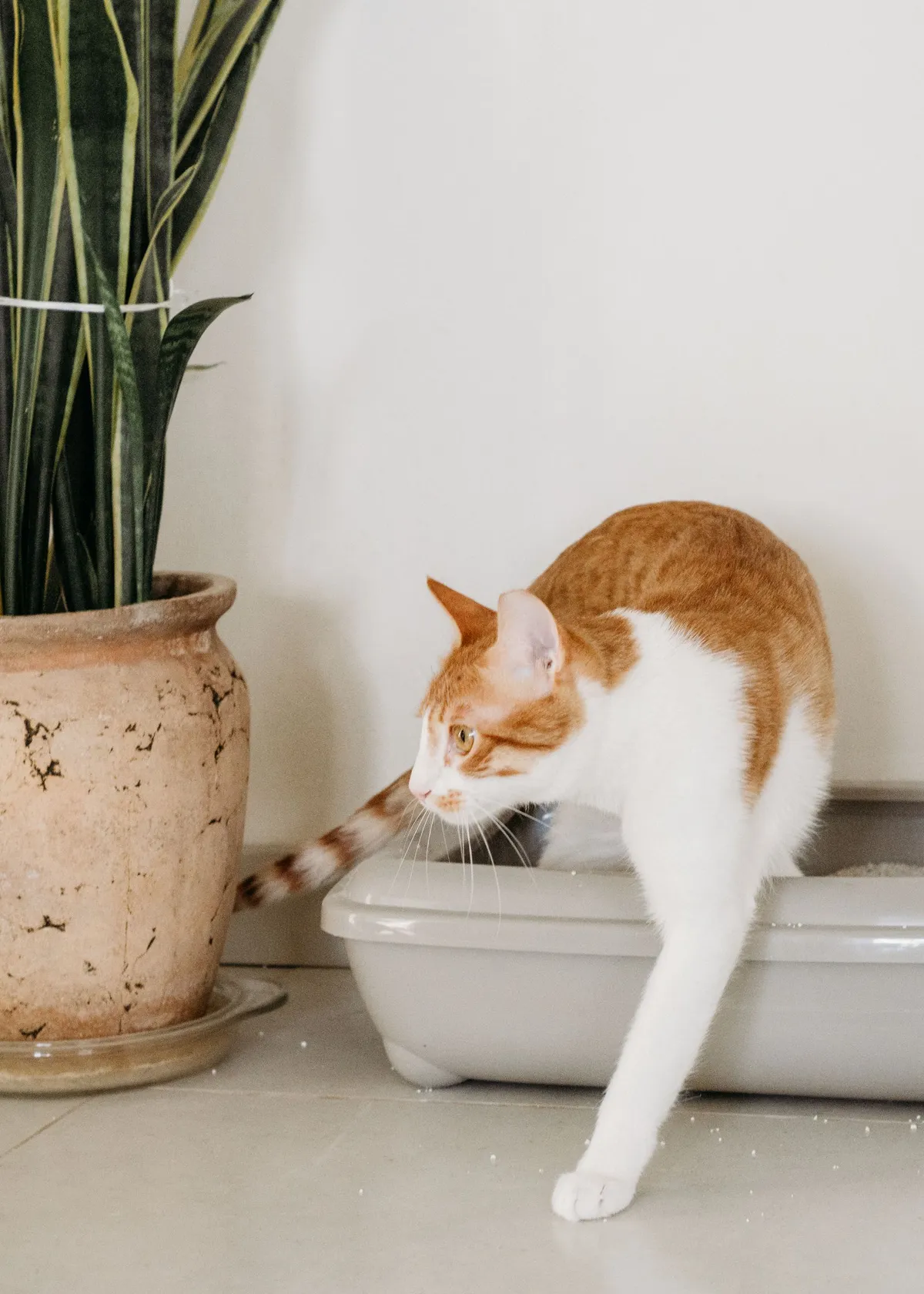
Placement mistakes cause more post-move accidents than any other single thing. Keep the litter box in the base room, away from food and water, exactly as it was in the old house. Do not move it to a “better” spot in the first week — a cat who cannot find the box will improvise.
Once he is confidently using the base-room box, you can add a second box in its long-term spot and let him discover it at his own pace. The same rule applies in a small space — see my guide to Maine Coon apartment living.
Food and water go in the base room too, in the same bowls, on the same schedule, with the same food. Do not change diets mid-move. If he skips a meal on moving day, do not panic — most cats eat once the house goes quiet. Keep the food near his hiding spot, and call your vet only if he has eaten or drunk nothing at all after a full day.
When Hiding Becomes a Vet Question
Most hiding after a move is normal and passes. Some of it is not. Call your vet if any of these show up: no food or water for more than a day, no urination for a day, vomiting or diarrhoea that does not settle, or hiding that gets worse rather than better after the first week.
Stress can also show up as over-grooming, going outside the litter box, or a sudden change in how vocal he is. One of those briefly is usually just stress; several together, or any persisting, deserves a vet’s eyes. Trust the trend: getting slowly braver is normal, even if slowly means one new room a week. Getting worse is not. While you are at it, update his microchip details and ID tag with the new address in the first week.
The First Week of Moving With a Maine Coon: A Realistic Timeline
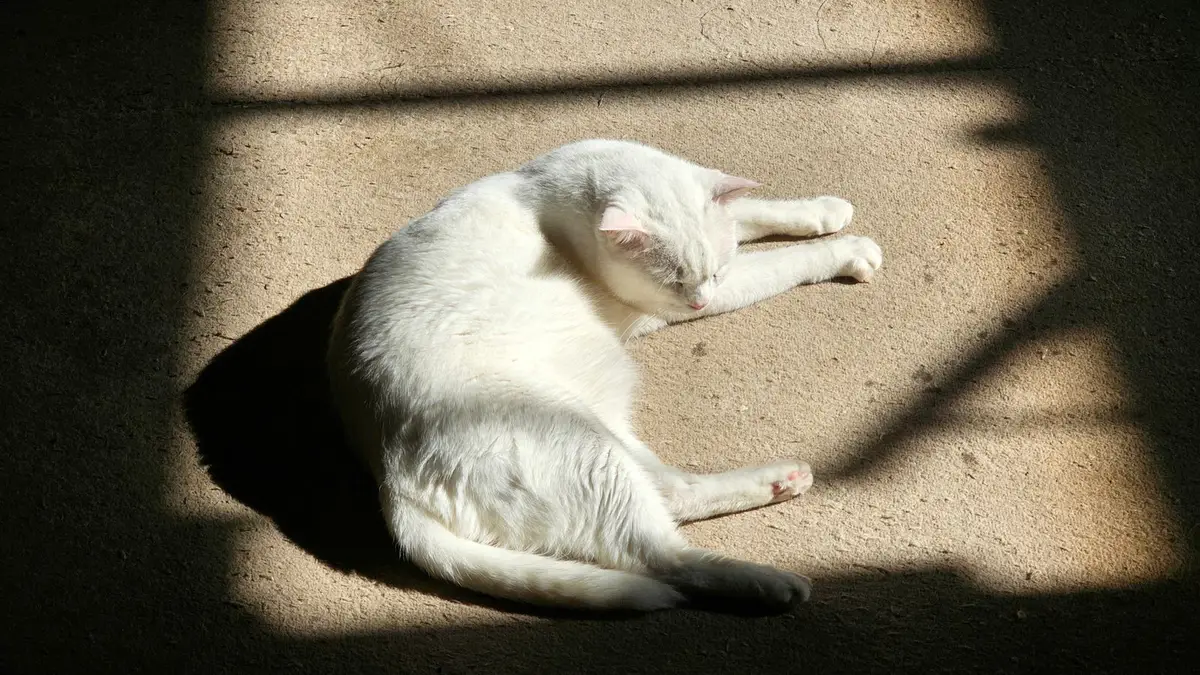
How long does settling take after a move? It depends on the cat. But there is a shape most owners recognise. The first three days are the adjustment phase: hiding, cautious eating, and a cat who treats the base room as the entire world. This is not failure. By week’s end, most cats are eating normally and venturing out in short trips. By three weeks, most have a routine: favourite spots, meal-time expectations, a sense of the rooms.
Then there is the Maine Coon wrinkle. This is a slow-maturing breed, and younger ones can take longer to feel fully at home than a confident adult moggy. My youngest took a full month before he stopped checking every doorway. Owners on Reddit say the same: the settling looks done at three weeks, and then one day, weeks later, he finally, fully relaxes.
So judge by direction, not by date. Is he eating? Exploring a little further each week? Keep the base room available for weeks, not days. Night one itself is covered in my guide to a Maine Coon kitten’s first night home, so I won’t repeat it here.
Frequently Asked Questions
How long will my Maine Coon hide after moving house?
Some hide for a few hours, some for a few days, and some for a week or longer — all of that is normal. Let him hide, keep essentials near his hiding spot, and judge by whether he is slowly getting braver.
Should my Maine Coon stay in one room after a move?
Yes, start with one base room for at least the first few days. A single room he can learn completely is far less overwhelming than a whole new house. Open up one room at a time, and always leave the base room available.
Should I move my cat first or last on moving day?
Either works, as long as the cat is never loose in a house full of open doors. Moving him last keeps him in the old house longest; moving him first settles him in the new base room before the movers arrive.
Should I wash my cat’s bedding before moving?
No — move it unwashed. Familiar smells are the fastest way to make a strange room feel like home.
When should I worry about my Maine Coon after a move?
Call your vet if he has not eaten or drunk anything for more than a day, has not urinated for a day, has ongoing vomiting or diarrhoea, or if hiding gets worse after the first week. Getting slowly braver is normal; getting worse is not.
A Final Thought
A house move asks a lot of a cat. Everything he knows is replaced in a single day, and he gets no explanation. What he does get, if you plan it right, is the same food at the same time, the same blanket smelling of home, one room that is his from the first hour, and a human who does not rush him.
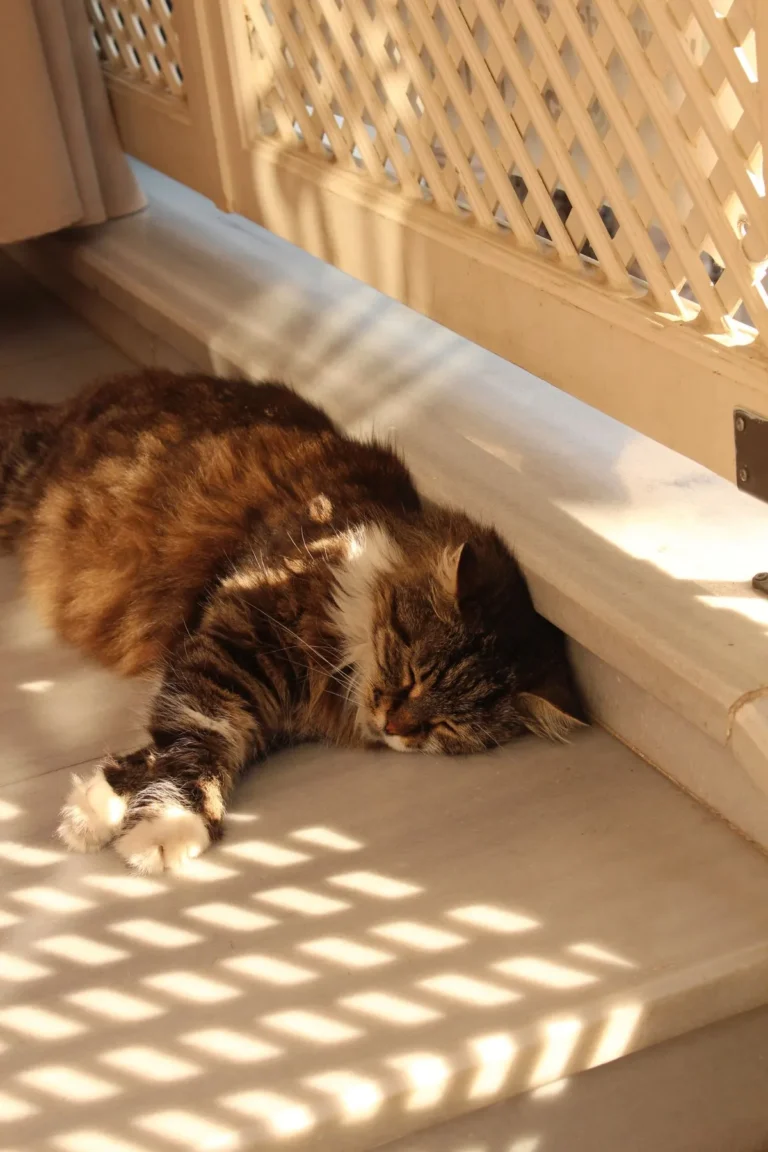
My second move ended the way I had hoped the first one would: my boy walked out of his carrier into a room that already smelled like him, hid for a day, explored for a week, and then stretched out in a patch of sun like he had lived there for years. That is the whole goal: a cat who, room by room, decides the new place is home.