Are Maine Coons Hypoallergenic? Allergy Guide
I will never forget the first time someone asked me this at a cat show. A woman had fallen head over heels for a silver tabby Maine Coon kitten, and she was allergic to cats. “But Maine Coons are hypoallergenic, right?” she asked hopefully. I hated giving her the answer, but she deserved the truth.
So let’s get the big question out of the way first: are Maine Coons hypoallergenic? No. Maine Coons are not hypoallergenic. They produce the same allergy-triggering protein as every other cat, and their long coats give that protein plenty of places to hide.
But that “no” is the beginning of the story, not the end of it. I know allergy sufferers who live happily with Maine Coons. This guide covers the science, the myths I keep seeing online, and the practical routines that make sharing a home with a Maine Coon possible even when your sinuses object.
What Actually Causes Cat Allergies (Hint: Not the Fur)
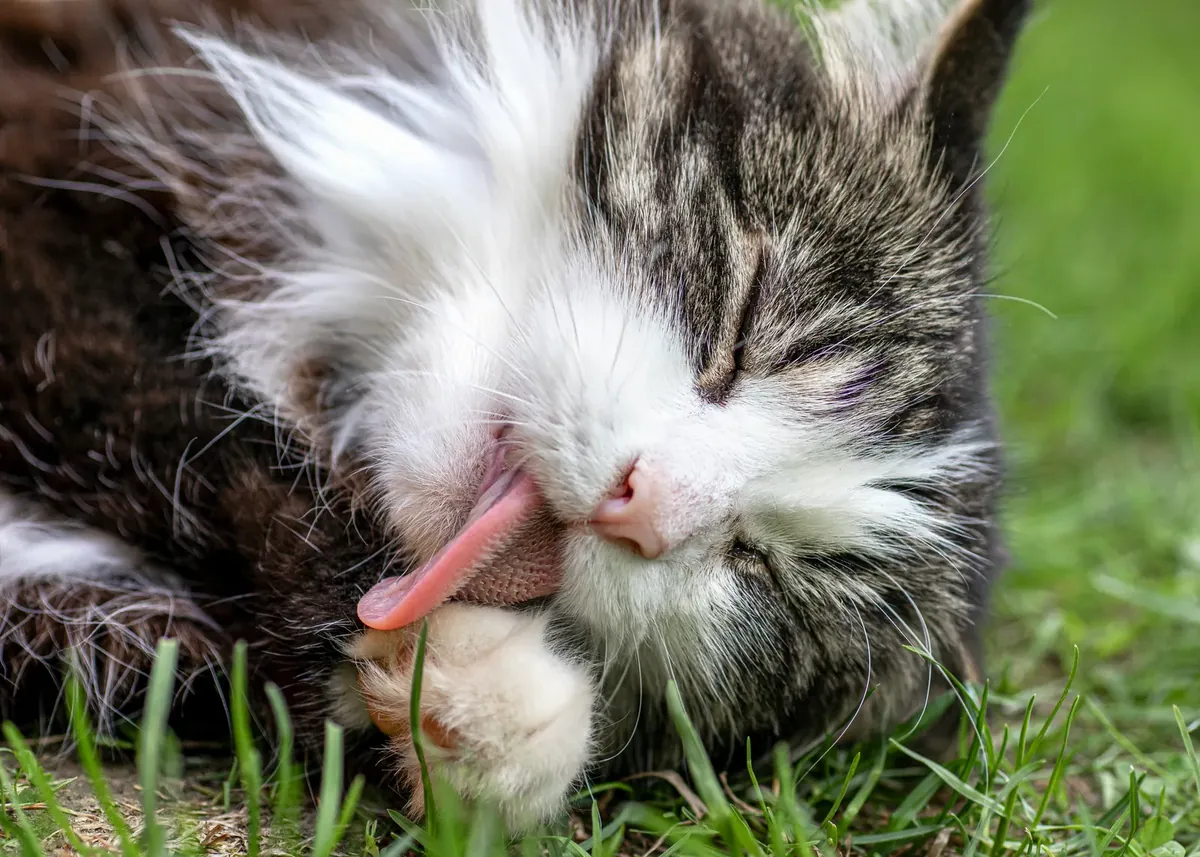
Cat allergies are not caused by fur. They are caused by a tiny protein called Fel d 1, produced mainly in a cat’s saliva and in the sebaceous glands of the skin. When a cat grooms, saliva coats the fur, the saliva dries, and microscopic Fel d 1 particles flake off into the air and onto every surface in the home. The fur is just the delivery vehicle. One feline researcher put it bluntly: the hair is a vector for the allergen to get around the house and into the air.
Fel d 1 is remarkably sticky. It clings to clothing and furniture and can linger for months. Cornell University’s Feline Health Center notes it is the root cause of symptoms in the large majority of people allergic to cats.
Every cat produces Fel d 1, but not equally. Unneutered males produce the most, females and neutered males less, and kittens less than adults. One published review noted Fel d 1 levels can differ by as much as eightyfold between individual cats, regardless of breed or coat color. That explains almost everything owners report about reacting to one cat and not another.
Because all cats make this protein, no breed is truly hypoallergenic. Not the Sphynx, not the Russian Blue, and not the Maine Coon.
Are Maine Coons Hypoallergenic? What the Research Says
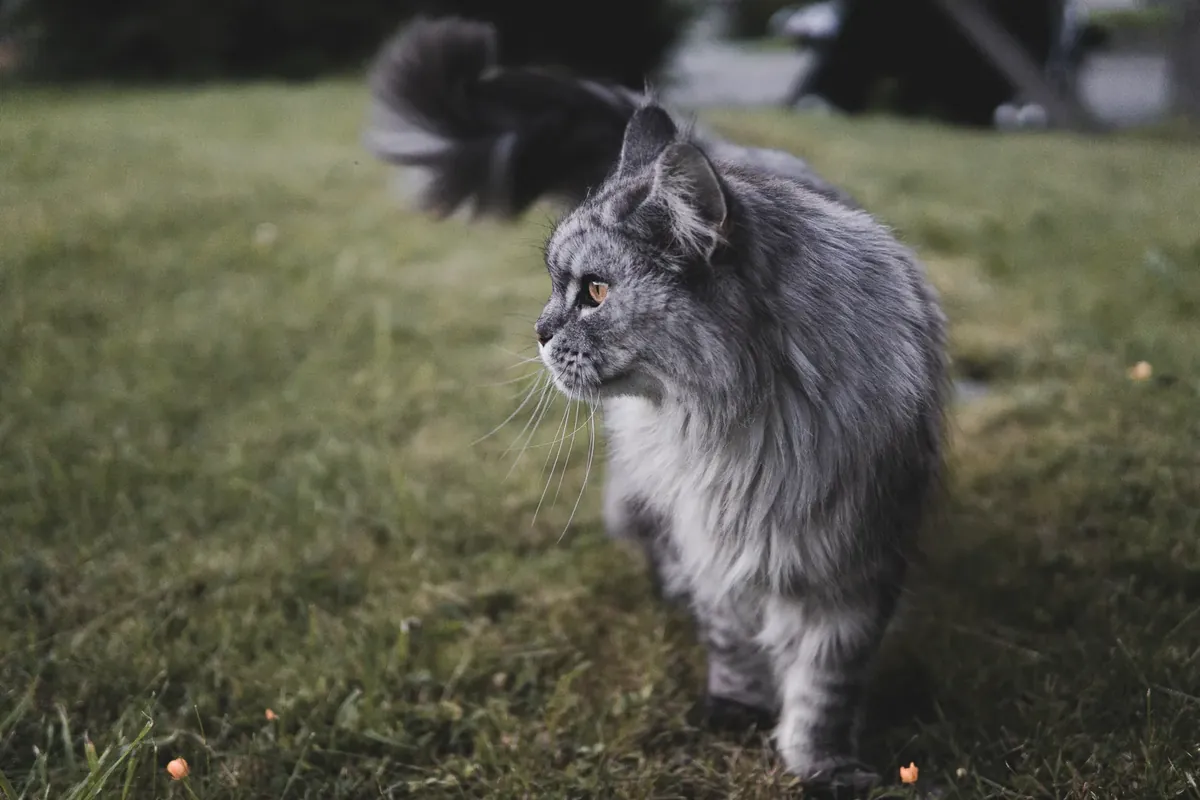
Where do Maine Coons land? Squarely in the middle, with everyone else. There is no solid scientific evidence that Maine Coons produce less Fel d 1 than other breeds. They produce typical amounts of the protein.
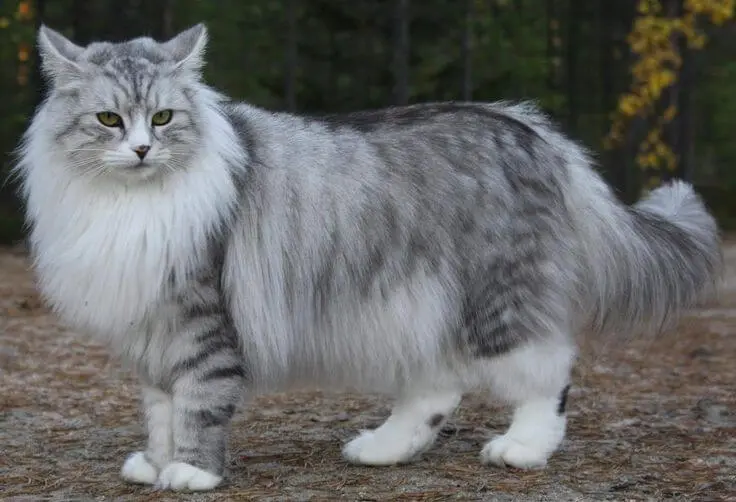
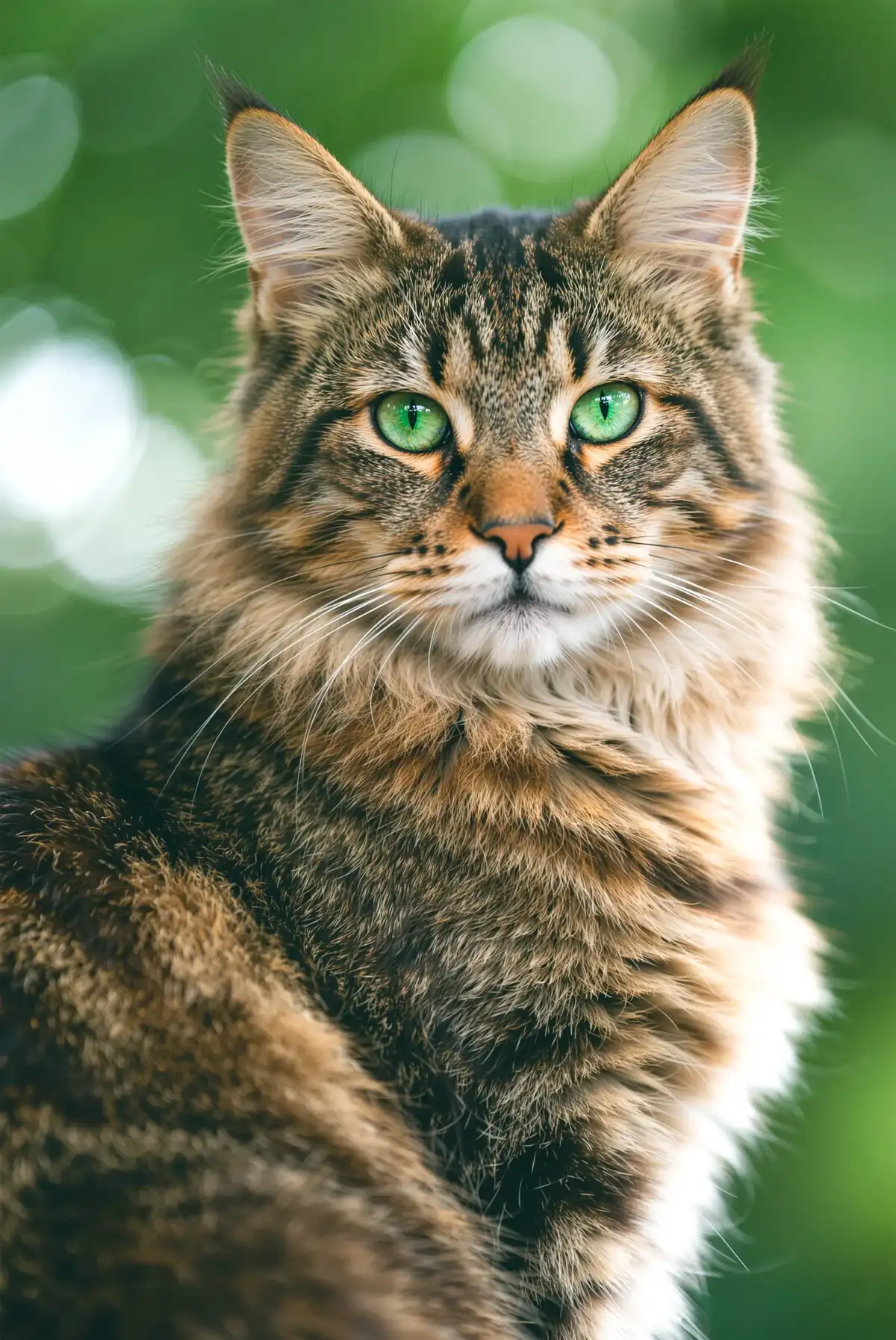
What Maine Coons do have is a lot of coat. The breed’s defining shaggy double coat, which the Cat Fanciers’ Association describes as heavy and flowing, gives saliva more surface area to collect on during grooming, and more hair and dander shed around the home carrying the allergen with it. During heavy shedding periods, which I cover in my guide to how much Maine Coons shed, the allergen load rises simply because more fur is in circulation.
But long hair does not make a cat produce more allergen. A shorthaired heavy Fel d 1 producer can be far worse for you than a low-producing Maine Coon. Coat length affects how the allergen travels around your house, not how much the cat makes. The individual cat in front of you matters more than the breed label.
Why You Might React to One Cat and Not Another
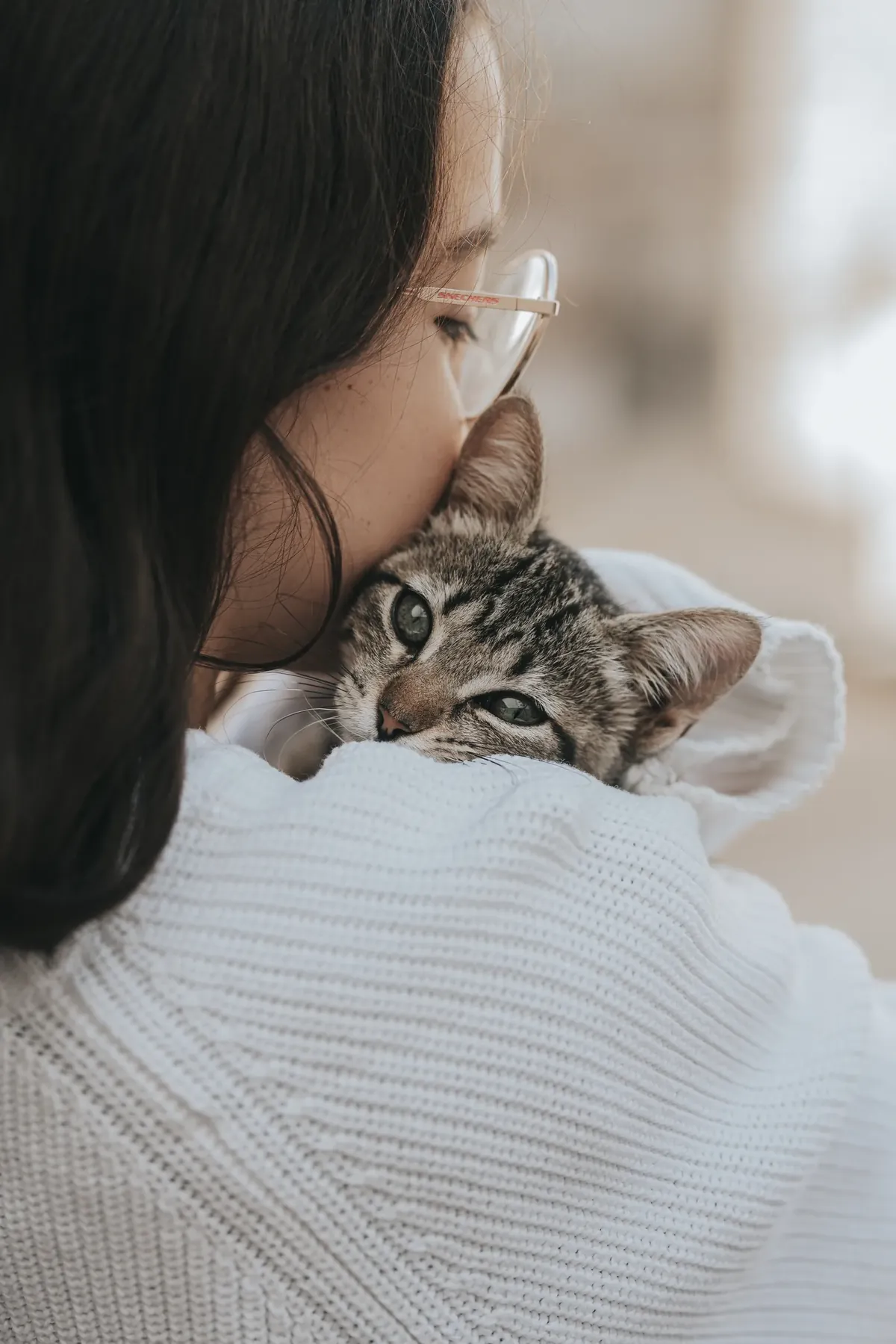
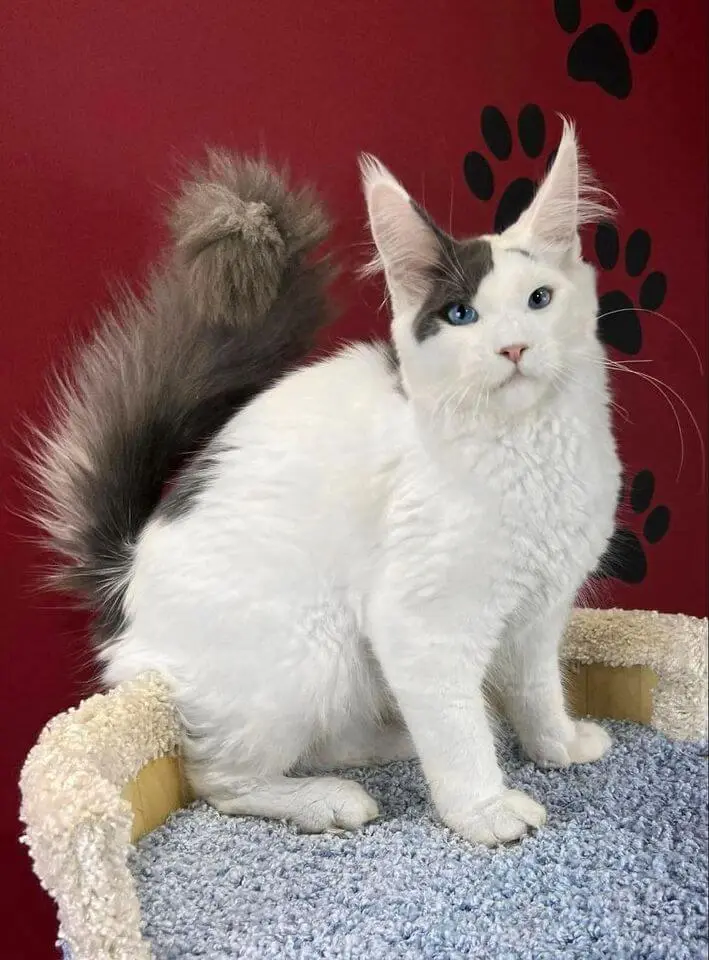
This is where the owner community has taught me the most. I came across a post from a woman who had just adopted a black Maine Coon kitten and was baffled: she already lived with two other cats with no problems, yet the new kitten set her allergies off. The comments were full of people who had been through the same thing. One commenter summed it up: you can absolutely be allergic to some cats and not others. Several added that new-kitten flare-ups sometimes settle over the first weeks and months.
I also read the story of a severely allergic owner, the kind of test results that made her allergist joke she had won the allergy lottery, who lives happily with a Maine Coon anyway. Her reactions were strong at first but eased considerably over time. I am not presenting that as medical advice, and I would never promise anyone their allergies will fade. But it shows the relationship between a person and one specific cat is more complicated than a breed label.
The takeaway vets and allergists repeat most often: spend real time with the individual cat before you commit. Visit more than once, hold the cat the way you will at home, and see how you feel the next day. If a foster trial is offered, take it. A female or neutered male may tilt the odds slightly, since they tend to produce less Fel d 1, but it is no guarantee.
How Allergy Sufferers Live With Maine Coons
Nobody manages cat allergies with a single trick. Owners use layers of small habits. Here are the ones that come up again and again.
Make the bedroom a cat-free zone. This is the most repeated advice from allergists, vets, and owners alike. You spend roughly a third of your life in bed, so keeping dander out of your pillows gives your immune system a nightly break. One Maine Coon owner shared that her vet advised keeping the cats out of the bedroom, and the comments were full of people confirming that this one boundary made the biggest difference. Add allergen-proof covers on the mattress and pillows, and wash bedding in hot water weekly.
Run a HEPA air purifier. Fel d 1 particles are tiny and stay airborne, which is exactly what HEPA filtration catches. A controlled trial in France found HEPA filtration significantly reduced airborne cat allergen levels and eased bronchial symptoms in allergic asthma patients. Keep it running consistently where you and the cat spend the most time.
Vacuum and clean with allergens in mind. A HEPA-filter vacuum traps the fine particles a standard vacuum blows back into the air. Washable throws on the cat’s favorite spots, laundered often in hot water, catch a surprising amount of dander. Damp-mop hard floors instead of dry sweeping, and use a low-dust litter.
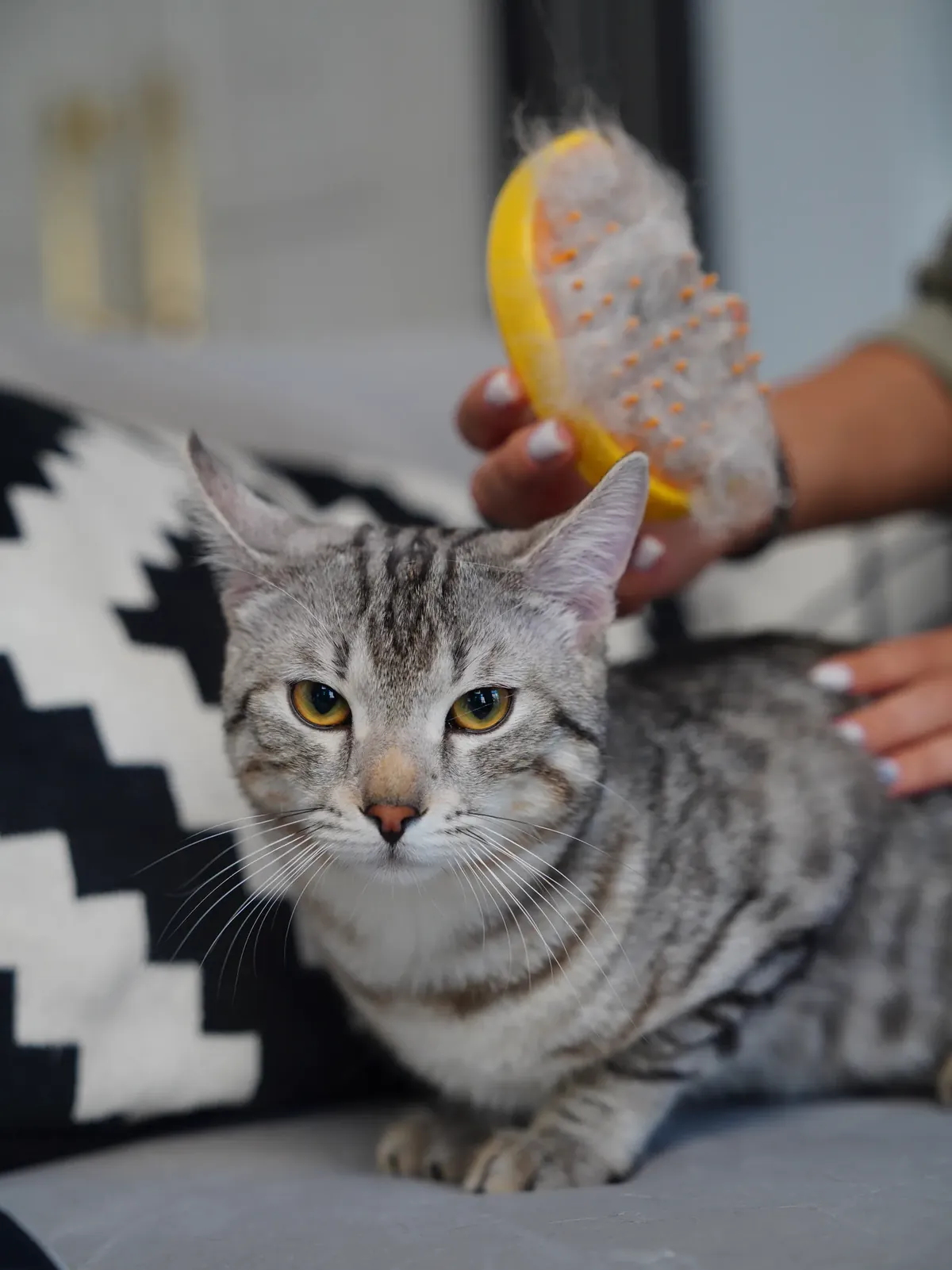
Brush two or three times a week. Brushing pulls loose coat and dander off the cat before it lands on your sofa. If you are the allergic one, have a non-allergic family member do it, or wear a mask. My guide to dealing with matted Maine Coon fur covers technique for this breed’s dense undercoat.
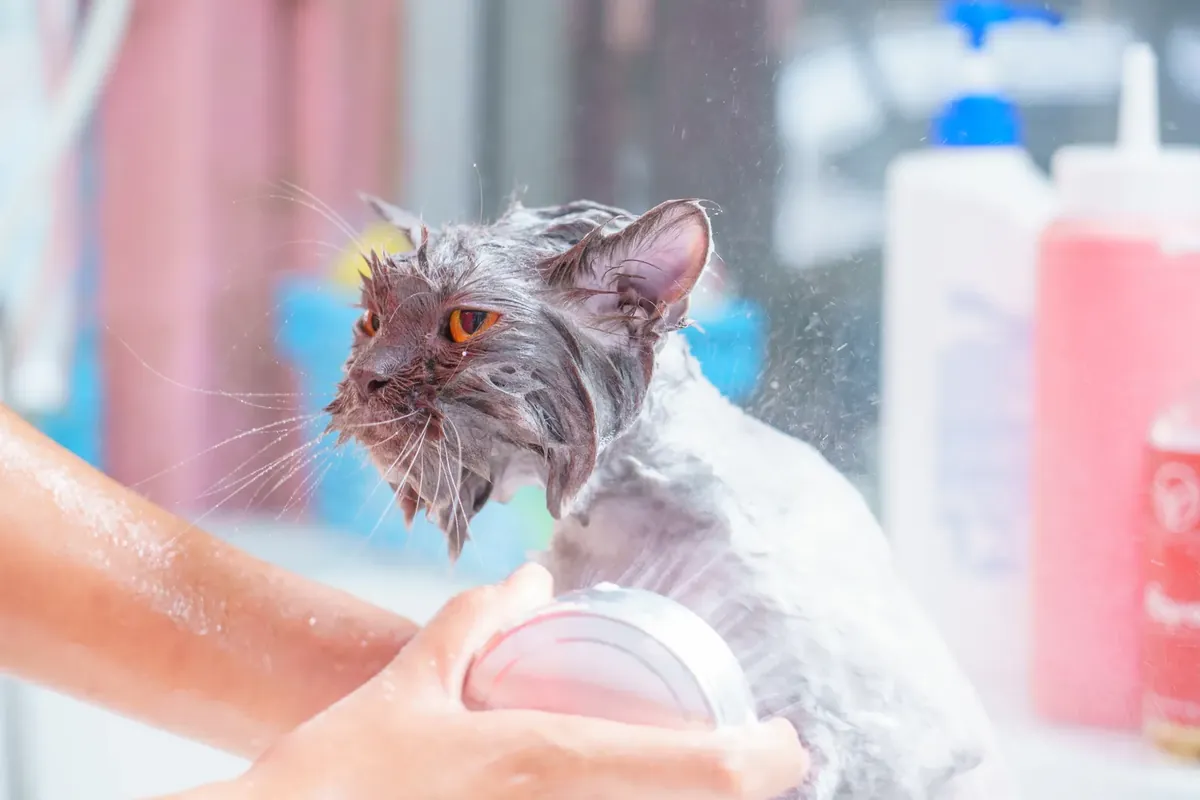
Bathe strategically, not constantly. Bathing lowers Fel d 1 on the coat, but levels typically climb back within about a week. An occasional bath during shedding season can still help with a water-tolerant Maine Coon; my Maine Coon bathing guide covers the process. Do not overdo it: frequent bathing dries the skin, and dry skin means more dander.
Consider an allergen-reducing food. Purina Pro Plan LiveClear uses an egg-derived protein that binds to Fel d 1 in the cat’s saliva and neutralizes it in the mouth, so less active allergen reaches the hair during grooming. In the published feeding study, allergen levels on hair and dander dropped by an average of 47 percent starting in the third week of daily feeding. It is not a replacement for cleaning and grooming, but owners in allergy forums mention it as one more layer. Check with your vet before switching.
Build small daily habits. Wash your hands after petting or grooming, and keep them away from your eyes until you do. Change your shirt after a long cuddle session before getting into bed. Fel d 1 travels on fabric, so this genuinely reduces what reaches your pillow.
Talk to your doctor about medical options. Over-the-counter antihistamines and nasal steroid sprays help many with mild symptoms, and PetMD’s veterinary guidance on pet allergies walks through the standard treatment ladder. For longer-term relief, allergy shots (immunotherapy) gradually desensitize your immune system over months to years. That is a conversation for you and your allergist.
One more thing, said plainly: do not shave your Maine Coon to fight allergies. Shaving does nothing about the saliva glands producing Fel d 1, and it can permanently damage the double coat’s texture. I wrote a full breakdown of the pros and cons of shaving a Maine Coon if someone is pressuring you to try it.
Allergy Myths About Maine Coons I Keep Seeing Online
Myth: Maine Coons are hypoallergenic. Simply false. I saw it repeated in the comments of that kitten adoption post: “I was told Maine Coon kitties are hypoallergenic.” Other commenters gently corrected it, and they were right.
Myth: Their long hair traps allergens so fewer escape. The coat does not contain the allergen, it distributes it. All that fur collects saliva during grooming and sheds it around your home.
Myth: Maine Coons produce less Fel d 1 than other cats. No solid evidence exists for this. Individual variation, not a breed trait.
Myth: A kitten will not bother your allergies. Kittens produce less Fel d 1 than adults, which is why some people sail through the first months. The kitten grew up. Test your reaction against an adult cat.
Myth: A hairless breed is the safe choice. The Sphynx still produces Fel d 1 in its saliva and skin secretions, and without fur to absorb skin oils, those oils sit right on the skin you touch.
When You Should Think Twice
Loving the breed is not a medical plan. If you have asthma that flares around cats, or you get hives with swelling or breathing difficulty, talk to an allergist before you bring any cat home. A foster trial is the most honest test available.
There is no shame in deciding a cat is not a safe fit for your health, and deciding before the cat bonds with you is far kinder. If you move forward, do it with a real plan: the bedroom boundary, the grooming routine, the cleaning habits, and your doctor in the loop. The owners who make it work are not lucky. They are prepared.
Frequently Asked Questions
Are Maine Coons hypoallergenic? No. Maine Coons produce Fel d 1, the main cat allergen, like every other breed. Their long coats carry saliva and dander around the home, so allergy-sensitive people should expect to react.
Do Maine Coons cause worse allergies than shorthaired cats? Not necessarily. Severity depends on how much Fel d 1 the individual cat produces and how sensitive you are, not on coat length. But the breed’s heavy shedding means more allergen-carrying hair in circulation, so grooming and cleaning matter more.
Can I get a Maine Coon if I am mildly allergic to cats? Many mildly allergic people live happily with Maine Coons. Spend extended time with the specific cat first, and consider a foster trial. Set up your routine before the cat arrives: a cat-free bedroom, a HEPA purifier, a brushing schedule, and a cleaning plan. Talk to your doctor about options for your symptoms.
Does bathing a Maine Coon help with allergies? Temporarily. Bathing washes Fel d 1 off the coat, but levels typically return within about a week. An occasional bath during shedding season can help; see my Maine Coon bathing guide for a low-stress method.
Is there any truly hypoallergenic cat breed? No. Every breed produces Fel d 1, including the Siberian, Balinese, Devon Rex, and Sphynx. Individual cats vary enormously in how much allergen they produce, so judge the individual cat, not the breed.
So, are Maine Coons hypoallergenic? They are not, and I would rather you hear it from me than discover it through a miserable first week. But if you go in informed, test your reaction to the actual cat, and build the routines that keep allergen levels down, plenty of allergy sufferers share their homes and sofas with these gentle giants. Just keep the bedroom door closed. Your sinuses will thank you.