Maine Coon Price in 2026: Kitten Cost Plus the First Year
Before my first Maine Coon, I googled the maine coon price, saw a number, and thought that was the whole story. It wasn’t — the kitten’s price was only the down payment. The real question nobody answered in plain numbers was: what will this cat cost me over the first year?
So this is the article I wish I’d found: what a Maine Coon costs by source in 2026, what the first twelve months of food, vet bills, insurance, and giant-breed gear add up to, and the costs nobody warns you about. If you’re wondering why the numbers are high in the first place, I’ve covered that separately in Why Are Maine Coon Cats So Expensive — this guide is purely about budgeting, not the reasons behind them.
One honest note: prices genuinely vary by region and breeder. Everything below is a range drawn from current 2026 breeder listings, price roundups, and real owner reports — planning ranges, not fixed quotes. Always confirm with the actual breeder or rescue you’re working with.
Maine Coon Price in 2026: What a Kitten Costs by Source
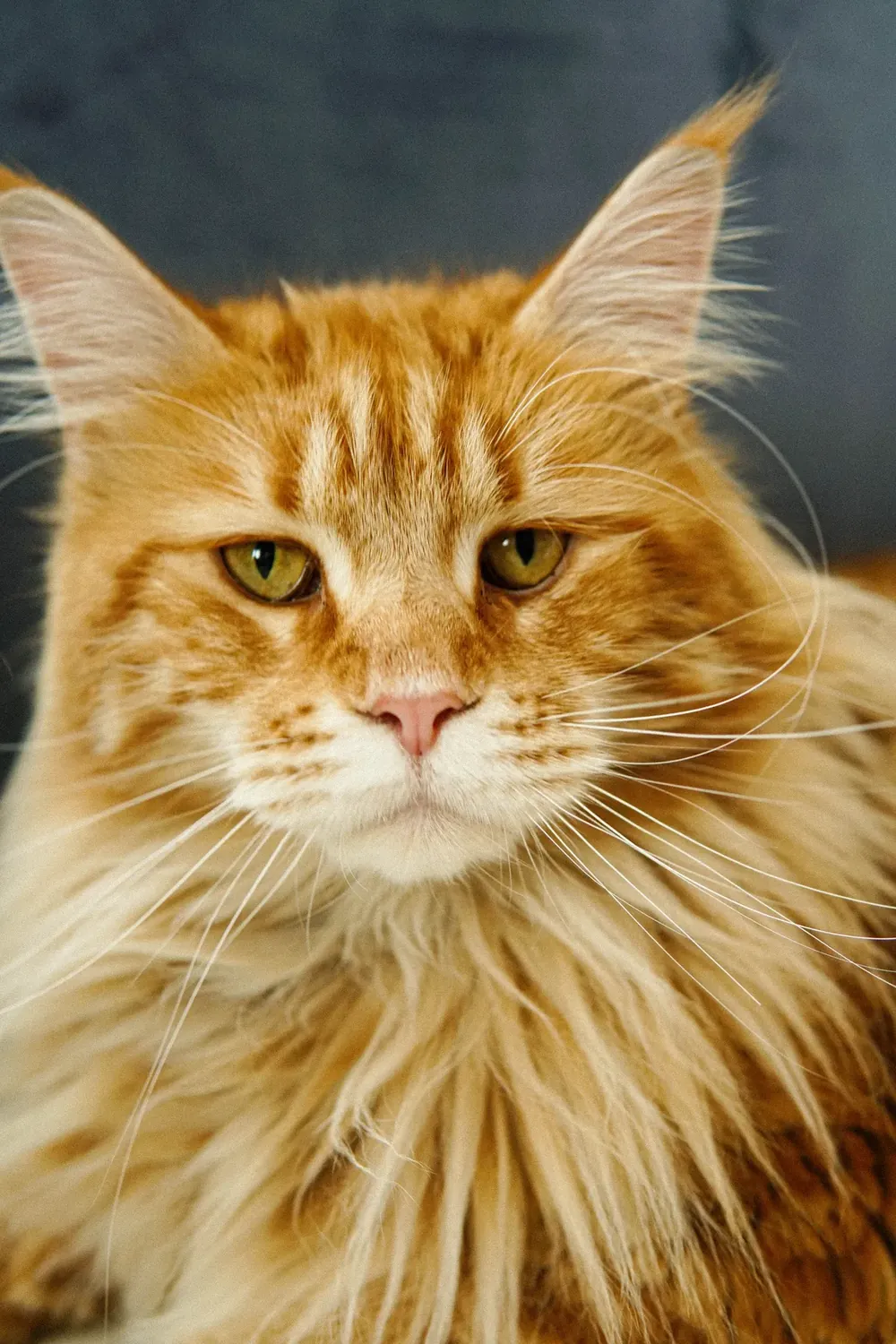
Here’s the honest spread of what people are actually paying for Maine Coon kittens in 2026, depending on where the cat comes from:
| Source | Typical 2026 range | What’s usually included |
|---|---|---|
| Reputable breeder, pet quality | $1,200 – $3,000 | Age-appropriate vaccines, vet health certificate, microchip, spay/neuter contract, registration papers |
| Reputable breeder, show or breeding rights | $3,000 – $5,000+ | Full pedigree, breeding rights, show documentation, extended health testing |
| Retired breeding adult from a cattery | $300 – $800 | Already spayed/neutered, vaccinated, socialized — the budget-friendly back door |
| Breed-specific rescue or adoption | $150 – $450 | Spay/neuter, vaccines, microchip, basic vet screening |
| General shelter | $50 – $200 | Varies widely; mostly Maine Coon mixes rather than purebreds |
Those ranges match current 2026 roundups: a healthy pet kitten from a registered, health-testing US cattery runs roughly $1,200–$3,000, with show quality or breeding rights at $3,000–$5,000+. Premium catteries with championship lines list $4,000–$5,500. Owners on Reddit report paying $1,000–$4,800, most clustering between $2,500 and $3,000 — some over $5,000 in pricey regions. UK owners report £1,000–£1,600. Region matters a lot.
A few notes on reading that table like an experienced buyer:
Pet quality vs. show quality is the biggest price lever, and it barely matters for a companion. It usually just means the kitten doesn’t quite match the show-ring standard — a slightly off bite, an imperfect marking. Same health, same personality, lower price.
The deposit is part of the price. Reputable breeders require a non-refundable deposit to hold a kitten and join a waitlist — one breeder FAQ lists $1,000 as standard. Expect three to nine months from first inquiry to go-home day.
Adoption is the cheapest path. If your heart isn’t set on pedigree paperwork, breed rescues rehome Maine Coons and mixes for a few hundred dollars, vet work done. Full comparison in Breeder or Rescue — Which Path Fits You?.
What Moves the Maine Coon Price Up or Down
Beyond the source, a few things consistently nudge the Maine Coon price toward the top of the range:
- Pedigree. Titled parents or sought-after bloodlines (including imported European lines) command more.
- Color and pattern. Some in-demand colors — and polydactyl kittens — carry a premium at certain catteries. One breeder on social media prices pet kittens around $3,500 and polydactyls at $4,500–$5,500, explicitly tying it to the cost of health testing and care.
- Health testing. DNA-tested breeding cats and multi-year written guarantees cost more — and are worth more.
- Location. Coastal and big-city breeders typically list higher; rural breeders in lower-demand areas often list lower.
- What’s bundled. Vaccines, microchip, spay/neuter, a go-home bag — one cattery rolls all of this into an all-inclusive $4,200 placement fee. Compare what’s included, not just the sticker.
And the red-flag version: a “purebred Maine Coon kitten” listed at $300–$600 with no waitlist, no health paperwork, and instant availability is not a bargain. Owner communities consistently warn that prices far below market usually signal scams or backyard breeding with no health testing. Trust the pattern.
The First Year: Where the Real Money Goes
The kitten is a one-time cost; the first year is a long series of costs, and a Maine Coon is one of the pricier cats to raise because nearly everything scales with size. Current cost-of-ownership roundups estimate roughly $2,100–$4,280 for a regular cat’s first year — Maine Coons land at the top of that or above it, with monthly running costs around $240–$395, about double a typical domestic cat.
Here’s a realistic first-year budget, item by item:
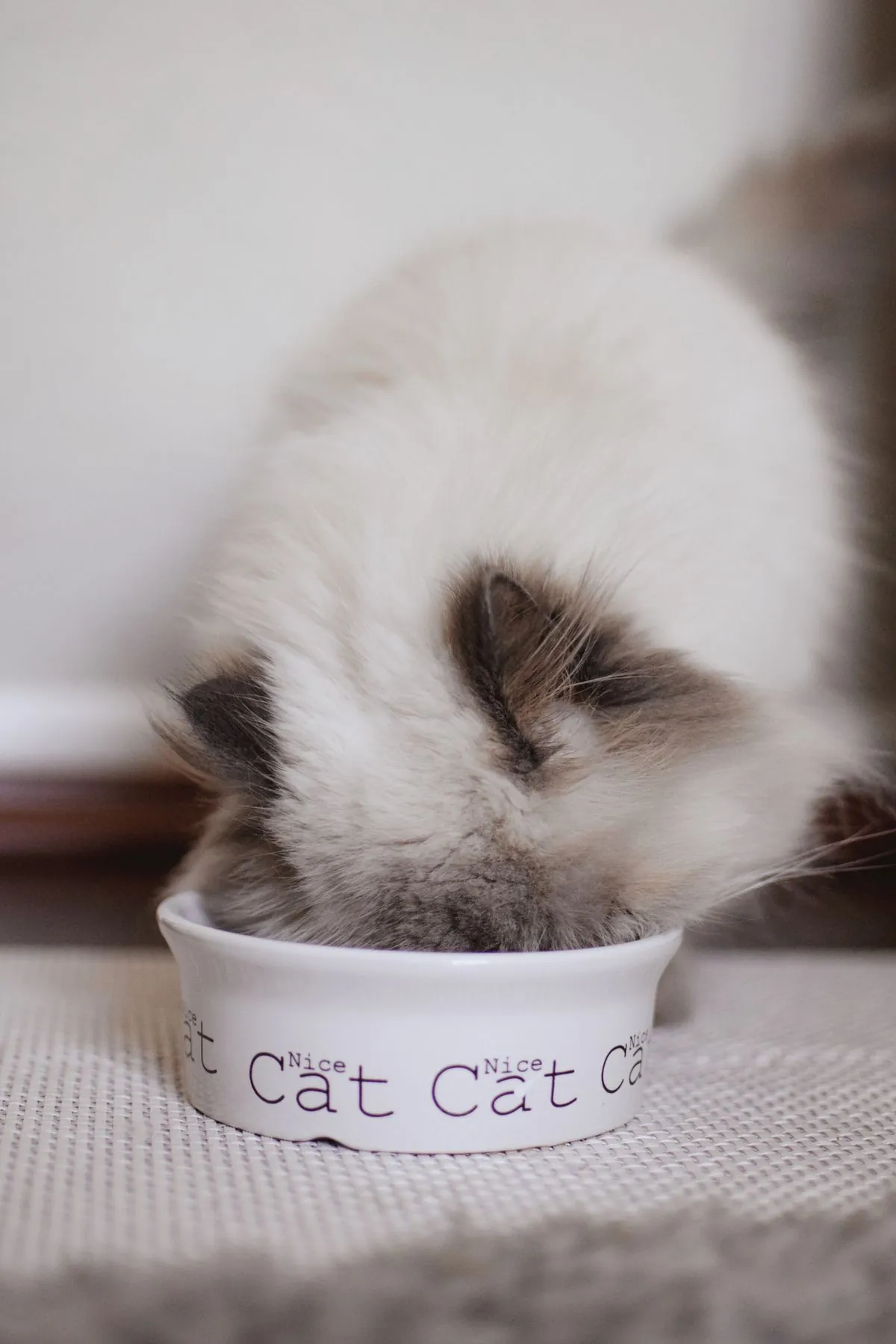
Food: $720 – $1,200/year. A male grows to 13–18 pounds and keeps growing for three to four years. You’ll feed roughly twice what a regular cat eats. Budget $60–$100 a month for quality high-protein food.
Litter + XL litter box: $400 – $600/year. Bigger cat, more output — an extra-large box runs $60–$120, plus $30–$45 a month in litter.
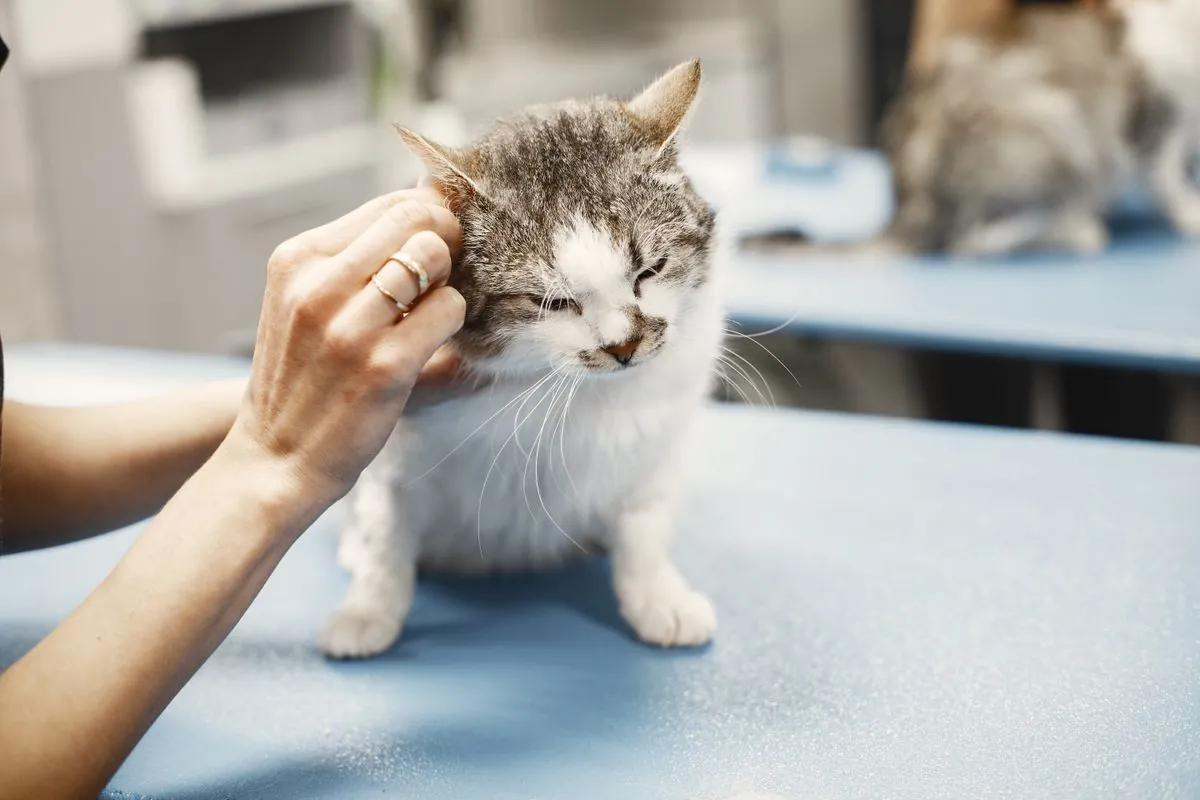
Kitten vet series and first-year exams: $500 – $900. The vaccination series through 16 weeks typically runs $200–$500 for vaccines plus $300–$360 for exams, per veterinary cost guides. Spay or neuter adds $300–$900 — many breeders now spay before go-home, folding it into the kitten price. My First Vet Visit Checklist walks through each visit so nothing catches you off guard.
Parasite prevention: $140 – $450/year. Flea, tick, and heartworm prevention is dosed by weight — Maine Coons land in the higher brackets.
Pet insurance: $360 – $720/year. Cat plans average $30–$60 a month; for Maine Coons, hereditary-condition risk nudges premiums above the national average. I’d call it nearly essential — full breakdown in Maine Coon Pet Insurance.
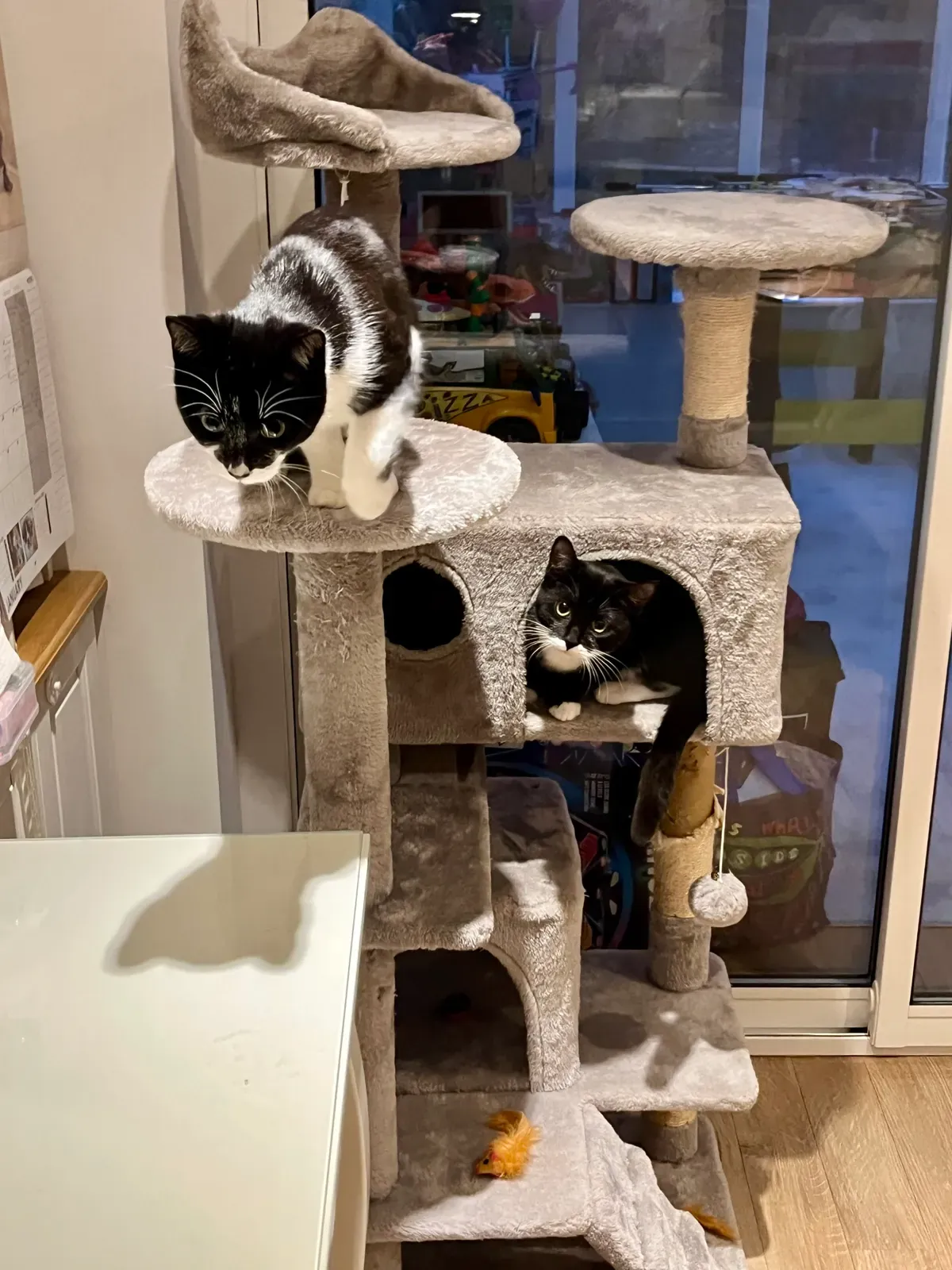
Giant-breed gear: $400 – $900 (mostly one-time). A heavy-duty cat tree that survives a 20-pound cat runs $300–$600; add an XL carrier, water fountain, large scratchers, and sturdy toys. Mostly one-time.
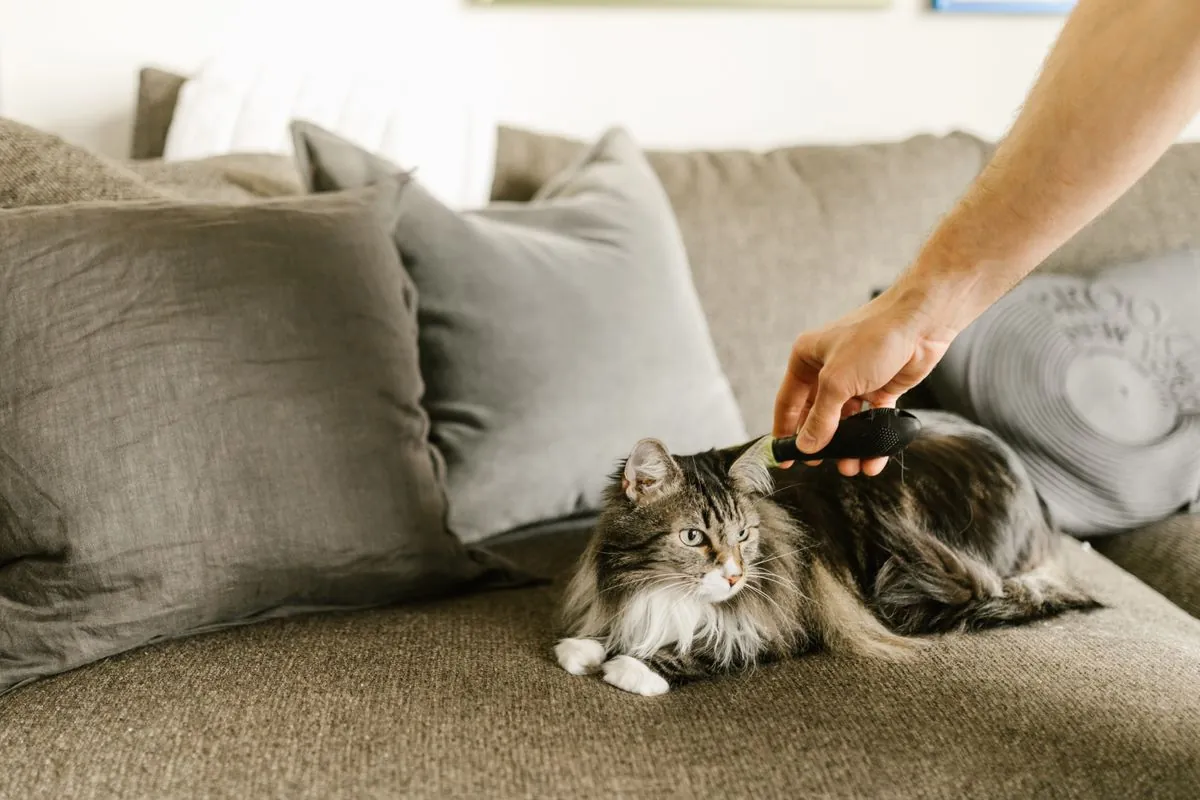
Grooming: $180 – $420/year. The semi-long coat needs a good slicker, a steel comb, regular brushing, and the occasional professional groom.
Heart screening reserve: $400 – $700/year. Maine Coons should be screened for HCM with an echocardiogram — ask your vet when to start.
All in, the honest first-year number — kitten plus everything — lands around $3,500–$8,000+ for a breeder kitten, or roughly $1,500–$3,500 if you adopt and go lean on gear. One 2026 price guide estimates setup plus first-year vet care alone at $1,000–$2,500 on top of the kitten — that matches my experience.
What Real Owners Say They Paid
I’ve spent a lot of time in owner communities — Reddit’s r/mainecoons, Facebook groups, YouTube breeder channels — and the numbers form a consistent picture: $1,000–$4,800 for pedigreed kittens, the bulk landing between $2,500 and $3,000. A few themes come up again and again:
The wait is part of the price. Owners who waited months for a health-tested breeder’s kitten don’t regret it; several who bought a suspiciously cheap kitten fast regret the vet bills that followed.
Rescue is the happy outlier. Owners who adopted adult Maine Coons — sometimes free, sometimes a few hundred dollars in shelter fees — are uniformly thrilled. Want the Maine Coon experience more than pedigree paperwork? This is the smartest money in the breed.
Breeders aren’t getting rich off your kitten. One Maine Coon breeder on Instagram posted her real numbers this year: about $22,941 in routine costs for one litter — vet visits, food, litter, equipment, stud fees, health testing — and $51,787 after emergency vet care. Worth remembering when you see a $2,500–$3,000 kitten price.
“Cheap” Maine Coons are the most expensive ones. Kittens advertised far under market price — no registration, no health testing — are the likeliest to arrive with undiagnosed problems, and the vet bills erase the savings fast. If a price looks too good, it is.
The Two Budget Lines You Must Not Skip
1. The emergency fund. Aim for a $2,000 emergency fund. One emergency — a urinary blockage ($1,500–$3,000+), an intestinal obstruction ($3,000–$4,000+), an ER hospitalization ($1,500–$3,500) — can land in a single evening. If a surprise $3,000 vet bill would break you, set up insurance or a dedicated savings account before the kitten comes home. Not later. Now.
2. Insurance, decided in month one. You can’t insure a condition after it’s diagnosed, and hereditary conditions like HCM are exactly what Maine Coons are screened for. If insurance isn’t in the budget, the emergency fund has to be bigger instead. Pick one; don’t pick neither.
A Simple First-Year Budget Worksheet
Copy this into your notes and fill in your own local quotes:
- Kitten (breeder, pet quality): $__ — plan for $1,500–$3,000, confirm with your breeder
- Deposit (non-refundable): $__ — often a few hundred to $1,000
- First-year vet (exams, vaccines, spay/neuter): $__ — plan $800–$1,800
- Food (12 months): $__ — plan $720–$1,200
- Litter + XL box: $__ — plan $400–$600
- Insurance (12 months): $__ — plan $360–$720
- Giant-breed gear (tree, carrier, fountain, scratchers): $__ — plan $400–$900 one-time
- Grooming tools and supplies: $__ — plan $150–$400
- Parasite prevention: $__ — plan $140–$450
- Emergency fund: $__ — target $2,000 before go-home day
Total it up. If the number scares you, that’s the worksheet doing its job — better now than at 2 a.m. in an emergency vet lobby.
Frequently Asked Questions
How much does a Maine Coon kitten cost from a breeder in 2026?
Registered, health-testing US catteries advertise roughly $1,200–$3,000 for a pet kitten and $3,000–$5,000+ for show quality or breeding rights. Owners most commonly report paying $2,500–$3,000; UK buyers report £1,000–£1,600. Confirm with the breeder directly.
What is the cheapest way to get a Maine Coon?
Adoption. Breed-specific rescues typically charge $150–$450 and general shelters $50–$200, often with spay/neuter, vaccines, and microchipping already done. A retired breeding adult rehomed by a cattery ($300–$800) is another smart, low-cost route to a healthy, socialized Maine Coon.
How much does the first year of owning a Maine Coon cost?
Beyond the kitten itself, plan roughly $1,000–$2,500 for setup and first-year veterinary care, plus $720–$1,200 for food, $360–$720 for insurance, and $400–$900 in one-time giant-breed gear. Most breeder-kitten owners land between $3,500 and $8,000+ in year one; adopters land closer to $1,500–$3,500.
Is pet insurance worth it for a Maine Coon?
For most owners, yes. Maine Coons are prone to HCM and hip dysplasia, and one emergency can cost $1,500–$5,000+. At roughly $30–$60 a month, it’s a financial safety net — full breakdown in Maine Coon Pet Insurance.
Should I trust a Maine Coon kitten listed for under $1,000?
Be very cautious. Prices far below market typically mean no registration, no health testing, no written guarantee — and “bargain” kittens frequently arrive with health problems that cost more than a well-bred kitten would have. Under about $800, experienced owners walk away.
A Maine Coon is not a cheap cat, and I’d never pretend otherwise. But it’s a predictable one if you budget honestly: the kitten price is the down payment, the first year is the real commitment. Plan the numbers, pick a breeder you’d be proud to name (start with TICA’s breeder search), and fund the emergency account first. Your future self will thank you.
For a trustworthy overview of feline veterinary care standards as you plan that first year, the Cornell University College of Veterinary Medicine is a resource I return to often.