Adopting a Maine Coon: Breeder or Rescue, Which Path Fits You
The first time I went looking for a Maine Coon, I typed “maine coon kittens near me” into a search bar and fell into a rabbit hole of glossy cattery websites, Facebook groups, and heated opinions. Adopting a Maine Coon is a genuine fork in the road — the breeder route or the rescue route, and each side feels strongly that theirs is right. After years in this breed’s community, here is the honest comparison I wish someone had handed me at the start.
The Breeder Route: What the Process Actually Looks Like
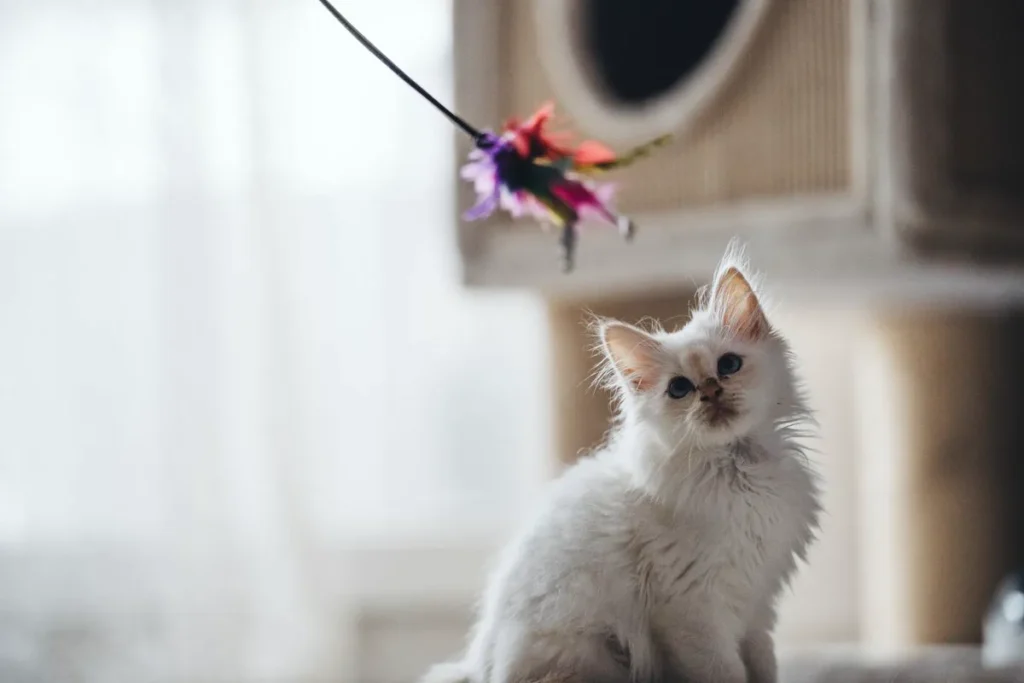
A reputable breeder’s process is slower than most first-timers expect, and that is by design. It usually starts with an application or a real conversation about your home, your experience, and what you are looking for. Good breeders interview you as much as you interview them. Many keep waitlists, and owners on Reddit warn that waiting months is normal. One breed writer put it bluntly: any breeder who can place a kitten with you the same week you reach out should give you pause.
What you are paying for, besides the kitten, is everything the breeder invested before it was born. Responsible breeders health-test their breeding cats: DNA screening for hypertrophic cardiomyopathy (HCM), spinal muscular atrophy (SMA), and pyruvate kinase deficiency (PKDef), plus cardiac echocardiograms and hip evaluations in serious programs. Cornell’s Feline Health Center lists the Maine Coon among the breeds predisposed to HCM, which is exactly why screening matters. A good breeder shows this paperwork without hesitation — and one breeder on YouTube notes that claiming zero health issues over many years is itself a red flag.
Kittens from good breeders stay with their mother and littermates until 12 to 16 weeks, not the 8 weeks many buyers assume. That extra month is when kittens learn bite inhibition and comfort with people — socialization you cannot redo later. You will typically get a contract covering health guarantees, a spay/neuter agreement, vaccination records, registration papers, and a take-back clause: the cat comes back to the breeder, not a shelter, if you ever cannot keep it. The best breeders stay in touch for years.
As for price: one breed site that checked advertised prices in July 2026 reported US breeders charging roughly $2,000 to $4,500 for a pet kitten, and UK breeders around £1,000 to £1,600 — snapshots, not quotes. I break down the drivers in my piece on why Maine Coons are so expensive.
Adopting a Maine Coon From a Rescue: What the Process Looks Like
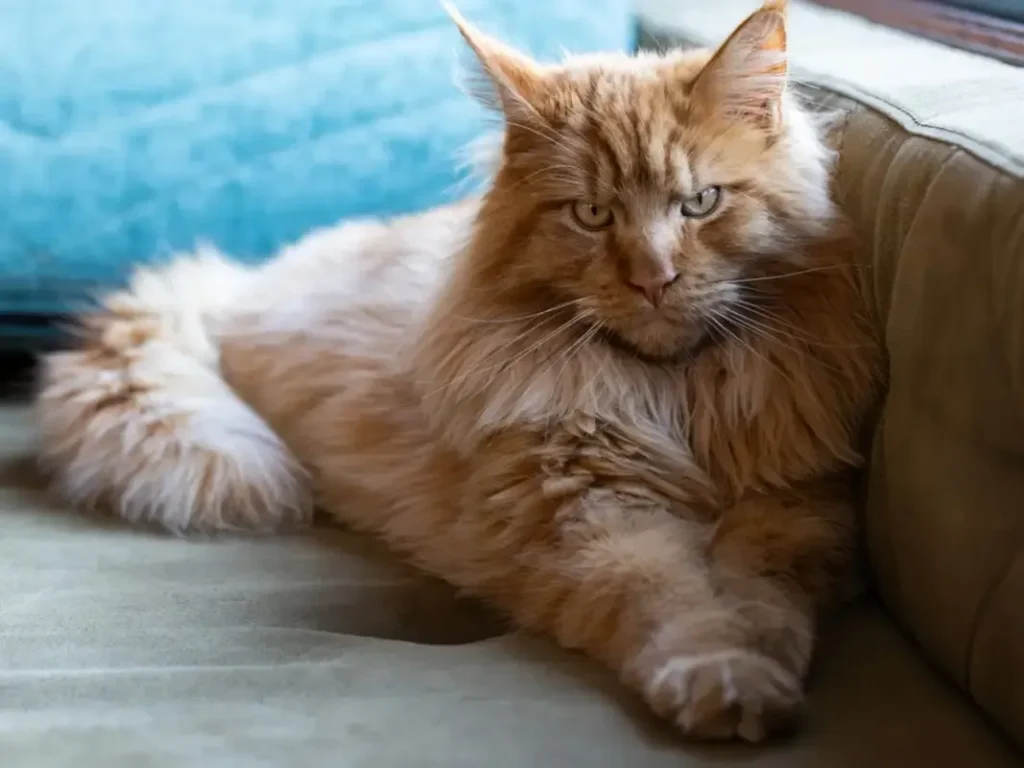
Rescues that focus on Maine Coons exist in most regions, and general shelters regularly take in longhaired cats that look and act like the breed. The rescue process is its own interview: an application, a vet reference, sometimes a home visit, and questions about your work hours, other pets, and housing. Owners say a good rescue would rather lose an adoption than make a bad match.
Here is what surprises people about rescue: you will rarely find tiny kittens, but you will often find something arguably better — adult cats, including young adults and occasionally retired breeding cats surrendered when a cattery scales back. A sanctuary owner on Facebook described taking in former breeder Maine Coons that became beloved, dog-like companions — proof that adopting a Maine Coon through rescue can be every bit as rewarding. Foster homes mean the rescue can tell you the cat’s real personality: whether it chirps at birds or prefers sleeping beside you rather than on you. With a kitten you are guessing; with a three-year-old rescue you are reading a review.
Adoption fees are the part everyone asks about. One breed site that surveyed fees in 2026 put US Maine Coon rescues at roughly $250 to $450 depending on age and purebred status — far below breeder prices, and the fee usually covers spay or neuter surgery, vaccinations, microchipping, and a vet exam. Some owners report shelter fees under $100 for lookalikes. Snapshots, not promises.
The tradeoff is honesty about the unknown. A rescue cat often arrives without papers and with a thin medical history. Longhaired shelter cats labeled “Maine Coon mix” are usually domestic longhairs — lovely cats, but the “M” forehead marking many people take as proof of the breed is just a tabby pattern found in ordinary cats. One long-running owner forum thread put a number on the adjustment: an adopted adult can take six to twelve months to fully settle and bond, where a kitten tends to trust you within days.
Pros and Cons at a Glance
Breeder pros: known pedigree and predictable adult size and temperament; documented health testing of parents; early socialization done properly; breeder support for the life of the cat; the kitten experience. Breeder cons: high cost; long waitlists; kittenhood is intense work.
Rescue pros: far lower cost with vet care included; adult personality already known; you give a home to a cat that needs one; you skip the kitten months. Rescue cons: kittens are scarce; true purebreds rarer than listings suggest; medical history can be incomplete; some cats need extra patience to settle in.
Neither list contains a dealbreaker for everyone, which is the whole point. One forum owner who has had both a rescued mix and breeder kittens put it well: kittens are fun, but kittenhood does not last long.
Red Flags: How to Spot a Bad Breeder
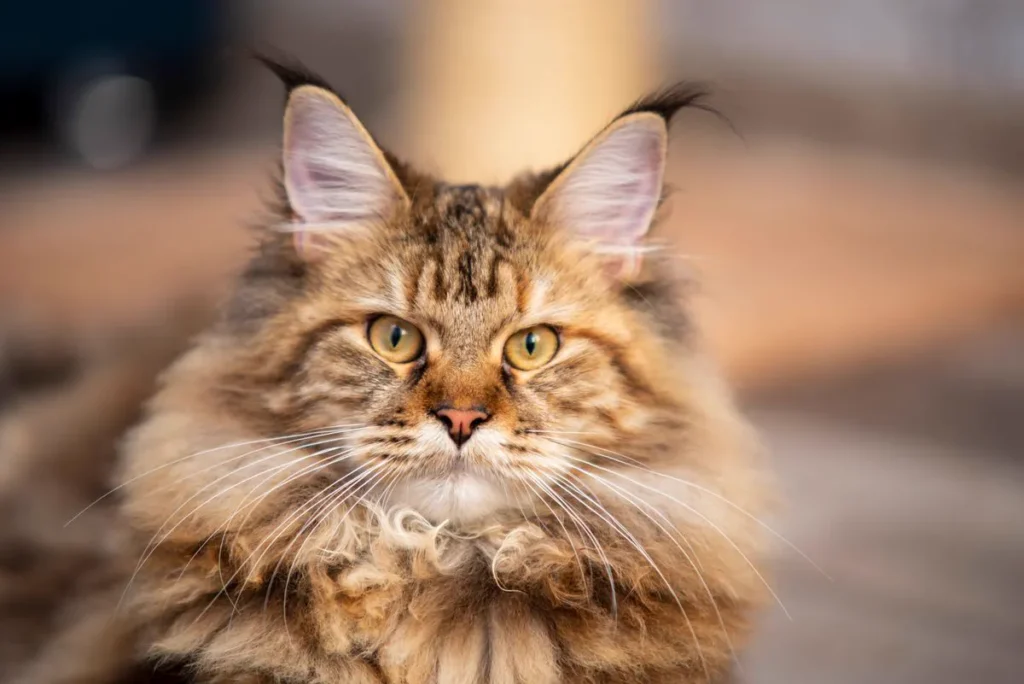
This is the section I wish every buyer read before sending a deposit. Owners and breeders across Reddit, YouTube, and Facebook converge on the same warning signs:
- No health testing, or vague answers about it. A breeder who gets defensive when asked about HCM screening is someone to walk away from. A slick website proves nothing without paperwork.
- Always has kittens available. A constant stream of kittens means a volume operation, not careful breeding.
- Ships the kitten sight unseen with no video call. Scam sellers are a real problem — commenters warn about sellers demanding deposits before proving the kitten is real.
- No contract or health guarantee. Reputable breeders put everything in writing: health terms, the spay/neuter agreement, and a take-back clause.
- Kittens leaving at 8 weeks or younger. Good breeders keep kittens 12 to 16 weeks. Early separation signals a mill.
- Unregistered kittens sold as purebred. Registration costs very little; no ethical breeder skips it. No papers means a longhair at a purebred price.
- Pressure tactics. “Decide today or lose the kitten” is a sales script, not a breeding program.
- The breeder knows nothing about the breed. A genuine Maine Coon breeder can talk temperament, grooming, and health risks in detail — TICA’s breed page is a good baseline.
Questions to Ask Any Breeder (and What Good Answers Sound Like)
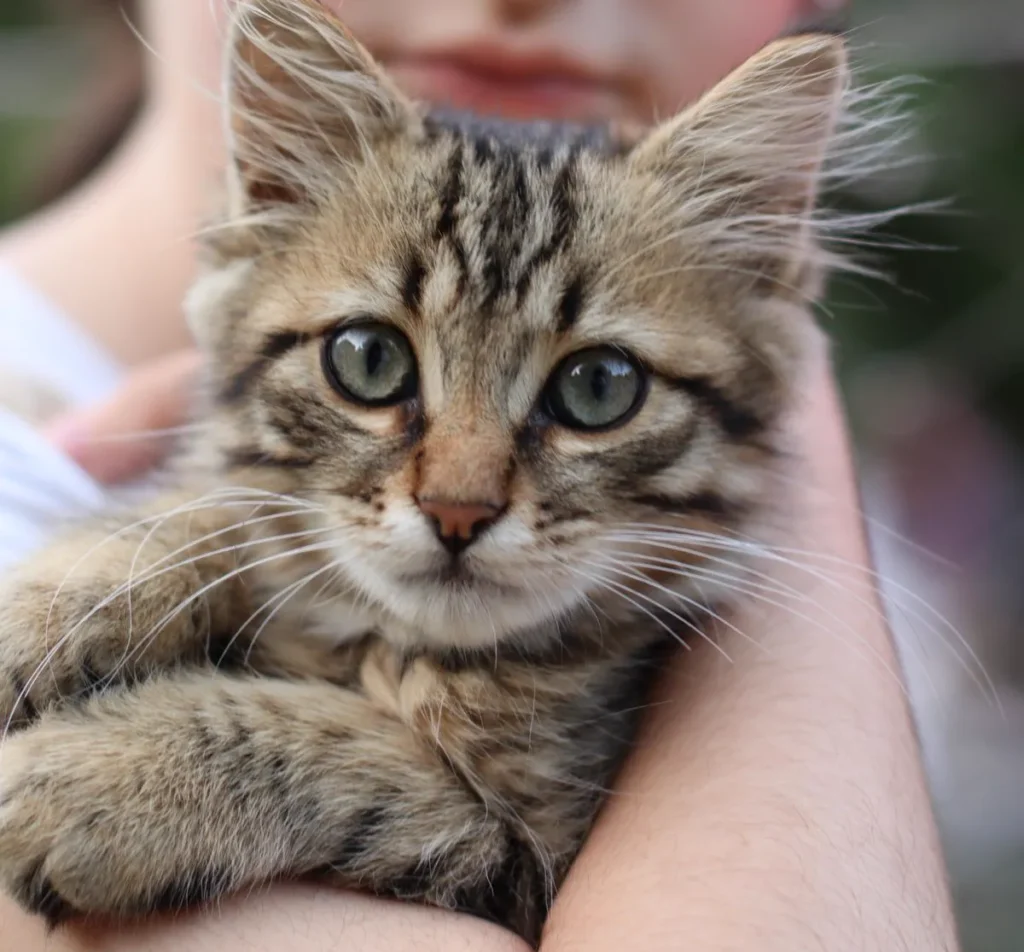
Owners on YouTube and in buyer guides suggest starting with health: what genetic and cardiac testing do the parents have, and can I see the results? A good answer is specific — named tests, dates, paperwork shown without hesitation. Ask how the kittens are raised (underfoot in a home, handled daily), what age kittens go home (12 to 14-plus weeks marks a careful breeder), what the contract covers, and what happens if the kitten develops a health problem. Ask for references and call one or two.
Then ask the question most buyers skip: what aftercare do you offer? The breeders owners rave about answer panicked first-week texts and remember your cat years later.
What Rescue Adoption Fees Actually Cover
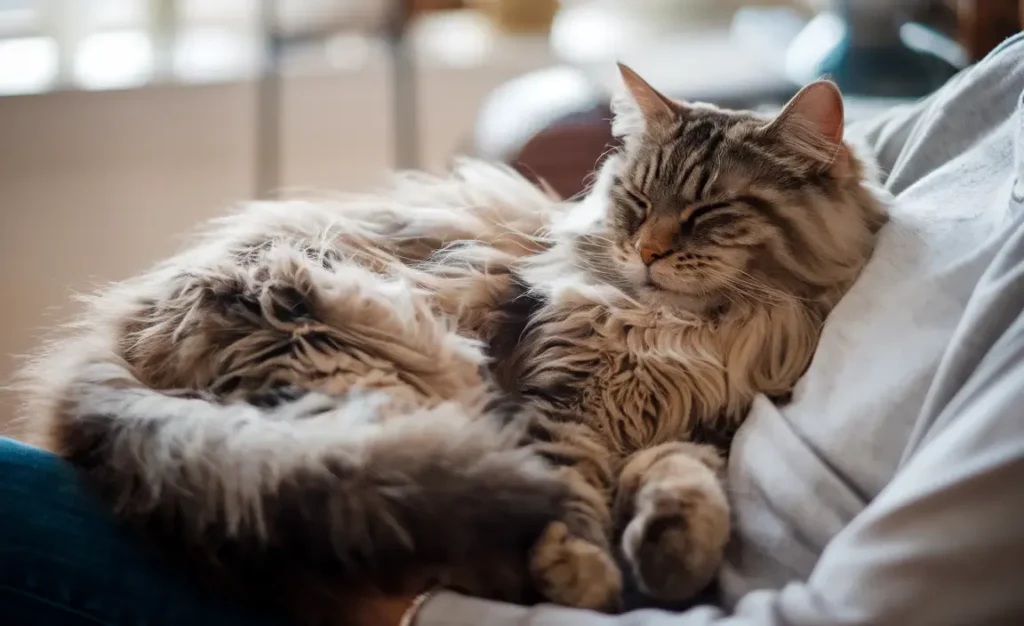
This is where rescue quietly beats breeder pricing on value. A typical adoption fee — often a few hundred dollars at a breed rescue, sometimes under a hundred at a shelter — usually covers spay or neuter surgery, core vaccinations, deworming, flea treatment, a microchip, and a vet exam. A “free” kitten with all of that paid privately at a clinic would cost you considerably more. Rescues are also usually candid about known quirks — foster homes notice the food sensitivity or the fear of men in hats — which is the rescue equivalent of a breeder’s health paperwork.
One more practical note: legitimate rescues are registered nonprofits. Owner communities advise checking a rescue’s nonprofit status and veterinary records before handing over money — scams are not limited to breeders.
Which Path Fits Which Owner
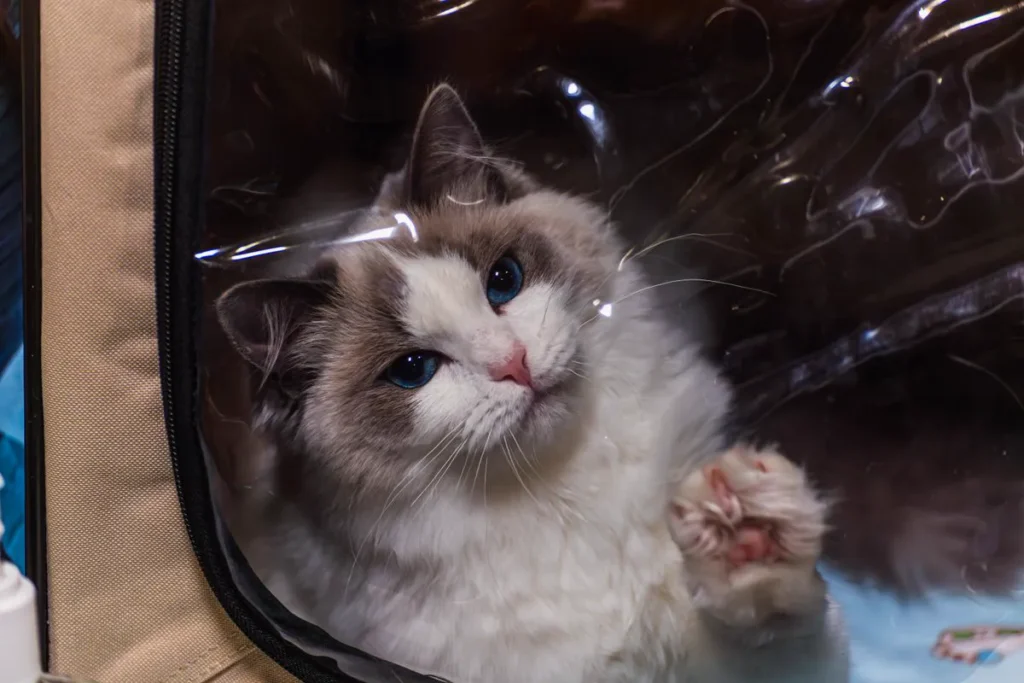
Go the breeder route if you want predictability: a known pedigree, health-tested parents, the full kitten experience, and a breeder on speed dial. It suits first-time Maine Coon owners who want guidance and families who need a kitten raised around household noise from birth. Budget for the price, the wait, and the chaos of kittenhood — and read my kitten care guide for the first 30 days before go-home day. Tip: ask about retired breeding cats — well-socialized young adults placed when a program scales back, often far cheaper.
Go the rescue route if you value the cat over the paperwork: lower cost, a known adult personality, vet care included, and the satisfaction of giving a home to a cat that needed one. It suits experienced cat people comfortable with a slower bonding curve and anyone skipping the kitten months. Purebred kittens are rare in rescue — flexibility about age is part of the deal.
Whichever route you take, the fundamentals after arrival are identical: a quiet safe room for the first days, the same food the cat was eating, a vet visit within the first week, and patience measured in weeks, not hours. VCA’s guide to bringing home a new kitten covers the first-days checklist. And you are committing to a slow-growing giant either way — my guide on how big Maine Coons actually get will reset your furniture expectations.
Frequently Asked Questions
Is it better to get a Maine Coon from a breeder or a rescue?
Neither is objectively better — they solve different problems. A breeder gives you predictability: pedigree, health-tested parents, a well-socialized kitten. A rescue gives you value and a known personality: lower fees with vet care included, usually an adult whose temperament is clear before committing.
How much does it cost to adopt a Maine Coon?
A breed site that checked advertised prices in July 2026 reported US breeders charging roughly $2,000 to $4,500 for a pet kitten, while US Maine Coon rescues charged roughly $250 to $450, usually including spay/neuter, vaccines, and microchip. Shelters can be under $100 for lookalikes. Treat these as orientation, not quotes.
How can I tell if a Maine Coon breeder is reputable?
Look for verifiable things: documented health testing on the parents, kittens raised in a home and kept until 12 to 16 weeks, a written contract with a health guarantee and take-back clause, registration papers, references, and a waitlist. Walk away from pressure tactics, constant kitten availability, or missing paperwork.
Can you find Maine Coon kittens in shelters?
Sometimes, but rarely purebred ones. Shelters and rescues mostly have adults and Maine Coon mixes — longhaired domestic cats with the look and often the temperament. Kittens go fast, so breed rescues usually have waitlists. If papers do not matter, a shelter lookalike is a wonderful, cheaper path to the same gentle-giant personality.
How long does it take to adopt from a Maine Coon rescue?
Expect weeks to a few months, not days. The application, reference checks, and matching take time, and desirable cats get multiple applications. Owners say the wait is worth it.
I have loved cats from both paths, and here is the truth nobody puts in the brochures: the source matters far less than the homework. A well-researched rescue adoption beats a careless breeder purchase every time, and a great breeder beats a sketchy cheap-kitten listing by a mile. Do the vetting, ask the uncomfortable questions, and trust the sellers who answer them gladly. If this breed still has you on the fence, these reasons Maine Coons make good pets are worth a read.