Maine Coon Allergies: Food, Skin and Environmental Signs Owners Miss
Maine Coon allergies are not the allergies most people think of. This guide is about the allergies your cat can have, not the allergies people can have to cats. If you are the one sneezing, that is a different question, covered in my guide to are Maine Coons hypoallergenic. Here, the cat is the patient: the itching, overgrooming, sore ears, and upset stomach owners too often explain away as shedding or a fussy phase.
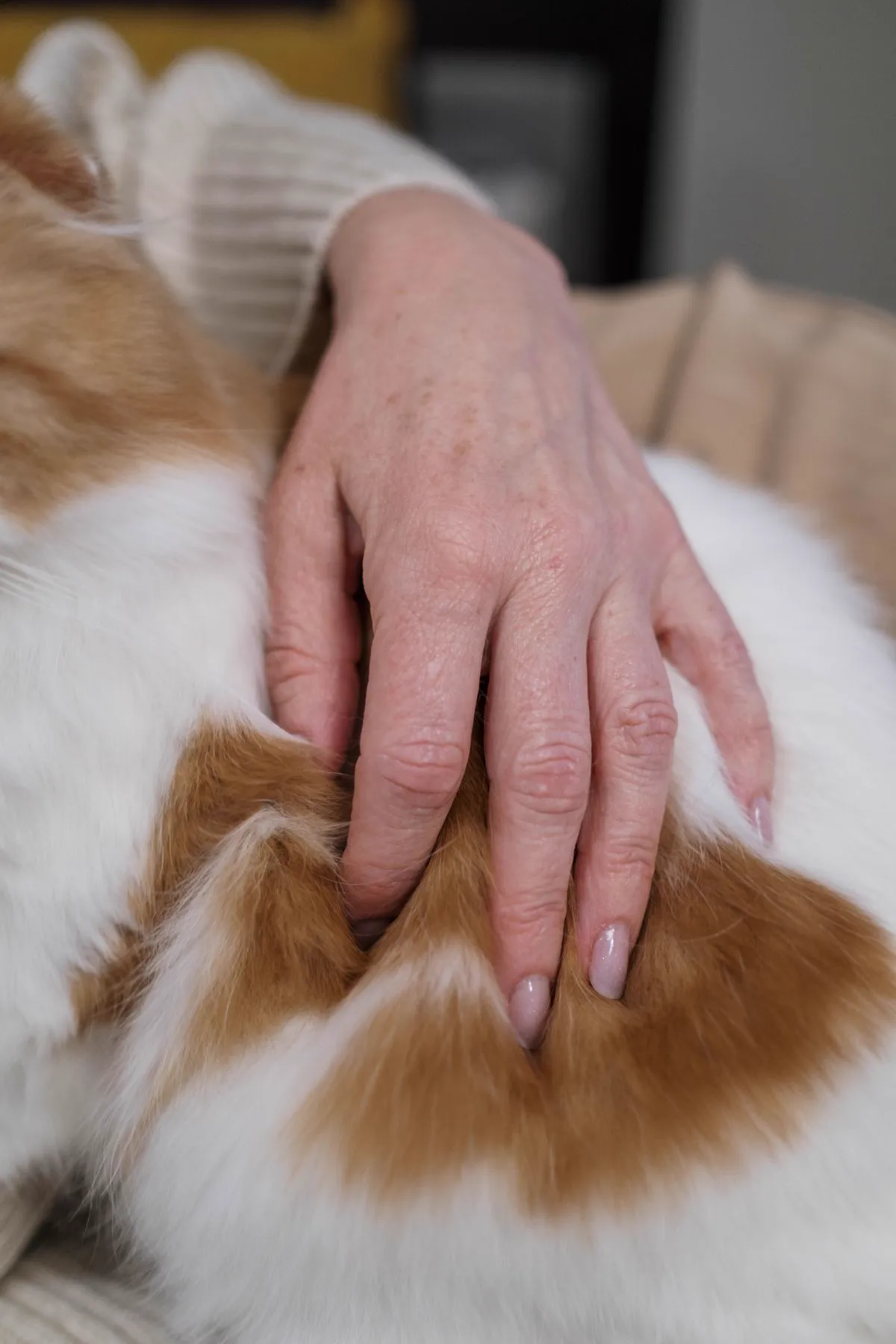
I missed the first signs with my own cat. She scratched a little more than usual, and because she is a Maine Coon, I blamed the coat. It took a bald patch on her belly, found only when I ran my hands through her fur, before I booked a vet visit. Other owners tell the same story.
Maine Coon Allergies: The Four Types Vets Usually Consider
Vets generally talk about four kinds of allergy in cats, and a Maine Coon can have more than one at once.
Flea allergy is a reaction to proteins in flea saliva. A cat with flea allergy dermatitis can react strongly to a single bite, so you may never see a flea on your cat. Indoor cats are not exempt, since fleas can hitch a ride in on clothing or other pets.
Food allergy is an immune reaction to something in the diet, most often a protein the cat has eaten before. It differs from a food intolerance, which upsets the stomach without the same immune involvement, and both can look similar at home.
Environmental allergy, also called atopy, comes from pollen, dust mites, and mould spores. Some cats flare in one season and settle in another, while dust mite allergy grumbles along all year. Owners on Reddit often describe the seasonal version first, because the timing gives it away.
Contact allergy is the least common of the four, coming from something touching the skin, such as a new shampoo, a cleaning product, or a new bed fabric. If the sore patch matches where the cat lies, mention it to your vet.
Cornell University College of Veterinary Medicine notes that food allergies rank third among feline allergies, behind flea bite allergy and inhaled allergens.
The Signs Owners Miss

A Maine Coon’s coat hides red skin, small scabs, and thinning fur until the problem is well established.
Scratching, licking, and overgrooming. The most common sign, and the easiest to miss in a breed that grooms a lot anyway. Watch for scratching that interrupts play or sleep, or licking one spot until the fur looks thin. Belly, inner thighs, neck, and tail base are the places owners mention most.
Small scabs and crusts. Vets call widespread tiny crusts miliary dermatitis, but at home it just feels like grains of sand under the fur, often along the back and neck. Owners in a Maine Coon group on Facebook recently described finding exactly this on a young cat, patch by patch. Scabs alone do not name the allergy.
Hair loss and a dull coat. Patchy thinning or a coat that loses its shine can follow weeks of itching. Shedding drops loose fur; allergy overgrooming removes it in patches. If your cat brings up more hairballs than usual, it may be swallowing more fur from grooming more, and my guide to Maine Coon hairballs explains when that is worth a vet conversation.
Ears and eyes. Recurring ear trouble is a classic allergy clue that gets treated as a standalone ear problem. Head shaking, scratching at the ears, and dark waxy build-up that keeps coming back should make you think beyond the ear itself. I cover the routine checks in my Maine Coon ear care guide, but if the same ear keeps flaring, ask your vet whether allergy is driving it. Watery eyes and sneezing show up too, though less often than skin signs.
Tummy trouble and behaviour changes. Vomiting, soft stools, or diarrhoea can accompany a food allergy, but they do not have to. Cornell notes that only a minority of cats with food allergies show gut signs alongside skin signs. A cat that hides more, plays less, or flinches at a sore area is also telling you something hurts or itches. None of these signs prove allergy alone, but together they are a reason to book a visit rather than wait for the next shed.
Food Allergies: Why the Usual Suspects Are Ordinary Proteins
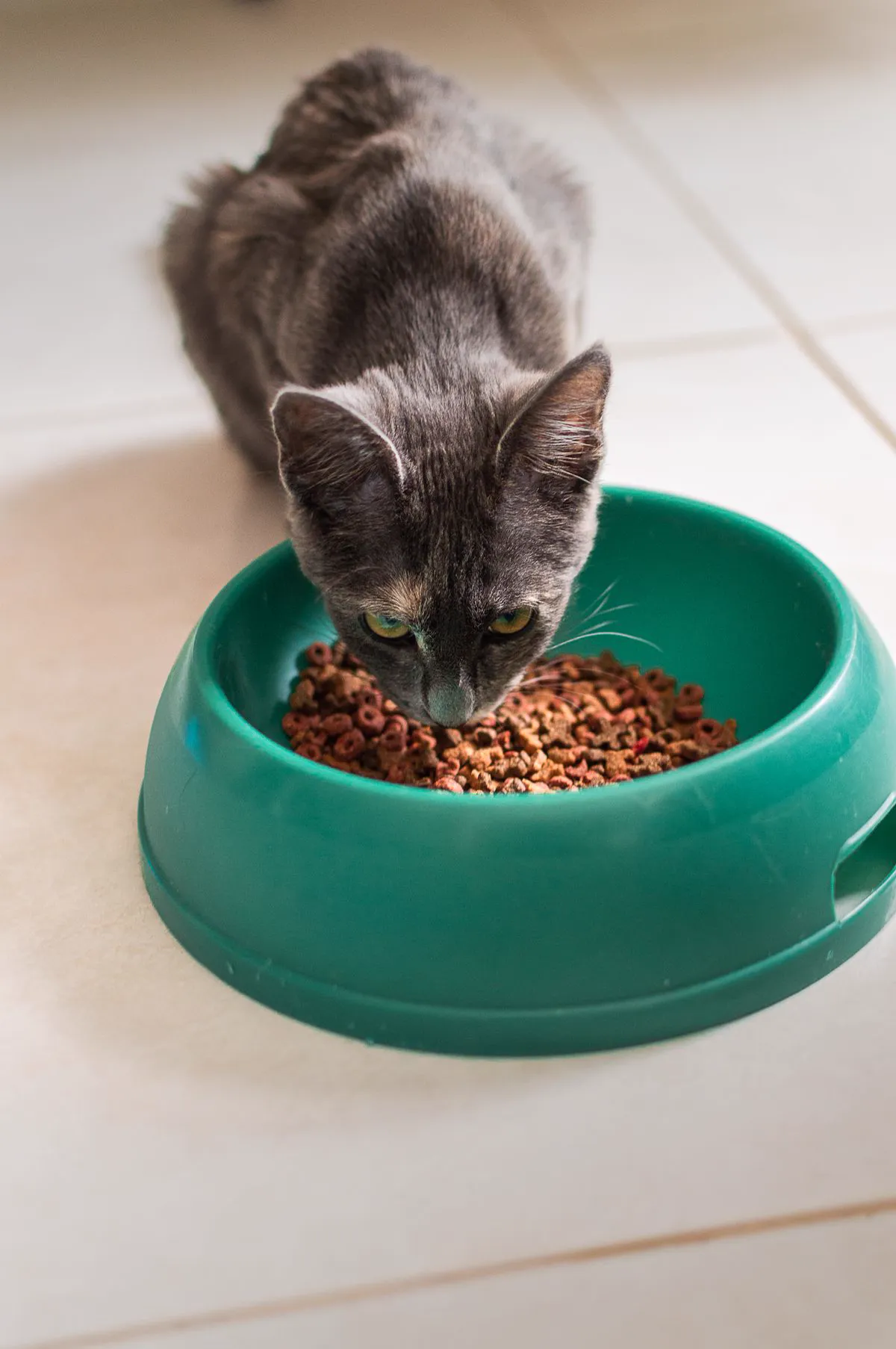
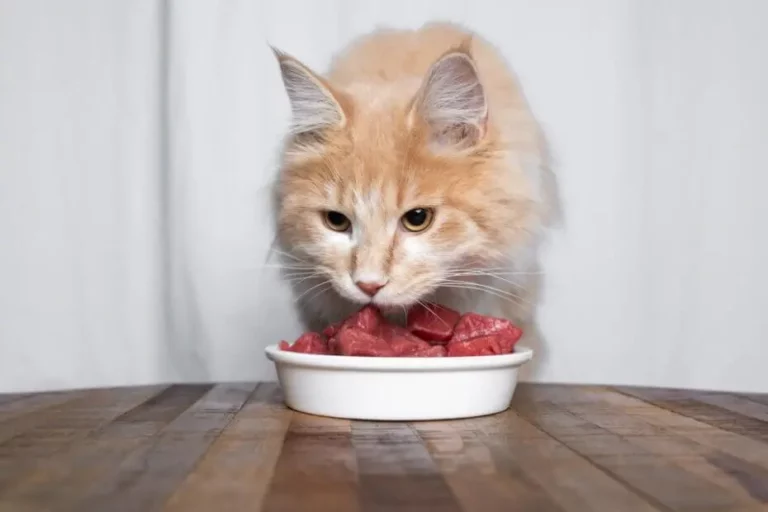
The proteins vets most often name in cat food allergy are the everyday ones: beef, fish, and chicken, with dairy also mentioned. That surprises owners, because the trigger is usually something the cat has eaten happily for months or years. An allergy builds over repeated exposure, so a food that was fine last year can become a problem this year.
Grain is often blamed first at home, but vets point to protein far more often, so a grain-free version of the same chicken-based food usually changes nothing if chicken is the trigger. Check the ingredient list, including proteins hiding in treats and flavoured medications.
Here is my own early mistake. I changed foods three times in a month, hoping the itching would stop. It did not, because I never gave any one food long enough, and I kept giving treats from the old diet. A food trial is not a food change; it is a controlled test, and it only works if it is strict. For a sensible everyday diet once you know what your cat tolerates, see my guide to the best cat foods for Maine Coon cats.
Environmental Allergies: Seasonal Clues and Year-Round Grumbles
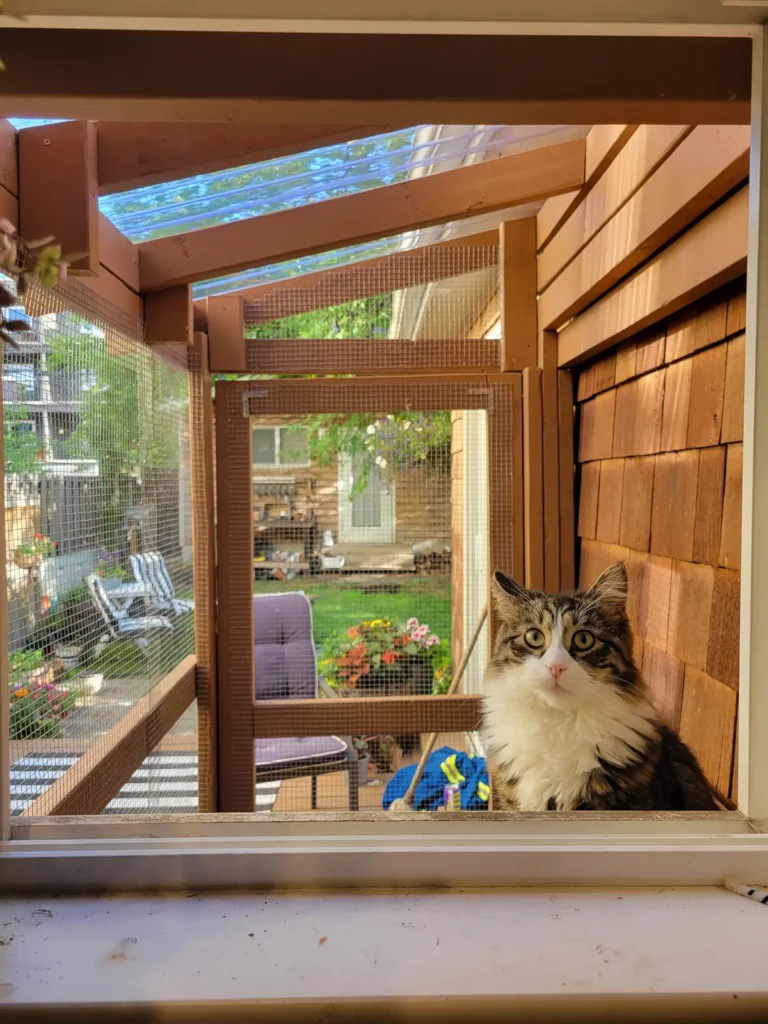
Environmental allergy announces itself in patterns. A cat itchy every spring, or worse after time on a catio, may be reacting to pollen. A cat mildly itchy all year, worse in a dusty bedroom, may be reacting to dust mites. Mould flares in damp weather.
Breeders on YouTube often advise keeping a simple diary before the vet visit: when itching started, whether it comes and goes, and what changed in the house.
While you wait for a diagnosis, wash bedding in hot water and vacuum with a HEPA-filter vacuum if you have one. Do not add new cleaning products or air fresheners: scented plug-ins and strong cleaners are themselves common irritants. If you recently added one, take it out and tell your vet.
Flea Allergy: One Bite Can Be Enough
Flea allergy is the most common allergy in cats and the easiest to rule out, yet owners keep missing it. The classic pattern is itching and scabbing over the lower back, the base of the tail, and the back legs. You may find flea dirt, tiny black specks that turn reddish on a damp white tissue, even if you never spot a live flea.
Ask your vet about year-round flea prevention for every pet in the home, using only products made for cats at the right dose. Dog flea products can be dangerous for cats, so never borrow one. If your cat is already on prevention and still flares, say so.
How Your Vet Works It Out
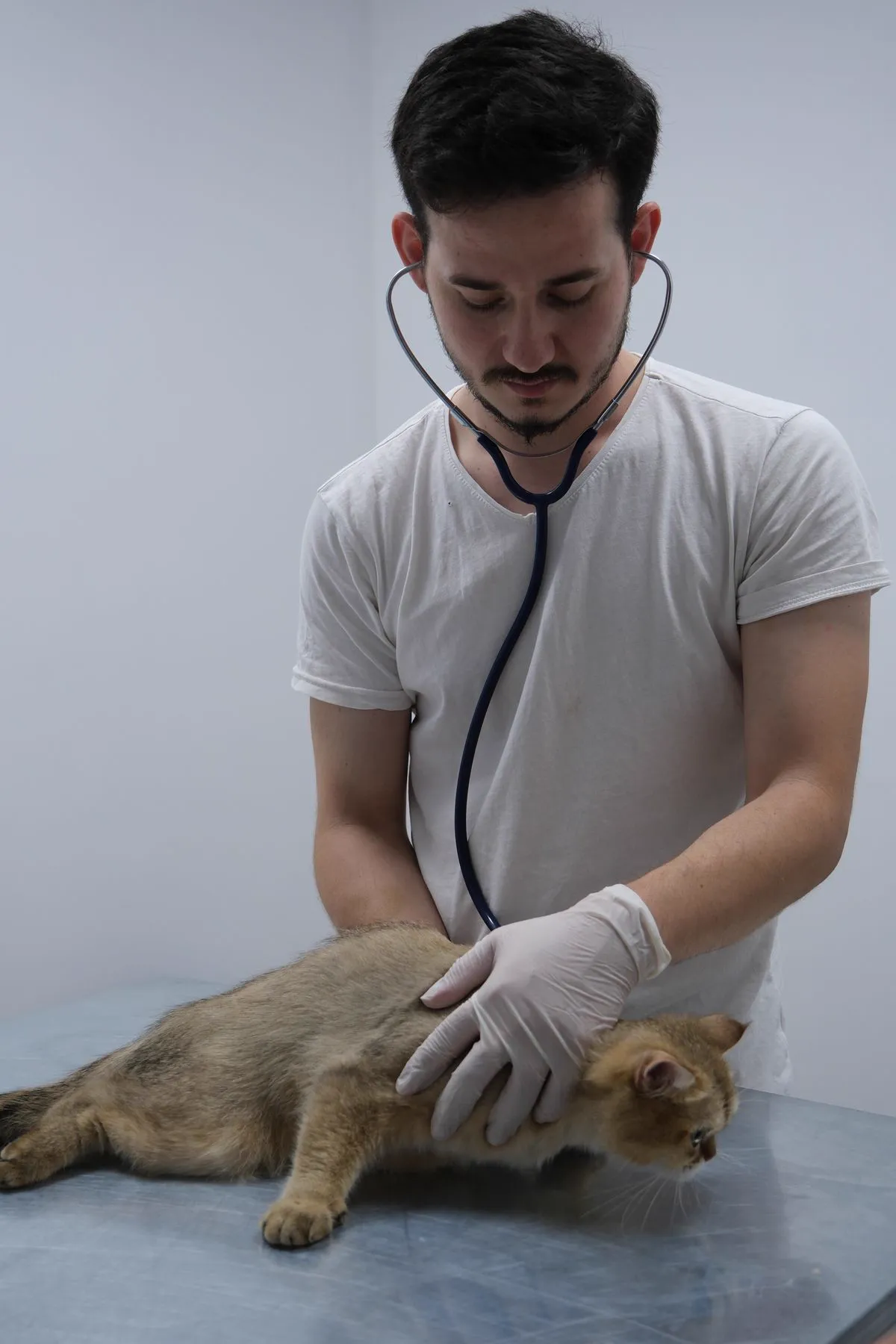
There is no single blood test that settles a cat allergy question. Your vet will usually work by ruling things out in order.
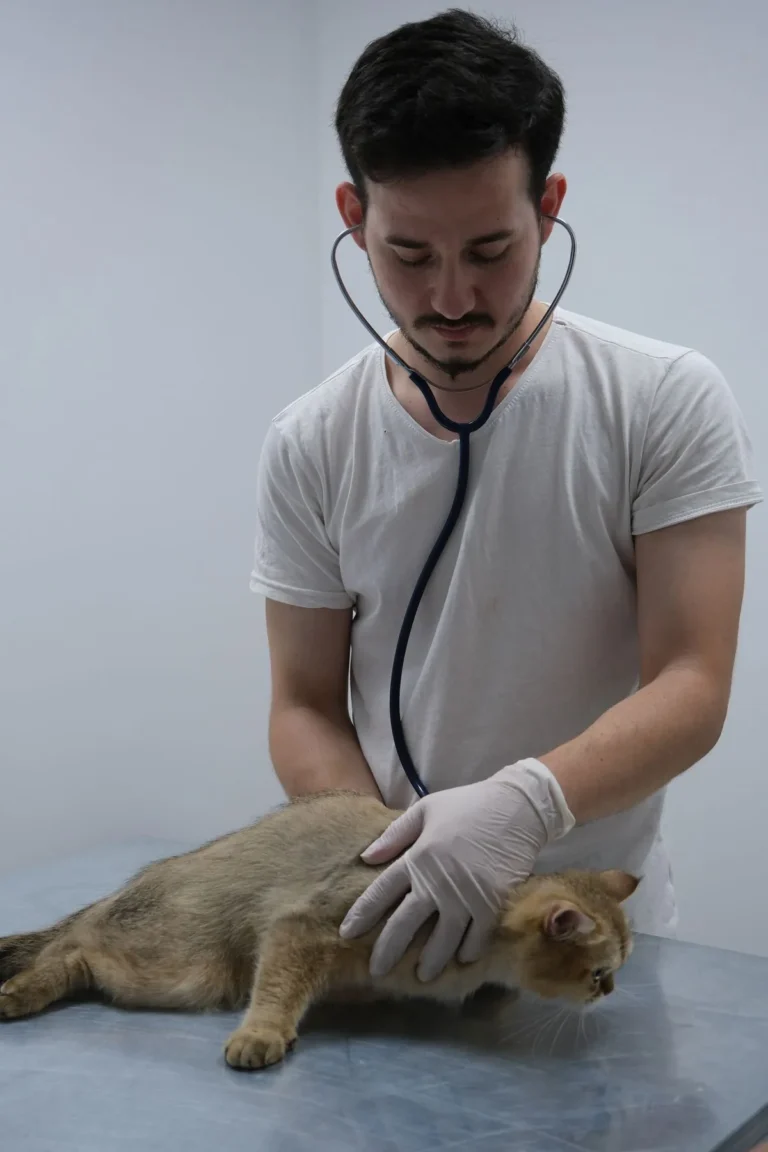
First comes a hands-on examination and a check for parasites and skin infection. Allergy skin is easily infected, and infection itself causes itching, so treating it first can clarify the picture. Your vet may look at skin scrapings or an ear swab under a microscope.
If food allergy is suspected, the gold-standard test is an elimination diet trial, longer and stricter than most owners expect. Cornell describes feeding nothing but a novel diet, a protein and carbohydrate combination the cat has not eaten before, plus water, for at least eight to ten weeks, then reintroducing old components one at a time and watching for symptoms to return within a week or two. VCA Animal Hospitals describes the same approach in its guide to implementing an elimination diet trial: treats, flavoured medications, supplements, and table scraps all count, and any of them can ruin the trial.
Your vet may suggest a hydrolysed protein diet instead, in which protein is broken down into very small pieces. Either way, the trial needs veterinary supervision; do not try a home-made restriction diet without vet guidance.
For environmental allergy, your vet may discuss blood or skin testing once fleas and food have been ruled out. These tests look for environmental triggers, but they do not diagnose food allergy, and VCA notes that blood, saliva, and hair tests marketed for food allergy have not proved accurate. Cornell’s account of food allergies in cats explains why the process takes months rather than days.
Living With an Allergic Maine Coon
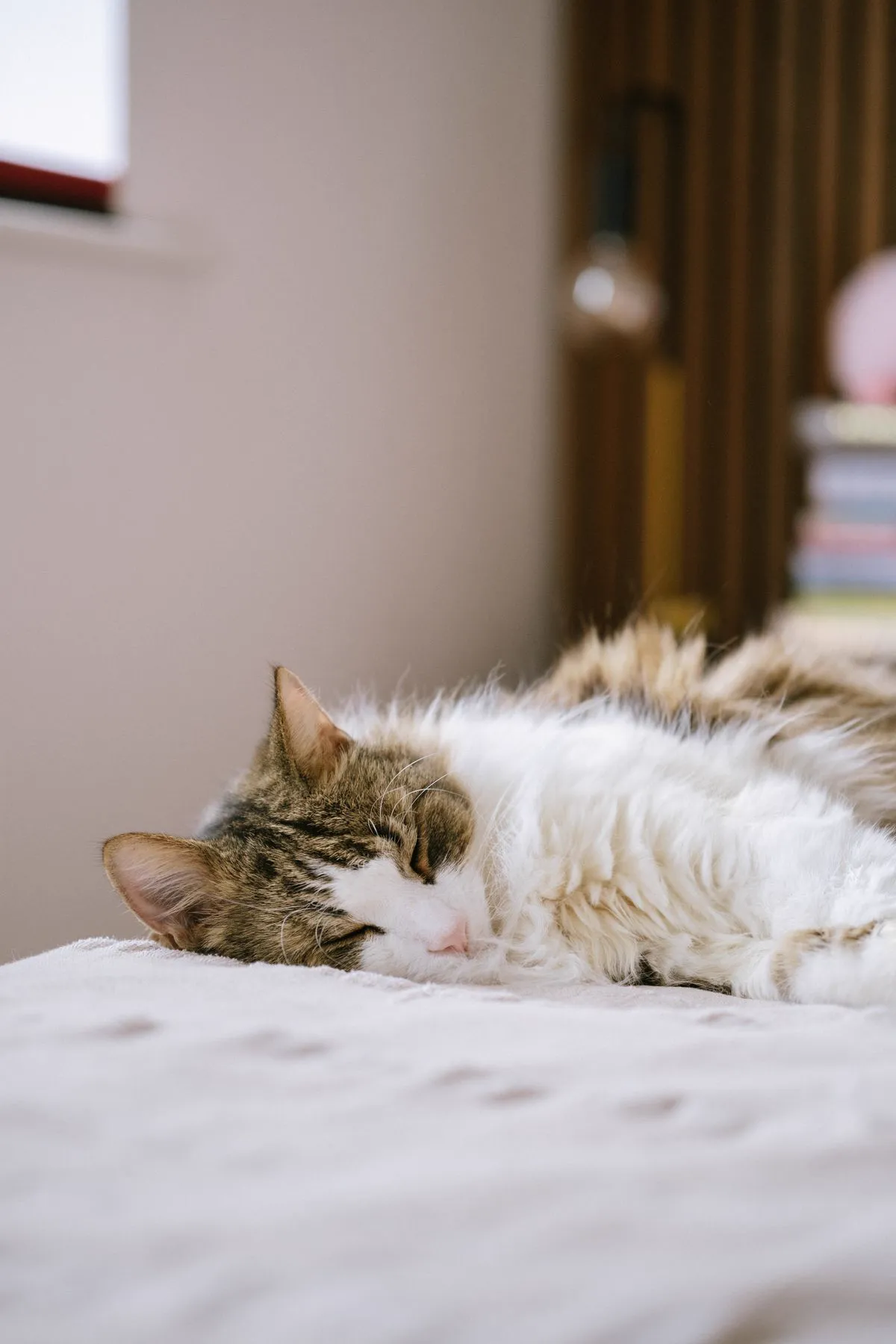
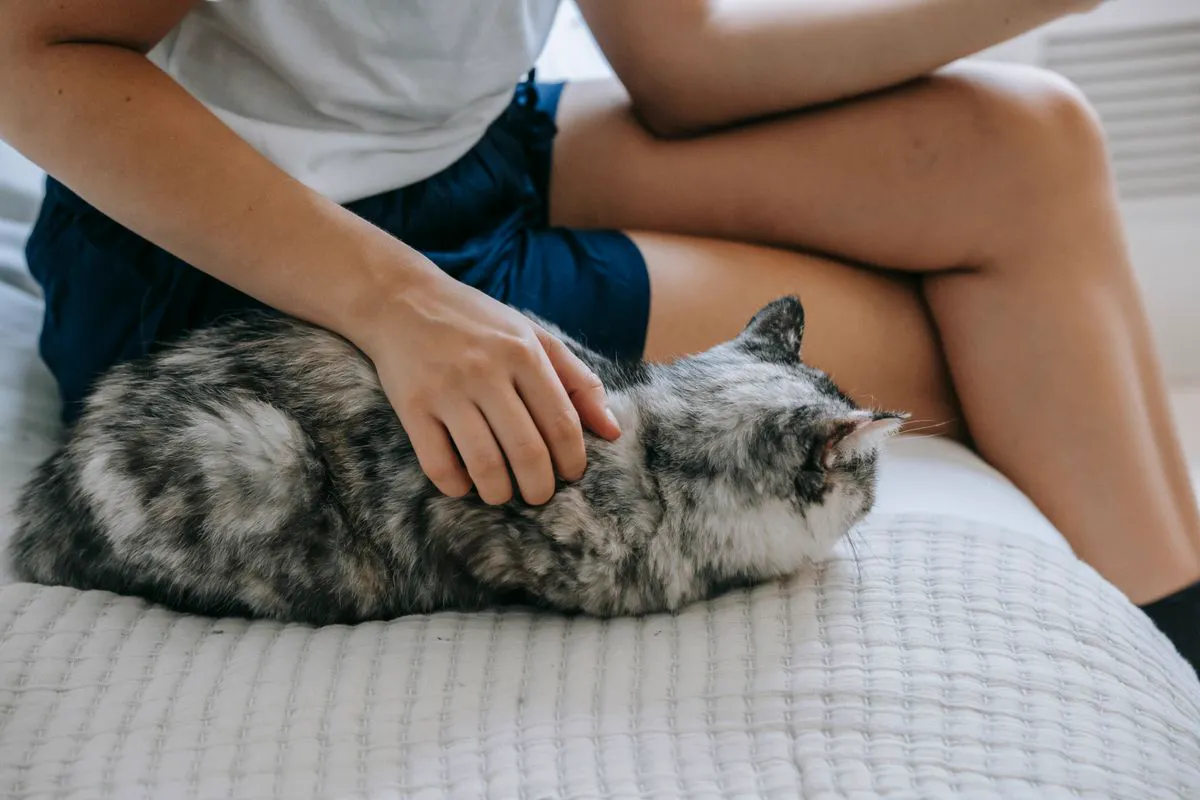
An allergy diagnosis is usually the start of management, not a one-time fix. Environmental allergy tends to wax and wane, and your vet may discuss ongoing options for flare-ups. I will not recommend a specific medicine here, because the right choice depends on your cat’s other health issues and how severe the signs are. The cats who do best usually keep a boring routine: same tolerated food, same flea prevention, same gentle grooming, and a vet visit early in a flare.
Grooming needs a lighter hand during a flare. Over-bathing strips the coat and irritates sore skin, and brushing through mats aggressively hurts. My guide to Maine Coon grooming mistakes covers the overdoing-it traps: keep grooming gentle, sessions short, and stop if the skin looks red or the cat objects. A calm weekly coat check, parting the fur to look at the skin, catches a flare earlier than brushing from the top.
Keep notes after the diagnosis: which foods are safe, which treats caused a flare, and which season is worst. Swelling of the face, difficulty breathing, or collapse is an emergency: contact your vet or an emergency clinic immediately.
When to See the Vet Without Waiting
Book a prompt visit, and do not wait out the next shed, if you notice any of these: itching that keeps your cat awake or stops them playing; scabs, sores, or hair loss that spread or do not heal; recurring ear infections or head shaking; vomiting or diarrhoea alongside skin signs, or either one alone lasting more than a day or two; swelling, open wounds, or signs of infection; weight loss, loss of appetite, or a cat that hides and stops interacting; or any allergy sign in a kitten, a senior cat, or a cat with another health condition. Cornell’s guide to otitis in cats explains how vets examine an inflamed ear canal.
I know the temptation to try one more food or one more week of waiting. I gave in to it myself, and it cost my cat weeks of itching. Notice early, write down what you see, and let your vet do the sorting out.
Frequently Asked Questions
Can Maine Coons get allergies?
Yes. Maine Coons can develop flea, food, environmental, and contact allergies like any other cat, and their long coat can hide early signs, so regular coat checks matter.
What is the most common allergy in cats?
Flea allergy is generally considered the most common, followed by environmental allergy and then food allergy. Vets usually check fleas and prevention first.
How long does a cat elimination diet take?
Expect at least eight to ten weeks on nothing but the trial diet and water, under your vet’s guidance. Treats and table scraps count during the trial, and reintroducing old foods one at a time confirms the trigger.
Can a cat suddenly become allergic to a food it always ate?
Yes, this is common. Food allergy usually develops after repeated exposure, so a food that suited your cat for years can become a trigger.
Do Maine Coon allergies go away on their own?
A food allergy can be managed by permanently avoiding the trigger food, but environmental allergy is usually long-term management. A cat that keeps flaring needs a vet plan, not just waiting.