Declawing a Maine Coon: What It Really Means, Risks and Alternatives
I will be honest with you. The first time one of my Maine Coons shredded the arm of a chair I loved, the thought crossed my mind. Just for a second. What if I could simply make the scratching stop? If you have had that same thought, you are not a bad owner. You are a tired owner with a scratched sofa, and you want a real answer about declawing a Maine Coon before you do anything you cannot undo.
Declawing is not a nail trim. Once you understand what it actually is, the alternatives start to look a lot more sensible.
What Declawing a Maine Coon Actually Is
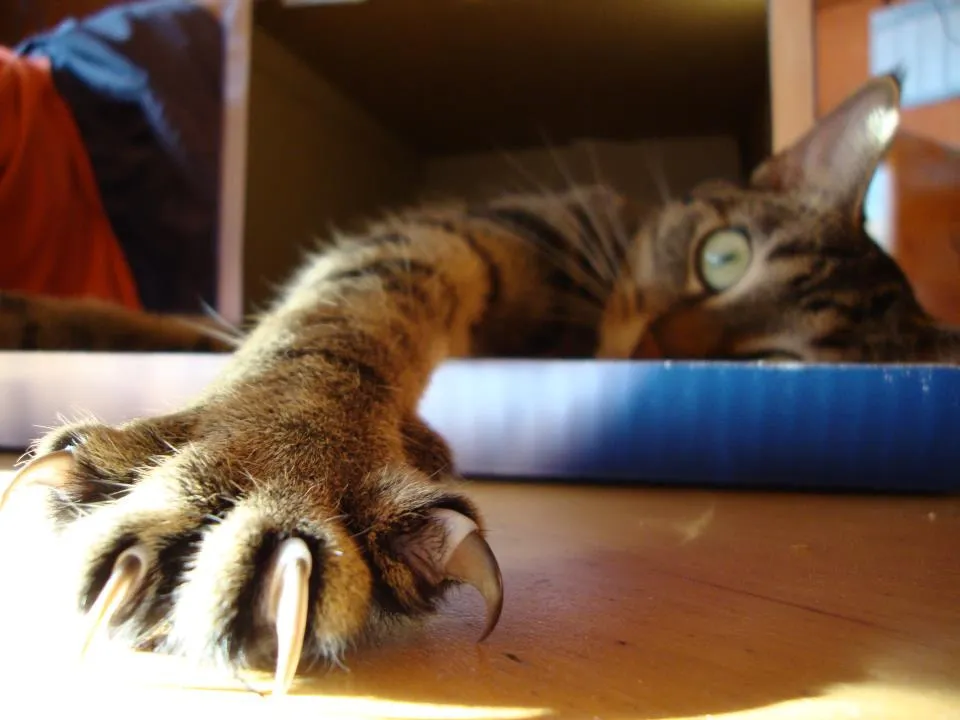
Declawing a Maine Coon sounds tidy, like something done in a few minutes with a clipper. It is not. The surgery is called an onychectomy: the amputation of the last bone of each toe, the bone the claw grows from. On the front paws alone, that is ten separate amputations. Vets often compare it to removing the last joint of each of your fingers, and once I heard that comparison, I could not unhear it.
The cat is put under general anaesthesia. Afterwards, it still has to walk on those same sore paws to reach its food, water, and litter box. For a Maine Coon — a large, heavy cat that loves to jump and land with a thump — those first days are not easy.
Declawing also does not stop a cat wanting to scratch. Scratching is how cats stretch, mark territory with scent from glands in their paws, and shed the worn outer layer of their claws. Cornell University’s College of Veterinary Medicine describes scratching as an innate behaviour, like grooming, and says cats can be taught to scratch on appropriate objects instead. Take the claws away and the urge stays.
Why Owners Consider It — and Why Maine Coons Make It Harder
Nobody I have ever met considered declawing because they disliked their cat. The reasons are always understandable: the sofa is ruined, a child got scratched during play, an older relative with thin skin got a nasty graze, or a landlord has made it a condition of keeping the cat.
Maine Coons add their own wrinkle. They are one of the largest domestic breeds, and they stay kittenish and clumsy for years. A Maine Coon stretching up a scratching post puts far more weight and force through its paws than a small cat does — which is exactly why a flimsy post topples over and the cat goes back to the sofa. It also means a heavy cat landing on freshly operated paws is not the same as a light cat doing so.
Owners on Reddit say much the same thing, in their own blunt way. In threads about scratching, the pattern repeats: someone arrives frustrated and ready to consider surgery, and the replies are practical fixes, not lectures — a taller post, a different texture, a trim every couple of weeks. Breeders on YouTube recommend much the same: give the cat something better to scratch, and make the sofa boring.
The Risks Vets Talk About
I am not a vet — if you are weighing surgery, talk to your own vet in person. But the risks veterinary sources describe are consistent.
The immediate risks are the ones you would expect from surgery on the feet: pain, bleeding, swelling, and infection. The paws are in constant contact with the floor and the litter box, so keeping a surgical wound clean while a cat walks on it is genuinely difficult. Sometimes a claw regrows, deformed, under the skin, which can mean more pain and sometimes a second procedure.
The longer-term concerns worry me more: lasting pain and nerve damage, limping that shows up weeks or months later, and changes in gait that can lead to back and joint trouble, since cats walk on their toes. Some declawed cats avoid the litter box because digging hurts, and some resort to biting instead of scratching. PetMD notes these possible behavioural changes while also saying there is debate about how directly declawing causes them — not every declawed cat has every problem, but the risks are real and lasting.
The American Veterinary Medical Association strongly discourages declawing as an elective procedure, and many large veterinary hospital groups have stopped offering it altogether. A declawed cat must also stay indoors for life — without claws it cannot climb properly or defend itself.
Is Declawing Legal Where You Live?
What is firmly established is that New York became the first US state to ban elective declawing in 2019, and Maryland followed in 2022. Both allow the surgery when a vet documents a genuine medical need, such as a tumour or a serious infection in a toe. Beyond those two, legal summaries published in 2026 also list bans or substantial restrictions in Virginia, Massachusetts, Rhode Island, and California, plus Washington, D.C., and a growing number of individual cities. Declawing is also banned or heavily restricted in many other countries, including the UK and much of Europe.
My honest advice: before you book a consultation, check the current law in your own state and city, and ask your vet directly whether they perform the procedure at all. Many vets will not, whatever the law says. If the law where you live has changed since this article was written, the version on your state legislature’s own website is the one that counts.
When Is Declawing Ever Medically Necessary?
The one exception: when a vet says a claw or part of a toe must come off to treat the cat itself. A tumour in a toe, a severe infection that will not heal, or an injury that cannot be repaired any other way — those are medical reasons, and they are the exception every ban and every veterinary body allows for. That is a different decision from declawing a healthy cat to protect furniture.
Alternatives to Declawing That Actually Work
None of these is magic on its own. Together, they work.
1. Regular nail trims
Trimming is the single highest-value habit in this whole article. A blunt claw does far less damage than a sharp one, and a Maine Coon used to having its paws handled will sit for it. Clip just the sharp tip, stay well clear of the pink quick inside the nail, and go slowly — one paw a day is fine while you are both learning. If you are nervous, ask your vet or groomer to show you once. Full step-by-step here: Maine Coon nail trimming.
2. A tall, sturdy scratching post — the right one
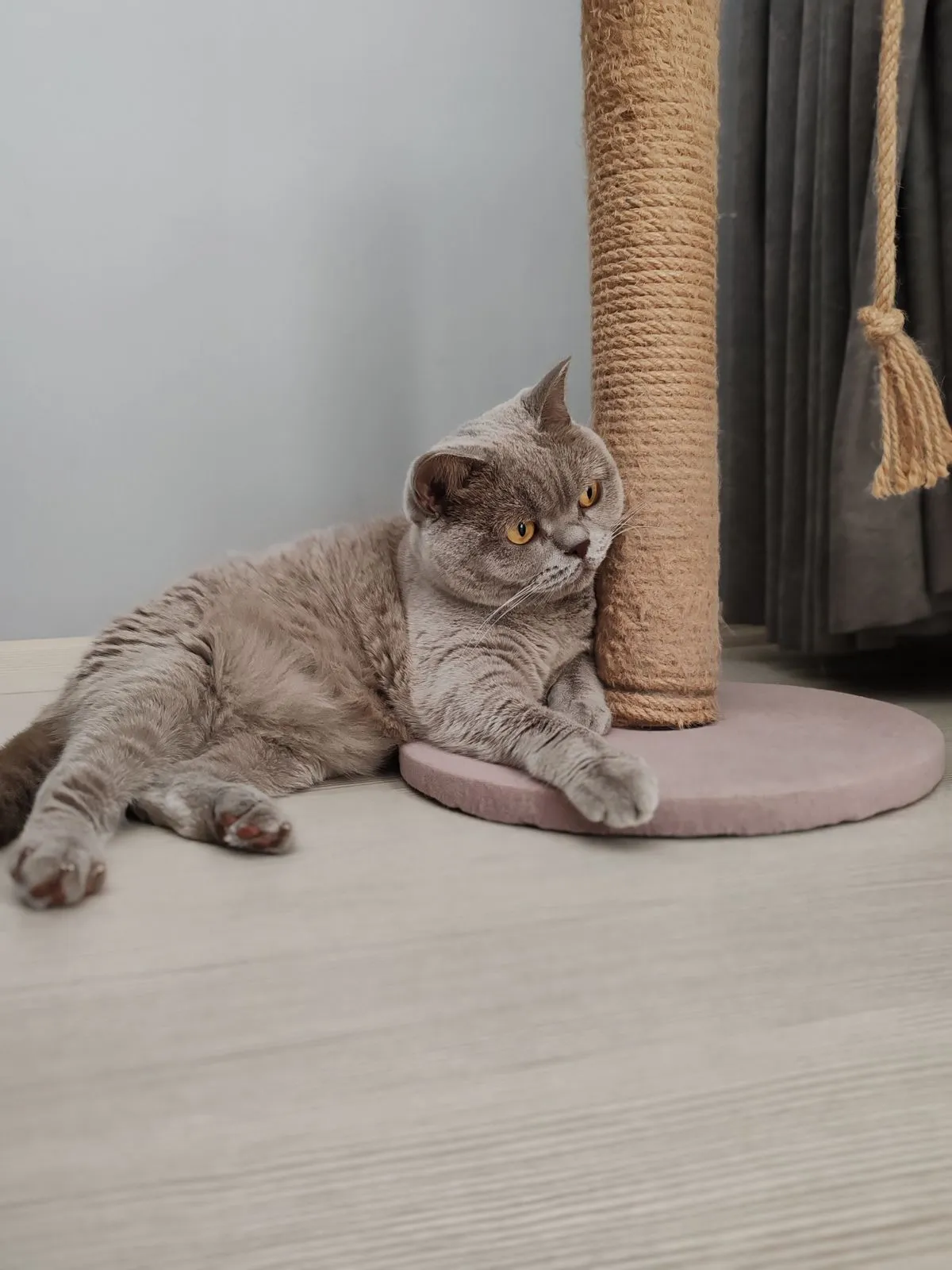
This is where most owners go wrong, and I include myself. A short, wobbly post is not an alternative to your sofa; it is a toy your cat will ignore. A Maine Coon needs a post tall enough for a full stretch — at least 30 inches is the usual guidance — heavy enough not to tip, and wrapped in sisal rope or rough cardboard. Put it where the cat already scratches, and one near a favourite sleeping spot too. I compared the options here: the best scratching post for a Maine Coon.
Owners on Facebook say the same thing differently. In one long discussion I read, owners of several cats each talked about buying decorative posts they could live with as furniture and trimming nails regularly. Nobody in that thread thought surgery was the answer.
3. Nail caps
Nail caps are a real product category, worth knowing about before you dismiss them. They are small vinyl covers — the best-known brand is Soft Paws, developed by a vet — glued over each claw so the cat can still scratch and stretch, but the claw cannot snag or shred furniture. They usually last around four to six weeks before shedding with the growing nail, and a vet or groomer can put the first set on while you watch. They are not for outdoor cats, and some cats chew at them at first. But for an indoor Maine Coon, they are a genuine middle ground — reversible and painless.
4. Make the sofa boring and the post irresistible
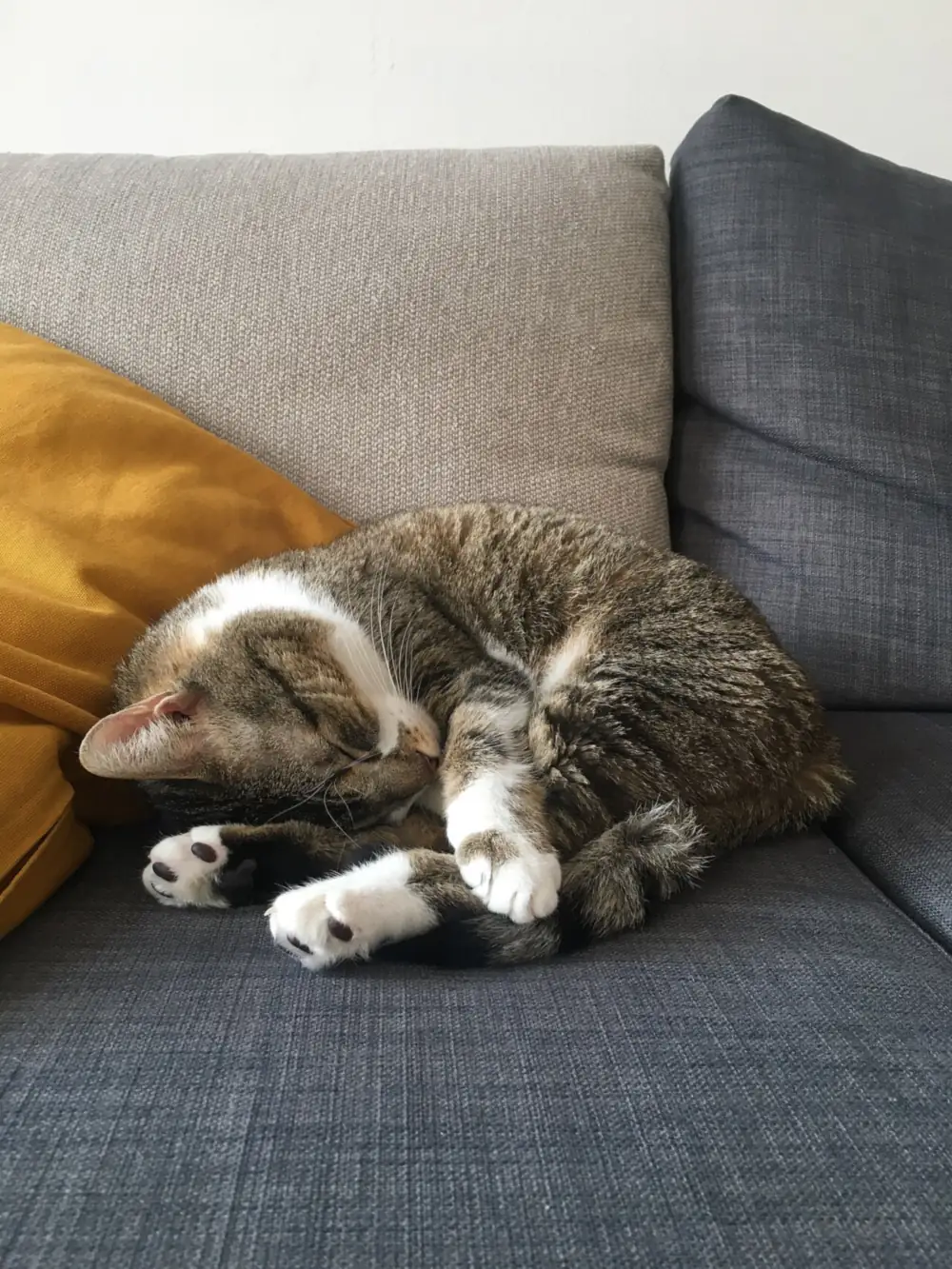
Double-sided sticky tape on sofa corners feels horrible to paws, and most cats give up within days. A throw over the favoured arm removes the reward. At the same time, reward the cat every time it uses the post — a treat, a fuss, a calm word. Maine Coons are famously trainable and respond to praise far better than to scolding. Never punish a cat for scratching; it will simply scratch when you are not looking. If scratching is part of a wider pattern, I covered the whole picture in my guide to Maine Coon behaviour problems and how to stop them.
5. Play, and tired cats scratch less
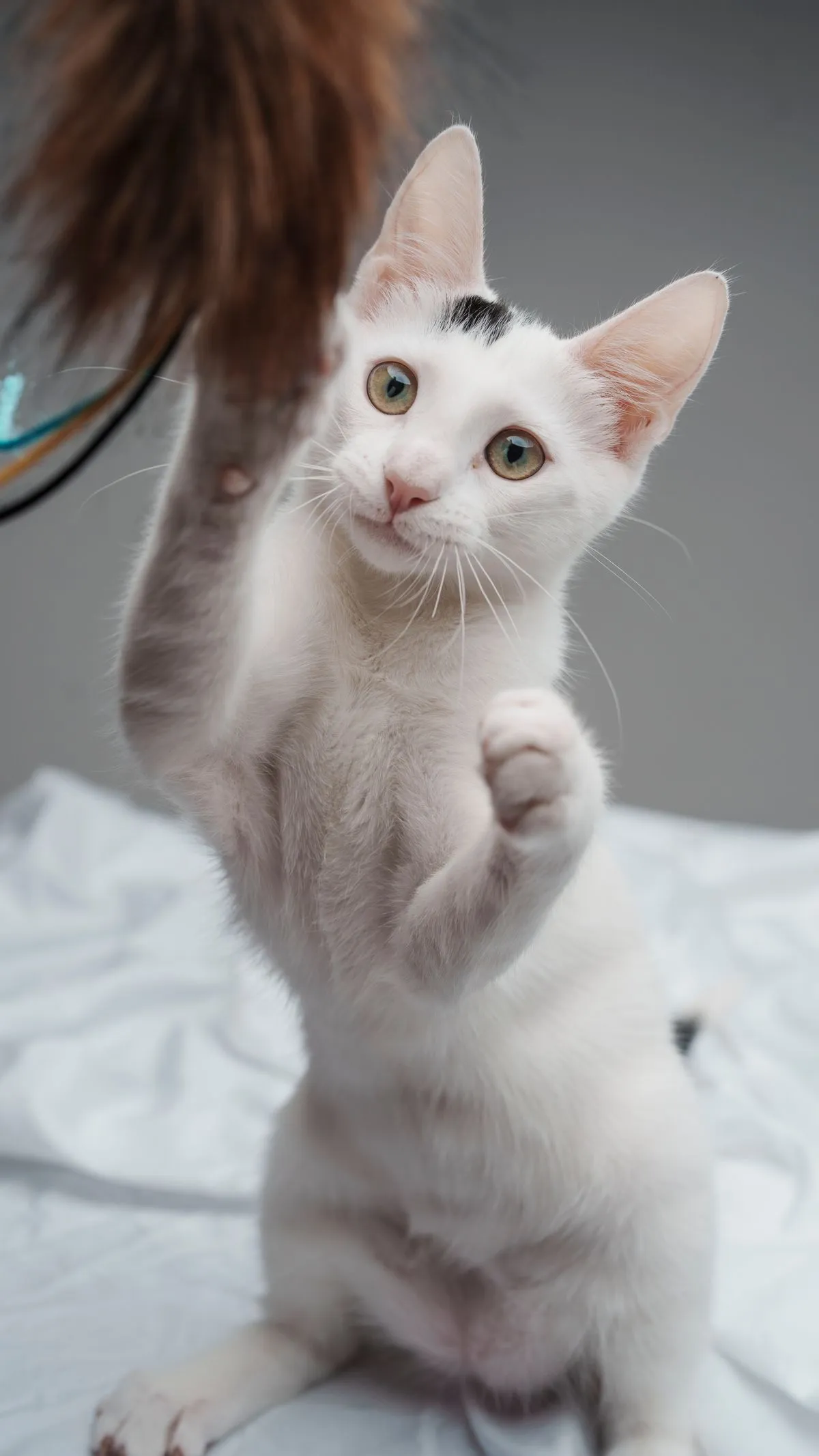
A bored Maine Coon is a destructive Maine Coon. Ten minutes with a wand toy before dinner, a puzzle feeder, a window perch with something to watch — these are how a big, clever cat burns off the energy that otherwise goes into your armchair. I wrote about keeping that relationship safe in my guide to Maine Coons and children.
What I Would Do
If a friend asked me, over coffee, whether to declaw her Maine Coon, I would tell her what I have told you here. The surgery is bigger than the name suggests, the risks are not small print, and the law may already have decided the question for her. Then I would tell her to try the alternatives properly for a month — a real post, a trim every couple of weeks, tape on the sofa, and a treat every time the cat chooses well.
Your Maine Coon does not scratch your furniture because it is angry with you. It scratches because it is a cat, and a big one, and its body needs to do it. Our job is not to remove that need. It is to give it somewhere better to go.
Frequently Asked Questions
Is declawing a Maine Coon painful?
Yes. Declawing is an amputation of the last bone of each toe under general anaesthesia, and veterinary sources describe a painful recovery, since the cat must walk on its operated paws. Some cats go on to have lasting pain or sensitivity.
Does declawing stop a Maine Coon from scratching?
No — it stops the damage, not the urge. Scratching is an innate behaviour for stretching, marking territory, and shedding worn claw sheaths. A declawed cat still wants to scratch; it simply cannot do it properly.
Is declawing a Maine Coon illegal?
It depends where you live, and the picture is changing. New York banned elective declawing in 2019 and Maryland in 2022, and legal summaries published in 2026 also list restrictions in several other states and Washington, D.C., plus many cities and other countries. Check your current state and city law and ask your vet.
What are the best alternatives to declawing a Maine Coon?
The combination that works best is regular nail trims, a tall and sturdy scratching post, and making furniture unattractive with double-sided tape or a throw while rewarding the cat for using the post. Vinyl nail caps are another real option for indoor cats, needing replacement every four to six weeks.
Are nail caps safe for Maine Coons?
Nail caps are generally considered a humane alternative by vets: vinyl covers glued over the claw that let the cat scratch and stretch without causing damage, shedding naturally as the nail grows. They are not suitable for outdoor cats.
Sources and Further Reading
- Cornell University College of Veterinary Medicine — Feline Behavior Problems: Destructive Behavior: https://www.vet.cornell.edu/departments-centers-and-institutes/cornell-feline-health-center/health-information/feline-health-topics/feline-behavior-problems-destructive-behavior
- PetMD — Negative Side Effects of Declawing Cats: https://www.petmd.com/cat/general-health/negative-side-effects-of-declawing-cats
- PetMD — How to Stop Cats From Scratching the Furniture: https://www.petmd.com/cat/behavior/how-to-stop-cats-from-scratching-furniture