Diabetes in Maine Coons: Signs, Diet and Care
The first thing I noticed was the water bowl. I was filling it twice a day instead of once, and the litter tray needed scooping far more often than usual. My big boy was still eating like a horse, but his spine felt sharper under my hand. Nothing dramatic. That slow, quiet creep is exactly how diabetes in Maine Coons usually shows up.
If your Maine Coon is drinking more, weeing more, and losing weight even though the food bowl empties on schedule, please do not wait. Book a vet visit and let them test. What follows is what I have learned since then, from my own cat, from other owners, and from vets. It is not a diagnosis or a treatment plan, but it will show you what to watch for and what daily life looks like afterwards.
What Is Diabetes in Maine Coons?
Diabetes in Maine Coons is the same condition vets see in cats of every breed: the body cannot make enough insulin, or cannot use it properly, so sugar builds up in the blood instead of feeding the cells. The body then breaks down fat and muscle for energy, which is why a diabetic cat can eat well and still get thinner.
Most cats who develop diabetes have the form linked to the body resisting its own insulin. The Cornell Feline Health Center explains that this is the most common form in cats, and that somewhere between 1 in 100 and 1 in 500 cats will be diagnosed during their lifetime. Maine Coons are sometimes listed among breeds with a slightly higher risk, though other sources disagree. The evidence is mixed; weight, age, and activity matter far more. It is one of several conditions covered in my broader overview of how long Maine Coons usually live and the health issues to watch for.
The Signs I Would Watch For
Cats hide illness well, and Maine Coons are no exception. Mine kept playing and purring while the signs built for weeks before I put them together.
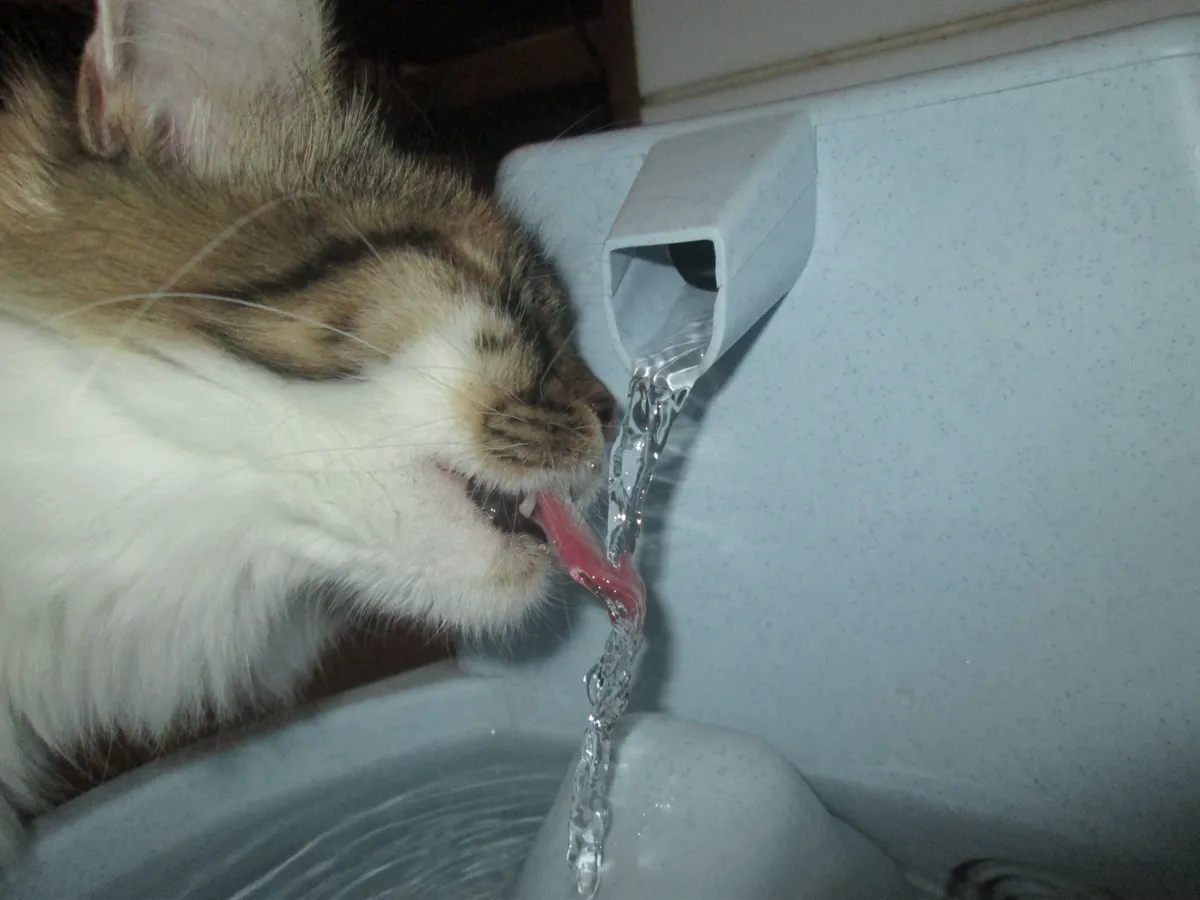
Drinking much more water. This is usually the first thing owners notice. The water bowl empties faster, and your cat may start drinking from taps or glasses they used to ignore. Owners on Reddit and Facebook say the same: the water bowl was the first clue.
Weeing more, in bigger amounts. The litter clumps get noticeably bigger, the tray needs scooping more often, and some cats have accidents outside the tray because they cannot hold it. Owners in online cat communities say the litter box often told the story first.
Losing weight while eating well. This worried me most. A diabetic cat can be ravenous and finish every meal, yet still lose weight, because the body burns its own fat and muscle for energy. Run your hands along your cat’s spine and hips weekly; if the bones feel sharper, book a vet visit. See also the signs your Maine Coon is underweight.
Eating more, then eating less. Appetite often rises first, which makes the weight loss confusing. But if a cat who has been eating well suddenly goes off food, that is a warning sign. A diabetic cat who stops eating needs a vet the same day.
Sleeping more and playing less. A Maine Coon who gradually stops jumping up, loses interest in play, or hides more than usual may be short on usable energy. Judge it over a week or two, not a single sleepy afternoon. A dry coat can creep in too.
If two or more of these changes are happening together, do not try to diagnose it yourself. Book the vet. Two signs together are enough reason to go.
Who Is Most at Risk?
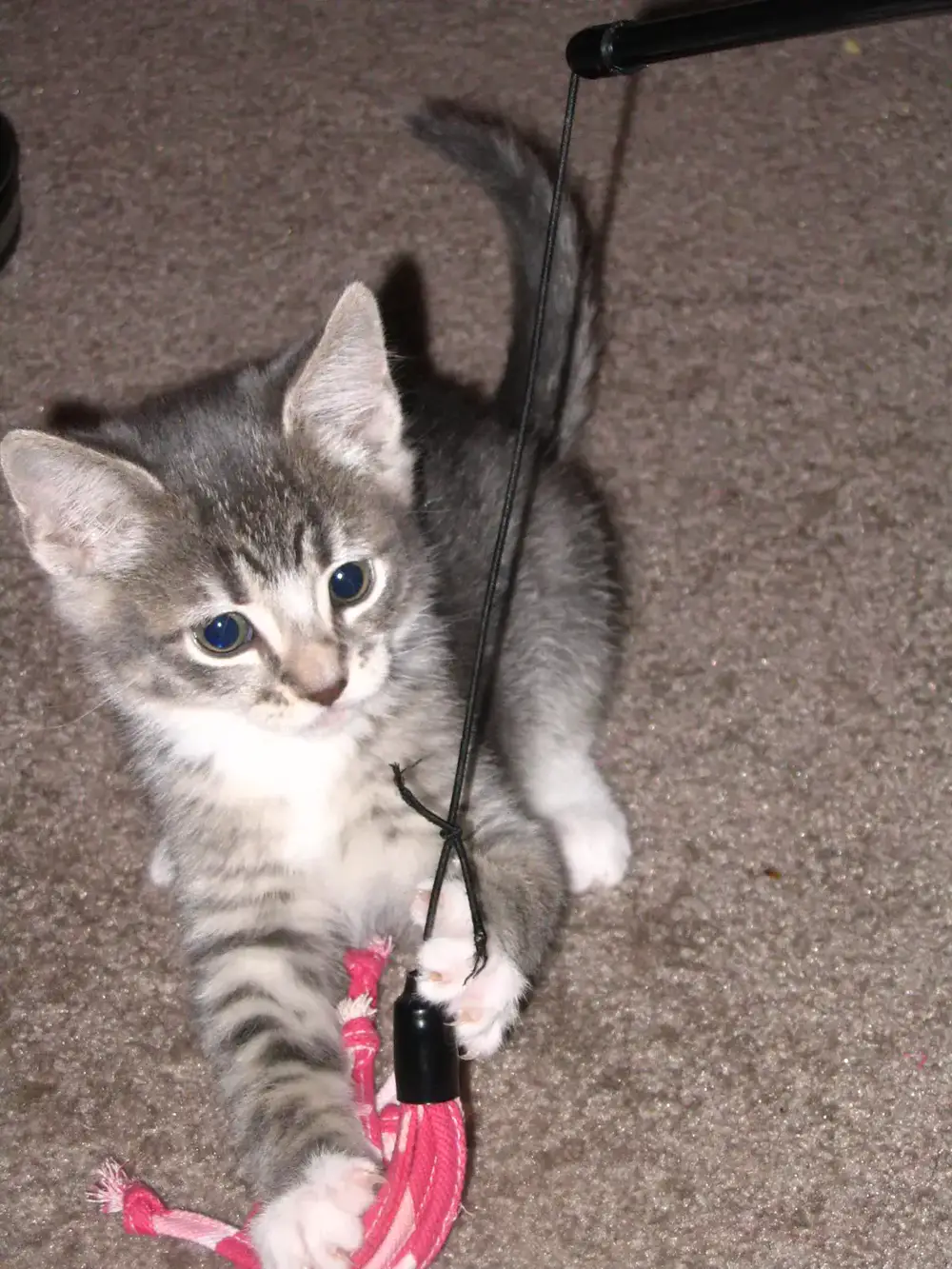
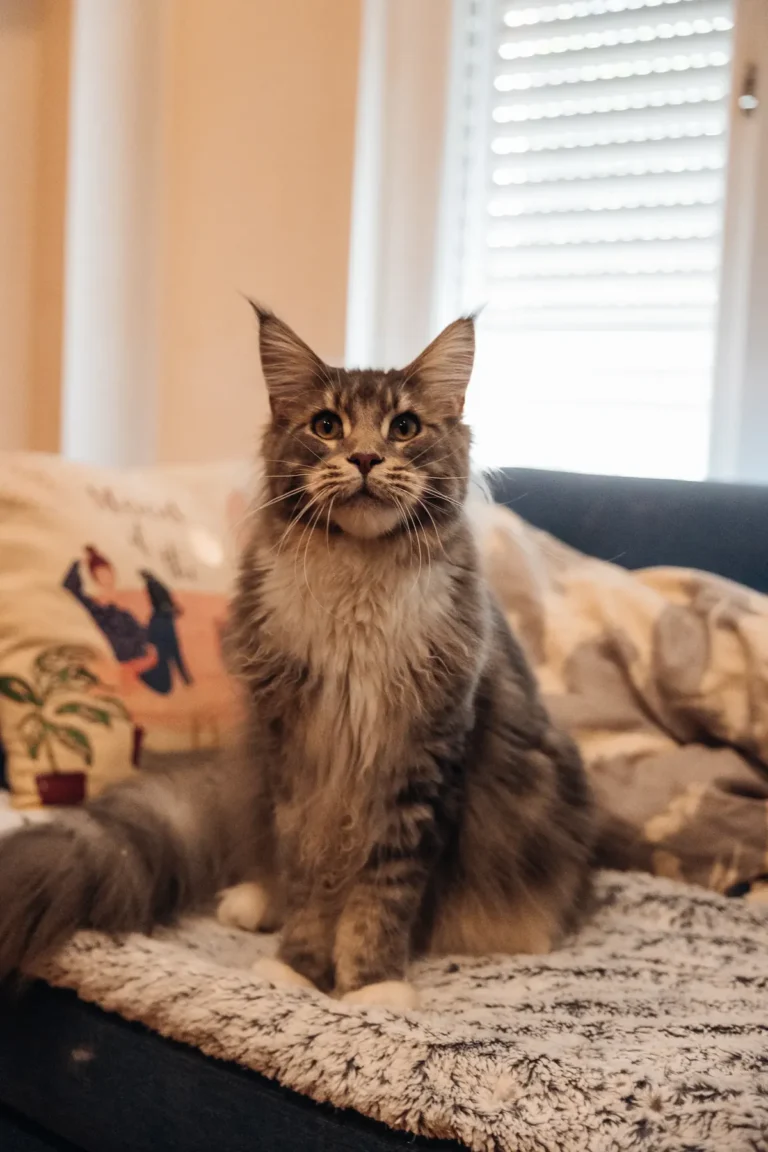
The biggest risk factor is also the most ordinary one: extra weight. Cornell states that obese cats are up to four times more likely to develop diabetes than cats at an ideal weight, and that keeping a healthy weight and encouraging daily play is the best thing an owner can do. That lands differently with a Maine Coon, because this breed is supposed to be big, and a chunky Maine Coon is easily mistaken for normal. Go by shape, not the scale: feel the ribs with light pressure and look for a waist from above. If you are unsure, my guide on how to tell if your Maine Coon is overweight walks through the hands-on checks I use at home.
Age matters too: diabetes shows up far more often in middle-aged and senior cats, and males more often than females. A cat who rarely moves, or who lives mostly on carbohydrate-heavy dry food, also carries more risk, as can steroid medicines given for other illnesses. None of this means diabetes is inevitable, but a big, older, indoor boy who naps all day and snacks all night is the cat to keep an eye on.
How the Vet Actually Diagnoses It
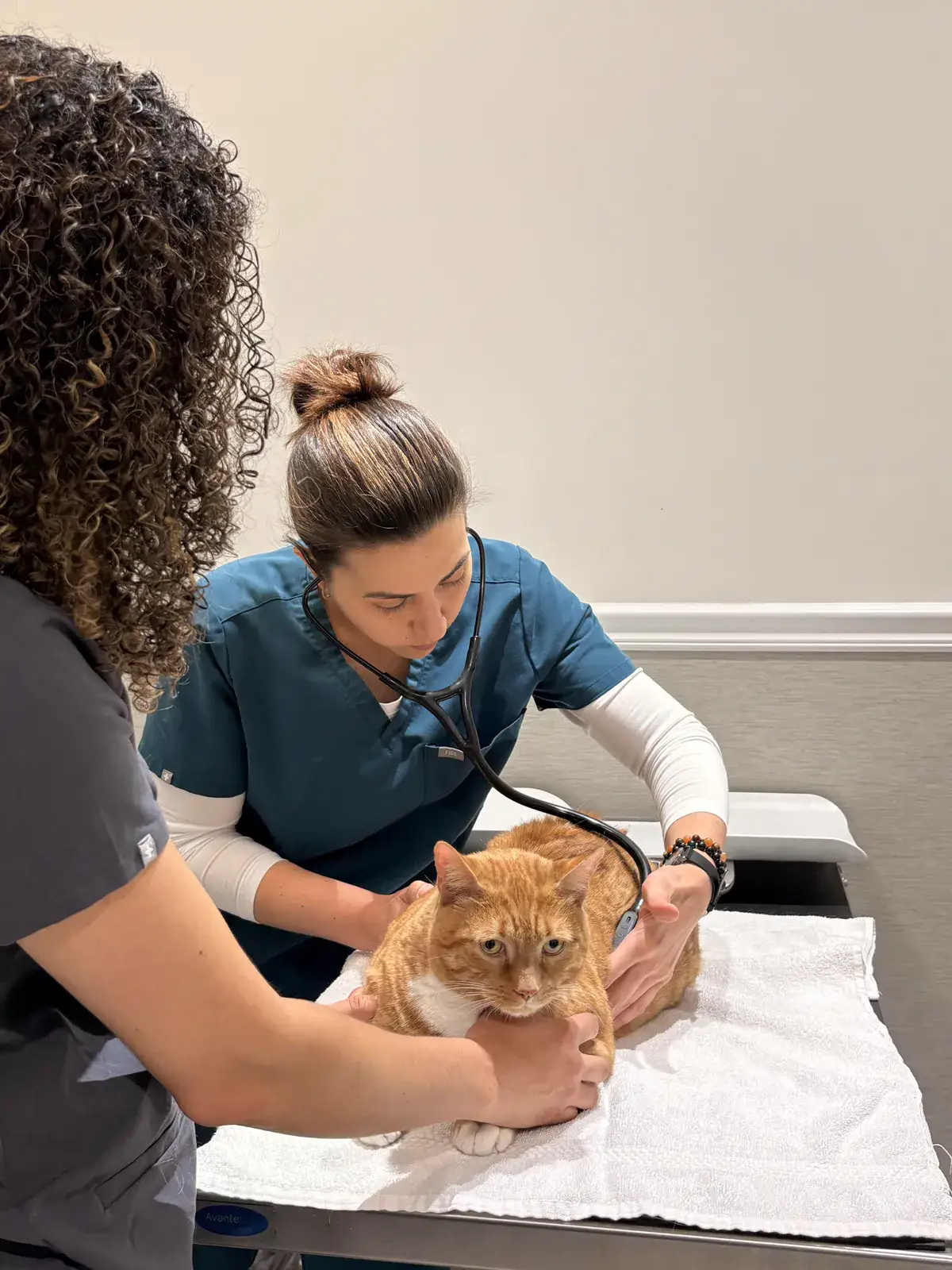
I walked into our first appointment expecting one quick blood test and a yes or no. It is more careful than that. Your vet will look for persistently high sugar in the blood and sugar in the urine, alongside the signs you have noticed at home. A single high reading at the clinic is not always enough, because stress from the visit can temporarily raise a cat’s blood sugar. Cornell explains that vets often run a further blood test reflecting the average over roughly the past two weeks, which a car ride cannot skew. The vet will also check for other conditions behind the same signs, such as a urinary infection, kidney disease, or an overactive thyroid. VCA has a clear owner-facing overview of how diabetes in cats is diagnosed and monitored if you want to read the testing steps before your visit.
No vet will diagnose diabetes from a photo or a home test strip alone, and neither should we. Home glucose meters are for monitoring a cat who already has a diagnosis. Never change the insulin amount on the basis of a home reading without talking to your vet first.
Diet and Daily Care After Diagnosis
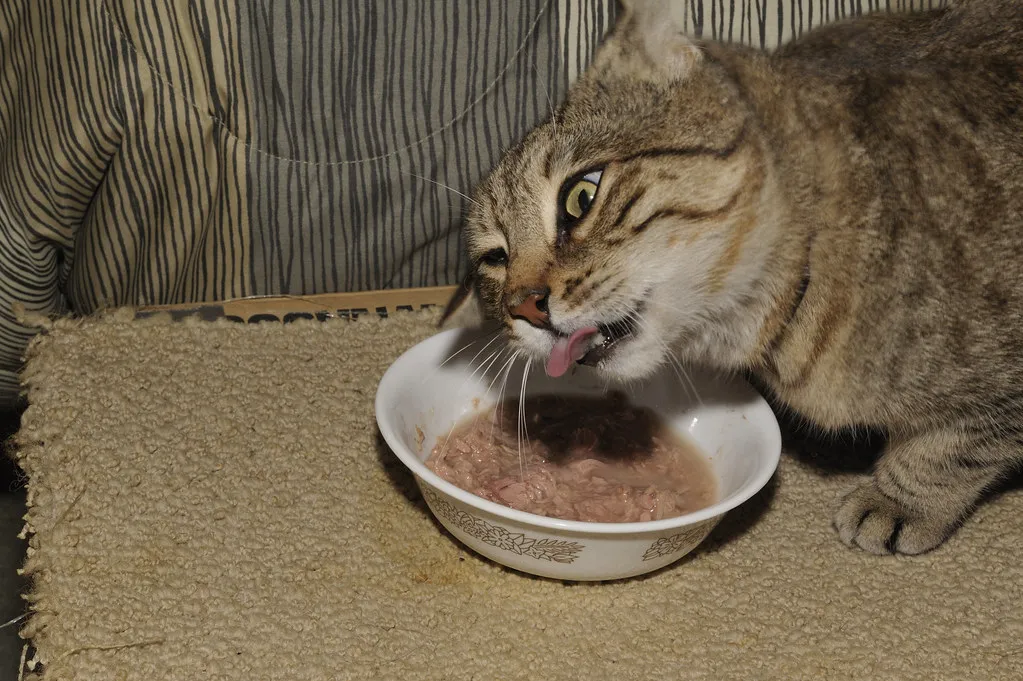
Diabetes sounds like the end of normal life for a cat. In my experience, and in that of nearly every owner I have talked to, it is not. It is a routine, stricter than before, but a routine all the same.
Food is half the treatment. A diet low in carbohydrates has been shown to improve blood sugar control, and vets usually recommend food high in protein and low in carbohydrate, most often wet food, because most dry kibble needs starch to hold its shape. Your vet may suggest a prescription diet or a suitable over-the-counter wet food. Do not switch food on your own or suddenly cut carbohydrates while your cat is on insulin without your vet knowing. Ask your vet what to feed, how much, and when, then keep it consistent. My feeding chart by age suits a healthy cat, but a diabetic cat’s portions come from your vet, not from a chart.
Insulin is usually part of life, and it is less frightening than it sounds. Most diabetic cats need insulin injections, usually twice a day, roughly twelve hours apart, under the skin. The first time the vet showed me, I was sure I would never manage it. Owners on Instagram and Facebook say the same: the first week feels impossible, then it becomes as automatic as filling the food bowl. One owner I follow films the twice-daily routine with her sixteen-year-old tabby: a quick ear-prick check, the injection given while he eats, then straight back to playing. The needles are very small and most cats barely notice them. Your vet will teach you hands-on at the clinic until you feel steady. If your cat does not need injections, your vet may discuss an oral medication instead; either way, the choice belongs to your vet.
Keep a simple log, and keep playing. I keep a small notebook by the food bowls: feeding times, how much he ate, and how the litter tray looked, and I weigh him weekly. Gentle daily play helps too: a feather wand, a puzzle feeder, a slow chase down the hall.
Watch for low blood sugar. This is the one emergency every diabetic cat owner should know by heart. If blood sugar drops too low, a cat may seem weak, wobbly, unusually sleepy, or confused, and in serious cases may have seizures. Offer food straight away if he can eat safely, and call your vet. Never give insulin to a cat who has not eaten without speaking to your vet first. Vomiting, refusing food, extreme lethargy, or fast breathing is a same-day emergency.
Can a Diabetic Maine Coon Live a Good Life?
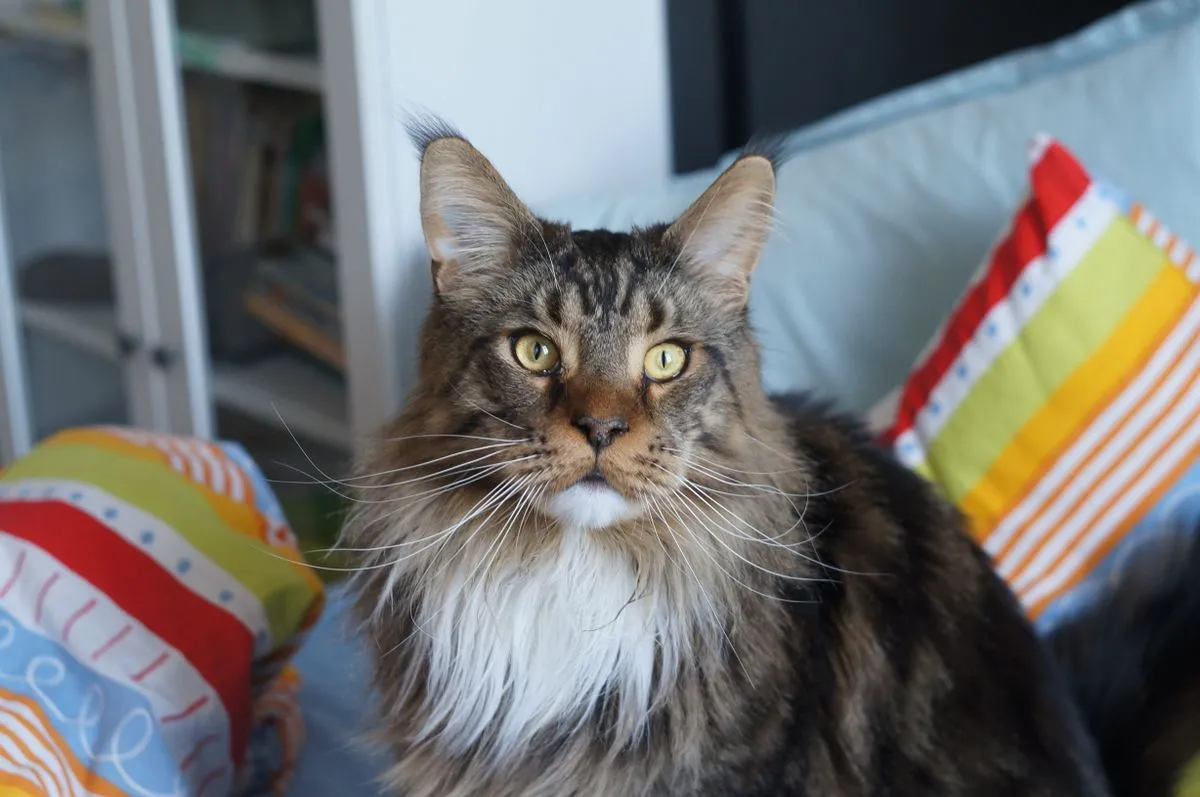
Yes, and it is the answer I needed to hear at the start. With steady treatment and the right diet, most diabetic cats keep a good quality of life for years as happy, affectionate, slightly demanding giants. Some even go into remission, keeping normal blood sugar without insulin, and Cornell notes early, close treatment gives the best chance of that. The 2026 AAHA guidelines put the average remission rate at around 30 percent, mostly within the first six months. Remission is not a cure, and a cat who reaches it still needs the low-carbohydrate diet and regular check-ups, but it is one more reason to act early.
What changes most is your calendar, not your cat. Twice-daily treatment shapes holidays and who can look after your cat when you are away, so find a sitter who is comfortable with the routine, or train a friend, and write the steps down. Owners in online groups say this is the part nobody warns you about.
When to Call the Vet Urgently
Most days with a diabetic cat are unremarkable, which is exactly how you want them. But call your vet the same day, or go to an emergency vet, if your cat is vomiting, refuses food, seems weak or wobbly, breathes fast, or becomes unusually drowsy. These can signal dangerously low blood sugar or a serious complication. Both need a vet, not a wait until morning. Keep your vet’s number and the nearest emergency clinic’s number on the fridge.
Frequently Asked Questions
What are the first signs of diabetes in a Maine Coon?
Drinking much more water, weeing more with bigger litter clumps, and losing weight despite eating well. If two or more appear together, book a vet visit.
How do vets test a cat for diabetes?
By showing persistently high sugar in the blood and sugar in the urine. Because clinic stress can temporarily raise blood sugar, they often run a further test reflecting the average over roughly the past two weeks.
What should a diabetic Maine Coon eat?
Most do best on a diet high in protein and low in carbohydrate, usually wet food, fed in consistent amounts at consistent times. Do not change food or portions without asking your vet first.
Can a diabetic cat go into remission?
Some can. With early treatment and close monitoring, many cats keep normal blood sugar without insulin; the 2026 AAHA guidelines put the average remission rate at around 30 percent, mostly within the first six months. Remission is not a cure, and the low-carbohydrate diet and regular checks still apply.
Living with a diabetic Maine Coon is not the life I planned, but it is a good life all the same. He still headbutts me in the morning and still chirps at the birds. The injections take a minute, the notebook takes a minute, and the rest of the day is just ours. If your cat is showing these signs, trust what you are seeing and make the call.