Maine Coon vs Persian: Two Long-Haired Giants, Honest Differences
I have lived with a Maine Coon for years, and I nearly brought home a Persian instead. Both are beautiful, long-coated and gentle. But the maine coon vs persian question is not really about which cat is prettier. It is about which cat fits the way you actually live. One wants to be in the middle of everything. The other wants a quiet lap and a calm house.
Maine Coon vs Persian at a Glance
| Maine Coon | Persian | |
|---|---|---|
| Size | Large and long-bodied, one of the biggest domestic breeds | Medium and compact, low on the legs |
| Typical weight | Males often around 18 to 22 pounds, females around 12 to 15 | Often around 7 to 12 pounds |
| Coat | Long, shaggy, layered, somewhat water-resistant | Very long, dense, fine and silky |
| Grooming | Brushing two to three times a week | Daily brushing, plus regular eye cleaning |
| Energy | Medium to high, playful well into adulthood | Low, calm, happiest resting |
| Temperament | Sociable, curious, chatty, often described as dog-like | Sweet, quiet, serene, fond of routine |
| Voice | Chirps, trills and soft meows | Usually very quiet |
| Children and pets | Generally excellent, tolerant and adaptable | Good with gentle, older children; prefers calm |
| Space | Needs room to climb, stretch and play | Happy in a smaller flat with cosy perches |
| Health watch points | Heart and hip screening matter | Kidney screening and flat-face care matter |
Those are tendencies, not promises — I have met quiet Maine Coons and playful Persians. But the pattern holds up in what owners report, and it is the pattern you should plan around.
Size and Looks: A Farm Cat and a Palace Cat
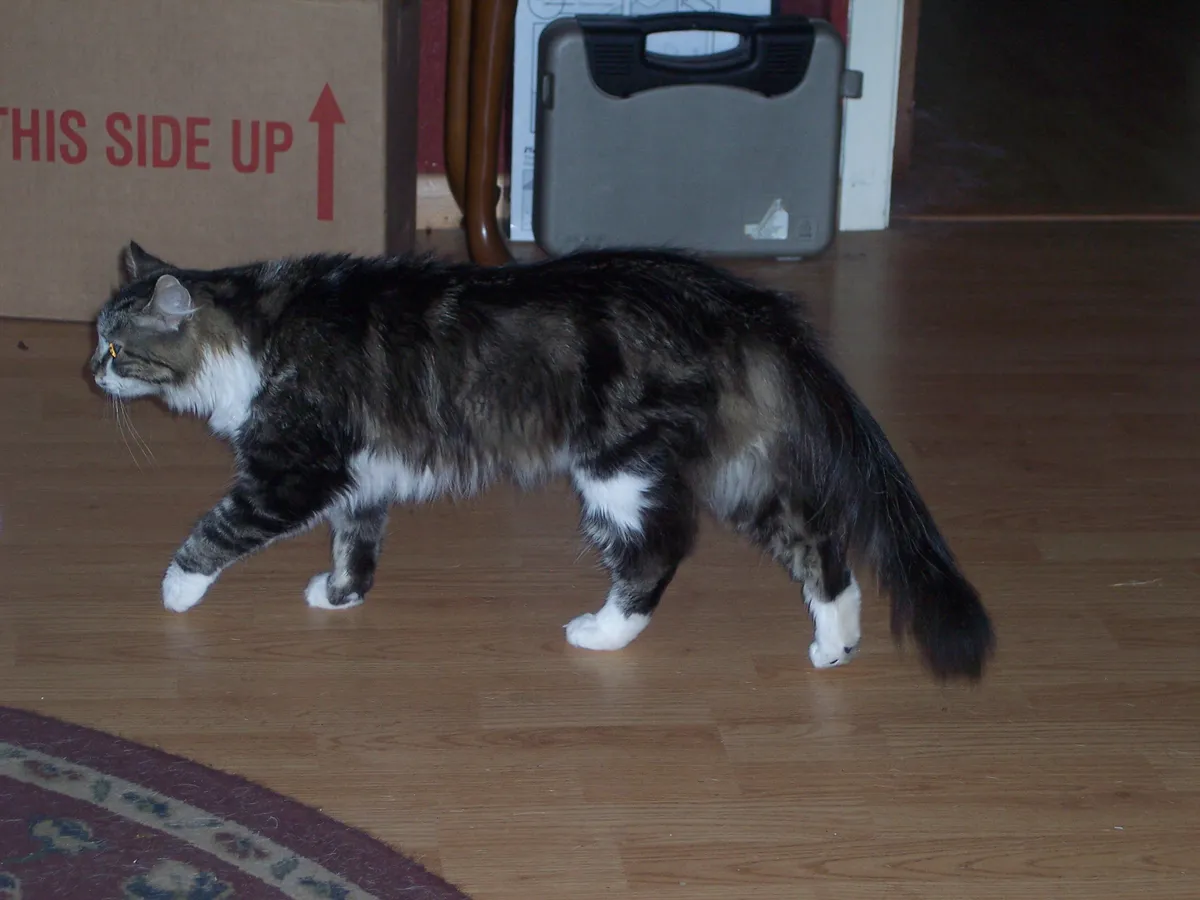
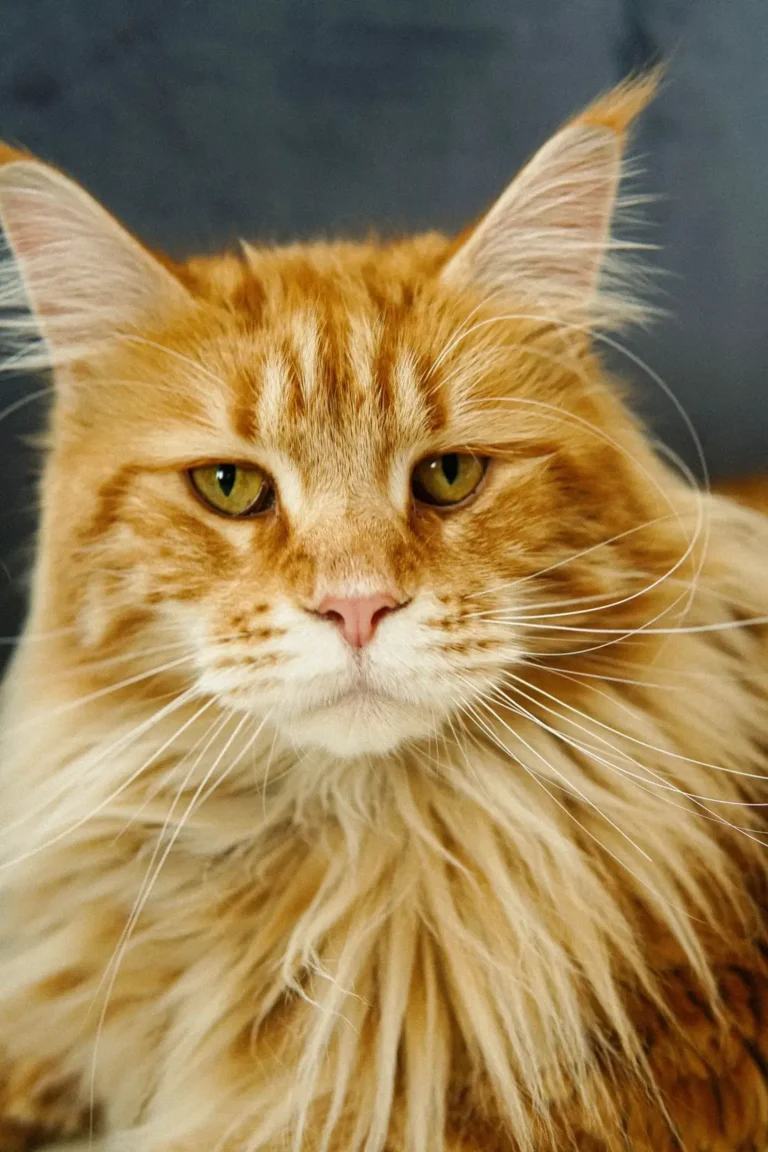
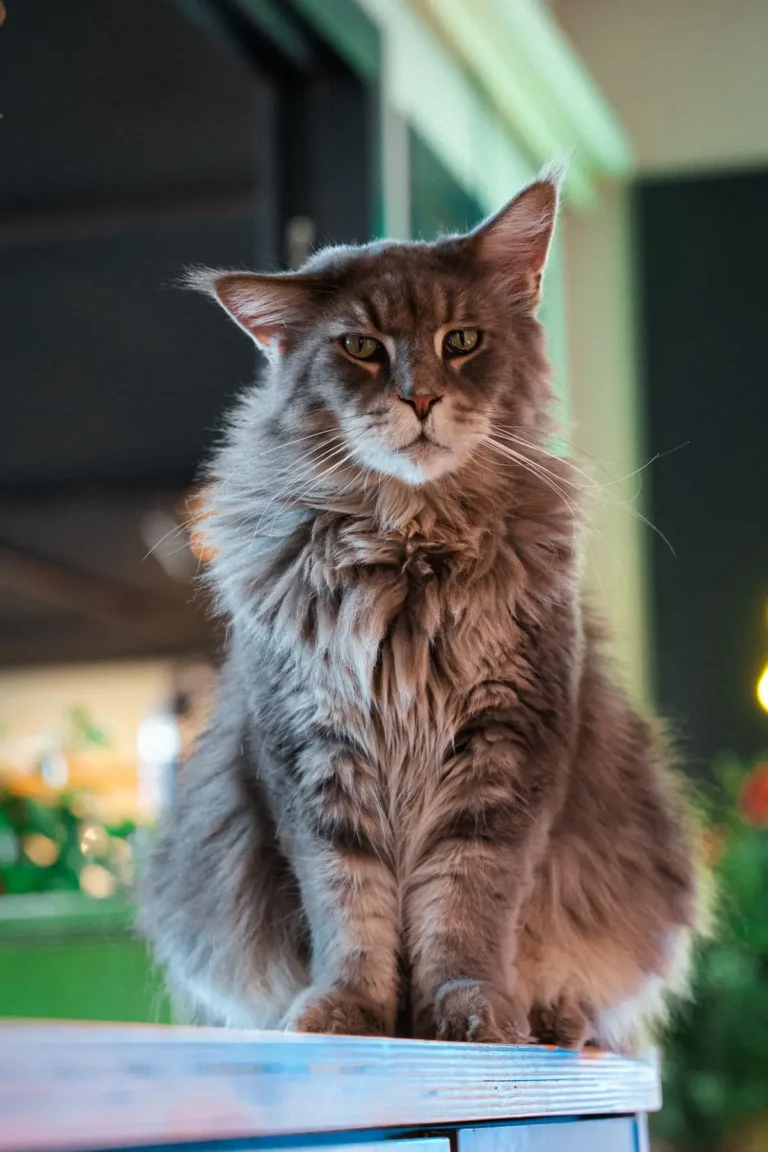
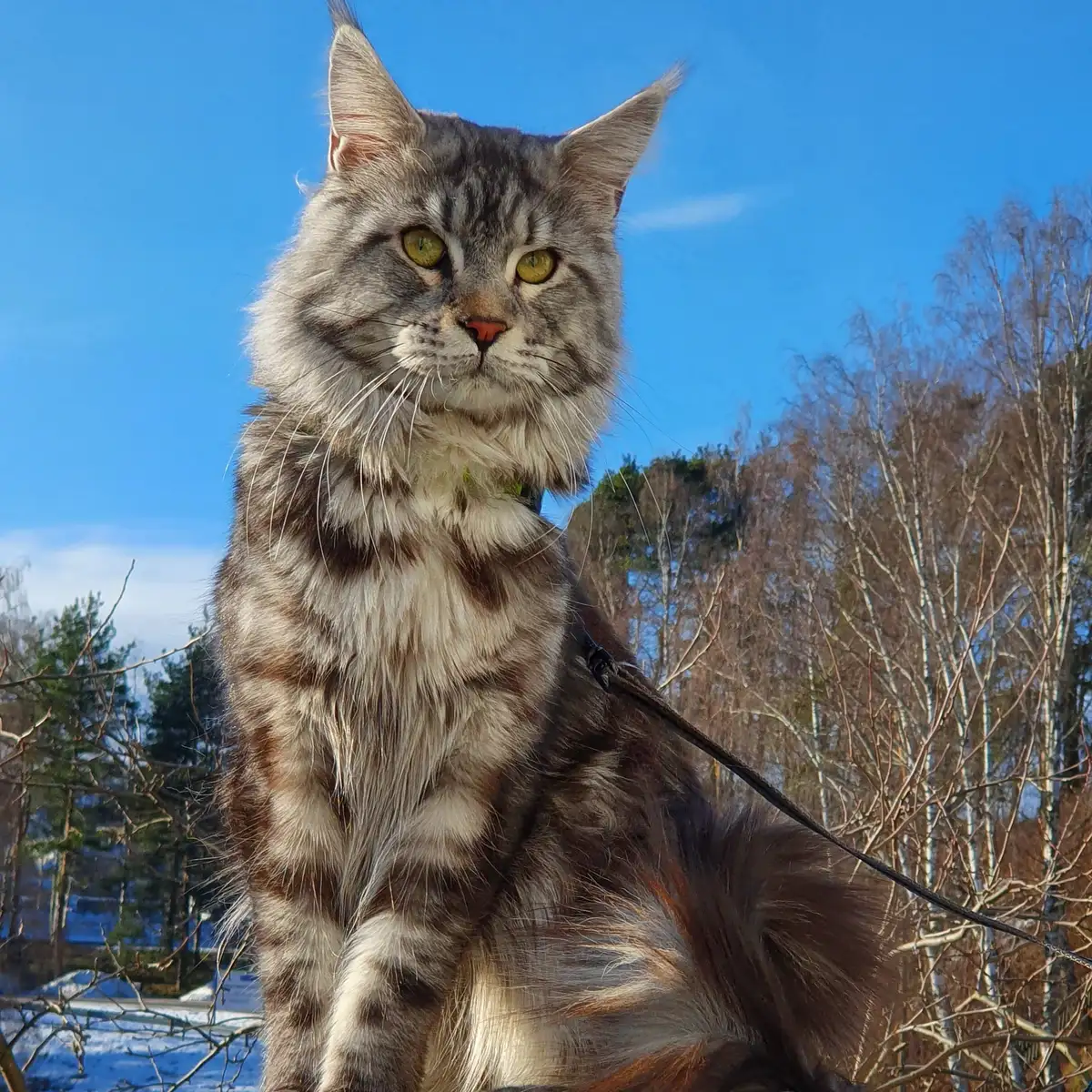
The Maine Coon looks like a cat built for weather: long from nose to tail, heavy-boned, with a big bushy tail, ear tufts and a shaggy ruff that thickens in winter. Breed guides commonly put adult males around 18 to 22 pounds and females around 12 to 15, and Maine Coons grow slowly, often not reaching full size until they are three or four.
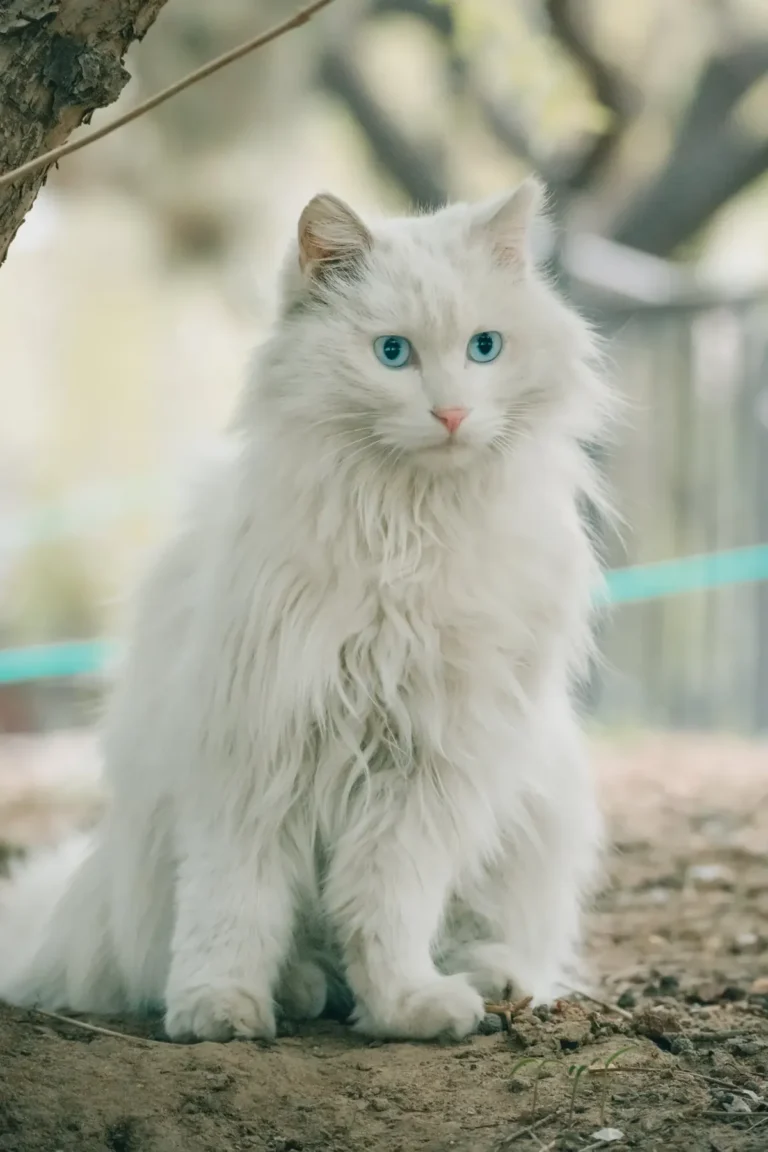
The Persian is a different kind of beautiful. Instead of length you get roundness: a round head, large round eyes, a short nose, a compact cobby body on short legs, and a coat so full it stands away from the body. Owners on Instagram often post size comparisons, and the difference is plain: even a large Persian looks small next to a grown Maine Coon. A Maine Coon needs a sturdier cat tree, a bigger litter tray and more floor space. A Persian needs less room but more of your time in other ways.
Temperament: The Companion Who Follows You vs the Companion Who Waits for You
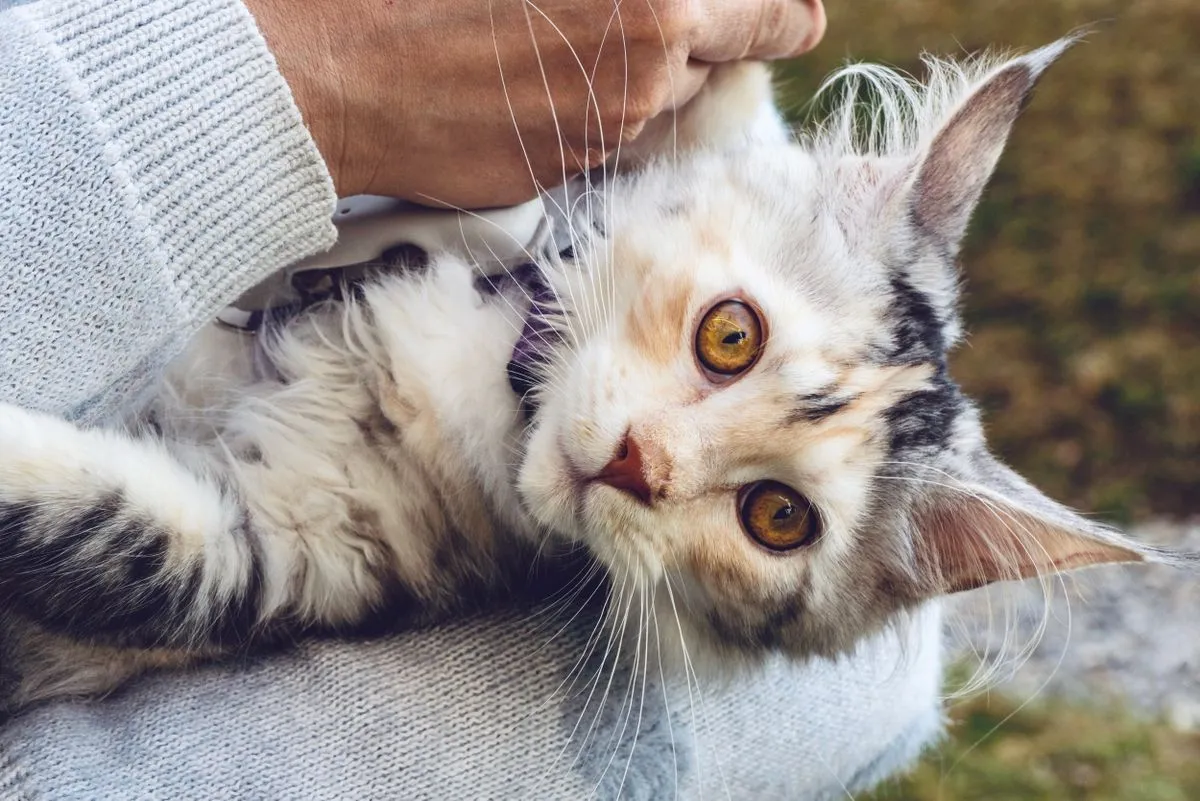
My Maine Coon follows me from room to room, greets me at the door and settles near me rather than on me. He wants to be part of whatever is happening. Owners on Reddit say much the same: their Maine Coons are cuddly, dog-like, vocal and eager to stay near people. In one Facebook group discussion, owners who had lived with several breeds kept coming back to the same words: intelligent, playful and sociable. He learns routines fast and plays fetch with a spring toy. I go deeper into this in my guide to Maine Coon personality traits.
Persians are affectionate too, but they show it differently. Breeders on YouTube describe them as sweet, calm and content to sit close to their people rather than follow them around. A Persian claims the best cushion and accepts a cuddle on its own terms. They are often reserved with strangers and sensitive to noise. A loud, busy house can unsettle a Persian, while a Maine Coon usually takes it in stride. If you want a cat that joins in, choose the Maine Coon. If you want quiet company, the Persian may suit you better.
Both breeds are gentle, but the family fit differs. Maine Coons are famously tolerant and sturdy enough for family life, while Persians do best with older, gentle children. Neither breed suits a home where the cat is left alone all day, every day.
Coat Care and Grooming: The Real Daily Difference
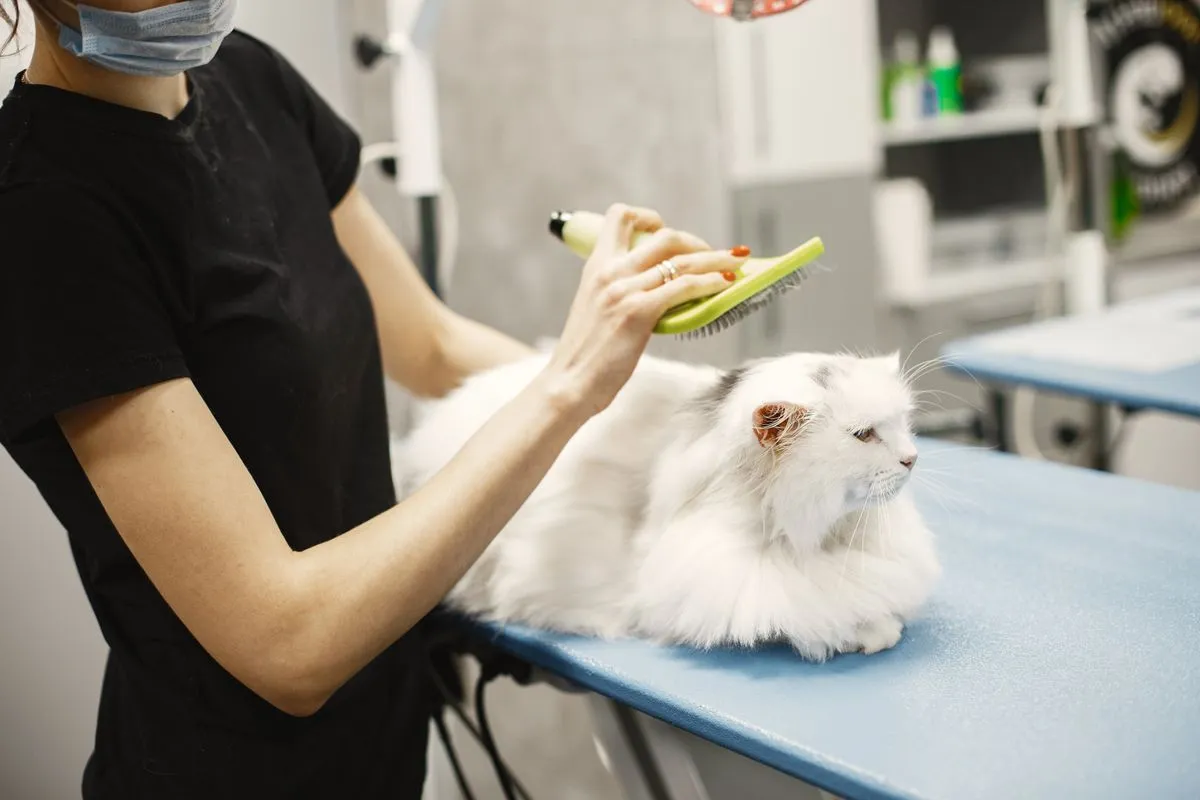
Here is the honest truth that decides this comparison for many people: both coats are long, but they are not equally demanding. A Maine Coon coat looks high-maintenance and behaves better than it looks. The fur is shaggy and layered, and it resists tangling more than you would expect. Brushing two to three times a week keeps most Maine Coons comfortable, with extra attention when shedding increases in spring and autumn.
A Persian coat is another commitment entirely. The fur is longer, finer and far denser, and it tangles quickly if it is skipped for even a day or two. Breeders on YouTube recommend daily combing as a non-negotiable routine, with care around the ears, under the legs and on the belly where tangles form first. Many owners also wipe their cat’s eyes regularly, because the flat face can mean tears overflow onto the fur. That is the price of that extraordinary coat, and anyone choosing a Persian should be honest about whether they will enjoy that ritual every single day. If grooming feels like a chore you will resent by month three, the Persian will not be happy, and neither will you.
Health: What to Ask a Breeder Before You Fall in Love
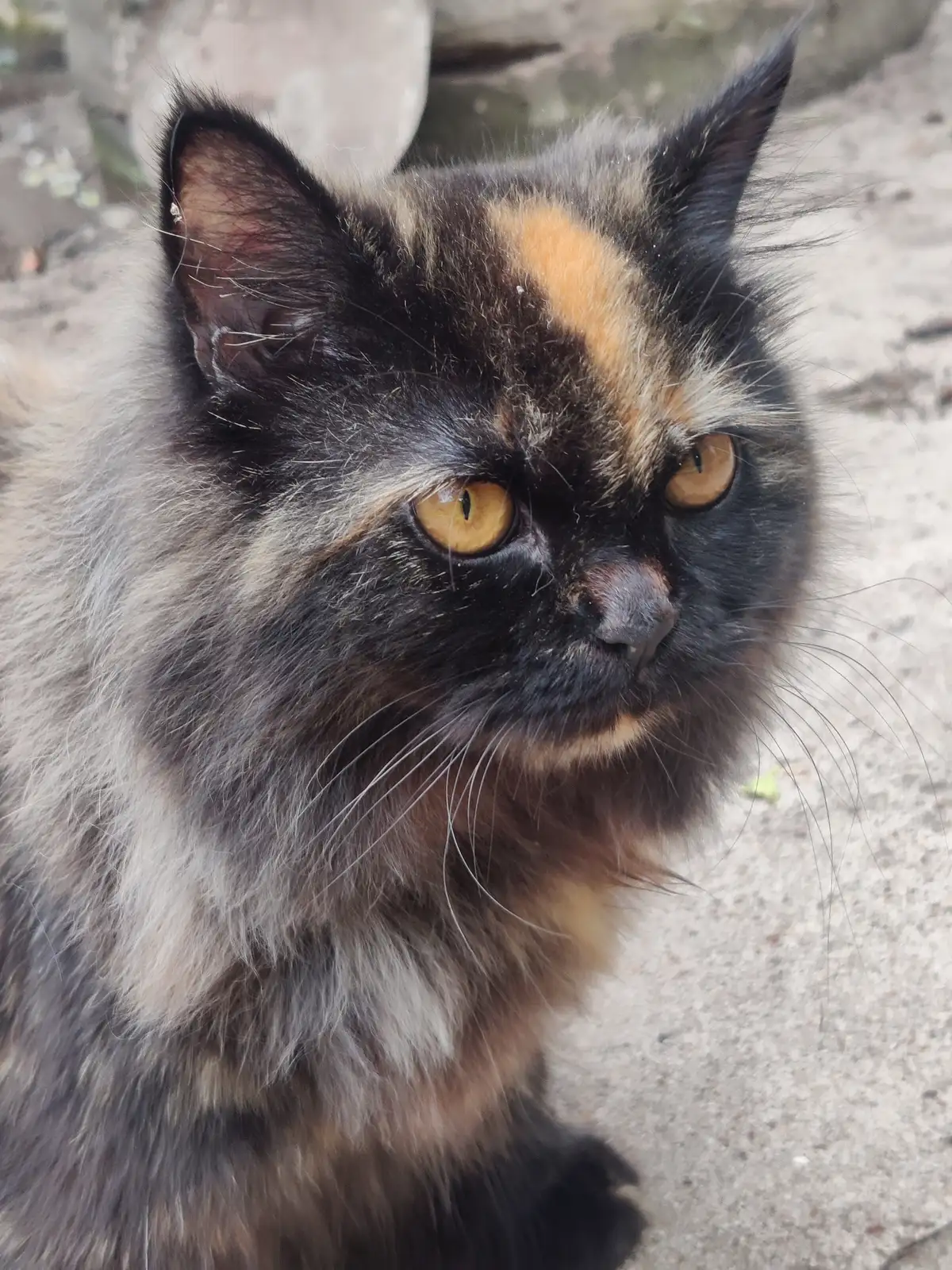
I am not a vet, and this is not veterinary advice, but there are health questions every buyer should ask. For Maine Coons, the two conditions responsible breeders screen for are hypertrophic cardiomyopathy, a heart condition often shortened to HCM, and hip dysplasia. Cornell’s Feline Health Center publishes clear owner information on hypertrophic cardiomyopathy, worth reading before you visit a breeder. Ask whether the parents have been screened, and ask to see the results. The Cat Fanciers Association breed profile and the VCA breed page are also useful references.
For Persians, the best-known inherited concern is polycystic kidney disease, known as PKD, in which cysts develop in the kidneys. Cornell’s page on polycystic kidney disease explains the condition and why genetic screening of breeding cats matters. Ask a Persian breeder directly whether the parents were tested for the PKD1 gene variant. The flat face brings its own care questions too: some cats have noisy breathing, watery eyes and crowded teeth, and a traditional doll-face Persian with a visible muzzle tends to breathe more easily than an extremely flat-faced one.
Both breeds commonly live into their early to mid teens with good care, and both need the same foundations: a healthy weight, preventive vet visits, dental care and an indoor life. The PetMD Maine Coon breed page gives a good overview of the Maine Coon side of that care. Lifespan figures vary between sources, so plan for a decade-plus commitment with either breed, and choose a breeder who screens.
Living Space, Exercise and Daily Life
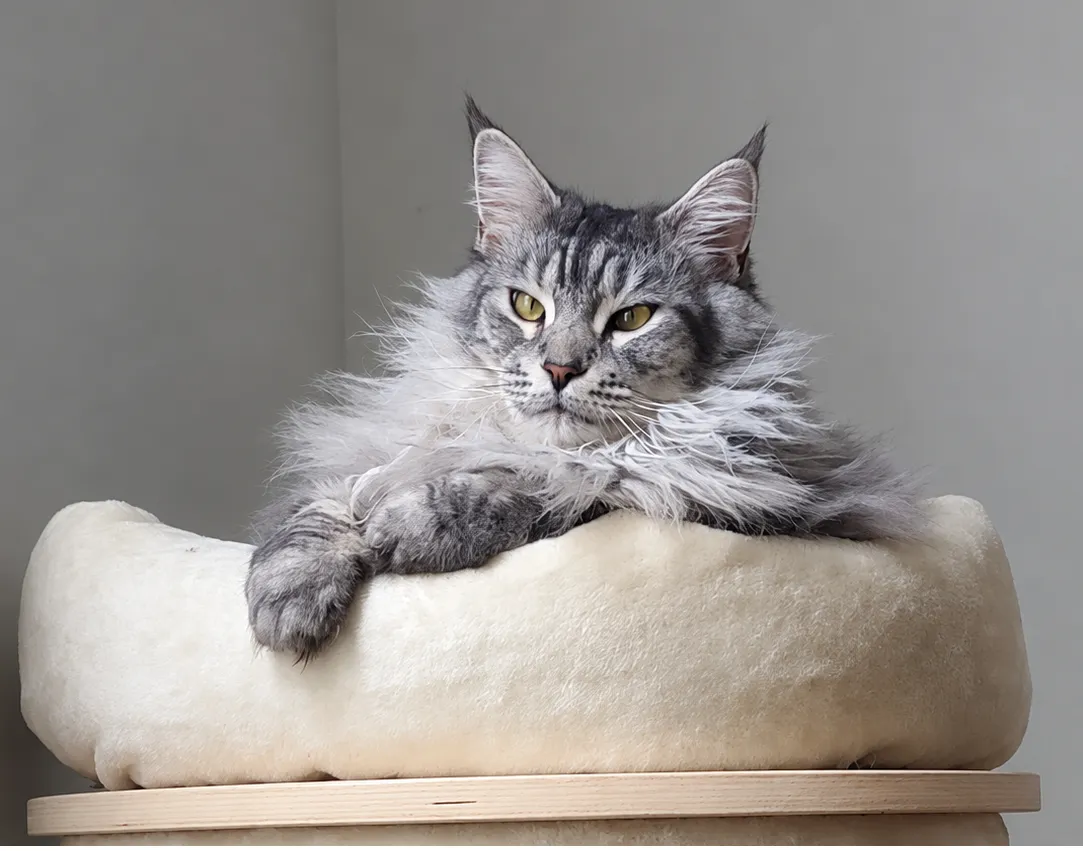
A Maine Coon needs space and things to do. Mine uses a tall, sturdy cat tree every day and plays in bursts through the evening. Owners on social media show the same pattern: Maine Coons playing fetch, walking on a leash and chirping at a puzzle feeder. They are not hyperactive, but they are not ornaments either. If you live in a small flat, a Maine Coon can still be happy, but you will need to give it vertical space and proper daily play. If you are comparing other gentle giants for a smaller home, my comparison of the Maine Coon vs Ragdoll may help, because the Ragdoll sits somewhere between the two in energy.
A Persian needs far less space and far less exercise. A cosy flat with a sunny windowsill, a soft bed and a few short play sessions is usually enough, which makes Persians well suited to apartment life and quieter households. What a Persian does need is stability: the same feeding times, the same resting spots, the same calm people. Noise is a good test of fit. A Maine Coon chirps and talks to you; a Persian is usually very quiet.
Cost: The Honest Picture Without Made-Up Numbers
I am not going to quote you a price, because kitten prices vary so much by breeder, region and pedigree that any single figure would be misleading. What I can tell you honestly is where the money goes. With a Maine Coon, the bigger ongoing costs are size-related: more food, a larger litter tray and more litter, and a sturdier tree that a heavy cat will not topple. With a Persian, the bigger ongoing costs are care-related: grooming, eye care supplies, and potentially more vet attention for breathing, eyes, teeth and kidneys. Buying from a breeder who health-screens costs more upfront for either breed, and it is money well spent. Budget for insurance or a vet fund, and ask breeders for a written health guarantee and screening records before you pay anything.
Which One Fits Your Home?
Choose the Maine Coon if you want a big, playful, sociable companion that joins family life and makes you laugh every day. You will need space, time to play, and a tolerance for fur and chatter. If you are still weighing the active end of the spectrum, my Maine Coon vs Siberian comparison covers another energetic long-haired breed.
Choose the Persian if you want a calm, quiet lap cat, you live in a smaller or quieter home, and you genuinely enjoy daily grooming as a ritual rather than a chore. You will need patience, a stable routine, and a breeder who screens for kidney disease.
If you are torn because you love something in both cats, there is a third path: some families end up drawn to the crossbreed, and if you want the crossbreed, see my guide to the Maine Coon Persian mix. That is a different cat with its own mix of traits, not a halfway point between the two pure breeds. My own answer was the Maine Coon: I wanted the cat that greets me at the door and turns an ordinary evening into something warmer. But I have also sat with a Persian on my lap in a quiet house and understood completely why someone would choose that peace instead. There is no wrong answer here, only the honest one, and it starts with your real life, not the cat in the photograph.
Frequently Asked Questions
Which is bigger, a Maine Coon or a Persian?
The Maine Coon, by a clear margin. Males are often around 18 to 22 pounds, while Persians are often around 7 to 12 pounds.
Which breed needs more grooming, Maine Coon or Persian?
The Persian, without question. Persians need daily brushing to keep their dense, fine coat free of tangles, plus regular eye cleaning. Maine Coons usually do well with brushing two to three times a week.
Are Maine Coons or Persians better with children?
Maine Coons are generally the more forgiving family cat: tolerant, sturdy, playful and good with children and other pets. Persians are gentle but do best with older, calm children in a quiet house.
Do Maine Coons or Persians have more health problems?
Neither is problem-free. Maine Coons are screened for heart disease and hip dysplasia; Persians for inherited kidney disease, plus breathing, eye and dental issues linked to their flat face. Ask any breeder for the parents’ screening results.
Which is better for a first-time cat owner?
For most first-time owners, the Maine Coon is the more forgiving choice: sociable, adaptable and easier to keep groomed. A Persian can be a wonderful first cat too, but only if you are truly ready for daily grooming.