Why Does My Maine Coon Eat Plastic and Fabric? Pica Signs and What to Do
The first time I caught my Maine Coon with his head inside a grocery bag, I laughed. Then I found a chewed corner of a bread bag in his bed, and a hole gnawed through a jumper left on a chair, and I stopped laughing. Maine coon pica — eating things that are not food — looks funny right up until it is not funny at all. If your big cat keeps going after plastic bags, fabric, wool, or string, here is how to tell ordinary curiosity from a real problem — and what to do about it.
What Is Maine Coon Pica?
Pica is the name vets give to a cat persistently eating non-food items. A cat with pica does not just bat a plastic bag around the kitchen floor or knead a blanket. He chews it and swallows it. Plastic bags and wrappers, fabric, wool, paper, cardboard, string, thread, and rubber bands are the usual targets — and in a Maine Coon household, plastic and fabric come up again and again.
The line between play and pica matters, because Maine Coons are famously mouthy cats. A kitten tearing a cardboard box to shreds is playing. A cat who holds fabric in his mouth, tilts his head, and grinds away at it before swallowing is doing something different — vets point to that head-tilt-and-grind pattern as the tell. Pica is not a diagnosis in itself: it can come from a medical problem, a behavioural problem, or both, and vets list possible medical causes including gut conditions, anaemia, thyroid trouble, and diabetes. The VCA Hospitals guide to pica in cats covers causes, signs, and how vets investigate it.
Why Do Maine Coons Chew Plastic and Fabric?
There is no single reason, and anyone who gives you one is guessing. A few patterns show up again and again.
First, simple attraction. Plastic bags crinkle, and that sound seems to fascinate cats. Owners on forums describe cats who come running the moment a bag rustles. Nobody fully understands the draw.
Second, comfort. Fabric chewing and sucking, especially wool, is often comfort-seeking. Kittens chew as they explore, and most grow out of it, but some cats keep the habit for life. Vets note it is most often reported in Siamese and Burmese cats, which suggests a genetic thread. Cornell’s veterinary school describes fabric chewing as relatively rare and usually comfort-seeking or playful — see their guide to feline destructive behaviour. Kneading a blanket before sleep is usually comfort; swallowing the material is pica.
Third, boredom and stress. Maine Coons are big, clever, social cats. A cat left alone for long stretches, or one whose routine has changed, may chew to soothe himself.
Then there is the medical side, which you cannot check yourself. A cat who suddenly starts eating strange things, especially an older cat who never did it before, deserves a vet visit before anything else. If other behaviour changes come with the chewing, our guide to 12 Maine Coon behaviour problems and how to stop them can help — but it is no substitute for a vet checking your cat in person.
The Plastic Problem: Why Bags and Wrappers Are the Favourite Target
Plastic is the number one target in most owner stories. One owner on a forum described an orange Maine Coon who treated every plastic bag in the house as his personal property, pulling bags back out of their storage container as fast as she put them away. Another described a cat who would not eat the bread, only the bag it came in. On Facebook, a breeder shared that her silver tabby Maine Coon chews any plastic item left within reach, and the comments filled with owners of cats who do the same.
But plastic is also the target most likely to be swallowed in pieces big enough to matter: thin plastic tears into strips that can ball up in the gut, and thicker plastic can be chewed into sharp-edged fragments. A cat who only licks a bag and walks away is annoying. A cat who eats pieces of it is in danger, even if he seems fine afterwards.
Fabric, Wool and String: The Quiet Danger
Fabric feels safer than plastic, and that is exactly what makes it dangerous. But swallowed fabric does not digest, and a wad of wool or cloth can block the gut just as surely as plastic. The same goes for thread, shoelaces, hair ties, and tinsel. String-like items are the worst of all: they can anchor at one end and bunch the intestine up along its length. Vets call this a linear foreign body, and it is a genuine emergency.
The one rule every owner should know: if you ever see string, thread, or tinsel hanging from your cat’s mouth or rear end, do not pull it. Trim what you can see if it is safe to do so, and call your vet — pulling can do serious damage inside. A stocked kit at home helps too — our guide to a Maine Coon first aid kit and what every owner should keep at home covers the basics. Keep sewing supplies in a closed box, not an open basket: these cats are tall enough to reach a sewing table and strong enough to open an unlatched drawer.
Signs Your Maine Coon Has Pica
Pica does not always announce itself. Watch for:
- Your cat chewing and swallowing plastic, fabric, paper, string, or rubber bands, more than once.
- Chewed pieces or holes in bags, clothes, blankets, or soft furnishings that keep appearing.
- Bits of plastic or fabric in his vomit or in his stool.
- Fixation on one material — always the bread bags, always the same blanket.
- Vomiting, diarrhoea or constipation, eating less than usual, or seeming tired and sore in his belly.
That last group matters most. Vomiting is easy to brush off in a cat, but repeated vomiting in a cat who chews non-food items is a different story. If you are unsure whether it is ordinary or a warning sign, read our guide to why Maine Coons vomit, when to worry, and what to do and call your vet if the pattern fits.
When Pica Turns Into an Emergency
Most maine coon pica is a slow problem. Sometimes it becomes a fast one: the biggest risk of swallowing plastic or fabric is a blockage in the gut. PetMD’s veterinary guide to pica in cats, its symptoms and treatment lists the warning signs: repeated vomiting, loss of appetite, constipation or straining, lethargy, and a sore or bloated belly.
Do not wait to see if it passes, and do not try to make your cat vomit at home. Call your vet straight away, or an emergency clinic if it is out of hours, and tell them exactly what your cat chews and when you last saw him do it. This is the serious end of a behaviour that usually looks harmless. And if the habit extends beyond bags and blankets, check the rest of the house too — our guides to toxic foods for Maine Coons and what never to feed your gentle giant and toxic plants for Maine Coons and the houseplant check before your cat chews cover the two most common hazards.
What to Do: Pica-Proofing Your Home
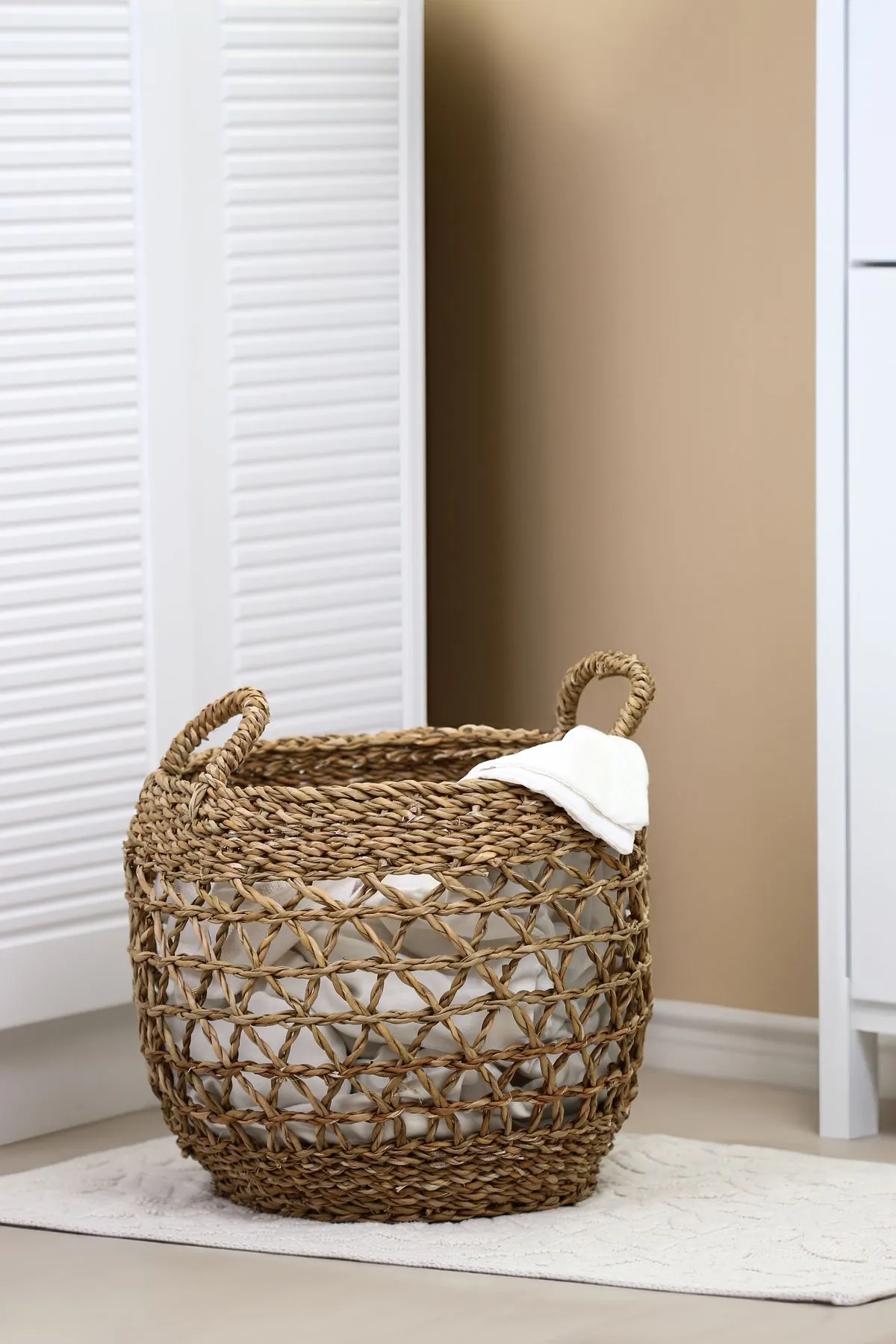
You cannot train the curiosity out of a Maine Coon, and punishment does not work — cats do not connect it to the act. Make the target unavailable and the alternative more interesting:
- Put every plastic bag away the moment it comes through the door — latched container or high cupboard, never an open basket.
- Keep laundry in closed hampers and put clothes away instead of draping them over chairs.
- Store sewing supplies, ribbons, string, hair ties, and rubber bands in closed, latched boxes.
- Cover or move electrical cords, and keep phone chargers out of reach when not in use.
- Check soft furnishings for loose threads, and repair or remove anything fraying.
- Keep bin lids on, and use a bin your cat cannot flip open.
If it happens while you are out, that is often boredom or loneliness. If it happens at night, a quick sweep before bed — bags away, laundry away, strings away — takes two minutes and removes most of the risk.
Safe Chew Alternatives and Enrichment
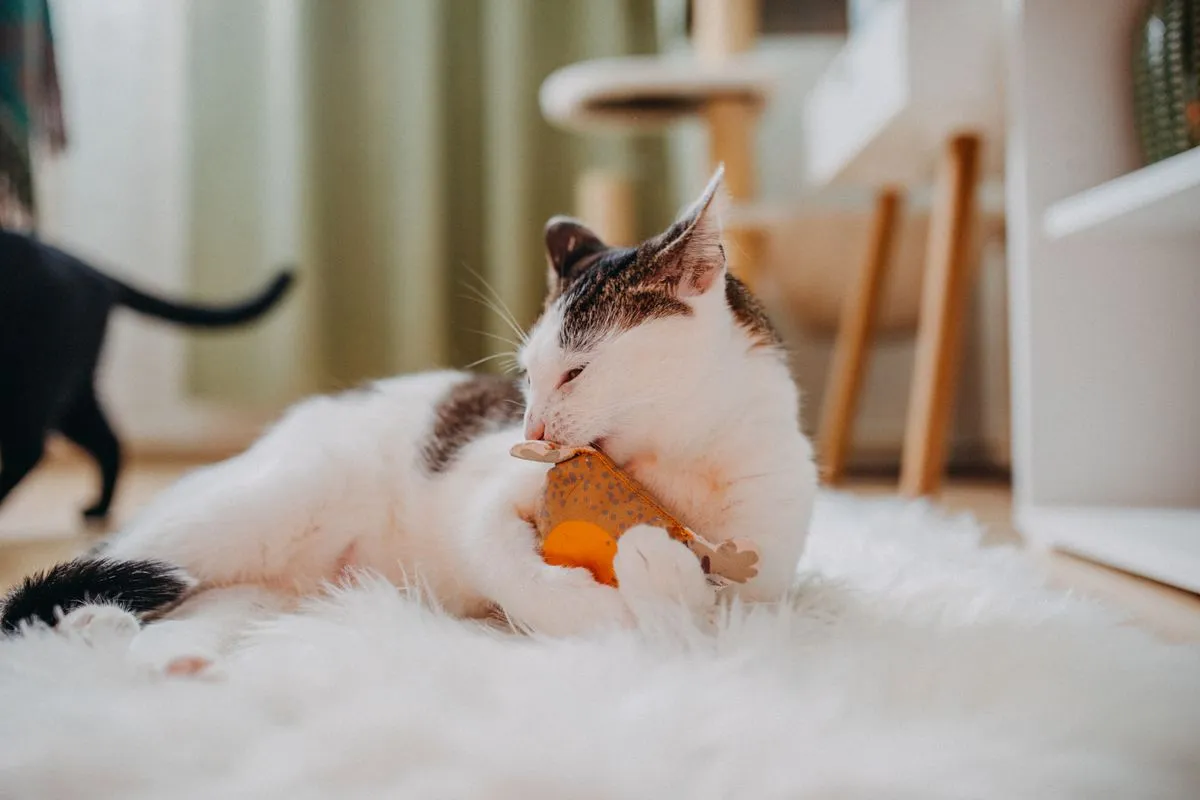
A cat who needs to chew will chew something, so give him something safe first. Sturdy chew toys made for cats, silvervine sticks, and cat grass all give a chewing cat an outlet, and many owners say their cats settle for these once the plastic is gone. Rotate the toys so they stay interesting.
Play matters just as much as the toys. A good play session before meals — a wand toy, a few minutes of chase — burns off the energy that otherwise goes into chewing. Feeding from a puzzle feeder instead of a bowl can help too. One caution: do not hand your cat a plastic bag or a piece of fabric as a substitute, even a tough one. Cats change — a cat who has only ever mouthed bags can start swallowing pieces.
Working With Your Vet
If the chewing is new, frequent, or paired with any warning signs, book a vet visit and say the word pica when you book it — that one word tells the clinic what to look for. Your vet will usually start with a good history — what your cat eats, when the chewing started, what he targets — then check for the medical causes behind it.
Be honest about what you have seen — vets have heard all of this before. And if your vet suggests a change to diet or routine, or refers you to a behaviour specialist, take it seriously: maine coon pica with a medical cause will not get better with more toys, and pica with a behavioural cause will not get better with a change of food alone.
Frequently Asked Questions
Is it normal for Maine Coons to eat plastic?
Licking or mouthing a bag is common. Actually eating pieces of plastic is not normal and not harmless. If your cat swallows plastic, treat it as pica and book a vet visit.
Why does my Maine Coon chew fabric and wool?
It is often a comfort behaviour, linked to nursing and early weaning. Boredom, stress, or a medical problem can also be behind it. The key question is whether your cat swallows the fabric.
Can pica kill a cat?
Pica itself is a behaviour, but what a cat swallows because of it can be life-threatening: plastic and fabric can block the gut, and string can cause serious internal damage. Repeated vomiting, loss of appetite, a sore belly, and lethargy mean calling your vet urgently.
Will my Maine Coon grow out of pica?
Some kittens outgrow exploratory chewing, but true pica often persists into adulthood, because the chewing itself feels rewarding. Do not wait for it to pass — remove access and ask your vet to check for medical causes.
What should I do if my Maine Coon has swallowed plastic?
Stay calm and do not try to make your cat vomit. Watch for vomiting, loss of appetite, belly pain, straining, or lethargy, and call your vet promptly, telling them what was swallowed and when. If you see string hanging from your cat, do not pull it.
I still laugh at my Maine Coon sometimes, but I do not leave bags around any more. Maine coon pica is manageable: once the house is proofed, the routine is richer, and the medical side has been checked, most cats live happily with it. The goal is a safe house, a busy cat, and an owner who knows the warning signs.