Maine Coon vs Ragdoll: Which Gentle Giant Fits You?
Every month I get the same question from readers torn between the two most beloved gentle giants in the cat world: maine coon vs ragdoll, which one should I bring home? At a glance they look similar, both huge, fluffy, and famously affectionate, but living with them feels completely different. I have lived with Maine Coons for years and spent plenty of time around Ragdolls too, visiting friends who own them and following the owner communities where people compare notes daily. The Cat Fanciers Association recently ranked the Maine Coon and Ragdoll as the two most popular cat breeds. This guide walks through everything that actually matters, from personality to grooming to health, so you can pick the giant that fits your life.
Maine Coon vs Ragdoll: Side-by-Side Comparison
| Trait | Maine Coon | Ragdoll |
|---|---|---|
| Size | Males typically 12-15 lbs and up, long rectangular build | Males up to 20 lbs, plush heavy build |
| Coat | Thick, shaggy, water-resistant | Silky, rabbit-soft, semi-long |
| Colors | Almost any color except pointed | Always pointed: colorpoint, mitted, or bicolor |
| Eyes | Gold, green, or copper | Blue |
| Personality | Playful, curious, dog-like | Calm, docile, devoted lap cat |
| Energy | Moderate to high | Low to moderate |
| Grooming | Brush several times a week | Brush two to three times a week |
| Shedding | Year-round, heavier in spring and fall | Moderate year-round |
| Vocalization | Chatty, with chirps and trills | Softer and quieter |
| Good with kids and dogs | Yes | Yes |
| Known health concerns | HCM, hip dysplasia | HCM, urinary tract issues |
| Typical lifespan | Commonly 12-15 years or more | Commonly 12-15 years or more |
Appearance and Size
Coat, Color, and Those Famous Looks
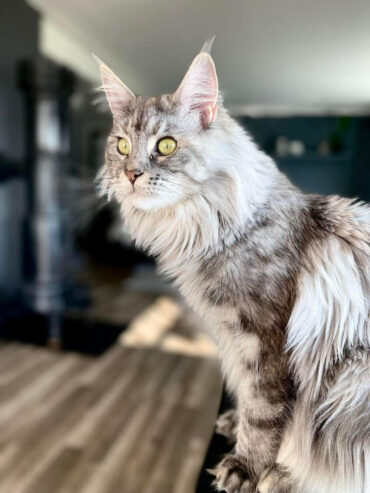
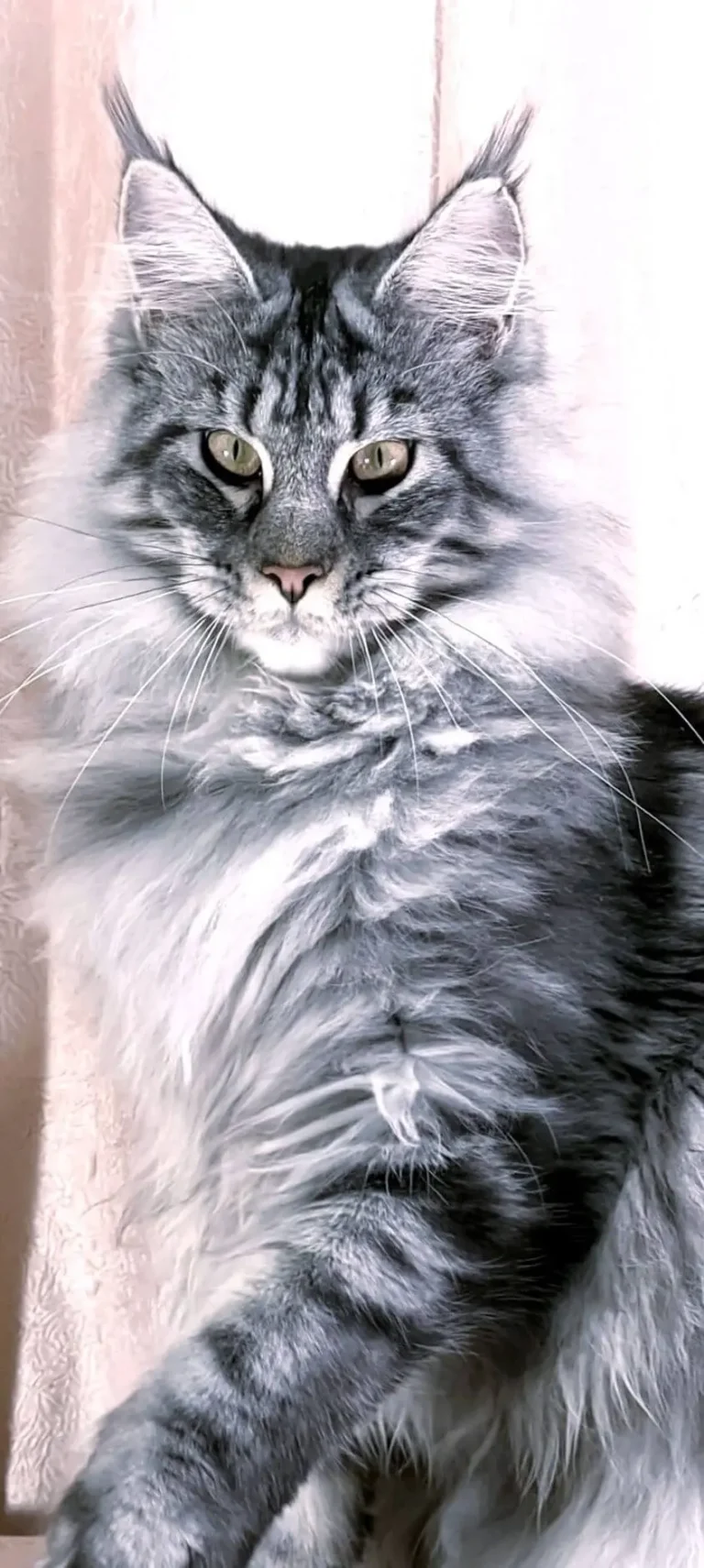
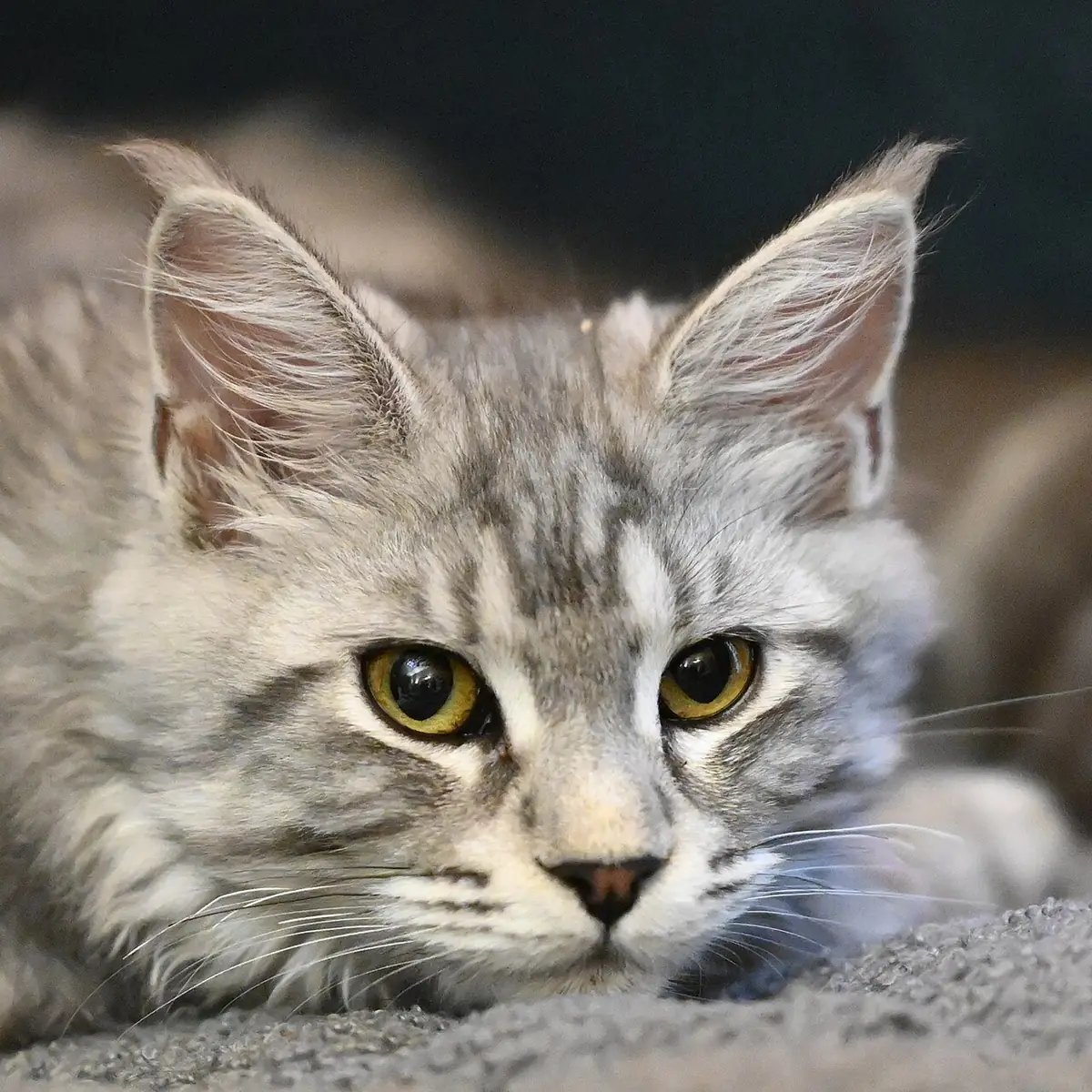
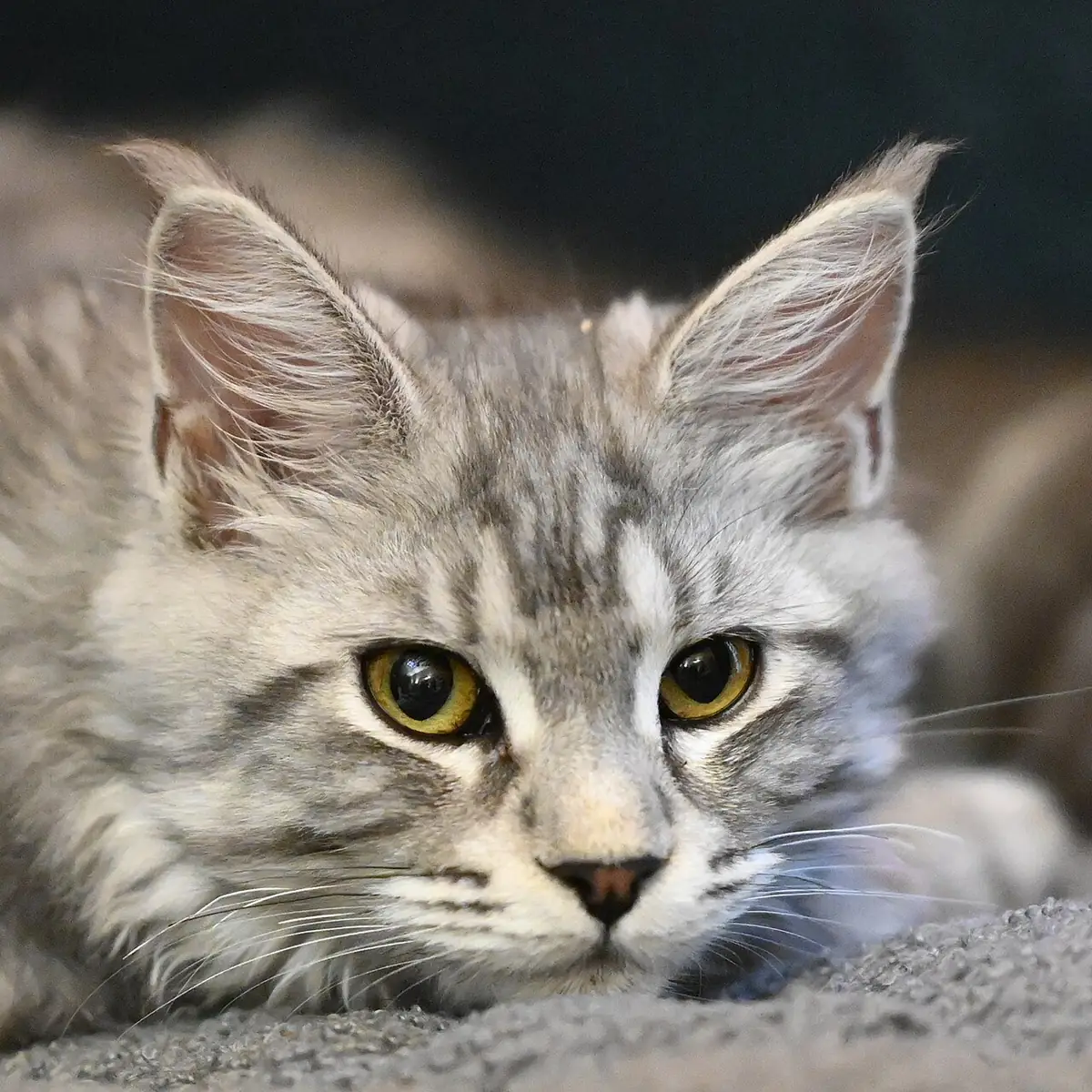
The Maine Coon wears a thick, shaggy, water-resistant coat built for a New England winter, complete with a neck ruff, a long bushy tail, and lynx-like ear tufts. They come in nearly every color: the CFA breed article lists five color classes covering solids, tabbies, and parti-colors. Pointed patterns are the one thing you will not see on a true Maine Coon.
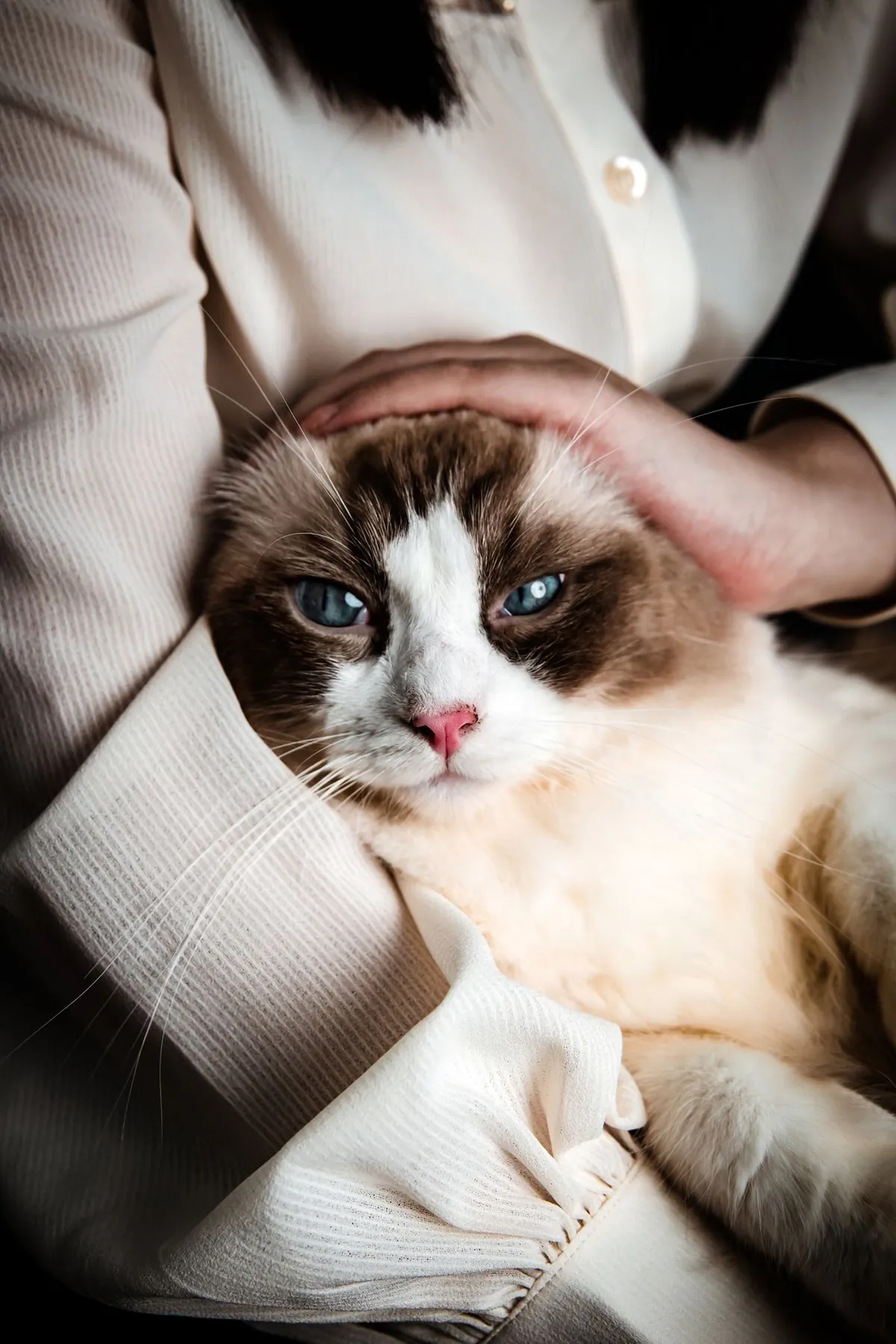
The Ragdoll is the softer, dreamier cousin. Their medium-long coat is silky, often described as feeling like rabbit fur, and mats less than you would expect. Every Ragdoll is pointed, with darker face, ears, legs, and tail, in three patterns: colorpoint, mitted, and bicolor. Those eyes are the trademark: TICA’s breed introduction describes the Ragdoll as a blue-eyed pointed cat, and that vivid blue gaze is unforgettable.
A Facebook group post comparing the two side by side drew the same verdict I see in real life: the Maine Coon looks rugged and wild, the Ragdoll looks plush and sweet.
Size and Body Type
Both are genuine giants: male Maine Coons average 12 to 15 pounds with some over 20, females run 9 to 12, and male Ragdolls can also reach 20 pounds. The difference is shape: the Maine Coon is long, rectangular, and muscular, while the Ragdoll is heavy-bodied and plush.
Both mature slowly: the CFA says Maine Coons often do not reach full development until three or four, and Facebook owners confirmed theirs kept filling out well past year two.
Temperament and Personality
This is the heart of the maine coon vs ragdoll decision, and it matters more than looks or size.
The Maine Coon: Dog-Like and Curious
I cover this in depth in my Maine Coon personality traits guide, but the short version is this: they are the comedians of the cat world. They follow you from room to room, supervise your work, greet you at the door, and many play fetch like retrievers. They are famously fascinated by water.
Owners on Reddit describe Maine Coons as social butterflies who need to know what is happening at all times. They are affectionate in a beside-you way rather than an on-you way, preferring to sprawl next to you instead of on your lap. The CFA calls them gentle and loyal, with a vocabulary of meows, trills, and chirps. That chirping is real. Mine hold full conversations with the birds outside the window.
The Ragdoll: The Original Lap Cat
The Ragdoll was practically engineered for cuddling, famous for going limp in your arms like a child’s ragdoll. VCA’s breed profile calls them puppy cats because they shadow their people from room to room, and describes their temperament as relaxed and gentle.
Where the Maine Coon wants to participate in your life, the Ragdoll wants to be held through it. A veterinarian on Instagram who ran a head-to-head breed comparison series picked the Ragdoll over several breeds purely on temperament, calling them calm and docile. In an online forum discussion, a long-time owner of three Maine Coons said the Ragdoll felt like the surer bet for guaranteed affection, describing Ragdolls as deeply attached to their people.
One caution from VCA: Ragdolls are overly trusting with little fighting instinct, so keep them indoors or supervised.
Activity and Exercise Needs
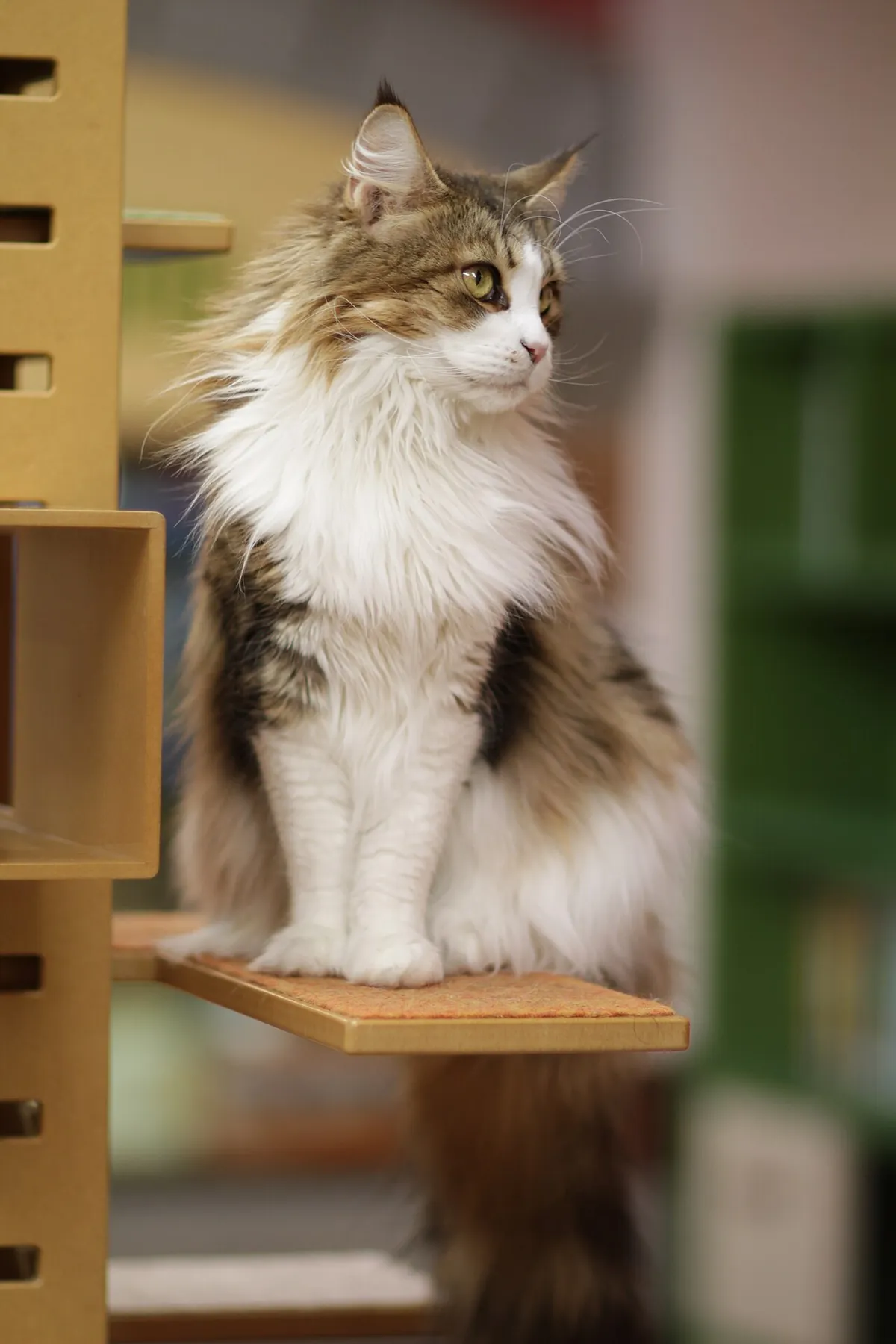
Maine Coons stay kittens at heart for years. They need daily interactive play, tall sturdy cat trees, and puzzle toys to keep that big brain busy, and they love heights. Owners across forums agree that a bored Maine Coon invents its own entertainment, and you may not love the inventions.
Ragdolls stay playful into adulthood, but their energy runs at a lower wattage and they prefer floor-level lounging. A wand toy session is usually plenty.
If you work long hours, this matters. A Maine Coon left alone all day with nothing to do can get restless, while a Ragdoll is more likely to nap until you get home, then glue itself to you for the evening.
Grooming and Shedding
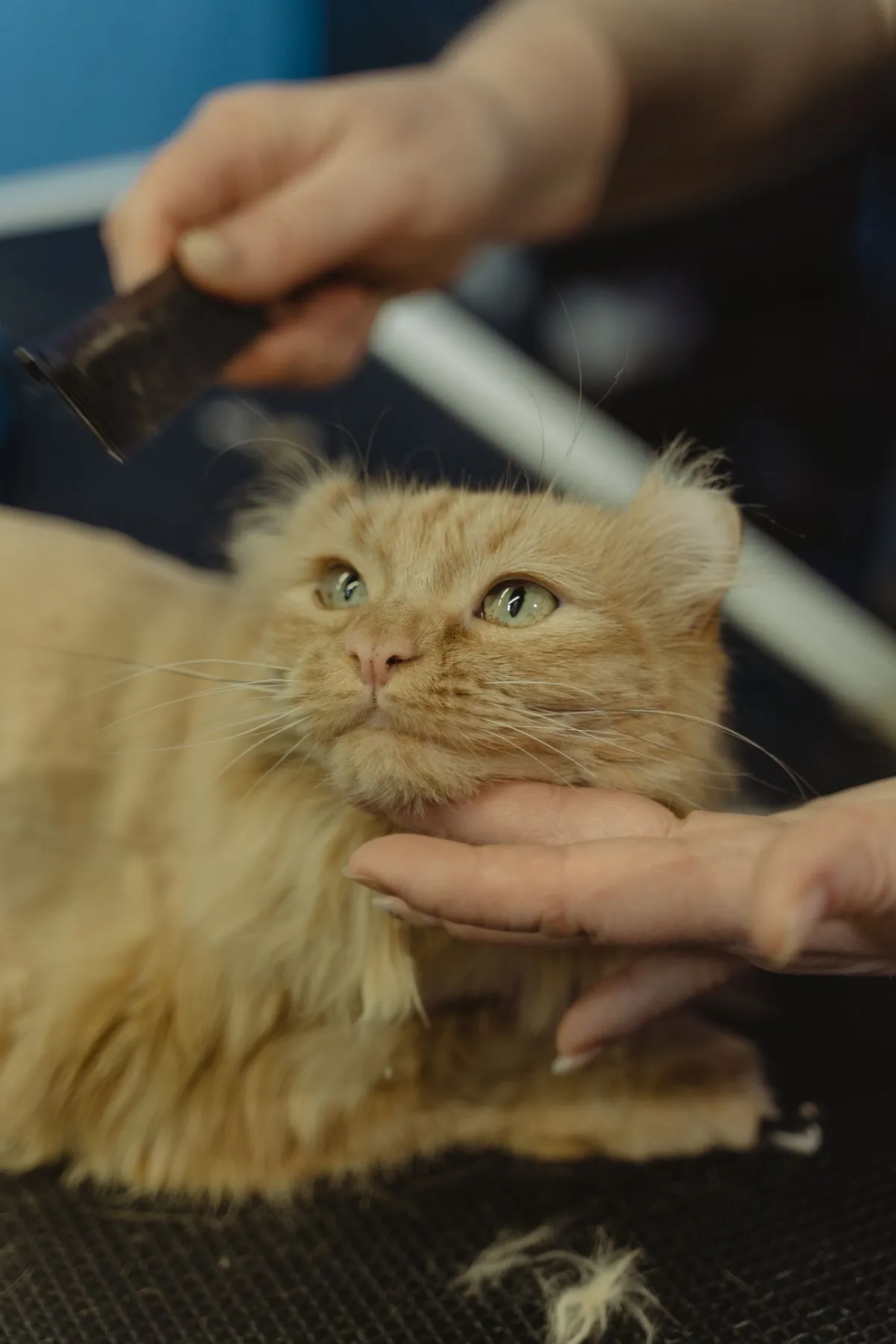
Neither breed is wash-and-wear. The Maine Coon’s thick double coat needs brushing three to four times a week to prevent tangles; my guide on preventing matted fur in Maine Coons covers the trouble spots. The Ragdoll’s silky single coat is more forgiving and usually does fine with two to three brushings a week.
Experiences vary. Either way, buy a good steel comb and make brushing a bonding ritual from kittenhood.
The Maine Coon sheds more: year-round with real blowouts in spring and fall, while Ragdolls shed moderately. More detail in my post on do Maine Coons shed.
Health Issues and Lifespan
Both breeds are generally sturdy and commonly reach their early to mid teens, but both share one important concern: hypertrophic cardiomyopathy (HCM), the most common heart disease in cats. Breed-specific genetic mutations linked to HCM have been found in both breeds and testing is available, so choosing a breeder who screens for heart disease matters enormously.
Beyond HCM, Maine Coons are prone to hip dysplasia, which makes sense given their size, so watch for stiffness or reluctance to jump as they age. Ragdolls have a known susceptibility to urinary tract issues, so fresh water and clean litter boxes matter especially for them. For both breeds, pick a breeder who does genetic health screening and keep up with annual vet visits.
Price, Breeders, and Adoption
Both are premium breeds. In most markets I have seen, Ragdoll kittens tend to be priced a bit higher than Maine Coons, but prices swing widely by region, breeder reputation, and pedigree. I break down what drives the cost in my post on why Maine Coons are so expensive, and most of it applies to Ragdolls too: health testing, quality food, and months of careful raising.
Budget beyond the purchase price too: both eat more, need oversized litter boxes, and will destroy a flimsy cat tree, so invest in sturdy furniture from day one.
Both breeds also have dedicated rescues with wonderful adult cats, and adopting an adult lets you skip the kitten chaos and know exactly what personality you are getting.
Kids, Dogs, and Apartment Life
With children, you cannot go wrong. The CFA describes Maine Coons as wonderful family pets that get along with children and dogs, and VCA notes Ragdolls behave politely around children and seniors. Both are famously tolerant.
With dogs, both do well in different styles. Maine Coons are confident and playful enough to hold their own with an energetic dog, while Ragdolls are calmer about newcomers and rarely show aggression. Introductions should still be slow and supervised either way.
For apartments, the Ragdoll has the edge: quieter, calmer, and happy in a smaller space with your company. A Maine Coon can thrive in an apartment too, but needs vertical space and dedicated daily play.
Maine Coon vs Ragdoll: Which One Should You Choose?
Here is my honest verdict after years of living with one breed and loving the other from close range.
Choose the Maine Coon if you want a playful, dog-like companion who follows you around, learns tricks, and keeps you laughing. They suit active households and people who enjoy an interactive cat that loves you fiercely without living in your lap.
Choose the Ragdoll if your dream cat is a calm, devoted lap warmer who goes limp in your arms and follows you like a shadow. They suit quieter homes, apartment dwellers, and anyone who wants maximum cuddles with slightly less grooming work.
There is no wrong answer. If you can, spend time with adult cats of both breeds first. An hour with a Ragdoll purring in your lap, then a Maine Coon helping you fold laundry, tells you what spec sheets cannot.
Frequently Asked Questions
Which is better for first-time owners?
Both are excellent for beginners. The Ragdoll is arguably the easier start thanks to a calmer temperament and simpler grooming. The Maine Coon is equally beginner-friendly if you are ready for more daily play and brushing.
Which breed is more affectionate?
They show it differently. Ragdolls are more physically affectionate: laps, cuddles, going limp in your arms. Maine Coons are affectionate like a loyal sidekick: following you around, sleeping pressed against you, greeting you at the door.
Which sheds more?
The Maine Coon, generally. Their dense double coat sheds year-round with heavy seasonal blowouts, while Ragdolls shed moderately. Neither is low-shedding.
Can a Maine Coon and a Ragdoll live together?
Absolutely. Many owners keep both, and they complement each other: the Maine Coon brings playfulness, the Ragdoll brings calm. Introduce them slowly, as with any cats.
Which is healthier and lives longer?
Lifespans are similar, both commonly reaching 12 to 15 years or more. Both share a predisposition to HCM, so the healthier choice is less about breed and more about breeder: pick one who screens for genetic heart disease and keep up with vet visits.
If you are still on the fence, that is a good sign. It means you are taking a 15-year commitment seriously, and whichever gentle giant you choose will be lucky to have you.