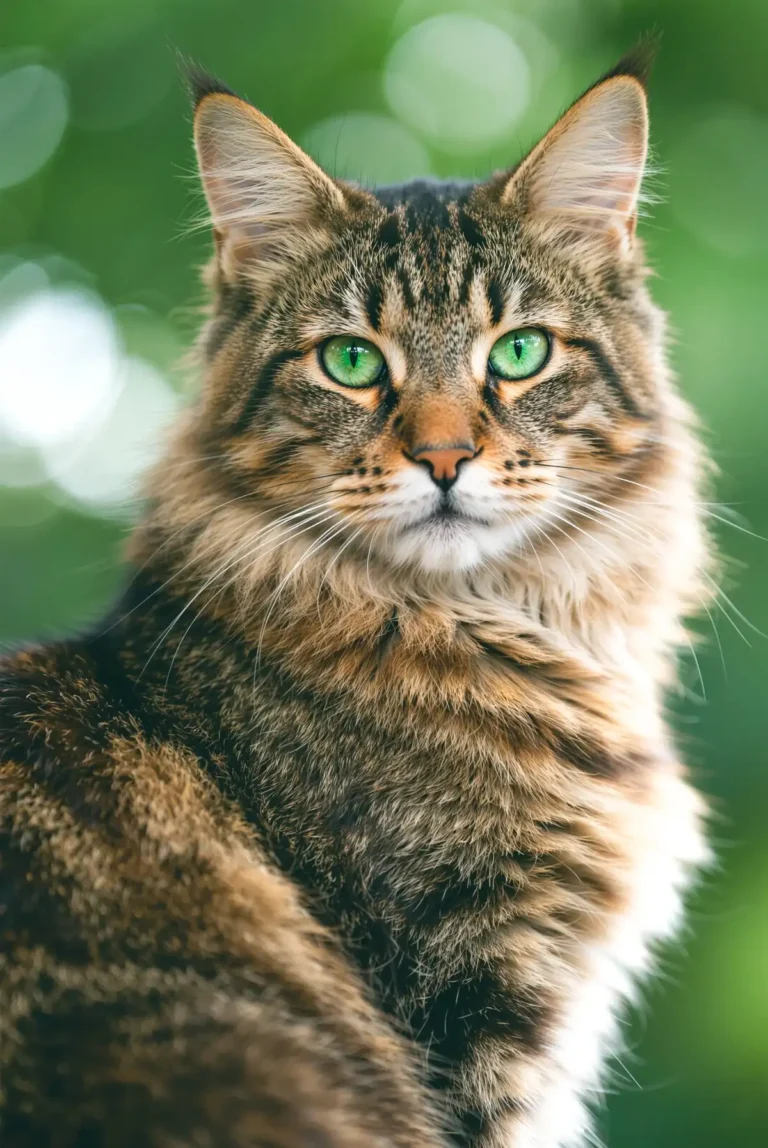
Maine Coon Boarding or a Sitter: What Actually Works
The first time I had to sort out Maine Coon boarding for a trip away, I left it until the week before we travelled, and I regretted it. My girl is not a cat you can leave with a full bowl and a neighbour popping in. She follows me from room to room and knows the suitcase means I am leaving.
That trip taught me the lesson behind this guide: with this breed, the question is not whether someone feeds her, but whether she feels safe while I am gone. Decide weeks ahead, not days.
Maine Coon Boarding vs a Sitter at Home: The Honest Comparison
Maine Coons bond hard to their people and to their patch. Owners in Maine Coon groups say it plainly: a Maine Coon left alone in an empty house for days is a miserable cat, and a neighbour topping up food once a day is not enough. A single Maine Coon should not be left alone for days.
So the choice is simple: someone comes to her, or she goes somewhere else. A sitter keeps everything familiar. A facility gives staff and structure, but asks her to cope with a new place and other animals while missing you. For most Maine Coons, home wins. One more option: taking her with you. If your trip allows it, I have written about taking your Maine Coon along instead for owners weighing that choice.
Option 1: A Sitter at Home
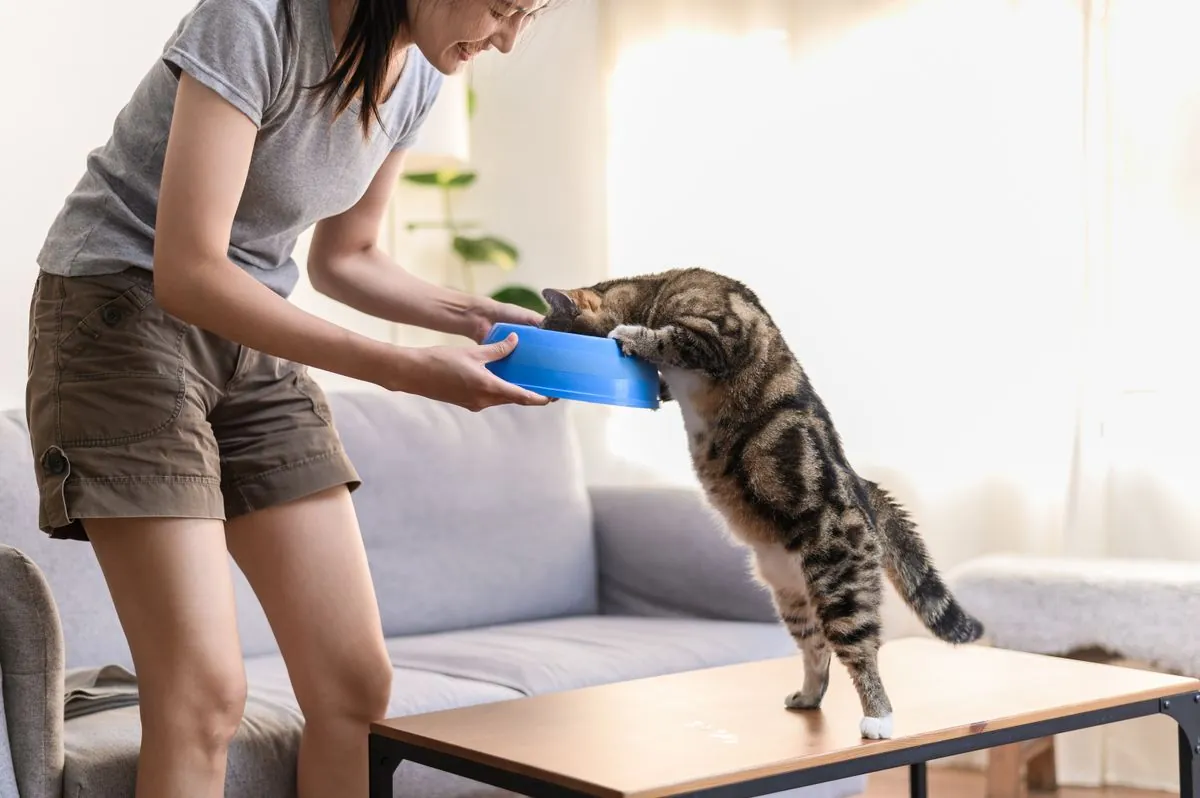
This is my default, and the option most experienced owners I have talked to land on. A sitter comes to your house, for visits once or twice a day or to stay overnight, and your cat never leaves her territory. The advantage is continuity: same times, same spot, same litter tray.
A vet writing for PetMD makes the same point: cats boarded away from home often go off food or develop upset stomachs, while pets cared for by a sitter at home show far less of that stress. That matches my own cat. At home with a sitter she eats and plays. Away from home she shuts down. For one night, drop-in visits can be enough. For longer, especially with a clingy Maine Coon, arrange a live-in sitter or two visits a day. The catch is that you rely on one person, so references, a backup plan, and daily updates matter.
Option 2: Boarding at a Facility
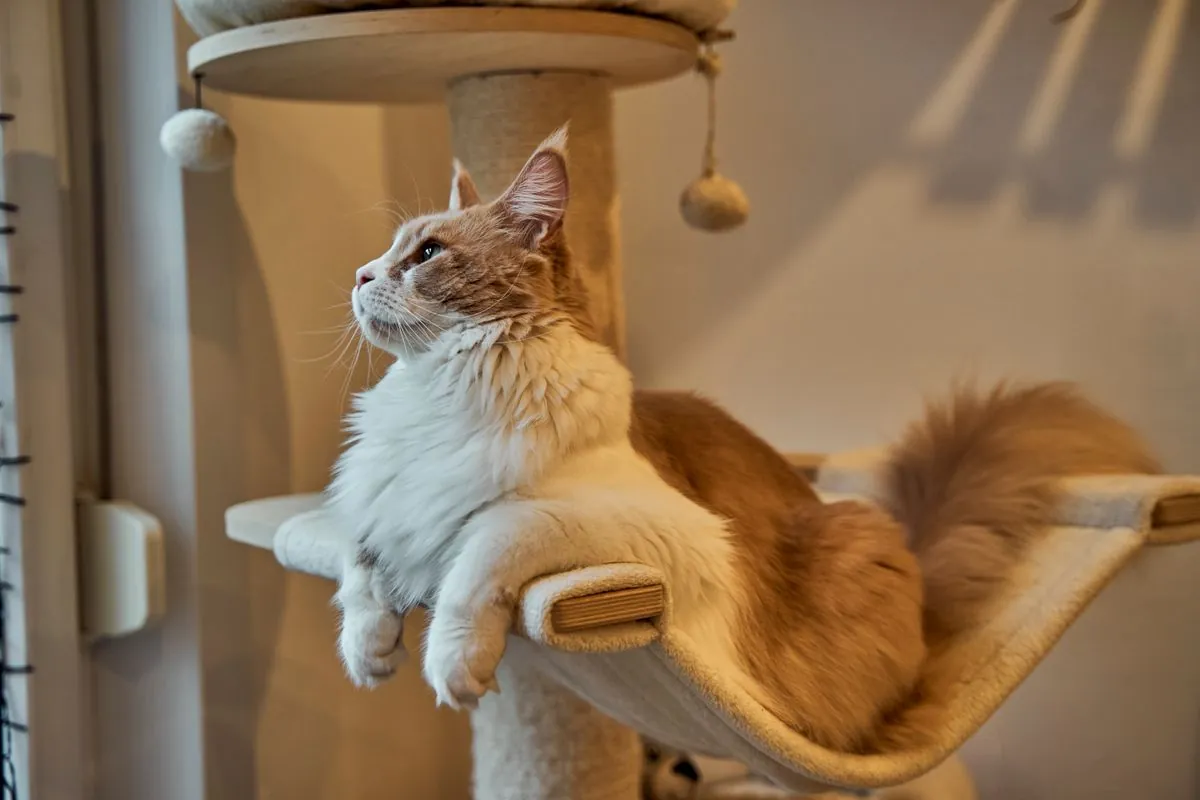
Boarding means your Maine Coon stays at a facility built for the job, with cat-only areas, staff checking through the day, and a vet they can call quickly. For a confident, social cat, Maine Coon boarding can work well. For a cat who needs medication at odd hours, it can be safer too, because more eyes are around.
But there is a Maine Coon problem with boarding: size. Breed guides point out that standard cattery cages are often too cramped for a Maine Coon, and owners on social media say the same. She needs room to stretch out fully, a perch above floor level, space to sleep away from the litter tray, and a hiding spot. Tour the actual unit she would sleep in, not the website photos. Noise matters too: a cat area sharing a wall with barking dogs will keep a sensitive cat on edge. Check vaccination requirements early, and ask about bringing her own food.
Option 3: A Trusted Friend or Family Member
This is the option many of us try first, and it can be the best of all or the worst of all. A friend your cat already knows, staying in your home, gives you warmth no professional arrangement can match. Owners in Maine Coon groups often say a sitter your cat already knows is worth far more than a stranger with a key, and I agree.
The risk is not love. It is follow-through. A friend may not know that a Maine Coon who has not eaten for a full day needs a vet call, not a shrug, or how much she normally eats. They may mean well and still forget the evening visit. If a friend is doing this, write everything down, walk them through it in person, and agree on daily updates. If she would stay at their house instead, think carefully: new smells, possibly other pets, and an escape route she does not know. For a short trip, your home with a visiting friend is almost always kinder.
What to Check Before You Book Anyone
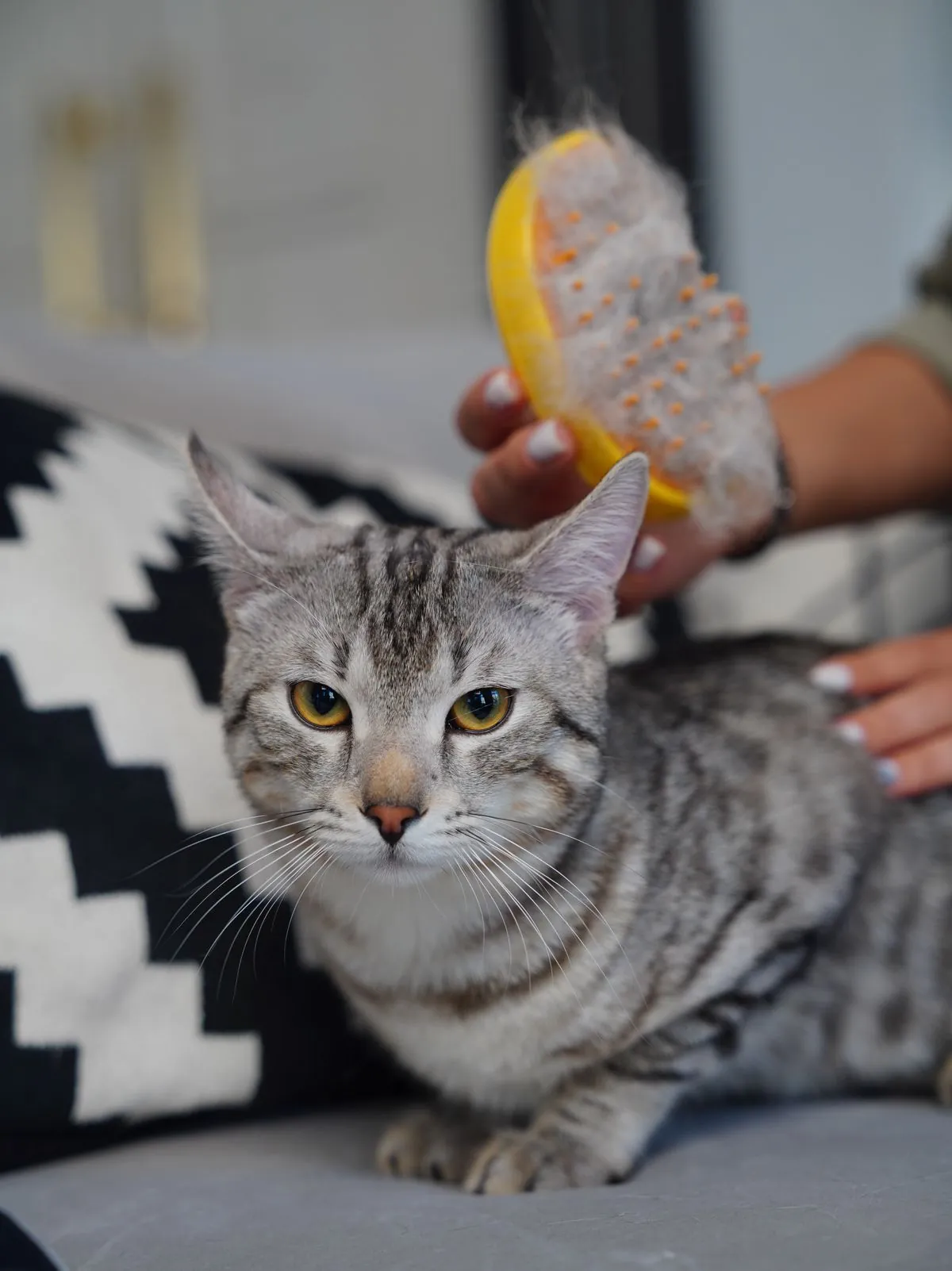
Ask about experience with large, long-haired cats specifically. Maine Coons mat if they are not brushed, need a tray they can turn around in, and can push open a latch that would hold a smaller cat. A sitter who has handled Maine Coons will know this without being told. Ask for references from overnight stays and actually contact them. Ask how the sitter handles a cat who will not eat or hides all day, and who covers if the sitter falls ill.
Ask about vet access in plain terms: where is your vet, what are the hours, which emergency clinic after hours, and does the sitter have written permission to take her there. Leave it in writing with your vet’s number, your number, and a second emergency contact. For a facility, tour it in person: cat area separate from dogs, clean enclosures with a shelf and hiding place, trays scooped and away from food bowls. Ask which vaccinations they require and who is in the building overnight. Agree on daily updates before you book: photos and a note on whether she ate, used the tray, and played.
Preparing Your Home and Your Cat
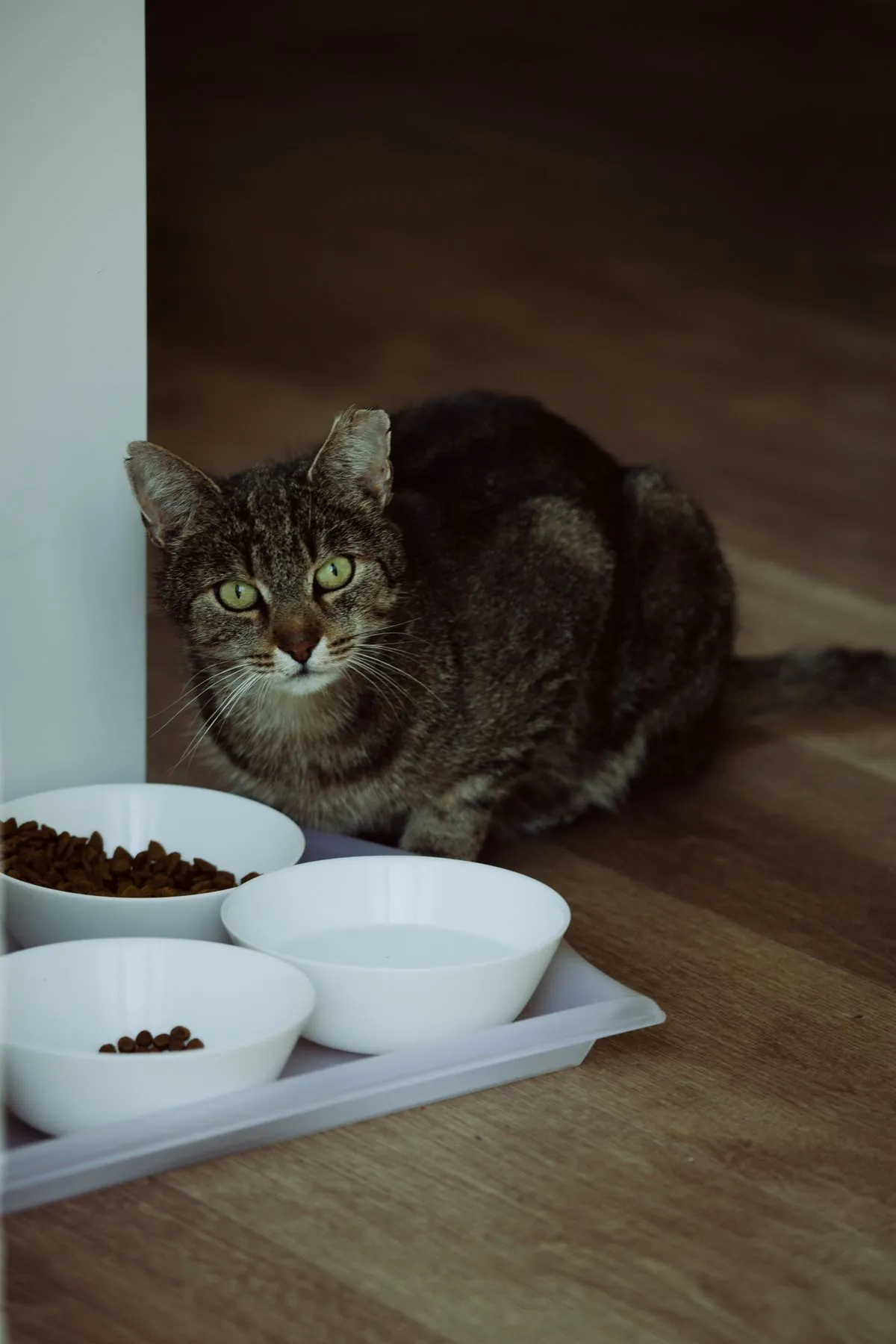
Good care starts the week before you leave. Keep her routine exactly as it is: same food, same times, same litter, same tray in the same place. Write it on one sheet: feeding times and amounts, where the food and spare litter are kept, medication and how to give it, and her normal behaviour. A cat who sleeps eighteen hours a day is not a sick cat, but a sitter who does not know that may panic.
Do not wash her bedding or clear her hiding spots before you go. Leave the house smelling like home and a worn T-shirt of yours near where she sleeps. Stock up: extra food, extra litter, spare bowls, her brush, medication with clear written doses. Label everything. Keep her indoors while you are away unless agreed otherwise in writing. If your cat is still settling in, go easy on timing. I think about our first night at home whenever I plan a trip, and moving house on top of a holiday can tip a settled cat into real distress.
Separation Anxiety While You Are Away
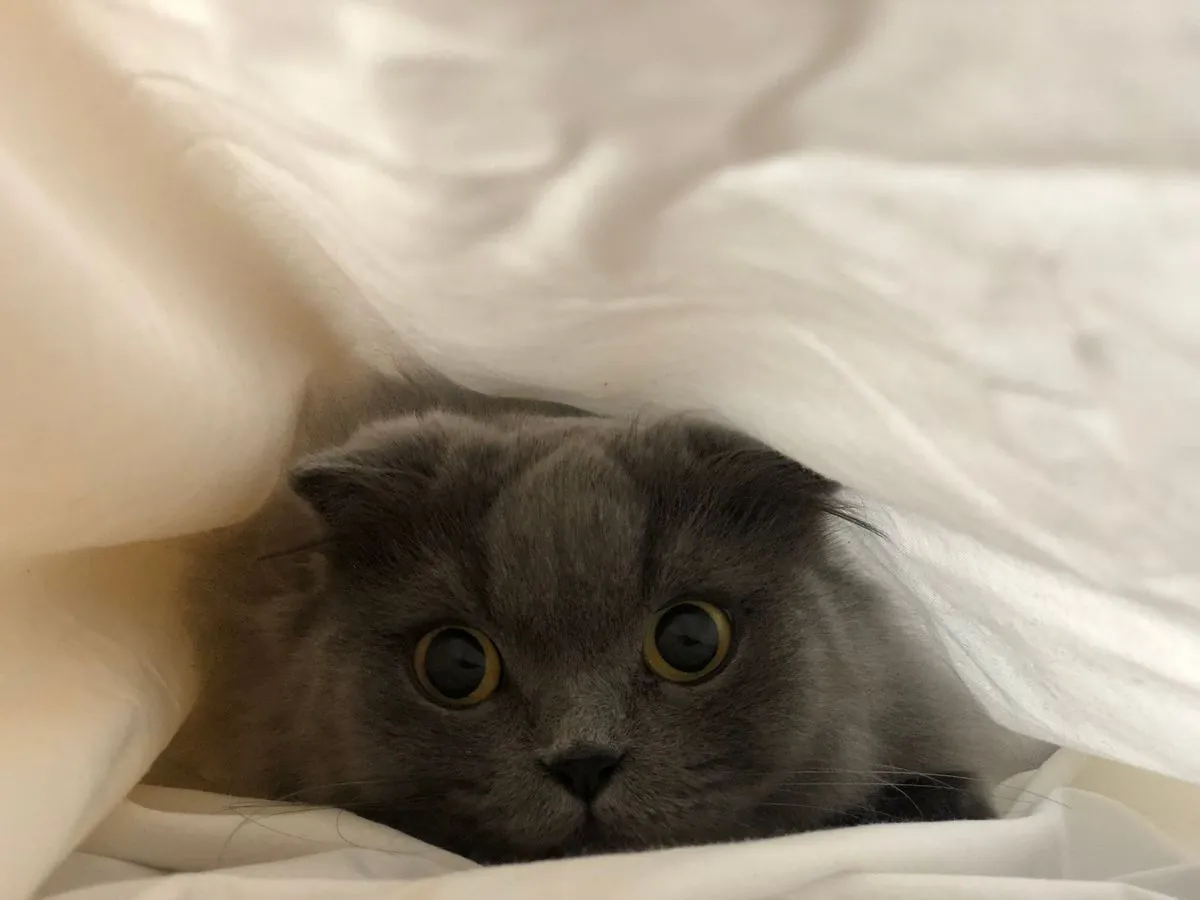
Maine Coons are famously people-oriented. They pick a person and want to know where that person is, and some take your absence hard. I have written in detail about the signs of separation anxiety and what helps, but here is the short version for a trip.
Watch for it in the updates. A cat who stops eating, hides for more than a day, yowls for long stretches, paces, grooms herself raw, or toilets outside the tray is not coping. VCA describes separation-related distress as distress triggered by the absence of an attachment figure, and notes cats left for long stretches may simply stop eating. Agree the line that means call the vet today: no food for a full day, no urine for a day, repeated vomiting, or hiding without a break for more than a day. A male cat straining in the tray and producing little or nothing is an emergency. Daily updates are how you spot trouble early.
Do a Trial Run First
This is the single best piece of advice I can give you: never let the real trip be the first time. Book a short trial, one night with the sitter or one night at the facility, a week or two before you go. It shows you how your cat actually reacts, lets her meet the sitter while you are there, and shows whether the sitter follows instructions and sends updates.
Let the sitter visit once or twice before the trial, while you are home. A behaviour trainer I read put it well: unless your cat approaches the sitter on her own, the sitter should not push it. Sitting nearby and tossing treats works far better than reaching for her. Then treat the trial as a real test: did the sitter come on time, send updates, and did your cat eat? If anything felt off, believe it and change the plan while you still have time.
Coming Home: The Reunion
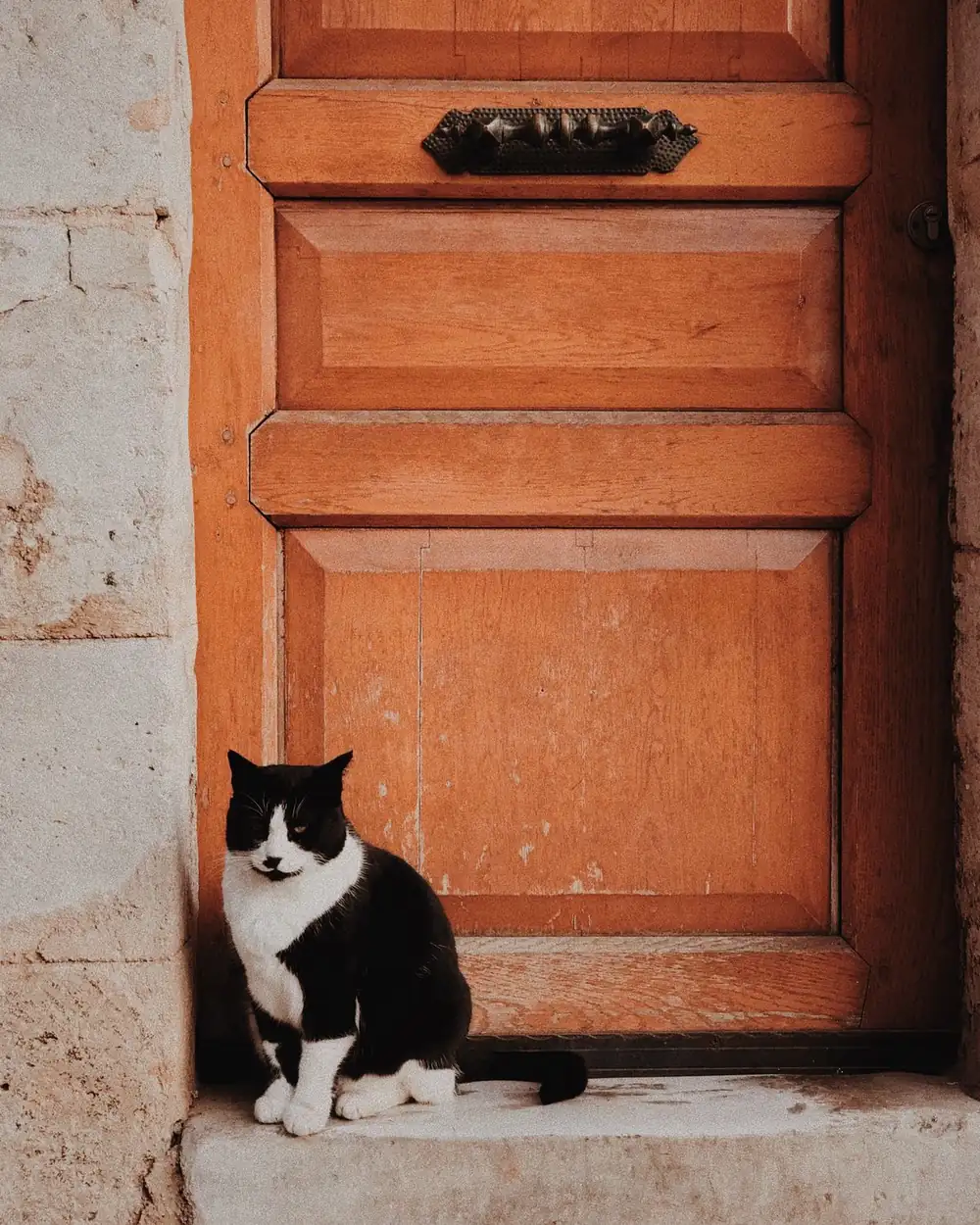
Most Maine Coons greet you like you have been gone for a year, even if it was two nights. Expect clinginess, expect talking, expect her to follow you everywhere for a day or two, and expect her to sleep on you that first night. Let her come to you, keep the first evening calm, and do not be surprised if she is a little offended too.
Give her a day to settle before you judge the trip. Eating, drinking, using the tray and playing within a day means she coped well. Still hiding or not eating after a day or two means call your vet. Note what worked, so next trip you do not start from scratch.
Frequently Asked Questions
Should I board my Maine Coon or hire a sitter?
For most Maine Coons, a sitter at home is kinder, because cats cope far better with a change of company than a change of place. Maine Coon boarding suits confident cats and trips where no reliable sitter is available. If your cat is anxious, shy, a kitten or a senior, home sitting is usually better.
How long can a Maine Coon be left with just drop-in visits?
For a settled adult, once or twice daily visits can work for a short trip, as long as visits include real company and play. Kittens and anxious cats need more time with a person, and a single Maine Coon should not be left alone for days with only a quick daily check-in.
What should I ask a boarding facility before booking?
Ask to see the actual unit and check it is big enough for a Maine Coon to stretch out fully, with a perch and a hiding spot. Ask whether the cat area is separate from dogs, which vaccinations are required, who is in the building overnight, and whether you can bring her own food and bedding.
How do I prepare my Maine Coon for a sitter?
Meet once or twice while you are home, keep her routine the same, and leave written instructions covering food, litter, medication, and your vet’s details. Leave a worn T-shirt near her bed and stock up so the sitter never improvises.
My Maine Coon stops eating when I go away. What should I do?
Tell your sitter in advance and agree no food for a full day means a vet call. Ask the sitter to offer her usual food and send a photo at mealtimes. If it repeats on every trip, talk to your vet before the next one.
My Honest Answer
For my own cat I would pick a sitter at home, ideally someone she knows, with two visits a day or a live-in stay for a longer trip. It keeps her world the same, and that is what she needs most. Boarding is a good second choice when the facility suits a cat her size. Book early, meet the person or tour the place, do a trial run, and leave instructions a stranger could follow.