Maine Coon Constipation: Signs, Causes and What Helps
What Maine Coon Constipation Looks Like in Real Life
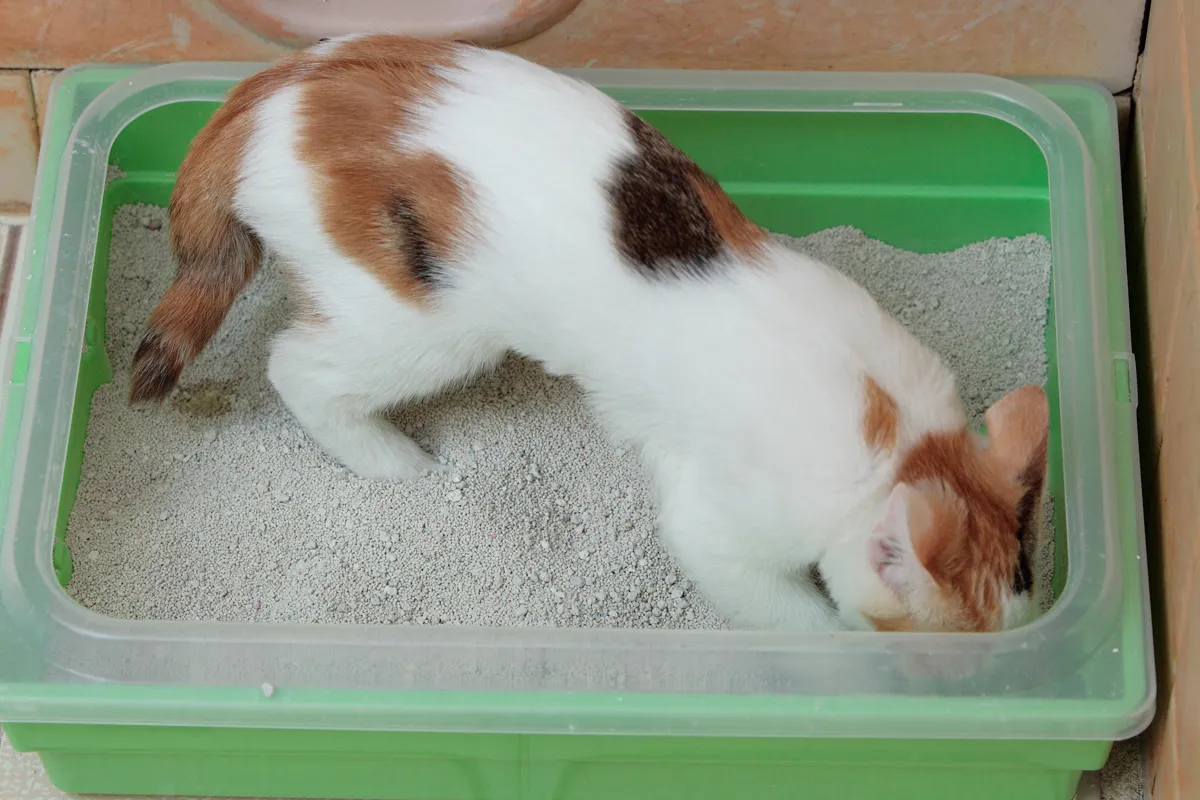
The first time one of my Maine Coons went quiet in the litter box, I almost missed it. He went in, dug around, strained for a while, and came out with nothing to show for it. An hour later he tried again. Same result. When he finally did pass something, it was a few small, hard, dry pellets.
That is maine coon constipation in its most ordinary form — easy to brush off for a day, and easy to regret brushing off for three. This guide covers the bowel-movement question only: how often a healthy Maine Coon should go, the early signs, the usual causes, what helps at home, and the red flags that mean a vet visit.
One thing up front: if your cat is straining and you cannot tell whether anything is coming out — urine or stool — treat that as urgent and call your vet the same day. Straining to urinate can look exactly like straining to pass stool, and a blocked bladder is an emergency, especially in male cats.
How Often Should a Maine Coon Poop?
Most healthy adult cats pass stool about once a day, and once or twice a day is a normal range.
What matters more than any single number is your cat’s own pattern. Some cats reliably go once a morning; some go twice. Kittens tend to go more often, and older cats sometimes go a little less often. A cat who has gone once a day for years and suddenly skips a day is telling you something.
I scoop every day, and I notice in passing — was there a normal stool today, was it the usual size and shape, did anyone strain?
If a cat who is otherwise well has not passed stool for about two days, call your vet for advice. If the gap reaches three days, that call is no longer optional.
Signs Your Maine Coon Is Constipated
Constipation means stool is passing less often than normal, or with difficulty, and the stool that does come out is dry and hard. The Cornell Feline Health Center defines it as infrequent or difficult passing of hard, dry fecal matter. Watch for these signs:
Straining in the litter box. Your cat gets into position, pushes, and produces little or nothing — the sign owners notice first.
Going less often. A cat who normally goes daily skips a day, then another — the start of a clock.
Small, hard, dry stools. Instead of a normal formed stool, you find a few dark pellets — the longer stool sits in the colon, the drier and harder it gets.
Repeated trips to the box. Your cat visits again and again, digs, circles, and leaves without producing anything — owners on Reddit describe exactly this pattern.
A sore belly, less appetite, less energy. Some cats flinch when you touch their tummy, or lie curled up in a hunched position. Vomiting alongside constipation is a reason to call the vet promptly — I cover vomiting separately in my guide to why Maine Coons vomit and when to worry.
Most important of all: straining with no output can be a urinary blockage, not constipation. If your cat — especially a male — is straining, crying, and producing nothing, do not wait to work out which it is. Call your vet now.
Why Maine Coons Get Constipated
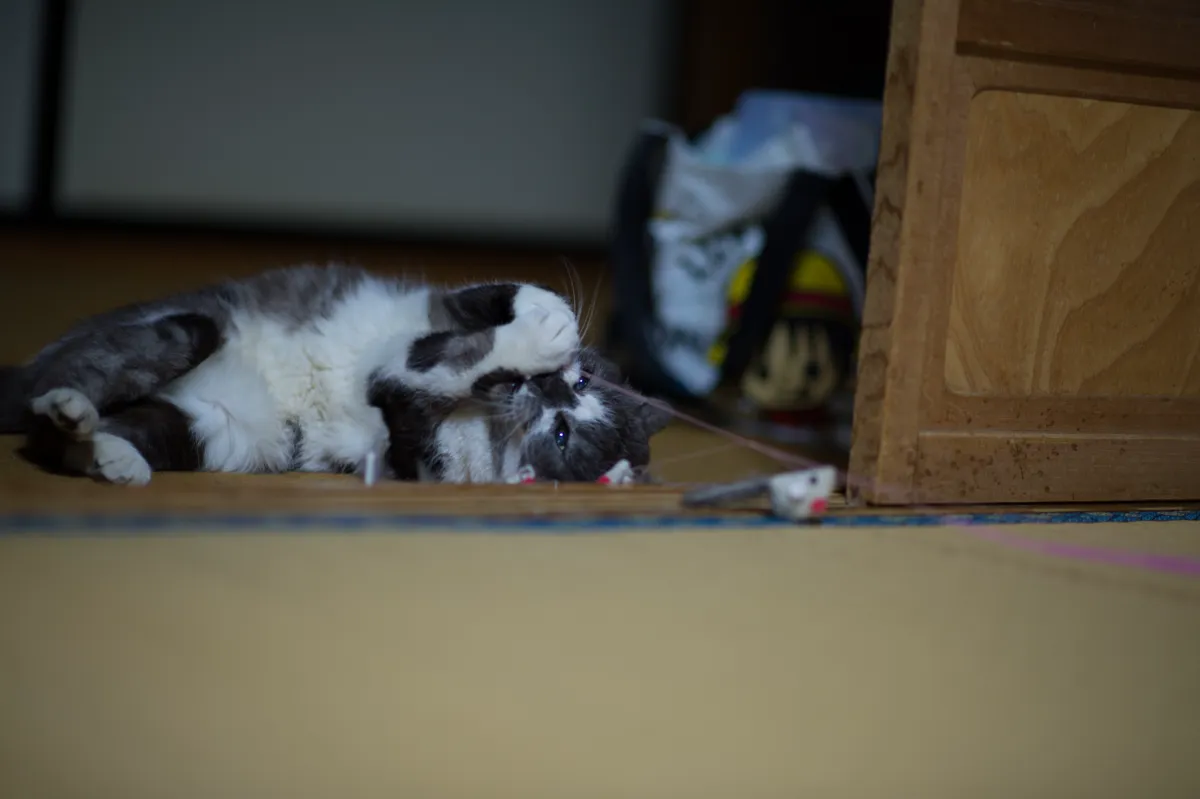
There is rarely one single reason — maine coon constipation is usually two or three small things stacking up at once.
Not drinking enough water. This is the biggest cause, and the most fixable. When a cat does not take in enough water, the colon pulls extra fluid out of the stool, and the stool turns dry and hard — and cats on a dry-food-only diet take in far less moisture than cats who eat wet food.
Too little fibre, or the wrong diet for that cat. Fibre helps stool hold its shape and move along, but the amount and type matter, and what suits one cat can constipate another. A sudden food change or too many treats can also slow things down. Feeding amounts by age are in my Maine Coon feeding chart by age — I will not repeat them here.
Hairballs and swallowed fur. A Maine Coon grooms a lot of coat, and most of that fur passes through the gut in the stool. Swallowed fur can slow the stool down and make it firmer, especially during a heavy shed — breeders on YouTube and owners in the Maine Coon groups say the cats constipated in shedding season are often the ones coughing up hairballs. I cover it in my Maine Coon hairballs guide.
Not moving enough. Movement keeps the gut moving, and a cat who spends the whole day asleep on the sofa is more likely to get backed up than one who plays and climbs every day. Owners on Reddit say the same: the cats who got constipated were the ones who had stopped playing.
Stress and litter-box avoidance. A stressed Maine Coon will sometimes hold their stool rather than use a box they do not like — a house move, a new pet, a dirty box, a box too small for a very large cat, or a box another cat guards. Once a cat starts holding it in, the stool dries out and the next attempt hurts, so they hold it in even more. One box per cat plus one spare, scooped daily, and the box needs to be genuinely big — see my best litter boxes for Maine Coons guide.
Pain, age, and underlying illness. A cat with sore joints may find it painful to crouch in the litter box, so they put off going, and older cats are more prone to constipation because they move less. Some cats develop a stretched, weakened colon after repeated bouts — a condition called megacolon — which is a veterinary matter.
What Helps at Home
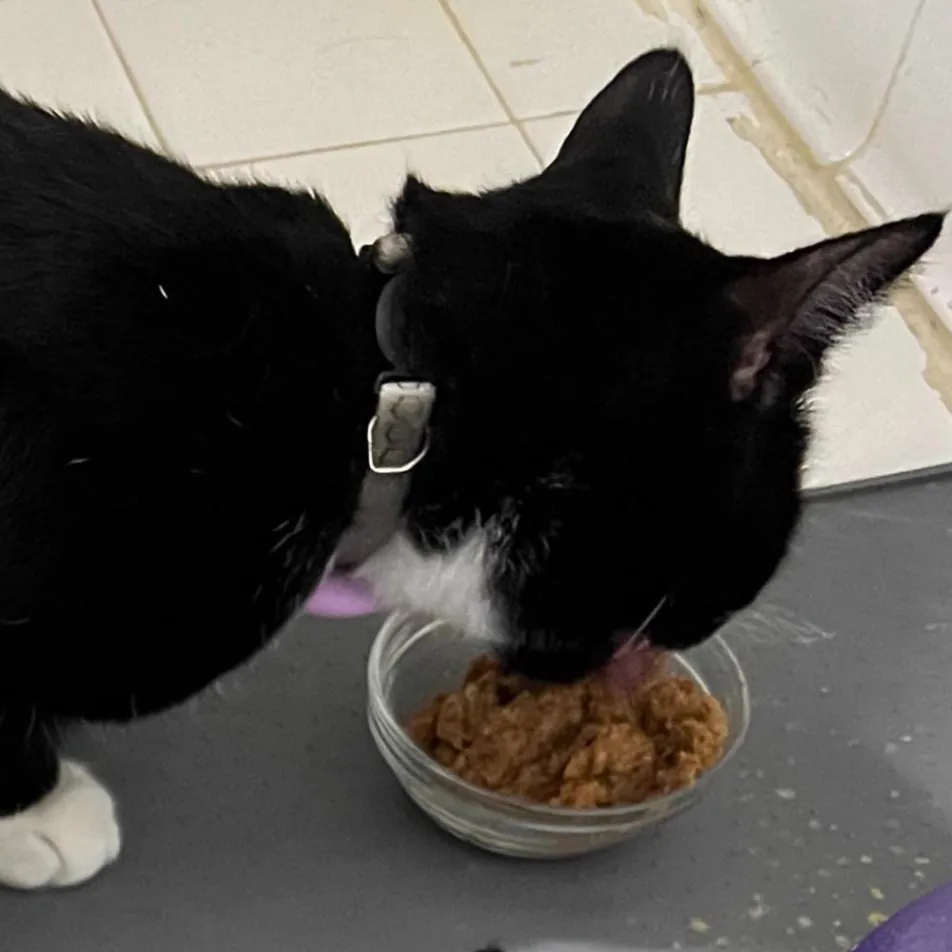
For a mild case — your cat missed a day, is otherwise bright and eating, and is not in obvious pain — a few gentle things help. None of these replace a vet visit if the problem persists, and none should be tried if your cat is straining with no output, vomiting, not eating, or clearly in pain.
More water, in more places. Fresh water in several spots around the house, changed daily. Many Maine Coons prefer moving water — see my water fountain guide for Maine Coons.
More wet food. Wet food is mostly water, and shifting some of the daily diet from dry kibble to wet food raises a cat’s fluid intake without any fuss — PetMD’s guide to foods for constipated cats makes the same point.
A little extra fibre, with your vet’s guidance. Plain canned pumpkin is the food owners mention most often in the Maine Coon groups — a breeder I follow shared that a small amount helped a kitten who was struggling. The key word is plain: no spices, no sugar, no pie filling. But fibre is genuinely tricky, and the wrong kind or too much of it can make constipation worse — ask your vet first.
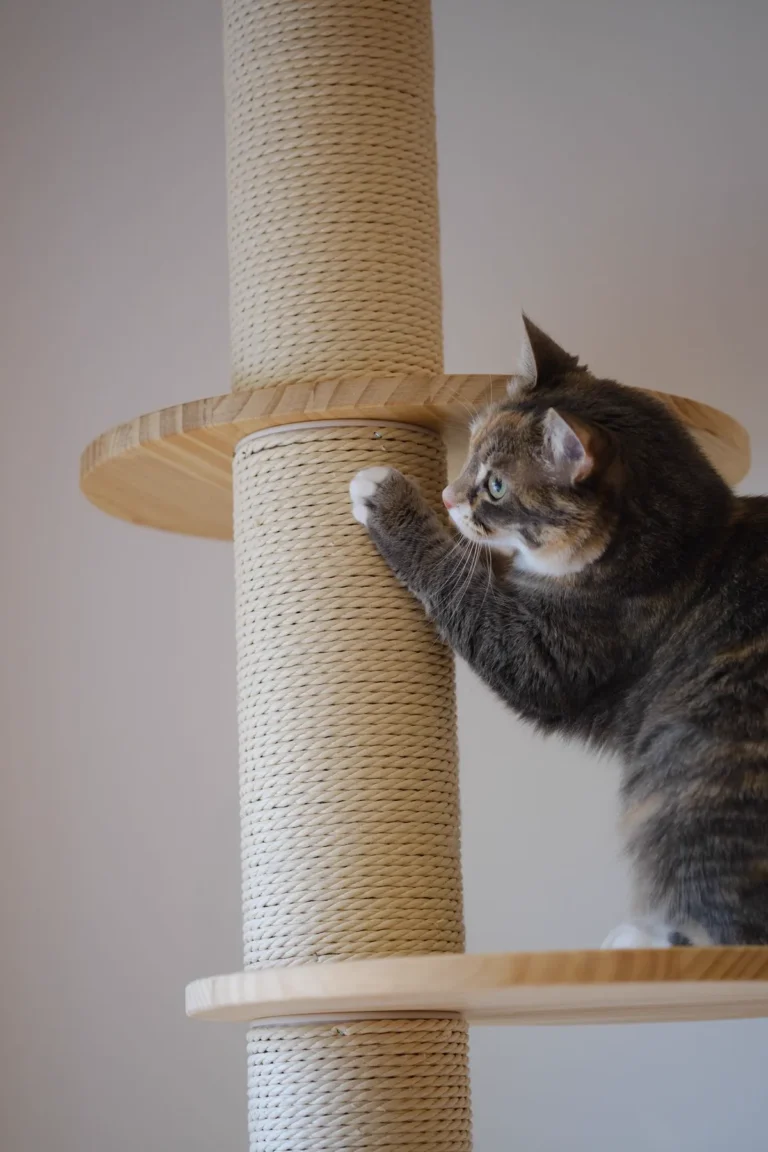
Play and movement. Ten minutes of interactive play — a wand toy, a chase, a climb up the cat tree — does more for a sluggish gut than most owners expect.
A calm, clean, easy litter-box setup. Scoop daily, keep boxes in quiet, accessible spots, and make sure an older or arthritic cat can get in and out without a high step. Brush regularly too — less swallowed fur means less material slowing the stool down.
What not to do. Do not give your cat a human laxative, a human enema, or any medicine meant for people. Some are toxic to cats, and the rest need a vet to decide whether they are safe — there is no safe home dose to guess. Do not try an enema at home, and do not give any oil or liquid by mouth; it can be inhaled into the lungs.
When to Call the Vet
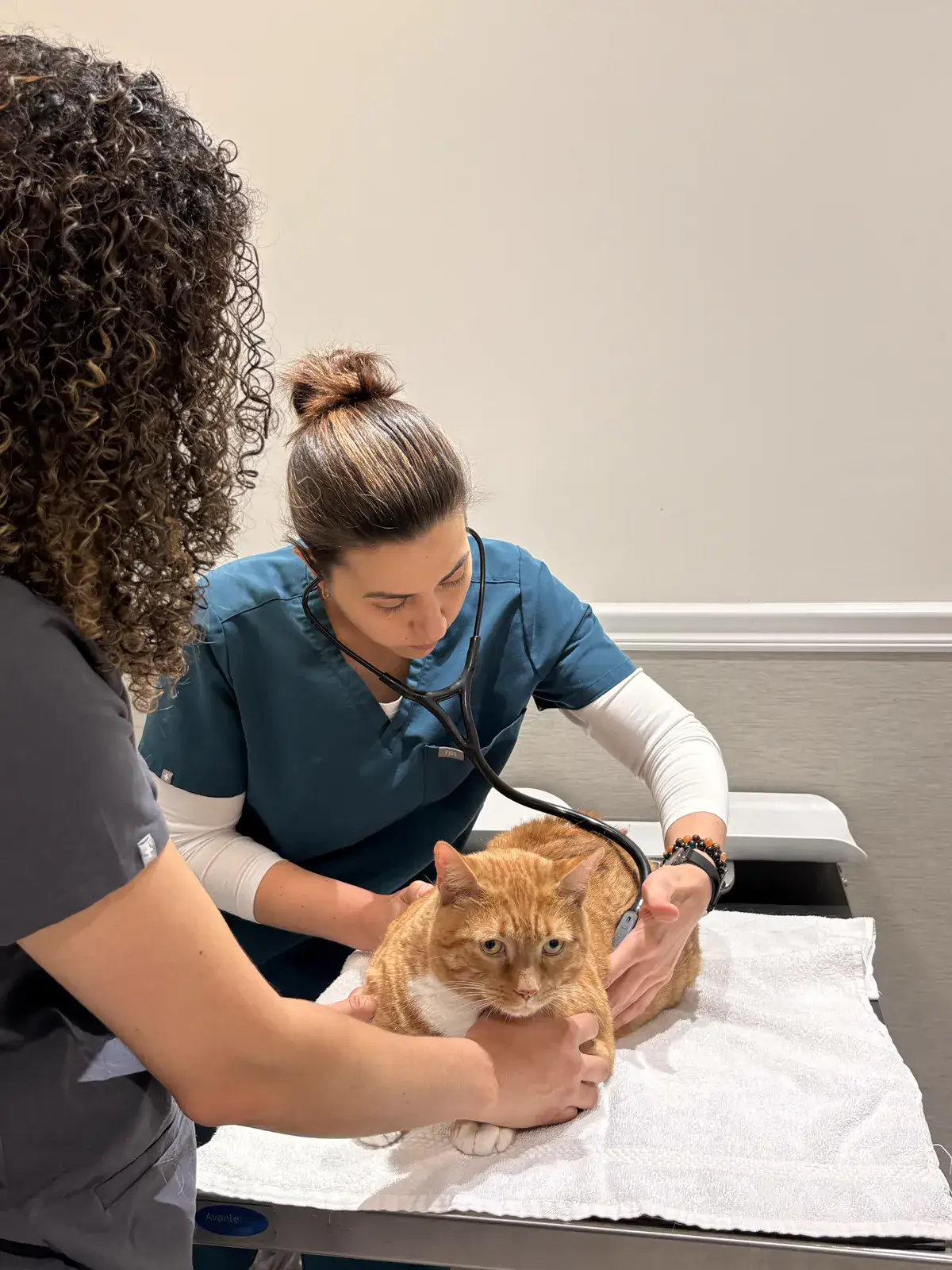
Mild, one-off constipation often settles with water, wet food, and movement. But crossing one of these lines means picking up the phone:
- No stool for about two days in a cat who normally goes daily — call for advice.
- No stool for three days or more — this needs a vet visit, not a phone call and a wait.
- Straining with no output at all, especially in a male cat — same-day vet visit, because a urinary blockage looks identical and is an emergency.
- Vomiting, not eating, or lethargy alongside constipation — call promptly. Owners in the Maine Coon groups give the same advice: go to the vet straight away.
- Blood in the stool, or black, tarry stool.
- A swollen, hard, or very tender belly, or crying out in pain when trying to pass stool.
- Repeated episodes. One bout is a bad week; a cat who gets constipated again and again needs a vet to find the underlying cause.
- A kitten who is constipated. Kittens dehydrate quickly, so do not wait them out.
At the clinic, the vet will usually feel your cat’s abdomen, and may recommend x-rays and bloodwork. Arrive able to say when your cat last passed a normal stool, what it looked like, and whether they are eating and drinking.
Keeping It From Coming Back
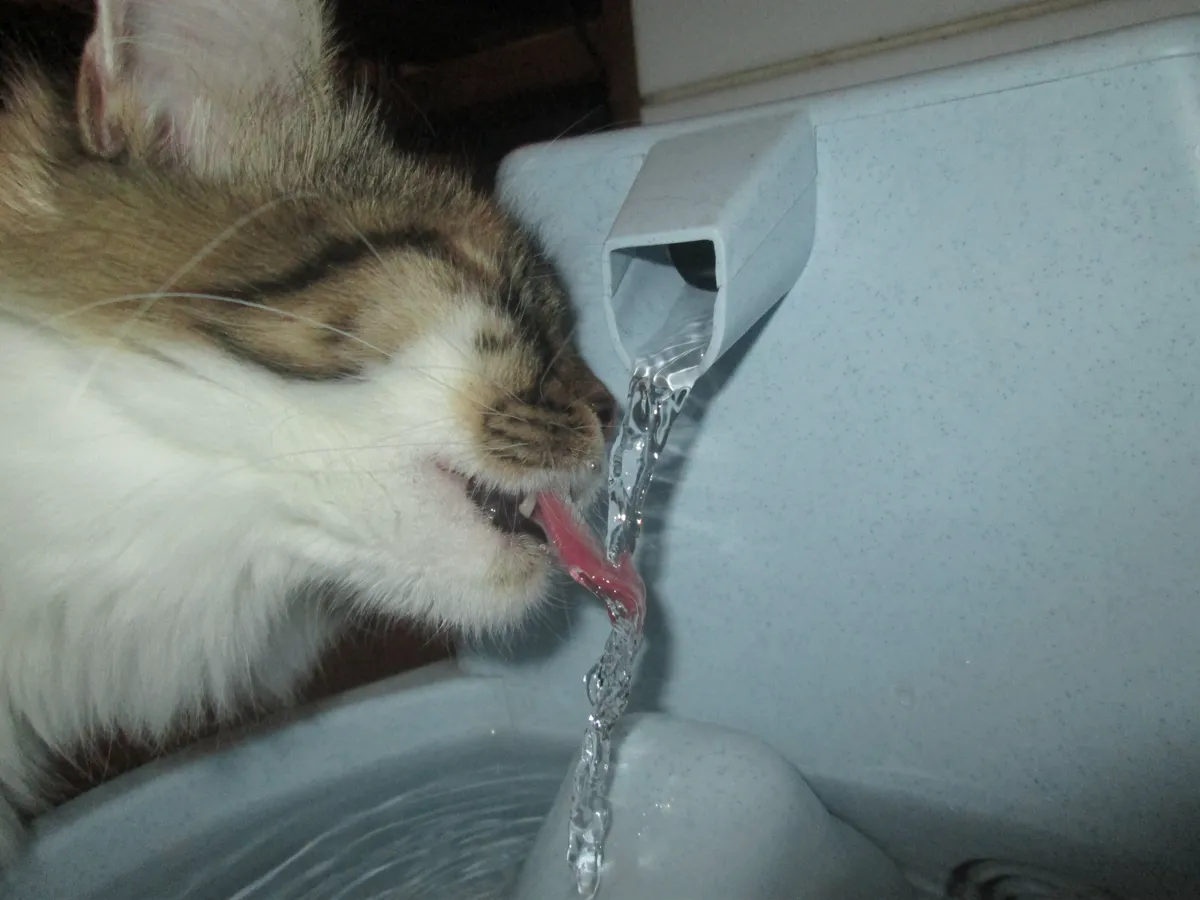
Once a cat has been constipated, it tends to come back unless something changes. The habits that help most are unglamorous and mostly free: fresh water in more than one place, wet food as a regular part of the diet, daily play, daily brushing, a clean box big enough for a very large cat, and a calm routine.
A Maine Coon is a big cat with a big coat and a slow, steady way of growing up, and their digestion rewards the same steady approach: plenty of water, good food, movement, and attention. Most cases of maine coon constipation are mild and fixable, and most are preventable once you know what to watch for.
Frequently Asked Questions
How often should a Maine Coon poop?
Most healthy adult Maine Coons pass stool about once a day; kittens often go more often. What matters most is your cat’s own usual pattern.
Is maine coon constipation common?
Constipation is a common problem in cats generally, and Maine Coons have a few extra risk factors: a long coat that means more swallowed fur, a large body that needs plenty of water, and a tendency to be indoor cats.
What should I do if my Maine Coon has not pooped in two days?
If your cat is otherwise bright and eating, offer fresh water, add wet food, encourage play, and check the litter-box setup. Call your vet for advice at the two-day mark — sooner if your cat is straining, vomiting, not eating, or in pain.
Can hairballs cause constipation in Maine Coons?
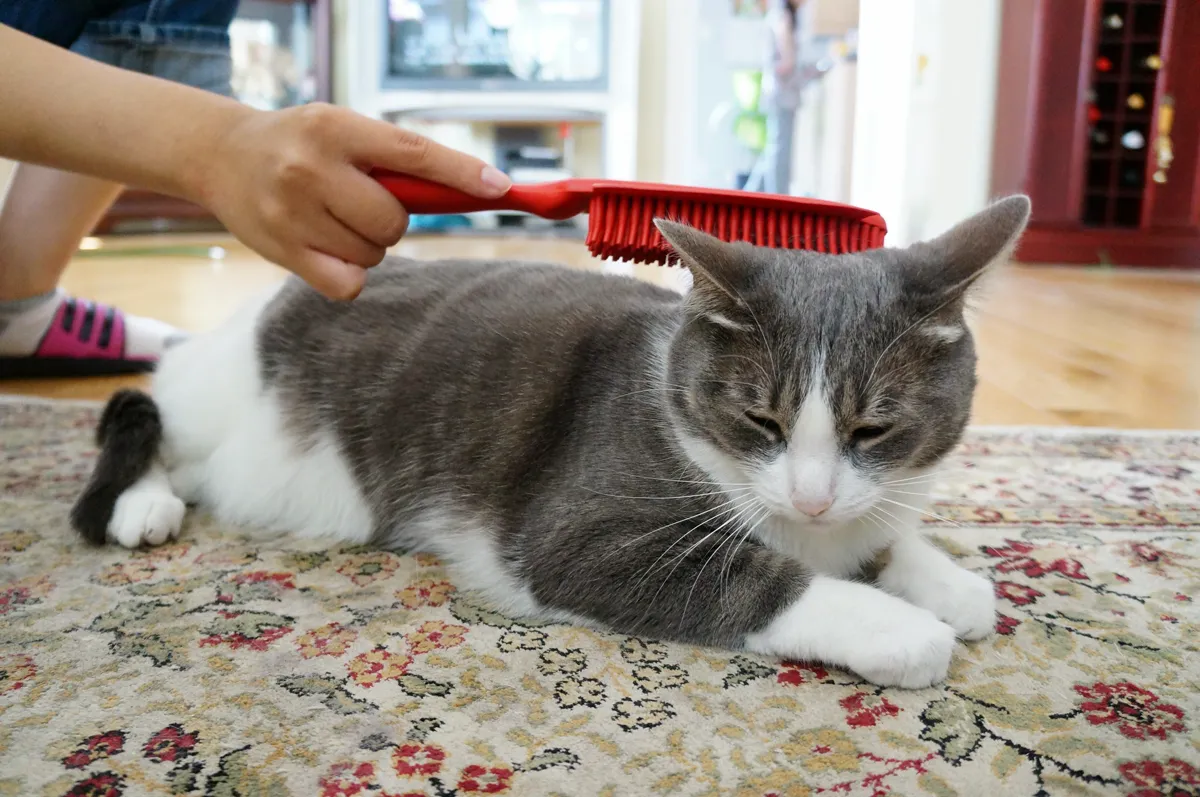
Yes. Swallowed fur can slow stool down and make it firmer, especially during heavy shedding, and regular brushing is the simplest prevention. My Maine Coon hairballs guide explains when hairballs are normal and when they need a vet’s attention.
When is constipation an emergency in a cat?
Call your vet the same day if your cat is straining with no output at all, has had no stool for three days, is vomiting or not eating, or has blood in the stool. Straining with no output can be a urinary blockage — an emergency, especially in male cats.