Flying With a Maine Coon — Airline Rules, In-Cabin vs Cargo, and Calm Trips
Flying with a Maine Coon changes the math on everything. Our cats are the size of a small dog and completely unwilling to shrink for an airline’s under-seat box. If you have ever wondered whether flying with a Maine Coon is actually doable — yes, but it takes more planning than flying with an average housecat, and the rules reward people who read them twice.
Why flying with a Maine Coon is its own sport
The entire challenge of flying with a Maine Coon comes down to one number: size. A full-grown male commonly lands between 15 and 25 pounds. Add a carrier and you are looking at 20-plus pounds of cat and luggage trying to slide under the seat in front of you.
Owners on Reddit who have flown with their big cats say the same thing — the carrier fit is the pass-fail moment, not the paperwork, not the fee. One owner of a 17-pound Maine Coon measured his cat, his carrier, and the airline’s under-seat dimensions, and still held his breath at the gate. He made it on and his cat slept the whole flight.
If your trip is drivable, driving removes almost every problem here — my road trip guide covers that. Flying earns its place for the trips a car cannot reasonably cover.
In-cabin vs cargo: the giant-breed dilemma
Here is the central fork in the road — sharper for Maine Coons than for most cats.
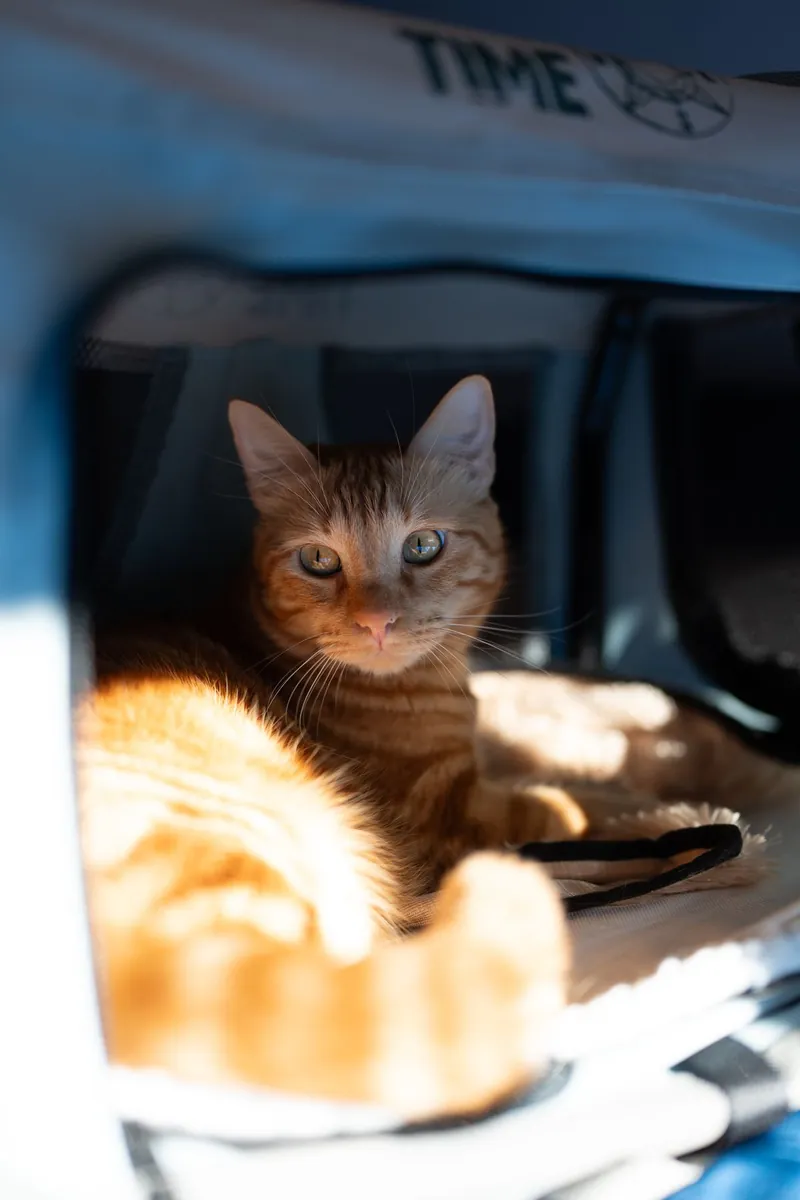
In-cabin means your cat rides under the seat in front of you in a soft-sided carrier. This is what nearly every experienced cat owner recommends — your cat stays near you at cabin temperature.
Cargo means a hard-sided IATA-approved crate in the aircraft’s hold. The surprise, as of 2026: the big US carriers have effectively closed cargo pet travel to the general public. United’s PetSafe and Delta’s cargo pet program are now limited to military and State Department families on official orders. If your Maine Coon cannot fit in an in-cabin carrier on those airlines, there is no flight for them.
What airlines actually say — with dates
Airline rules change constantly — treat every number below as a dated snapshot and confirm the current policy on the airline’s own pet page before booking:
- United (as of October 2026): $150 each way, and notably, United publishes no weight limit — the cat has to fit comfortably in the carrier, and the carrier has to fit under the seat. Soft-sided carriers up to about 18 x 11 x 11 inches. No public cargo option.
- Delta (as of October 2026): $150 each way domestic, $200 international. Recommended carrier around 18 x 11 x 11 inches, soft-sided, no published weight limit — the fit decides. Cargo closed to the general public, military exception. You must call Delta to reserve your pet’s cabin spot; spots are capped per flight.
- American (as of 2026): $150 each way, with a published combined limit of about 20 pounds for pet plus carrier — for a big male Maine Coon, that rule alone can settle the question.
European carriers like Lufthansa and Air France publish stricter combined limits (around 17.6 pounds, pet plus carrier), which rules out most adult Maine Coons in-cabin. That is why owners of big boys treat airline choice as the single biggest decision of the trip.
And when there is no in-cabin path — a 22-pound tom on a route where every airline caps at 20 — be honest about the alternatives. Some owners drive the first leg and fly from there; some use a professional pet transport service. Do not wedge a miserable cat into a situation the airline will refuse at the gate.
Picking a carrier that actually fits
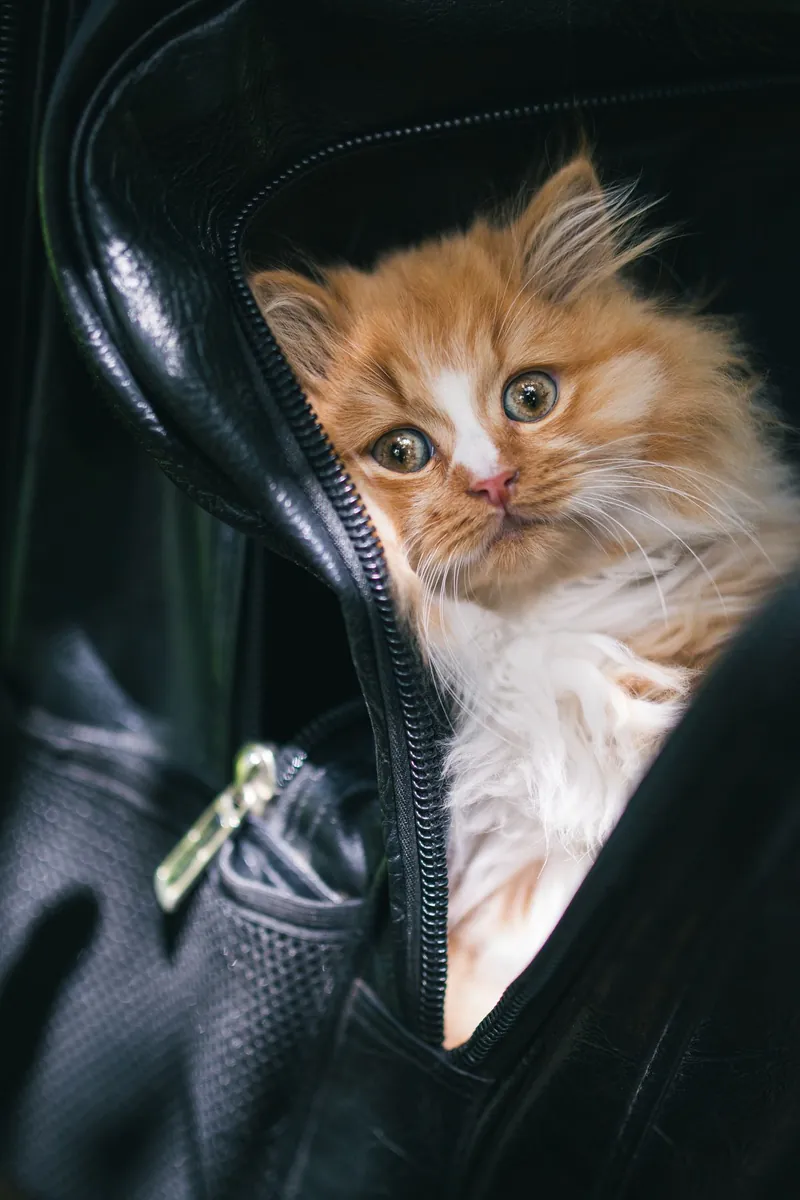
VCA’s pet travel guidance puts it well: a soft-sided carrier is more forgiving for fitting under the seat than a rigid one, as long as it will not collapse on your cat. The checklist owners swear by:
- Measure your cat, not the breed average. Length lying on their side, height sitting up. Your cat must be able to stand, turn around, and lie down in the closed carrier.
- Measure the carrier against your airline’s numbers, then against reality. The commonly cited maximums (around 18 x 11 x 11 inches for soft-sided) are ceilings, not guarantees — under-seat space varies by aircraft, and bulkhead and exit rows bar pets entirely.
- Test the loaded carrier at home. Put your cat in it, zip it, and slide it under a chair or table that mimics the under-seat box.
- Check the weak points before every trip. Safety reviews have found carrier mesh stitching can fail under stress — check zippers, mesh seams, and frame rigidity with the carrier empty.
- Line it for accidents. A waterproof base layer, an absorbent pee pad over it, and a spare pad plus a zip-lock bag in your personal item. Pack unscented pet wipes.
Start carrier training weeks ahead. Leave the carrier open in the living room with treats and a favorite blanket inside until your cat naps in it voluntarily, then short sessions with the door closed, then short car rides. Breeders on YouTube who fly their cats to shows recommend beginning a month out.
The paperwork: health certificates and timing
Nearly all airlines require a health certificate for cabin pets, regardless of what your destination state asks for. The usual domestic timing:
- The certificate must be issued by a licensed veterinarian, typically within 10 days of travel. The USDA considers a certificate of veterinary inspection valid for 30 days, but airlines commonly enforce the tighter 10-day window — book your vet appointment around your departure date.
- It confirms your cat is healthy, fit to fly, and free of infectious disease, and usually references current vaccinations including rabies.
- International trips add layers: USDA-accredited vet, possible USDA endorsement, and destination-country requirements that can include microchip verification, parasite treatment, or waiting periods.
Call your airline before you call your vet — paperwork windows vary, and confirming first keeps you from scheduling an exam that expires before you fly. Due for a checkup? Combine the errands — my kitten’s first vet visit checklist shows what a thorough exam covers.
Getting through airport security with a cat
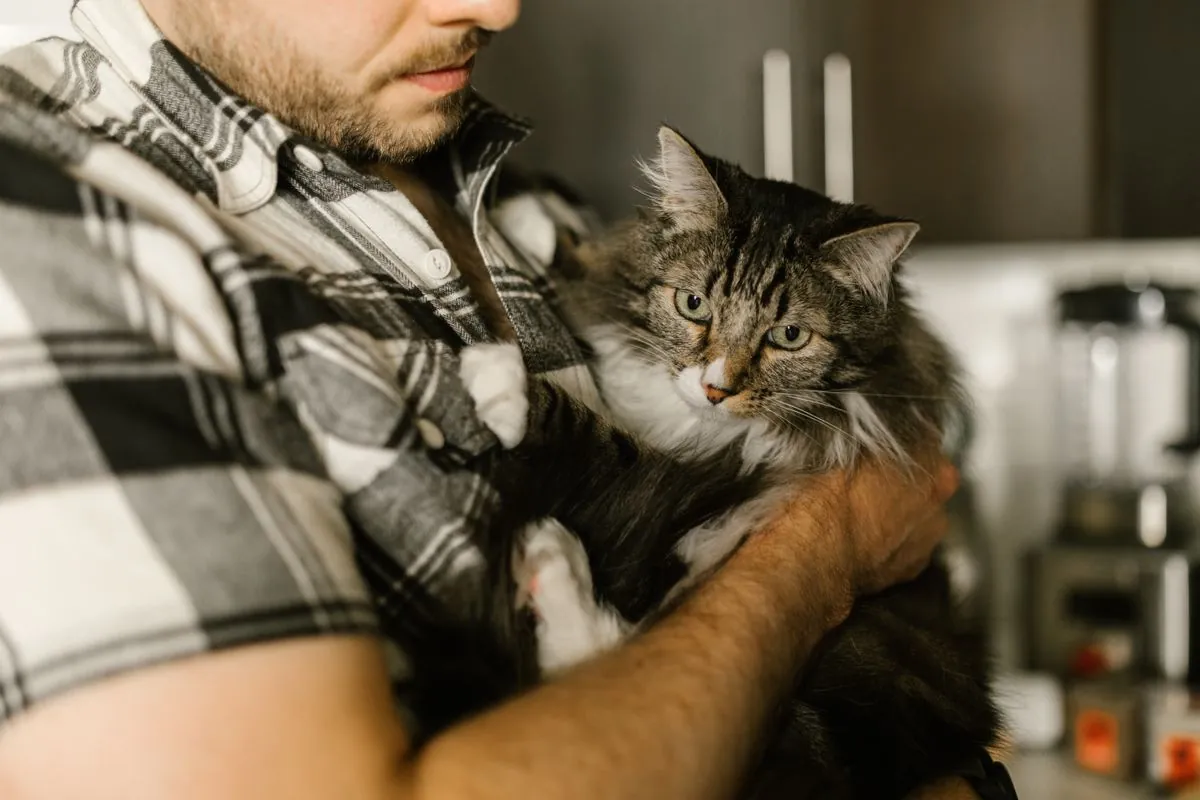
This is the part first-timers dread most, and it is manageable once you know the choreography:
- Your cat comes out of the carrier. The empty carrier goes on the belt through the X-ray machine. The cat never goes through the X-ray tunnel.
- You carry your cat through the metal detector while an officer typically swabs your hands. Expect this to take longer than normal screening — arrive early and do not schedule a tight connection.
- Harness and leash are your safety net. Put your cat in a secure harness before leaving for the airport — your backup if your cat startles mid-screening. The harness can usually stay on through the metal detector if it has no metal parts; the leash should come off for the walk-through.
- You can request a private screening room. If your cat is a flight risk or panics in noise, ask — officers do this routinely, and a quiet room beats an open checkpoint lane.
- Practice the in-and-out at home. VCA recommends practicing carrier entry and exit until it is routine — you will be doing it at the checkpoint with an audience and a time limit.
New to harnesses? My harness training guide walks through the introduction that works.
Keeping your Maine Coon calm at 35,000 feet
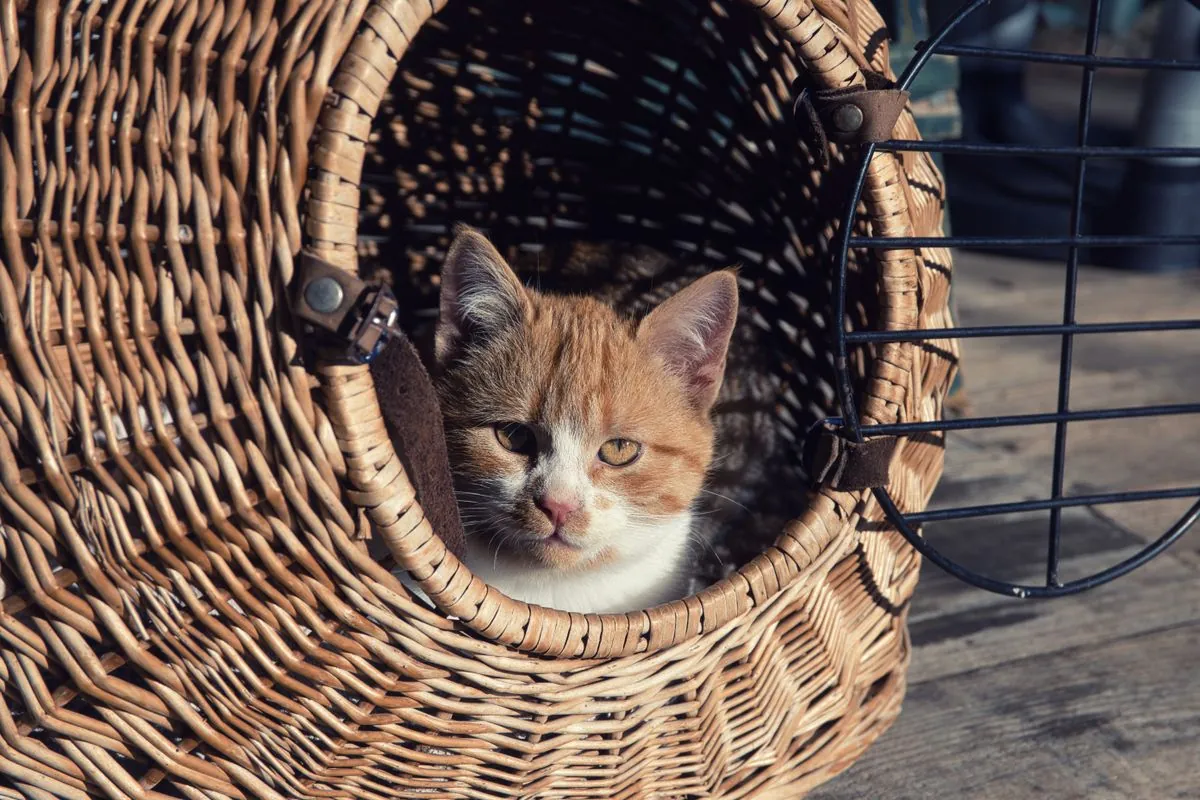
Once the carrier is stowed under the seat, your job is simple: be boring. Most cats settle once the engine drone becomes background noise. What actually helps:
- Do not sedate. The American Veterinary Medical Association warns that sedation can increase the risk of heart and respiratory problems during air travel, and most airlines will not accept a tranquilized animal. If your cat has travel anxiety, talk to your vet well in advance about non-sedative options.
- Use pheromones. A feline pheromone spray spritzed in the carrier 15 minutes before your cat goes in is recommended by vets and owners for lowering carrier stress. Pheromone wipes work too.
- Cover the carrier. A light breathable blanket draped over the mesh cuts visual stimulation — many cats start napping within minutes.
- Do not open the carrier mid-flight unless you must. Every opening is an escape opportunity. Keep the zippers closed and speak softly if your cat vocalizes.
- Handle the bathroom question pragmatically. Most adult cats will hold it for the flight. Adventure-cat owners on Instagram report everything from cats that used a pad setup in the airplane lavatory to cats that refused and held it for six hours. Pack absorbent pads and do not panic either way.
- Skip the big pre-flight meal. A light meal several hours before departure, then water offered sparingly during travel, reduces nausea risk. Bring a collapsible dish and a water bottle.
Cats read their people — build in buffer time, move slowly, and your cat will borrow your confidence.
When you land: the arrival routine
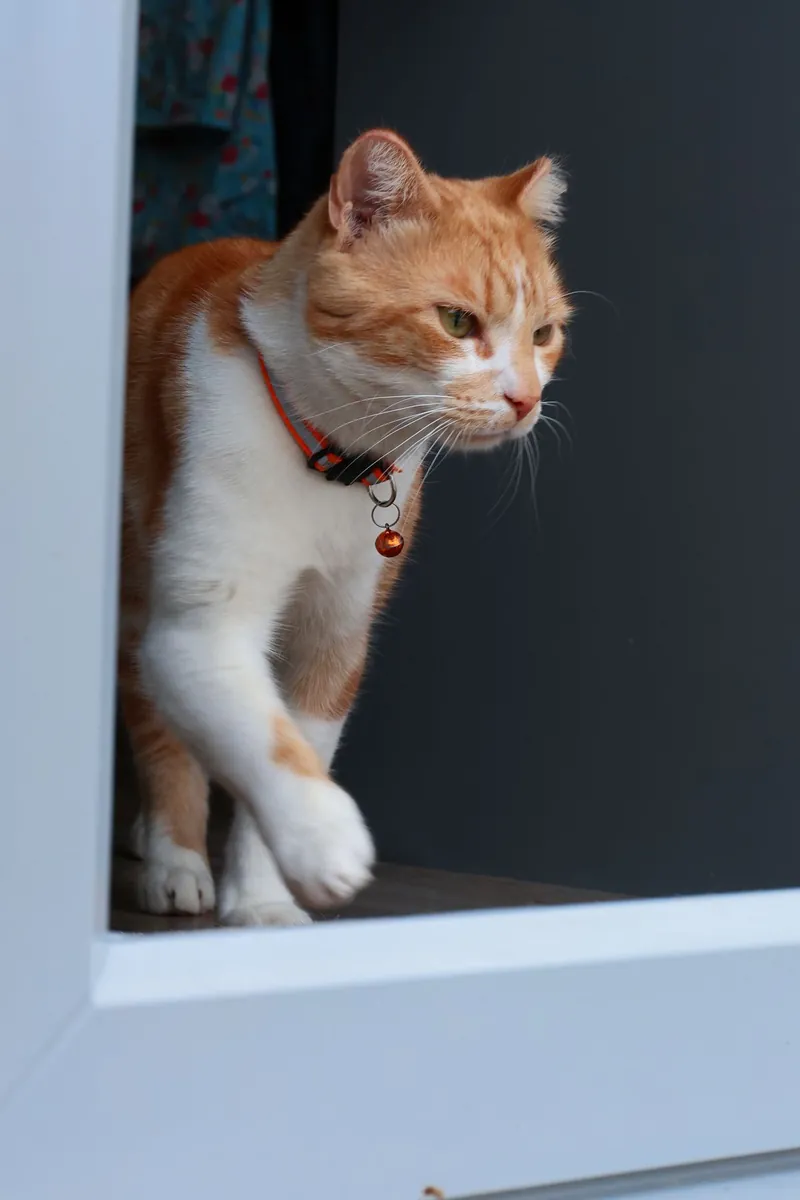
Give your cat the same grace you would want after hours folded into a small space. Open the carrier in a quiet, enclosed room — the hotel bathroom with the door shut is perfect — and let your cat come out on their own terms. Offer water first, then a small meal, and set up a litter box with familiar litter if you brought some.
Expect a recovery nap, then close shadowing for the rest of the day. Re-establish the normal routine — feeding times, play, quiet — as quickly as you can.
One thing worth doing before you leave: make sure your cat is microchipped and wearing a collar with an ID tag carrying your current phone number. PetMD lists this as essential travel prep.
Frequently asked questions
Can a Maine Coon fly in the airplane cabin?
Often yes, but it depends on the airline and your cat. As of 2026, United and Delta publish no weight limit — the cat must fit in an under-seat carrier — while American caps pet plus carrier at about 20 pounds and many European carriers cap around 17.6 pounds. Confirm the current policy directly with the airline before booking.
How much does it cost to fly with a Maine Coon in the cabin?
As of 2026, major US carriers charge roughly $125–$150 each way for an in-cabin pet — budget around $250–$300 round trip for the pet fee alone, plus the vet visit. Fees change over time, so confirm when you book.
What size carrier does a Maine Coon need for a flight?
Your cat must be able to stand, turn around, and lie down inside the closed carrier, and the carrier must fit under the seat in front of you. Most airlines cap soft-sided carriers around 18 x 11 x 11 inches. Measure your cat, measure the carrier, and test the loaded fit at home before travel day.
Do I need a health certificate to fly with my cat?
In most cases, yes. Airlines commonly require a health certificate issued by a licensed veterinarian within 10 days of travel, plus current vaccination records including rabies. International travel adds further requirements — confirm your airline’s paperwork rules before scheduling the vet visit.
Should I sedate my Maine Coon for a flight?
No — not without explicit veterinary guidance. The AVMA cautions that sedation can raise the risk of heart and respiratory problems during air travel, and most airlines will not accept a sedated animal. Ask your vet about non-sedative calming options well before your trip if your cat is anxious.
Further reading: VCA’s Flying with Your Cat guide and PetMD’s tips for traveling with a cat.