Toxic Plants for Maine Coons – The Houseplant Check Before Your Cat Chews
I learned to check my plants the way I check my front door before bed, because I live with a Maine Coon. Mine once batted a trailing vine off a shelf I had put up high on purpose, then sat underneath it looking pleased with herself, a leaf stuck to her whiskers. That day I stopped assuming my home was safe and started looking at it from her height. If you want to know which toxic plants for Maine Coons are a real emergency, which ones mostly cause a sore mouth, and what to do after you find a chewed leaf, this is the check I wish someone had handed me early on. It does not replace a vet visit, but it is the practical version of the ASPCA lists, shaped by what owners actually run into.
Lilies first, because lilies do not wait
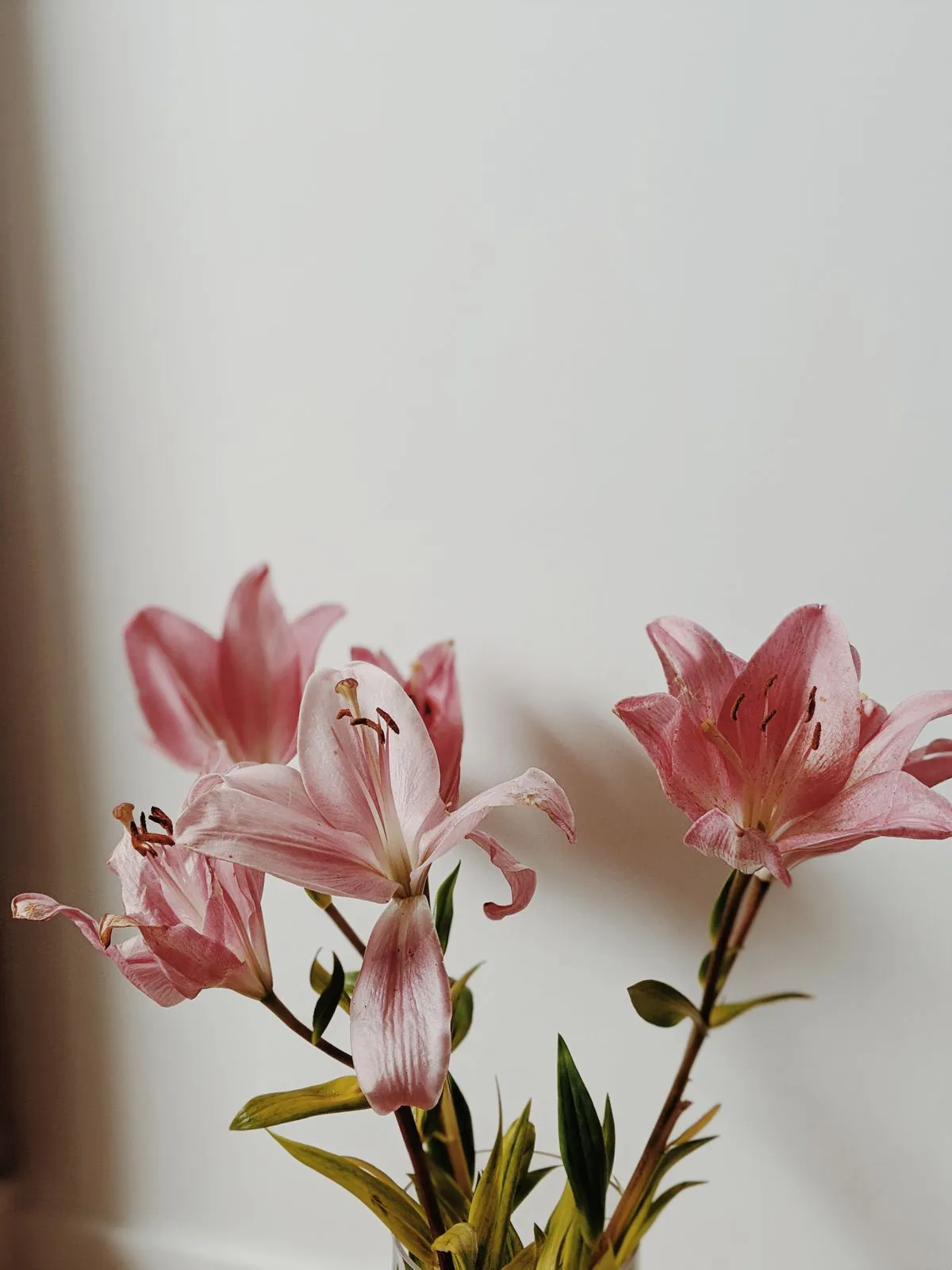
Everything else here can wait. Lilies cannot. True lilies are the emergency case for cats: Easter lilies, tiger lilies, Asiatic lilies, stargazer lilies, rubrum lilies, wood lilies, and daylilies. According to the ASPCA, ingesting any part of a true lily, or even the pollen, can cause kidney failure in cats. That includes pollen licked off fur during grooming, and vase water. A nibble, a few grains of pollen, or a drink from the vase can be enough to need a vet right away.
So my rule is simple and absolute: no true lilies in the house, ever, in any form. Mixed bouquets are the trap: owners on social media tell the same story over and over, a bouquet arrives, nobody spots the lilies tucked in among the roses, and the cat is in the emergency clinic that night.
If your Maine Coon may have touched or eaten any part of a lily, do not wait for symptoms. Call your vet or the ASPCA Animal Poison Control Center at (888) 426-4435 straight away, and head to the vet. Bring the plant, or a clear photo of it, and say exactly when it happened. Vets treat lily exposure as urgent because kidney damage can become irreversible if treatment starts too late. Do not try to make your cat vomit at home unless a vet tells you to; that advice comes up a lot online, and it can do more harm than good.
Toxic plants for Maine Coons that hurt the mouth: pothos, monstera, peace lily
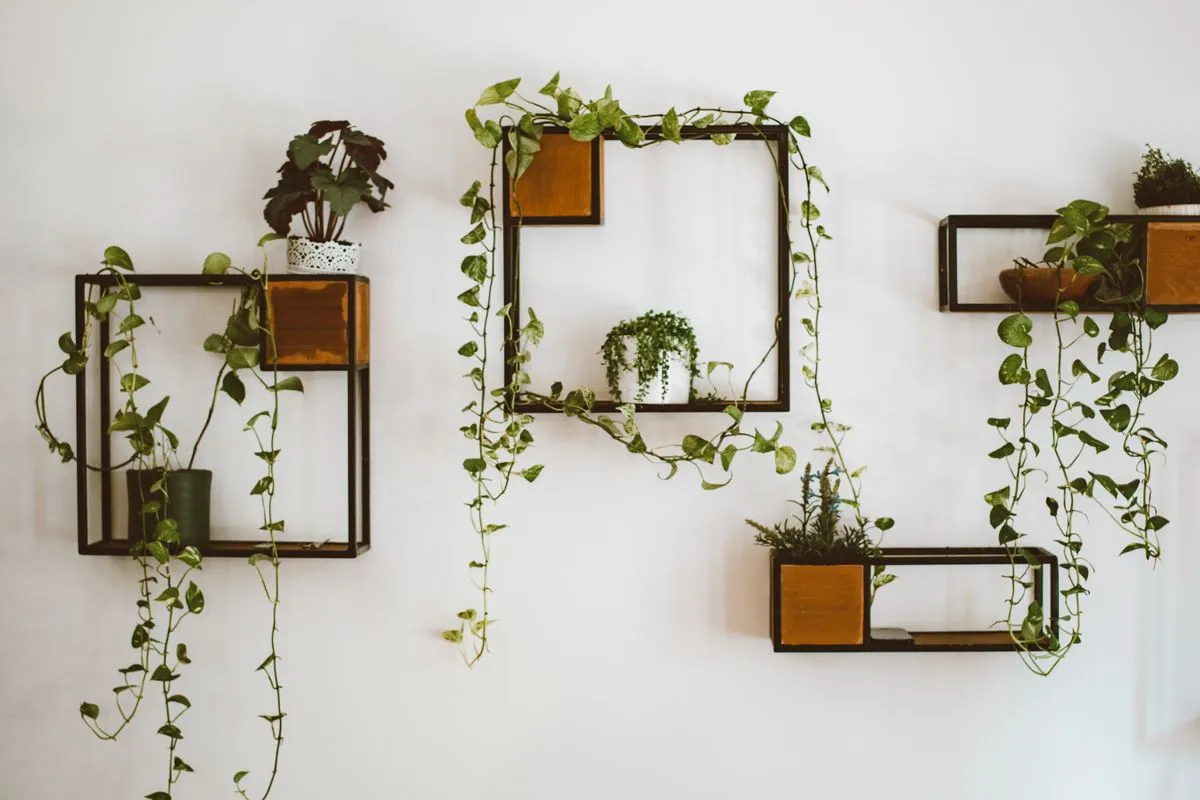
Once lilies are off the table, the next group is the one most of us actually own: popular leafy houseplants containing tiny needle-like crystals called insoluble calcium oxalates, which irritate the mouth, tongue, and throat when chewed. The ASPCA lists dumb cane (dieffenbachia), pothos or devil’s ivy, peace lily, and Swiss cheese plant (monstera) in this group, with drooling, retching, vomiting, and pawing at the mouth as typical signs. This group should be taken seriously, but it is a different danger from lilies: generally immediate mouth pain and stomach upset rather than organ failure, and many exposures can be managed with veterinary advice at home. Heavy drooling, trouble swallowing, or struggling to breathe still means a vet visit, not a wait-and-see afternoon.
Pothos deserves a special mention because it is everywhere, and trailing vines are basically cat toys. Owners on forums describe the same scene: a Maine Coon pulls down a vine, chews a leaf, then drools or paws at its mouth like it bit something sharp. One owner found her young Maine Coon mix chewing a yellowed pothos leaf she had thrown in the trash, a reminder that the bin counts as access too. Trim vines out of jumping range.
Peace lily causes a lot of confusion, so let me clear it up plainly. A peace lily is not a true lily and does not cause kidney failure. It belongs in this calcium oxalate group instead, causing mouth irritation, drooling, and vomiting. It still deserves a vet call if your cat eats some, but it is not a lily emergency. The same goes for calla lilies, which is why I photograph plant labels now instead of trusting my memory.
Other middle-risk plants include philodendron, snake plant, dracaena, and aloe vera, whose latex can cause vomiting and lethargy. Sago palm sits higher: all parts are toxic, the seeds most of all, and it can cause severe vomiting and liver damage, so it has no place in a cat home. Azaleas, oleander, autumn crocus, and yew are also serious.
Plants owners wrongly fear, and the ones they wrongly trust
Not every plant on a scary list deserves the same panic.
Poinsettias are the classic over-feared plant. The ASPCA describes them as only mildly toxic to cats, causing drooling or stomach upset rather than anything life threatening. The old story that one leaf can kill a cat traces back to an unverified incident from 1919. I still keep them out of reach, but if your cat nibbles one leaf, call your vet and watch for vomiting or diarrhea instead of assuming the worst. Lilies, mistletoe, and holly matter far more at holiday time.
Spider plants sit on the other side of the confusion. They are listed as non-toxic by the ASPCA, and they are a good swap for a trailing pothos. But non-toxic does not mean consequence-free: plenty of cats chew spider plants and then vomit, simply because cats do not digest plant material well. If your Maine Coon treats yours like a salad bar, move it higher and offer cat grass instead.
Then there are plants owners wrongly trust because they sit on a high shelf. A high shelf is not cat-proofing for a Maine Coon, and kittens are worse, because everything goes in the mouth while they explore. Do the plant check before a kitten arrives, not after the first chewed leaf. Our kitten care guide covers the wider setup.
How to tell your Maine Coon has chewed something bad
Cats hide discomfort well, so signs are easy to miss at first. Watch for drooling, pawing at the mouth, vomiting, diarrhea, going off food, hiding more than usual, or sudden lethargy. A sore mouth from a calcium oxalate plant usually shows up fast. A lily problem can look quieter at first, then turn into vomiting, loss of appetite, and changes in drinking or urinating, which is why you never wait for lily symptoms.
Two signs always mean go now: trouble breathing or swelling of the mouth and throat, and anything involving a lily. Call the vet the same day for repeated vomiting, diarrhea that does not settle, weakness, wobbliness, tremors, or a cat that stops eating and drinking. Kittens, seniors, and cats with kidney problems deserve a lower threshold. When in doubt, call.
If you catch your cat in the act, stay calm, move the plant away, and note the time, the plant, and roughly how much was eaten. Do not offer milk, oil, or home remedies, and do not induce vomiting unless your vet tells you to. If lily pollen is on your cat’s fur, stop your cat grooming it off if you safely can.
What to do immediately, and what counts as vet-now

Do immediately, for any suspected plant eating: move the plant out of reach, keep your cat indoors where you can watch them, identify the plant with a photo or label, and call your vet or a poison helpline with the plant name, amount eaten, and time.
Vet-now, no waiting: any lily contact, any sago palm eating, trouble breathing, swelling of the mouth or throat, collapse, seizures, repeated vomiting, or a cat that cannot urinate or suddenly stops drinking after a plant incident. For a pothos or peace lily nibble with mild drooling only, your vet may advise monitoring at home, but let them make that call. Never treat a home remedy as a substitute for vet care, and never assume a cat that looks fine an hour later is in the clear, especially with lilies. Call on the way to the emergency clinic, and bring the plant or a photo.
The room-by-room check
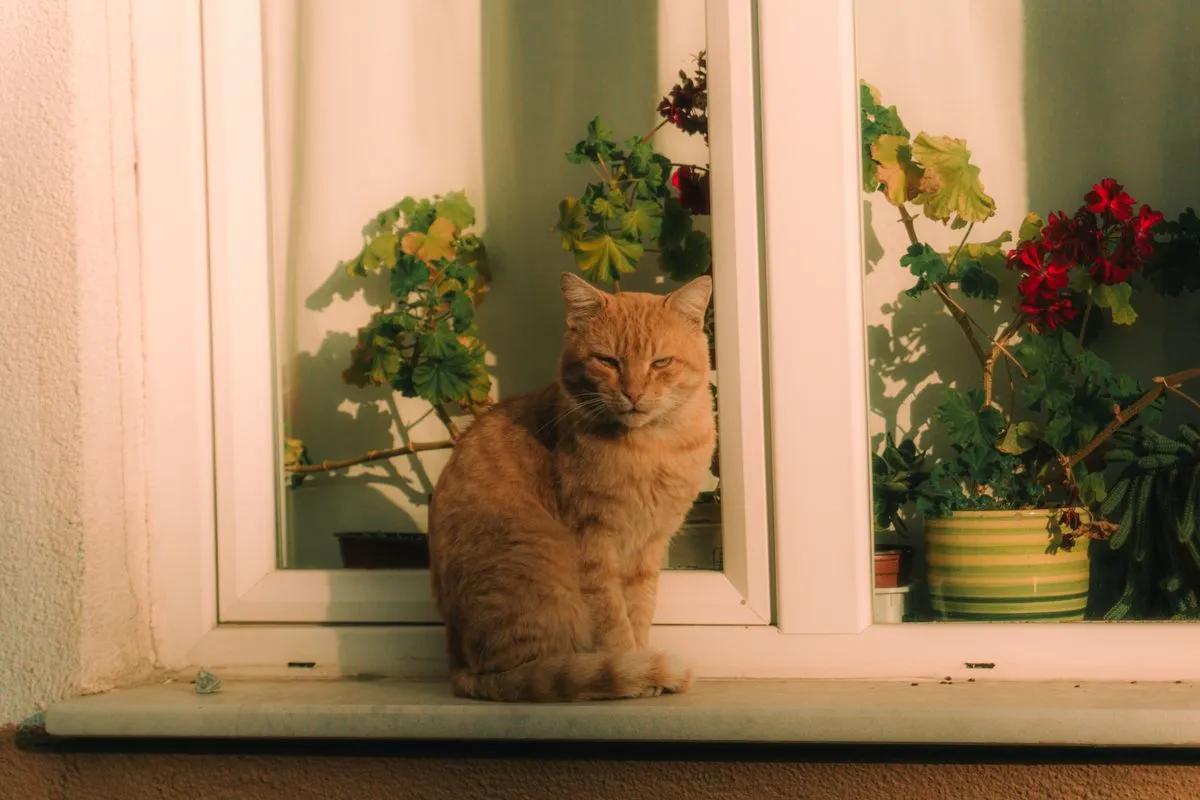
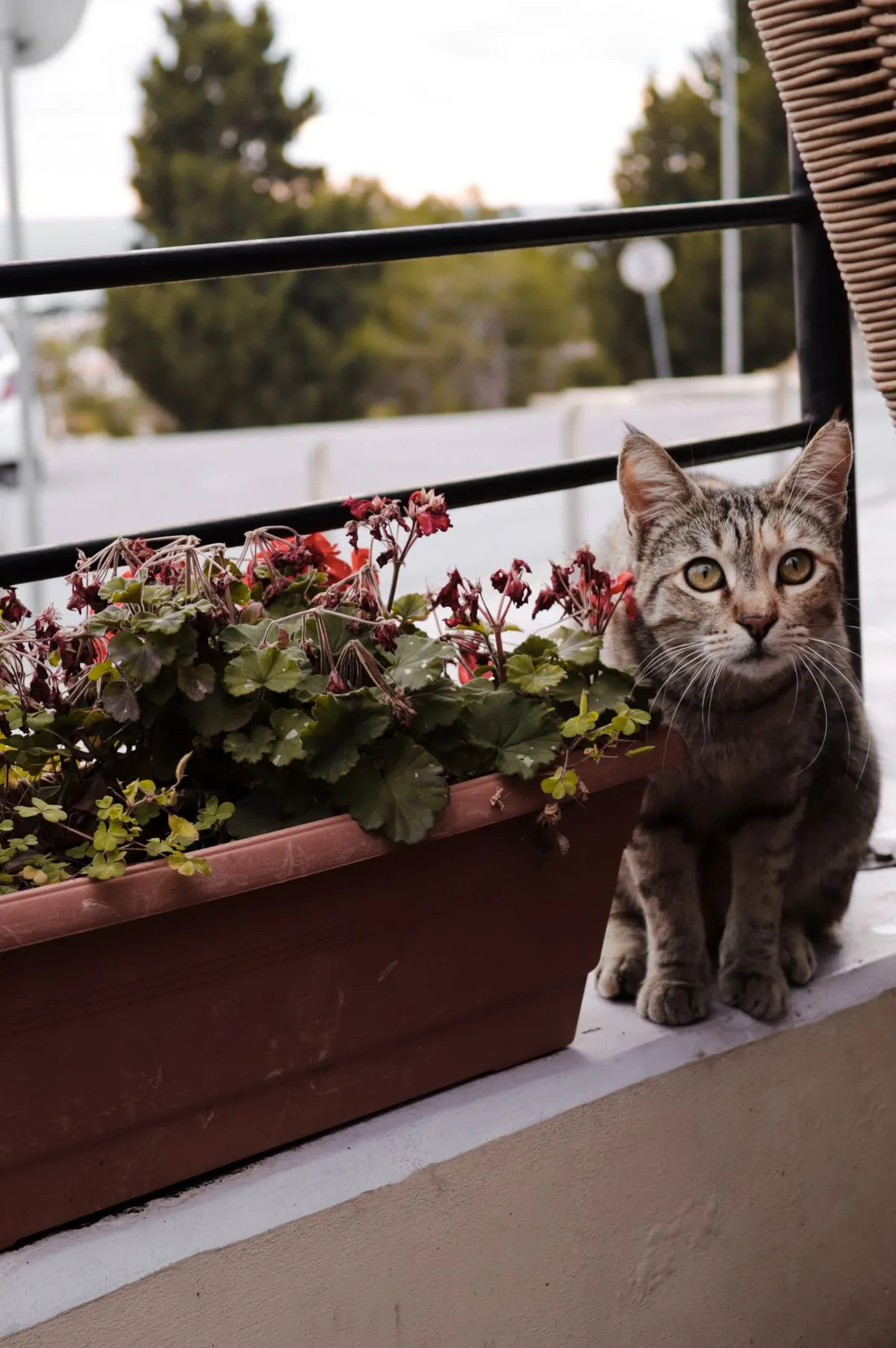
This is the part that prevents the next scare. Walk your home at cat height, and be honest about what your Maine Coon can reach.
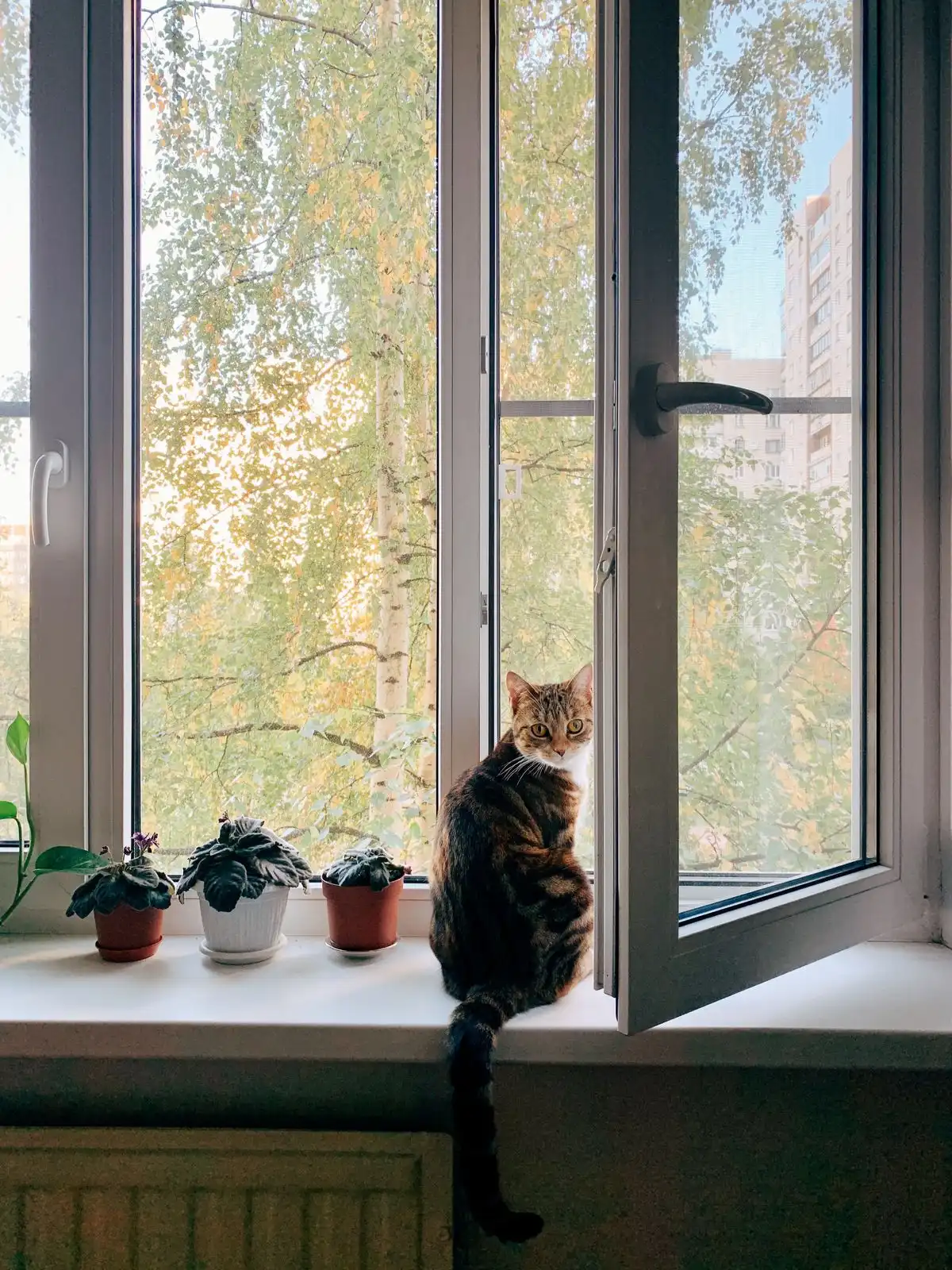
Start at the windowsill, prime Maine Coon territory: sun, birds, and plants in one spot. Move toxic plants off sills entirely, and replace them with Boston fern, calathea, African violet, or cat grass.
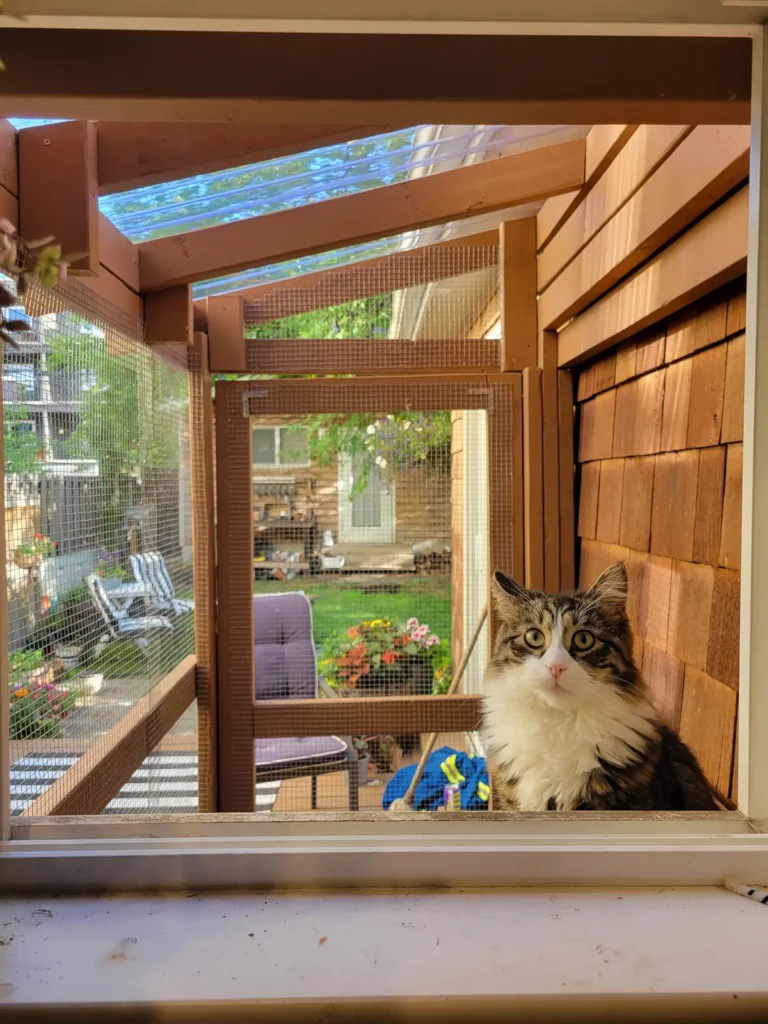
Check the living room next: trim vines, use heavy pots, and remember a closed room your cat does not enter beats a high shelf. Then check the balcony and catio for potted plants, overhanging neighbours’ plants, and cut flowers left out there. Our catio ideas help plan a space without a toxic plant sneaking in, and our apartment living guide covers the wider setup. Finally, check gifts and bouquets, the one people forget, and how lilies get in. Check every stem before a bouquet comes inside, and tell friends and family lilies are off the list, full stop. If you are preparing for a new arrival, our first night home guide is worth reading alongside this check, because the first days are when a stressed cat is most likely to chew something new.
Safe swaps that still look good
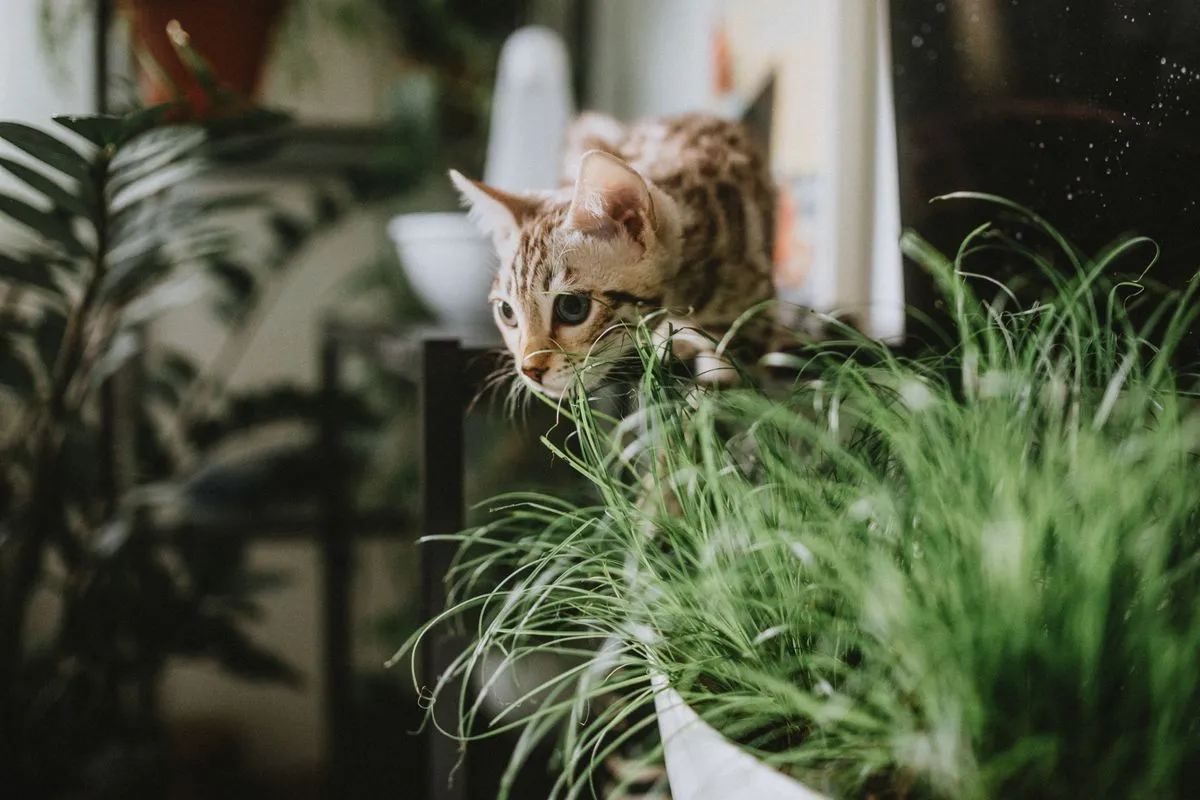
You do not have to give up plants to keep a Maine Coon safe. You just have to swap the cast. ASPCA-listed non-toxic options include spider plants, Boston ferns, calathea, prayer plants, peperomia, African violets, orchids, and cat grass. Roses, snapdragons, and sunflowers are safer cut flowers than lilies, though any flower in a vase still needs a quick check.
Cat grass is the swap I recommend most, because it gives your cat something it is allowed to chew. Many cats chew out of instinct or boredom, and a pot on the floor often redirects that urge. One honest note: even safe plants can upset a stomach if a cat eats a lot of them. Safe means non-toxic, not eat-all-you-want.
Frequently asked questions
Are lilies really that dangerous for Maine Coons, or is it exaggerated?
It is not exaggerated. True lilies and daylilies can cause acute kidney failure, and even pollen or vase water can be enough to need emergency vet care. Any contact with a true lily is an emergency: call your vet or the ASPCA Animal Poison Control Center right away, without waiting for symptoms.
My cat chewed a pothos leaf. Should I rush to the vet?
Call your vet promptly and describe what happened. Pothos causes mouth pain, drooling, and vomiting from calcium oxalate crystals, and many mild cases are managed with veterinary advice. Heavy drooling, trouble swallowing, breathing difficulty, or repeated vomiting means go in.
Is a peace lily as dangerous as a true lily?
No. A peace lily is not a true lily and does not cause kidney failure. It causes mouth and stomach irritation from calcium oxalate crystals. It is still toxic and deserves a vet call, but it is not the same emergency as a true lily.
Are poinsettias deadly to cats?
No, poinsettias are only mildly toxic according to the ASPCA, usually causing drooling, vomiting, or mild diarrhea. Keep them out of reach, but they are far less dangerous than lilies, mistletoe, or holly.
What plants are safe to keep with a Maine Coon?
ASPCA-listed non-toxic choices include spider plants, Boston ferns, calathea, prayer plants, peperomia, African violets, orchids, and cat grass. Check the exact scientific name before buying, and keep even safe plants in moderation.
I still love having plants in my home. I just love them differently now: checked, labelled, and chosen with my Maine Coon in mind first. Do the room-by-room check once, properly, and repeat it every time a new plant or bouquet arrives. If you are unsure about a plant, ask your vet before your cat tastes it. For a broader check, see the ASPCA guide to houseplants that can cause trouble for pets, ASPCA resources at ASPCA, and guidance at PetMD.